Sleep Neurology
Sleep neurology evaluates and manages sleep disorders linked to the brain and nervous system, including insomnia, hypersomnia, parasomnias and sleep-related movement problems.
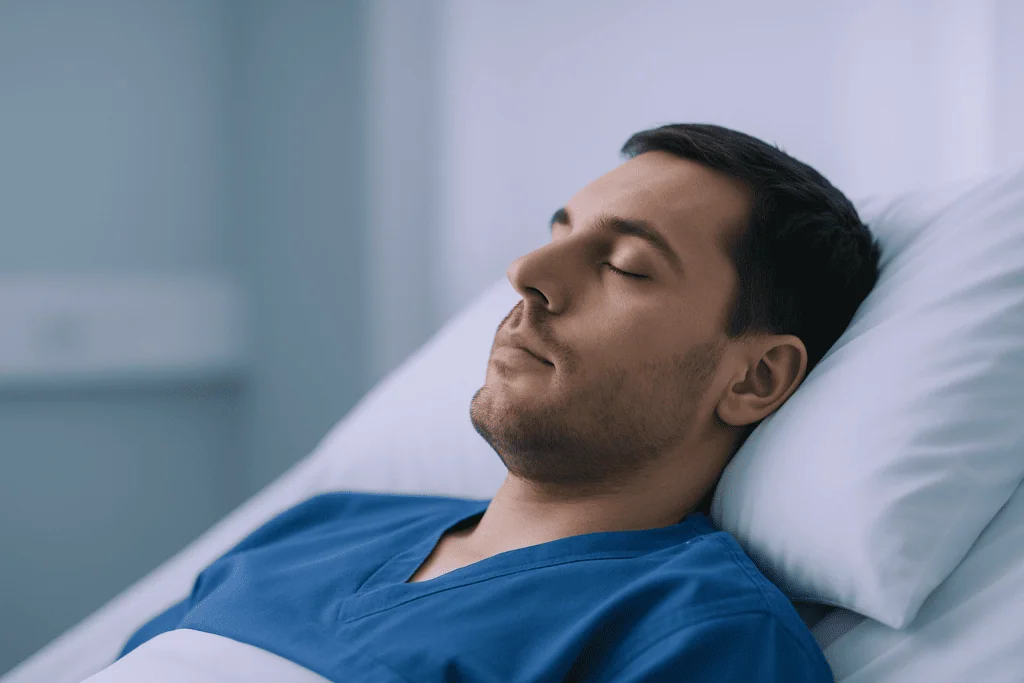
Quick answer
Sleep neurology is the medical specialty that diagnoses and treats sleep disorders involving the brain and nervous system, including insomnia, narcolepsy, restless legs syndrome, parasomnias, circadian rhythm disorders and sleep-related epilepsy. Evaluation typically combines a detailed clinical history, neurological examination and overnight sleep testing, followed by treatment aimed at the underlying mechanism rather than the symptom alone.
Sleep Neurology: When Sleep Problems Involve the Brain and Nervous System
Sleep neurology is the branch of medicine that diagnoses and treats sleep disorders driven by the brain and nervous system. It covers insomnia, narcolepsy, restless legs syndrome, parasomnias, circadian rhythm disorders, sleep-related epilepsy and the sleep problems that accompany neurological disease. It is for people whose sleep is persistently disrupted, unusual or unsafe — and who need to know why, not simply how to sleep longer.
Sleep is not a passive pause between days. It is an active neurological process that influences memory, mood, metabolism, immune function, pain regulation, heart health and the way the brain clears metabolic waste. When sleep becomes disturbed, unpredictable or non-restorative, the effects reach well beyond tiredness. You may struggle to concentrate, feel anxious about going to bed, experience unexplained daytime sleepiness, notice abnormal movements during sleep, act out vivid dreams, lose muscle tone suddenly with strong emotion, or have night-time episodes that resemble seizures.
For many people, the hardest part is uncertainty. You may not know whether your symptoms are stress-related, neurological, respiratory, psychiatric, hormonal or a side effect of medication. You may have tried sleep aids, lifestyle changes or advice found online without ever understanding the underlying cause. That uncertainty is itself a clinical problem: it delays diagnosis, encourages trial-and-error self-treatment, and often makes the sleep problem worse.
Some patients come to sleep neurology after years of fragmented sleep. Others are referred quickly because of safety concerns — falling asleep while driving, injuring a bed partner during dream enactment, or night-time events that could be epileptic seizures. This specialty exists precisely for this territory, where sleep complaints and neurological questions overlap and where the right answer depends on looking at both together.
The goal is not only to help you sleep longer, but to understand why your sleep is disrupted and to treat the underlying mechanism wherever possible. That may involve detailed clinical evaluation, overnight sleep studies, neurological testing, medication review, behavioural therapy, treatment of movement disorders, or coordination with respiratory, psychiatry, cardiology, endocrinology and ear, nose and throat specialists. A structured sleep neurology pathway can turn vague, hard-to-describe symptoms into a clear diagnostic plan and a treatment strategy that fits your medical history, daily life and long-term follow-up needs.
What Is Sleep Neurology?
Sleep neurology is a specialised area of medicine that evaluates and manages sleep disorders connected to the nervous system. It combines principles of neurology, sleep medicine, neurophysiology and behavioural medicine, drawing in other specialties whenever they influence sleep quality or daytime alertness. The overlap between the two fields is sometimes described as neurological sleep medicine: the same territory approached from the sleep-laboratory side rather than the neurology-clinic side.
The brain controls when you feel awake, when you feel sleepy, how deeply you sleep, how your muscles behave during sleep, how breathing is regulated overnight and how dreams are processed. Disturbance in any of these systems produces sleep symptoms — and because the systems interact, the symptoms often blur into one another. Evaluation helps identify whether the problem is primarily insomnia, hypersomnia, a parasomnia, a sleep-related movement disorder, a circadian rhythm disorder, sleep-related epilepsy, or another medical condition presenting through sleep.
What does a sleep neurologist do?
A sleep neurologist evaluates sleep complaints with the tools of both neurology and sleep medicine: a structured clinical history, neurological examination, and objective testing such as polysomnography, brain wave recording and daytime sleepiness testing. The distinctive skill is pattern recognition across two fields. A night-time event may be a parasomnia, a panic episode, a movement disorder, a medication effect or a seizure — and these can look remarkably alike to the person experiencing them and to a worried bed partner. A sleep neurologist is trained to separate these possibilities, to recognise when a sleep symptom is the first sign of a broader neurological condition, and to manage the treatments — behavioural, pharmacological and multidisciplinary — that follow from an accurate diagnosis.
Are sleep disorders neurological?
Many sleep disorders are neurological at their core, though not all. Narcolepsy, REM sleep behaviour disorder, restless legs syndrome, sleep-related epilepsy and most circadian rhythm disorders arise from the brain and nervous system directly. Others, such as obstructive breathing problems during sleep, begin outside the nervous system but are detected, regulated and made worse or better by it. Insomnia sits somewhere in between: a condition shaped by brain arousal systems, behaviour, mood and physical health at the same time. This is exactly why a single label rarely settles the matter, and why evaluation looks at the whole picture rather than one organ system.
Does neurology do sleep studies?
Yes — sleep studies are a routine part of neurological practice when the diagnosis calls for them. Polysomnography records brain waves alongside breathing, muscle activity and heart rhythm, so it is as much a neurological test as a respiratory one. Within a hospital neurology department, sleep studies are typically requested when the question involves abnormal movements, suspected seizures, dream enactment, narcolepsy or unexplained sleepiness, and the recordings are interpreted with particular attention to the brain wave and muscle channels. Sleep studies are also ordered by pulmonologists and sleep medicine physicians; who requests the test matters less than whether the right channels are recorded and interpreted for your specific question.
Unlike a single test or a single medication, this is a diagnostic and treatment process. It begins with a careful conversation about your symptoms, schedule, medical history and sleep environment. It may include sleep diaries, questionnaires, laboratory-based polysomnography, video monitoring, brain wave recording, muscle activity measurement, breathing assessment, actigraphy, daytime sleepiness testing, blood tests or neurological imaging in selected cases. Treatment is then tailored to the diagnosis rather than to the complaint alone: cognitive behavioural therapy for insomnia and circadian scheduling for some patients; management of restless legs syndrome, evaluation for narcolepsy, protection strategies for REM sleep behaviour disorder, seizure management or referral for sleep-disordered breathing therapy for others. Effective care often depends on recognising that several sleep problems can exist together in the same person.
Who May Need a Sleep Neurology Evaluation?
A sleep neurology assessment is worth considering when sleep problems persist despite sensible lifestyle changes, when symptoms are unusual or potentially neurological, or when sleep disruption is affecting safety, work performance, emotional wellbeing or overall health. Many patients seek help after months or years of trying to manage symptoms alone. Others are referred by a neurologist, psychiatrist, pulmonologist, primary care physician or cardiologist because sleep appears to be contributing to a broader medical condition.
Common reasons for evaluation include chronic difficulty falling asleep or staying asleep, waking too early, non-restorative sleep, severe daytime sleepiness, irresistible sleep attacks, confusion or unusual behaviour at night, acting out dreams, sleepwalking, night terrors, repetitive leg movements, uncomfortable sensations in the legs that ease with movement, vivid hallucinations around sleep onset or waking, sleep paralysis, and episodes of sudden muscle weakness triggered by laughter, surprise or other strong emotion.
Some presentations are genuinely hard to classify, and this is where the specialty earns its keep. A night-time event may be a parasomnia, a panic attack, a movement disorder, a medication side effect or a seizure. A person who feels exhausted every day may have insomnia, depression, narcolepsy, circadian misalignment, sleep apnea, restless legs syndrome, a medication effect, thyroid disease or something else entirely. Guessing among these options wastes time; structured assessment and objective testing narrow them down.
Diagnosis typically starts with a detailed clinical history. Expect questions about bedtime and wake time, work schedule, travel across time zones, caffeine and alcohol use, exercise, screen exposure, mood symptoms, pain, current medications, neurological history, family history and any behaviours witnessed during sleep. An account from a bed partner or family member is often the most valuable information in the room, particularly for parasomnias and night-time movements — the sleeper is, by definition, the least reliable witness to their own night.
Depending on the symptoms, testing may include overnight polysomnography in a sleep laboratory, which records brain waves, eye movements, muscle tone, breathing patterns, oxygen levels, heart rhythm and body movements while you sleep, with video monitoring to link behaviours to sleep stage and brain activity. If excessive daytime sleepiness or narcolepsy is suspected, a multiple sleep latency test may follow the day after the overnight study. Actigraphy — a wearable device worn like a watch — can track sleep-wake patterns over days or weeks, which is especially useful when a circadian rhythm disorder is on the list of possibilities.
Conditions Sleep Neurology Addresses
Sleep neurology covers a broad range of disorders in which the nervous system plays a central role. Some are common and respond well to treatment; others require careful long-term monitoring because they may be associated with neurological disease or carry meaningful safety risks. The main groups are:
- Insomnia disorder: Difficulty falling asleep, staying asleep or waking too early, with daytime impairment. Neurological evaluation matters most when insomnia is linked to pain, movement disorders, medication effects, neurodegenerative disease or circadian rhythm disruption, because standard sleep hygiene advice rarely fixes those drivers.
- Hypersomnia and excessive daytime sleepiness: Persistent sleepiness despite adequate time in bed. Possible explanations include narcolepsy, idiopathic hypersomnia, sleep apnea, circadian disorders, medication effects or another medical condition — each with a different treatment path.
- Narcolepsy: A neurological disorder of sleep-wake regulation that can cause sleep attacks, vivid dream-like experiences at sleep onset or waking, sleep paralysis and, in some patients, cataplexy — sudden muscle weakness triggered by emotion.
- Parasomnias: Unusual behaviours or experiences during sleep, including sleepwalking, night terrors, confusional arousals, nightmares and REM sleep behaviour disorder, in which a person physically acts out dreams — sometimes violently enough to injure themselves or a bed partner.
- Sleep-related movement disorders: Restless legs syndrome, periodic limb movement disorder, sleep-related cramps and rhythmic movement patterns that fragment sleep and contribute to daytime fatigue, sometimes without the sleeper ever fully waking.
- Circadian rhythm sleep-wake disorders: Misalignment between the body’s internal clock and the desired sleep schedule — delayed sleep phase, advanced sleep phase, shift-work-related sleep problems and jet-lag-related disruption.
- Sleep-related epilepsy and nocturnal events: Seizures can occur primarily or exclusively during sleep and can closely resemble parasomnias. Distinguishing the two usually requires careful history, video recording and EEG-based evaluation.
- Sleep disorders associated with neurological disease: Parkinson’s disease, dementia syndromes, multiple sclerosis, stroke, migraine, neuromuscular disorders and chronic pain conditions all affect sleep, and disturbed sleep in turn affects those conditions.
- Medication-related sleep problems: Some antidepressants, stimulants, sedatives, pain medications, anti-seizure drugs and other treatments can alter sleep architecture, provoke movements during sleep or change daytime alertness. Identifying the culprit is a medical task, not a matter of trial and error at home.
What are the most common sleep disorders?
The most common sleep disorders seen in clinical practice are insomnia, obstructive sleep apnea, restless legs syndrome and circadian rhythm problems, particularly those related to shift work and irregular schedules. Narcolepsy, REM sleep behaviour disorder and sleep-related epilepsy are less common but disproportionately important, because they carry safety implications and, in some cases, links to other neurological conditions. Frequency is not the same as simplicity: even a common diagnosis such as insomnia can hide a second disorder underneath it, which is one reason a structured evaluation beats a quick label.
What neurological disorders cause sleep problems?
Neurological disorders that cause sleep problems include Parkinson’s disease, dementia syndromes, multiple sclerosis, stroke, epilepsy, migraine, peripheral neuropathy and neuromuscular disease. The mechanisms differ. Parkinson’s disease can fragment sleep, disturb REM sleep and produce vivid dream enactment. Stroke can damage the brain regions that regulate sleep and breathing. Epilepsy can generate seizures that occur only at night. Neuropathy can create leg discomfort that peaks in the evening and mimics or worsens restless legs syndrome. Dementia can erode the circadian rhythm itself, producing night-time wandering and daytime drowsiness. In each case, treating the sleep component is part of managing the neurological condition — not an optional extra.
Is sleep apnea neurological or respiratory?
Sleep apnea is usually respiratory in mechanism but neurological in regulation — the honest answer is that it involves both systems. In obstructive sleep apnea, the most common form, the upper airway narrows or collapses during sleep; the immediate problem is anatomical and respiratory. Central sleep apnea is different: the brain intermittently fails to send the signal to breathe, which is a neurological control problem. Many patients show elements of both. This is why sleep apnea is evaluated across specialties — pulmonology, sleep medicine, neurology, ENT — and why the answer to “which department owns it” matters less than whether the type and severity have been properly characterised.
Can sleep apnea cause neurological problems?
Untreated sleep apnea can contribute to neurological problems over time. Repeated overnight drops in oxygen and constant sleep fragmentation are associated with worsened headaches, impaired concentration and memory, mood disturbance and elevated cardiovascular and stroke risk. Sleep apnea can also aggravate existing neurological conditions: it can make seizures harder to control, deepen daytime sleepiness in narcolepsy and worsen cognitive symptoms in older patients. This is why sleep-disordered breathing is relevant within this specialty even though its mechanism begins in the airway, and why coordination with pulmonary, cardiology, ENT or dental sleep medicine specialists is often part of the plan.
How Sleep Neurology Evaluation and Treatment Are Performed
Initial Consultation and Medical Review
The process usually begins with a comprehensive consultation. The sleep neurologist reviews your symptoms, medical history, neurological history, current medications, any previous sleep studies and relevant laboratory or imaging results. Where previous records exist, they are reviewed before decisions about new testing are made — repeating a study that has already been done well helps nobody, and a poorly recorded earlier study sometimes explains why a diagnosis was missed.
You may be asked to complete sleep questionnaires or keep a sleep diary for a period before or after the visit. These tools reveal patterns that memory reliably misses: inconsistent wake times, long daytime naps, weekend schedule shifts, or night-time awakenings tied to movement, pain, urination or anxiety. A two-week diary often tells the physician more than an hour of conversation.
Neurological and Sleep-Focused Examination
A physical and neurological examination may assess muscle tone, reflexes, coordination, sensation, eye movements, signs of neuropathy, features of movement disorders and other findings that could influence sleep. The physician may also evaluate factors associated with sleep-disordered breathing — airway anatomy, weight changes, cardiovascular risk factors — coordinating with other specialists when those findings point beyond neurology.
Overnight Polysomnography
Overnight polysomnography is the most common objective test in this field: a full-night recording of what your brain and body do while you sleep. A typical laboratory night follows a set sequence:
- You arrive in the evening and a sleep technologist applies small surface sensors to the scalp, face, chest, limbs and a fingertip. The sensors sit on the skin; no needles are involved.
- The sensors record brain activity, eye movements, muscle activity, breathing effort, airflow, oxygen levels, heart rhythm and leg movements throughout the night.
- Synchronised video captures any behaviours, so that a movement or event can be matched to the exact sleep stage and brain wave pattern in which it occurred.
- Trained sleep technologists monitor the recording overnight and note anything unusual.
- In the morning the sensors are removed and you can go about your day; the recording is then scored and interpreted by the physician.
For neurological sleep disorders, the brain wave and muscle channels carry particular weight. They identify sleep stages and arousals, reveal REM sleep occurring without its normal muscle relaxation — the signature of REM sleep behaviour disorder — and detect periodic limb movements and seizure-like electrical patterns. In selected cases, expanded EEG monitoring is added to evaluate night-time events that could be epileptic.
Multiple Sleep Latency Test and Maintenance of Wakefulness Test
The multiple sleep latency test is a daytime study performed after an overnight polysomnogram when narcolepsy or idiopathic hypersomnia is suspected. It measures how quickly you fall asleep during scheduled nap opportunities across the day, and whether REM sleep appears unusually early — a hallmark of narcolepsy. Its counterpart, the maintenance of wakefulness test, assesses the opposite ability: staying awake in quiet, dim conditions. It is used in specific situations, particularly where safety-sensitive work or driving is a concern and the question is whether treatment has restored adequate alertness.
Actigraphy for Circadian Rhythm Assessment
Actigraphy uses a small wearable device, worn like a watch, to track rest and activity patterns over days or weeks. It is most useful for circadian rhythm disorders and irregular sleep schedules, because a single laboratory night cannot show how your sleep-wake rhythm behaves across a fortnight of real life. Combined with a sleep diary, actigraphy gives the physician an honest picture of the schedule your body is actually keeping — which is often quite different from the schedule you believe you keep.
Can I take Benadryl before a sleep study?
Whether any medicine — including an over-the-counter antihistamine such as Benadryl — should be taken before a sleep study is a decision for the physician ordering the test, not one to make alone. Sedating antihistamines change sleep architecture: they can suppress REM sleep and alter the very patterns the study is trying to measure, which can mask one diagnosis or mimic another. This is why sleep laboratories ask in advance for a complete list of everything you take, prescription and over-the-counter alike, and why the instructions for your particular study are set individually based on what question the test is meant to answer.
Does anyone ever pass a sleep apnea test?
A sleep apnea test is not an exam you pass or fail — it is a measurement of what your body does overnight. Some people complete testing without meeting criteria for sleep apnea; that is a useful result, not a wasted night, because it redirects attention to other explanations for the symptoms, such as a movement disorder, a circadian problem or insomnia. Others show breathing events they never suspected. Occasionally a single night underestimates the problem — an unusually good night in the laboratory, or sleep spent mostly on one side — which is why results are always interpreted alongside the clinical history rather than in isolation, and why testing is sometimes repeated when the story and the numbers disagree.
Personalised Treatment Planning
Once the diagnosis is established, treatment options are discussed in the context of your goals, medical risks and daily life. For insomnia, evidence-based care often centres on cognitive behavioural therapy for insomnia, which targets the thoughts and behaviours that keep sleeplessness going, combined with sleep scheduling, stimulus control, relaxation strategies, light exposure planning and careful medication review.
For restless legs syndrome or periodic limb movements, treatment may include checking iron status, identifying medication triggers, managing neuropathy or kidney disease, and using targeted medications when appropriate. For narcolepsy or hypersomnia, the plan may involve wake-promoting medication, scheduled naps, safety counselling and management of cataplexy if present. For REM sleep behaviour disorder, safety measures in the sleep environment come first, with medication considered where needed; because this condition can be associated with neurological disease in some patients, structured long-term follow-up is part of responsible care rather than an afterthought.
If nocturnal seizures are suspected or confirmed, management may involve anti-seizure medication decisions made by the treating neurologist, further EEG evaluation, brain imaging when indicated and counselling about safety. If sleep apnea or another breathing-related disorder is found, therapy may include positive airway pressure treatment, oral appliance evaluation, weight-related interventions or ENT assessment, depending on anatomy and test results. All medication decisions — starting, stopping or adjusting anything — sit with the treating physician, who can weigh your full medical picture.
Visit Duration and What Recovery Looks Like
A consultation itself may take less than a day, but a complete evaluation can require an overnight study and, in some cases, daytime testing the following day. When it is medically appropriate, consultation, laboratory testing, interpretation and treatment planning can be coordinated into a compact schedule rather than spread across many separate appointments.
There is usually no physical recovery period after sleep testing. Most people resume normal activities immediately, though some feel slightly tired after a night of sleeping in an unfamiliar laboratory setting. Recovery from the sleep disorder itself depends on the diagnosis: improvements from better sleep scheduling or treatment of restless legs symptoms may be noticed relatively quickly, while chronic insomnia, narcolepsy and complex parasomnias generally require gradual adjustment and follow-up over weeks to months.
Why Acting Early Matters
Sleep disorders progress quietly. People adapt to years of poor sleep and start to treat fatigue, irritability and reduced concentration as normal. Yet untreated sleep problems touch nearly every system of the body. Chronic insomnia is associated with mood symptoms, impaired work performance, heightened pain sensitivity and reduced quality of life. Excessive daytime sleepiness raises the risk of accidents, especially behind the wheel or around machinery.
Parasomnias can injure the patient or a bed partner. REM sleep behaviour disorder deserves particularly careful evaluation because of its association with neurological conditions in some patients. Restless legs syndrome and periodic limb movements can shred sleep continuity even when the sleeper never fully wakes. Circadian rhythm disorders disrupt school, work, travel and social life. Sleep-related seizures can go unrecognised for years if they occur only at night, witnessed by no one.
Early evaluation interrupts a familiar cycle: sleep disruption breeds anxiety about sleep, anxiety worsens the sleep, and the patient drifts towards ineffective or inappropriate sedating medication. It also lets clinicians identify treatable contributors — iron deficiency, medication effects, breathing-related sleep disorders, neurological disease, endocrine abnormalities, psychiatric conditions — while they are still easy to address. Timely diagnosis supports better daily functioning and better-informed decisions about work, driving, travel and long-term health.
Benefits of Sleep Neurology Care
The value of this specialty comes from matching the right diagnosis to the right treatment strategy, rather than treating every sleep complaint the same way.
| Benefit | What It Means for You |
|---|---|
| More accurate diagnosis | Objective sleep testing and neurological assessment help distinguish insomnia, narcolepsy, parasomnias, movement disorders, seizures and breathing-related sleep problems — conditions that feel similar but are treated very differently. |
| Personalised treatment | Your plan reflects your symptoms, medical history, medications, travel needs and lifestyle rather than a one-size-fits-all protocol. |
| Improved daytime function | Effective treatment may reduce fatigue, sleepiness, concentration problems, irritability and performance difficulties at work or school. |
| Better safety | Evaluation can address risks such as sleep attacks, dream enactment, night-time injuries, nocturnal seizures and drowsy driving. |
| Coordination with other specialties | Where sleep symptoms overlap with neurology, psychiatry, pulmonology, cardiology, endocrinology or ENT concerns, care can be coordinated through a single multidisciplinary pathway rather than a chain of separate referrals. |
Recovery and Improvement Timeline
Because this specialty treats several distinct disorders, timelines vary — but most patients follow a recognisable pattern from evaluation to diagnosis, treatment adjustment and longer-term stabilisation.
| Time Period | What Patients Can Expect |
|---|---|
| Day 1 | Consultation, review of medical history and planning of diagnostic testing. If an overnight study is scheduled, sensors are applied in the evening and sleep is monitored through the night. |
| First Week | Sleep study data are scored and interpreted. The physician discusses the diagnosis, safety measures, medication considerations or initial behavioural strategies. |
| First Month | Treatment takes shape. Some patients notice improved sleep continuity, fewer movements or better daytime alertness; others need medication titration or therapy sessions before change is felt. |
| Longer Term | Follow-up focuses on maintaining progress, adjusting treatment, monitoring chronic neurological sleep disorders and coordinating care among all the physicians involved. |
Factors That Influence Outcomes
A good result depends first on diagnostic accuracy. Sleep symptoms overlap, and more than one disorder is often present in the same person: a patient with insomnia may also have restless legs syndrome; a patient with narcolepsy may also have disrupted night-time sleep; a parasomnia may be triggered or worsened by sleep apnea, alcohol or certain medications. Treating half the picture produces half the improvement, which is why a thorough first evaluation pays for itself.
The duration of symptoms matters too. Long-standing insomnia becomes reinforced by behaviours and fears around sleep, so improvement usually requires consistent behavioural therapy over time rather than a quick fix. Movement disorders can hinge on iron levels, kidney function, neuropathy or medication triggers. Hypersomnia disorders need careful medication selection and follow-up to balance alertness against side effects. Parasomnias often improve with environmental safety changes and targeted treatment, but some require ongoing monitoring for years.
Adherence is the third factor. Sleep treatments work best when a structured plan is actually followed: regular wake times, consistent use of prescribed medication, reduced alcohol before sleep, a safer sleep environment, scheduled naps where recommended for narcolepsy, and continued use of positive airway pressure therapy where sleep apnea is present. The individual changes are small; sustaining them is where results come from.
Medical complexity plays its part. Pain, depression, anxiety, menopause symptoms, neurological disease, shift work, frequent long-haul travel and multiple medications can all keep a sleep disorder active. In these cases the aim is not merely to prescribe a sleep treatment, but to coordinate care around the factors feeding the problem — which sometimes means the most useful appointment is with a different specialist than expected.
Finally, follow-up is essential. Sleep is dynamic: treatment may need adjustment as symptoms change, medications are added, weight changes, neurological conditions evolve or life circumstances shift. A clear written plan and good communication among the physicians involved in your care are what keep progress from unravelling between appointments.
Sleep Neurology Care at Acibadem
At Acibadem, sleep neurology is approached through structured clinical evaluation, modern diagnostic pathways and collaboration among the specialties that sleep symptoms tend to cross — neurology, psychiatry, pulmonology, cardiology, ENT and internal medicine. This matters because the conditions themselves refuse to stay inside one department: the same patient’s story may involve breathing, movement, mood and brain electrical activity at once.
Care is planned around the individual clinical picture rather than a fixed pathway. Some patients need only a specialist consultation and a treatment adjustment. Others need overnight polysomnography, daytime sleepiness testing, neurological evaluation, laboratory analysis, imaging or multidisciplinary review. In complex cases, physicians discuss findings together so that treatment decisions reflect the whole medical context rather than a single test result.
The technology of the sleep laboratory is designed to observe the sleeping brain and body in detail. Brain wave recording determines sleep stages and detects abnormal electrical activity. Eye and muscle sensors identify REM sleep patterns, limb movements and abnormal behaviours. Breathing and oxygen measurements reveal whether respiratory events are fragmenting sleep. Video monitoring connects physical behaviours to specific sleep stages or neurological patterns, and wearable activity monitoring documents circadian rhythm problems over time. None of this is useful on its own; the tools earn their value when experienced clinicians connect the data to the patient’s story.
Medication review is a central part of that work. Patients often arrive with prescriptions from several physicians — sedatives, antidepressants, stimulants, pain medications, anti-seizure drugs — and a careful review can identify drugs that worsen sleepiness, insomnia, restless legs symptoms, dream enactment or abnormal sleep architecture. Any decision to continue, change or gradually adjust a medication belongs to the treating physician, made with attention to safety and to continuity of care over the long term.
Time matters too. Consultations, diagnostic testing and follow-up discussions can be coordinated so that an evaluation is efficient and medically appropriate, ending with a clear explanation of findings, a practical treatment plan, and documentation that every physician involved in your ongoing care can work from. That continuity is especially valuable for chronic conditions — narcolepsy, idiopathic hypersomnia, REM sleep behaviour disorder, restless legs syndrome, sleep-related epilepsy — where management continues for years after the first diagnosis.
Sleep disorders are also deeply personal. They affect relationships, professional identity, emotional resilience and the sense of being in control of one’s own body. A careful clinical environment lets patients describe symptoms that can feel embarrassing or hard to put into words — sleepwalking, hallucinations at sleep onset, sudden weakness with laughter, violent dream enactment. In this field these details are not oddities; they are medically meaningful, and they frequently point straight at the diagnosis.
After the Diagnosis: What Continuing Care Looks Like
For someone living with persistent insomnia, unexplained daytime sleepiness, abnormal night-time movements, dream enactment, sleep paralysis, suspected narcolepsy or night-time events that may be neurological, the diagnostic process described above is designed to answer two questions: what is happening, and what can be done about it. The first step is always a careful review of symptoms and existing medical information; testing follows only where it changes the answer.
What comes after diagnosis depends on the condition. Behavioural treatments unfold over weeks of practice and review. Medication-based treatments involve titration and monitoring under the treating physician. Chronic neurological sleep disorders call for scheduled follow-up — sometimes in person, sometimes through review of records and reports shared among the doctors involved in your care. In every case, a clear written plan matters most of all: it reduces uncertainty, keeps treatment consistent, and gives each physician the detail they need to continue care safely. Sleep changes over a lifetime, and good care treats the diagnosis as the beginning of management, not the end of it.
Preparation
- Patients may be asked to keep a sleep diary and bring current medications, previous test results and partner observations if available. Caffeine, alcohol and daytime naps may need to be avoided before a sleep study. Continue regular medicines unless the physician advises otherwise.
Aftercare
- Results are reviewed by the sleep neurology team and discussed with the patient. Treatment may include lifestyle changes, medication, device therapy, referral to another specialty or follow-up sleep testing. Patients should report persistent daytime sleepiness, breathing pauses or unusual nighttime behaviors.
Turkey vs UK, Germany & USA
Sleep neurology costs vary according to the complexity of symptoms, the need for sleep laboratory testing, and the treatment plan recommended by the specialist. Comparing countries can help international patients understand practical differences in access, package coordination, and hospital experience.
This comparison focuses on factors that may influence the overall cost and patient experience for sleep neurology assessment and care.
| Factor | Turkey | UK | Germany | USA |
|---|---|---|---|---|
| Price drivers | Often package-based for international patients; cost depends on consultation, sleep tests, monitoring, and follow-up needs. | Private care cost depends on consultant fees, diagnostic testing, and whether care is self-funded or insured. | Costs vary by hospital type, physician seniority, diagnostic pathway, and insurance arrangements. | Costs are commonly influenced by facility fees, specialist billing, sleep lab charges, and insurance network rules. |
| Hospital and specialist factors | International hospitals may coordinate neurology, pulmonology, psychiatry, and sleep laboratory services in one pathway. | Care may be consultant-led, with referral pathways differing between private and public systems. | University and specialist hospitals may offer multidisciplinary sleep medicine services with structured diagnostics. | Large academic centers may provide advanced testing, while billing may be separated across providers and facilities. |
| Accreditation and quality | Patients can choose JCI-accredited hospitals with international patient departments and standardized care processes. | Quality oversight is established through national regulation and professional standards. | Quality is supported by national regulation, specialist certification, and hospital governance systems. | Quality varies by center and is supported by accreditation, professional boards, and institutional protocols. |
| Typical waiting times | Private appointments and diagnostic scheduling may be arranged comparatively quickly, depending on test availability. | Private access may be faster than public pathways; sleep laboratory availability can affect timing. | Access depends on region, referral pathway, and specialist sleep lab capacity. | Timing depends on insurance authorization, specialist availability, and sleep lab scheduling. |
| Travel and language logistics | International patient teams may assist with scheduling, translation, airport transfers, accommodation guidance, and medical reports in English. | English-language care is standard; international travel support varies by provider. | English-speaking services may be available in larger centers; administrative and language support varies. | English-language care is standard; travel coordination and billing navigation may require additional planning. |
| What a package may include | Consultation, selected sleep studies, hospital coordination, interpreter support, results review, and follow-up planning may be bundled. | Packages may be limited; consultations, tests, and follow-ups are often billed separately. | Some centers provide coordinated pathways; billing may depend on insurance status and hospital policy. | Services are frequently itemized, including physician, facility, diagnostic, and follow-up charges. |
What affects your final cost:
- Type and complexity of sleep symptoms, such as insomnia, hypersomnia, parasomnia, or movement-related sleep problems.
- Whether testing is performed at home, in a sleep laboratory, or with video and neurological monitoring.
- Need for additional assessments such as neurological examination, medication review, blood tests, imaging, or psychiatric evaluation.
- Length of monitoring and whether repeated or extended evaluation is clinically required.
- Specialist seniority, hospital setting, and accreditation level.
- Follow-up plan, medication adjustments, behavioral therapy, device coordination, or referral to another specialty.
- International patient services such as interpretation, transfers, accommodation assistance, and translated medical documentation.
Compare your options
Sleep neurology may involve several diagnostic and treatment options. Suitability is decided by a specialist after reviewing symptoms, medical history, medications, and risk factors.
| Option | What it is | Typical use | Key considerations |
|---|---|---|---|
| Sleep neurology consultation | A specialist assessment of sleep symptoms, neurological history, medications, lifestyle factors, and associated conditions. | Initial evaluation for insomnia, excessive sleepiness, unusual night behaviors, restless movements, or suspected neurological sleep disorders. | Helps determine which tests are necessary and avoids unnecessary investigations when symptoms can be managed clinically. |
| Sleep diary and actigraphy | Tracking sleep patterns through a written diary and, when appropriate, a wearable activity monitor. | Assessment of insomnia, circadian rhythm problems, irregular sleep schedules, and treatment response. | Non-invasive and useful for pattern recognition, but it may not replace laboratory testing when complex events are suspected. |
| Polysomnography | An overnight sleep laboratory test that records sleep stages, breathing, movements, heart rhythm, and related signals. | Evaluation of complex sleep complaints, movement disorders during sleep, parasomnias, or suspected sleep-related breathing problems. | Requires sleep lab availability and may involve more hospital resources than home-based screening. |
| Video and neurological monitoring | Sleep recording combined with video and neurological signal assessment when unusual nocturnal events need clarification. | Distinguishing parasomnias, nocturnal seizures, movement disorders, and other neurological events during sleep. | May increase cost because it requires specialized equipment, staff review, and expert interpretation. |
| Daytime sleepiness testing | Structured assessment of daytime sleep tendency after specialist evaluation and, when needed, after overnight testing. | Evaluation of hypersomnia, narcolepsy-like symptoms, or persistent excessive daytime sleepiness. | Preparation rules, medication effects, and previous sleep quality can influence results. |
| Personalized treatment plan | A tailored plan that may include sleep education, behavioral therapy referral, medication adjustment, movement disorder treatment, or referral to related specialties. | Management after diagnosis or when symptoms require coordinated care beyond testing. | Cost depends on follow-up frequency, therapies used, medication needs, and whether other specialists are involved. |
General information only — not medical or financial advice. Final costs depend on the factors above and your individual case; request a free, personalised quote.
Frequently Asked Questions
What affects the cost of a sleep neurology evaluation?
The main factors are the type of symptoms, the complexity of the suspected disorder, the need for sleep laboratory testing, specialist review, follow-up visits, and whether additional neurological or psychological assessment is required.
How can I get a personalised quote?
You can request a free consultation by sharing your symptoms, previous test results, medication list, and relevant medical history. The care team can then advise which assessments may be needed and prepare a personalised quote.
Is a sleep study always required?
Not always. Some patients may be managed after a specialist consultation, sleep diary, and medication review. A sleep study is recommended when it is clinically needed to clarify the diagnosis or guide treatment.
What is usually included in an international patient package?
Depending on the hospital and the clinical plan, a package may include specialist consultation, selected diagnostic tests, interpreter support, care coordination, results review, and follow-up planning. Inclusions should be confirmed before travel.
Can sleep neurology care be coordinated with other specialties?
Yes. Sleep problems may overlap with neurology, pulmonology, psychiatry, ear nose and throat care, cardiology, or internal medicine. A multidisciplinary pathway may be recommended when symptoms suggest more than one contributing condition.
Medically reviewed by the Acıbadem International Medical Board — August 31, 2026
See our medical review board →
Update history
- PublishedJune 8, 2026
- Medical review approvedAugust 31, 2026
- Last content updateAugust 31, 2026
References2
- Sleep Disorders — medlineplus.gov
- Sleep Disorders — my.clevelandclinic.org
Trusted care for international patients
Doctors Performing This Treatment

Prof. Dr. Altay Bedük
Neurosurgery
Prof. Dr. Müfit Kalelioğlu
Neurosurgery
Prof. Dr. Memet Özek
Neurosurgery
Prof. Dr. Mehmet Zafer Berkman
Neurosurgery
Prof. Dr. Elif Ilgaz Aydınlar
Neurology
Prof. Dr. Sertaç İşlekel
Neurosurgery
Prof. Dr. Ayşe Sağduyu Kocaman
Neurology
Prof. Dr. Kenan Koç
Neurosurgery
Prof. Dr. Koray Özduman
Neurosurgery
Prof. Dr. Dilaver Kaya
Neurology
Prof. Dr. Deniz Konya
Neurosurgery
Prof. Dr. Kayıhan Uluç
Neurology
Prof. Dr. Hüseyin Hayrı Kertmen
Neurosurgery
Prof. Dr. Melih Bozkurt
Neurosurgery
Prof. Dr. Çağın Şentürk
Interventional Neuroradiology
Prof. Dr. Akın Sabancı
Neurosurgery
Prof. Dr. Erkin Sönmez
Neurosurgery
Prof. Dr. Muammer Doygun
Neurosurgery
Prof. Dr. Hakan Murat Göksel
Neurosurgery
Prof. Dr. Ali Kurtsoy
Neurosurgery
Prof. Dr. Kağan Tun
Neurosurgery
Prof. Dr. Gökhan Bozkurt
Neurosurgery
Prof. Dr. Kamil Kadir Topalkara
Neurology
Prof. Dr. Hakan Seçkin
NeurosurgeryMedical Units
Available at These Hospitals