Sleeve Gastrectomy
Sleeve gastrectomy is a laparoscopic bariatric surgery that removes part of the stomach to reduce food intake and support long-term weight loss in eligible patients.
Quick answer
Sleeve gastrectomy is a laparoscopic weight-loss surgery that removes a large portion of the stomach, creating a smaller sleeve-shaped stomach to limit food intake and support long-term weight loss in eligible patients. At Acibadem in Turkey, it is performed within a bariatric care pathway that includes preoperative assessment, minimally invasive surgery, and follow-up for recovery, nutrition, and lifestyle adjustment.
Considering Sleeve Gastrectomy: A Personal and Medical Decision
Choosing bariatric surgery is rarely a simple decision. Many people considering sleeve gastrectomy have lived for years with obesity, weight-related health concerns, repeated diet attempts, and the emotional burden that often comes with being told to “just lose weight.” If you are researching treatment abroad, there may be additional questions: Is surgery safe? Will I be understood in another country? How long will I need to stay? What happens after I return home?
Sleeve gastrectomy is not a cosmetic procedure or a quick solution. It is a metabolic and bariatric operation designed for people whose weight has become a medical risk and for whom structured lifestyle changes or medications have not provided adequate, lasting results. For eligible patients, it can support significant weight loss, improve obesity-related conditions, and make long-term health goals more achievable when combined with nutrition, physical activity, behavioral support, and medical follow-up.
At the same time, surgery requires commitment. The stomach is permanently reduced in size, eating patterns must change, and vitamin and mineral monitoring becomes part of ongoing care. A careful evaluation before surgery helps determine whether sleeve gastrectomy is appropriate, whether another bariatric procedure may be better, and how to prepare safely. For international patients, this assessment also includes planning the timing of travel, hospital stay, early recovery, and communication with physicians after returning home.
The goal is not simply to perform an operation. It is to help each patient understand their options, reduce avoidable risks, and enter treatment with realistic expectations about weight loss, recovery, and the lifelong habits that make bariatric surgery more successful.
What Is Sleeve Gastrectomy?
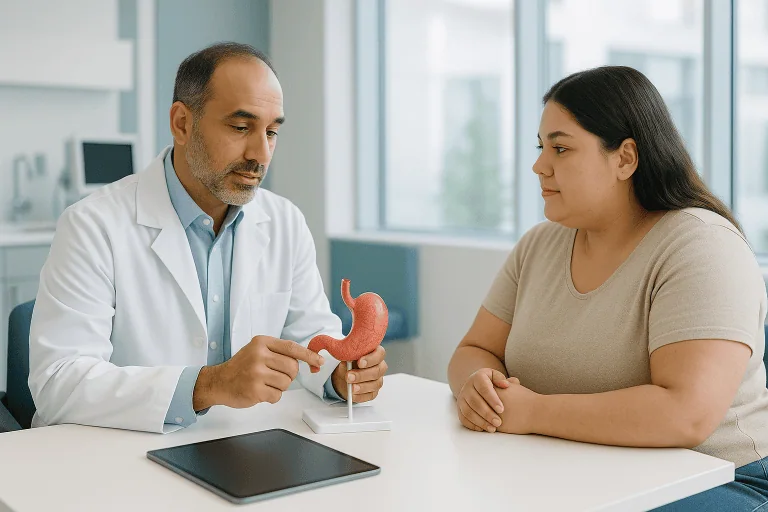
Sleeve gastrectomy, also called gastric sleeve surgery, is a bariatric procedure in which a large portion of the stomach is removed, leaving a narrower, tube-shaped stomach. The remaining stomach resembles a sleeve, which is how the operation gets its name. The procedure is most often performed laparoscopically, using small incisions and specialized instruments rather than one large open incision.
The operation works in two main ways. First, it reduces the amount of food the stomach can comfortably hold, helping patients feel full with smaller portions. Second, removing part of the stomach affects hormones involved in hunger, appetite, and blood sugar regulation. Many patients notice reduced hunger after surgery, especially in the early months. These changes can make it easier to follow a structured nutrition plan and achieve meaningful weight loss.
Unlike gastric bypass surgery, sleeve gastrectomy does not reroute the intestines. Food follows the usual path from the esophagus into the stomach and then into the small intestine. Because the intestines are not bypassed, the risk of certain malabsorption problems may be lower than with some other bariatric operations. However, patients still need nutritional monitoring and may need supplements, because reduced food intake can affect vitamin, mineral, and protein levels.
Sleeve gastrectomy is considered irreversible because the removed portion of the stomach cannot be restored. For this reason, it should be chosen only after a detailed discussion with a bariatric surgeon and a multidisciplinary team. The team evaluates medical history, body mass index, obesity-related conditions, eating behavior, previous weight-loss attempts, psychological readiness, and any factors that could influence surgical risk or long-term success.
Who May Need Sleeve Gastrectomy?
Sleeve gastrectomy may be considered for adults with obesity when excess weight is contributing to current or future health risks and when non-surgical methods have not achieved adequate long-term weight control. Eligibility is usually based on body mass index, obesity-related diseases, overall health, and readiness to make permanent lifestyle changes. Some adolescents with severe obesity may also be evaluated in specialized programs, but this requires particularly careful assessment and family involvement.
Patients who consider sleeve gastrectomy often have more than a number on a scale. They may experience shortness of breath with activity, joint pain, reduced mobility, fatigue, sleep apnea, reflux symptoms, high blood pressure, insulin resistance, type 2 diabetes, fatty liver disease, fertility concerns, or difficulty maintaining weight loss despite repeated efforts. Others seek surgery because obesity is limiting their ability to work, travel, exercise, or participate comfortably in daily life.
Diagnosis and evaluation begin with a detailed medical consultation. The bariatric team reviews weight history, previous diet or medication programs, current medications, eating patterns, alcohol and tobacco use, sleep quality, mental health, and family history. Laboratory tests typically assess blood count, kidney and liver function, glucose control, thyroid function, vitamin and mineral levels, and other risk markers. Depending on the patient’s history, additional tests may include heart evaluation, lung assessment, sleep apnea screening, abdominal imaging, or upper gastrointestinal endoscopy.
Endoscopy may be recommended to evaluate the esophagus and stomach, particularly if the patient has reflux, difficulty swallowing, anemia, a history of ulcers, or other digestive symptoms. This matters because significant gastroesophageal reflux disease, hiatal hernia, or certain stomach conditions can influence the choice of procedure. In some patients, gastric bypass or another operation may be more suitable than sleeve gastrectomy.
A nutrition evaluation is also essential. Patients learn how eating will change before and after surgery, including protein intake, hydration, portion size, meal timing, avoidance of carbonated beverages, and vitamin supplementation. Psychological or behavioral assessment is not meant to judge the patient; it helps identify eating patterns, depression, anxiety, trauma, binge eating, or stress-related behaviors that may need support before and after surgery. Bariatric surgery changes the body, but long-term progress depends on the whole care plan.
Conditions and Indications Sleeve Gastrectomy Can Address
Sleeve gastrectomy is used to treat obesity and reduce obesity-related health risks. It may be part of the treatment plan for people with severe obesity, or for those with lower degrees of obesity when weight-related conditions are present and surgery is medically appropriate under current guidelines.
Common indications include obesity associated with type 2 diabetes, high blood pressure, obstructive sleep apnea, abnormal cholesterol or triglyceride levels, nonalcoholic fatty liver disease, polycystic ovary syndrome, infertility related to obesity, urinary stress incontinence, joint pain caused or worsened by excess weight, and reduced mobility. In some patients, weight loss before orthopedic surgery, fertility treatment, hernia repair, or organ transplantation may be medically important, though timing must be carefully coordinated.
Sleeve gastrectomy can improve metabolic health for many patients, including better blood sugar control and reduced need for some medications. However, results vary. Diabetes duration, pancreatic function, medication use, age, genetics, weight-loss response, and adherence to follow-up all influence outcomes. Some conditions may improve substantially, while others may require continued treatment. A responsible bariatric program discusses both the potential benefits and the limitations before surgery.
Not every patient with obesity is a candidate for sleeve gastrectomy. Surgery may be postponed or avoided in people with uncontrolled psychiatric illness, active substance misuse, untreated eating disorders, severe medical conditions that make anesthesia unsafe, inability to participate in follow-up, or digestive findings that make another procedure more appropriate. Pregnancy is also not a time for bariatric surgery; women planning pregnancy are usually advised to avoid conception for a period after surgery so weight and nutrition can stabilize.
How Sleeve Gastrectomy Is Performed
Preparation Before Surgery
Preparation begins with confirming that sleeve gastrectomy is the right operation for the patient. After the initial consultation and diagnostic workup, the bariatric team reviews the findings and explains the surgical plan. Patients receive instructions about medications, smoking cessation, alcohol use, nutrition, physical activity, and what to expect during hospitalization. Blood thinners, diabetes medications, and certain supplements may need adjustment under medical supervision.
Many patients are asked to follow a preoperative diet for a short period before surgery. The purpose is to reduce liver size and intra-abdominal fat, which can make laparoscopic access safer and technically easier. This diet is usually high in protein and low in calories and carbohydrates, but the exact plan depends on the patient’s condition and the surgeon’s protocol.
Before surgery, the anesthesia team evaluates airway, heart and lung status, medication allergies, previous anesthesia experiences, and risk factors such as sleep apnea. International patients also receive guidance about arrival timing, preoperative appointments, hospital admission, and recommended length of stay after discharge before flying home. Travel planning is part of safety; the first days after surgery are important for hydration, mobility, and monitoring.
During the Procedure
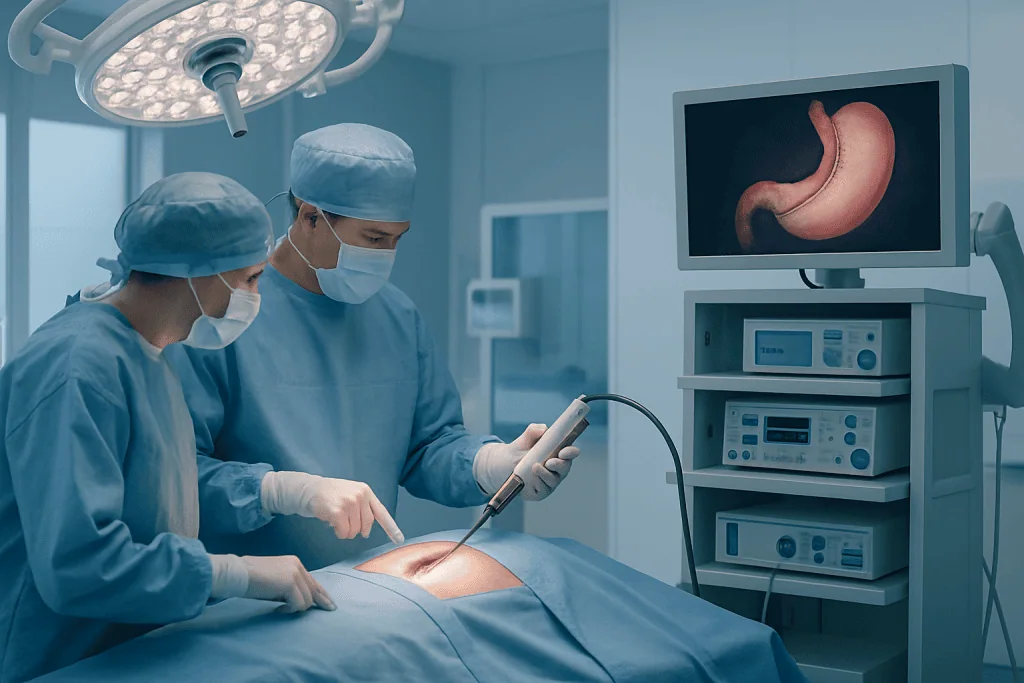
Sleeve gastrectomy is performed under general anesthesia. The surgeon usually makes several small incisions in the abdomen. Through these incisions, a camera and long surgical instruments are inserted. Carbon dioxide gas is used to gently expand the abdomen, giving the surgeon space to see and work.
The surgeon carefully separates the outer curve of the stomach from surrounding tissues and blood vessels. A sizing tube may be placed through the mouth into the stomach by the anesthesia team to help guide the shape and width of the sleeve. The surgeon then uses specialized stapling instruments to divide the stomach vertically, removing the larger outer portion and leaving a narrow stomach tube. The removed stomach segment is taken out through one of the small incisions.
The staple line is inspected carefully. Depending on the surgeon’s assessment and protocol, additional steps may be taken to reinforce or check the staple line. Some teams perform a leak test during surgery. If a hiatal hernia is identified and sleeve gastrectomy remains appropriate, it may be repaired during the same operation. The instruments are removed, the gas is released, and the small incisions are closed.
The procedure often takes one to two hours, although the duration can vary depending on body shape, previous abdominal surgery, liver size, adhesions, hernia repair, and other medical factors. Patients then move to a recovery area, where nurses and physicians monitor breathing, pain control, nausea, heart rate, blood pressure, and early mobility.
Technology and Safety Measures Used
Modern sleeve gastrectomy relies on laparoscopic visualization, energy devices for precise tissue handling, surgical stapling systems, anesthesia monitoring, and perioperative protocols designed to reduce complications. High-resolution camera systems help the surgical team view small anatomical structures clearly. Laparoscopic instruments allow surgery through small incisions, which may reduce pain, wound complications, and recovery time compared with open surgery in appropriate patients.
Patient safety also depends on processes rather than devices alone. These include careful preoperative risk assessment, prevention of blood clots, antibiotic protocols when indicated, sterile technique, anesthetic monitoring, early mobilization, hydration management, and postoperative observation for warning signs. In bariatric surgery, early recognition of complications such as bleeding, leak, dehydration, or pulmonary problems is critical. A structured hospital pathway helps patients move safely from surgery to recovery.
Hospital Stay and Early Recovery
After surgery, patients are encouraged to walk as soon as it is safe. Early walking helps reduce the risk of blood clots and supports lung function. Pain is usually managed with medication, and many patients describe discomfort as pressure, soreness, or gas-related shoulder pain rather than sharp abdominal pain. Nausea can occur and is treated promptly because hydration is essential.
Most patients begin with small sips of clear liquids, advancing according to the bariatric team’s protocol. The stomach is swollen immediately after surgery, so intake is intentionally slow and measured. Patients are taught how to drink without overfilling the sleeve, how to recognize fullness, and how to avoid dehydration. They also receive written dietary instructions for the next stages: liquids, pureed foods, soft foods, and eventually textured solid foods.
Hospital stay is commonly short, but it depends on the patient’s recovery, medical conditions, and travel plans. International patients may be advised to remain nearby for several days after discharge so the surgical team can assess hydration, incision healing, tolerance of fluids, and overall stability before long-distance travel. Flying too soon after surgery may increase discomfort and complicate access to immediate care if a problem develops.
Nutrition After Sleeve Gastrectomy
Nutrition is one of the most important parts of sleeve gastrectomy care. In the first weeks, the focus is hydration, protein, and gentle progression through food textures. Patients must take small sips, eat slowly, stop at the first sign of fullness, and avoid drinking large amounts with meals. Carbonated drinks, high-sugar liquids, and alcohol can cause discomfort and interfere with progress.
Longer term, patients typically eat small, protein-focused meals and include vegetables, fruits, whole grains, and healthy fats as tolerated. Vitamin and mineral supplementation may include a bariatric multivitamin, calcium with vitamin D, vitamin B12, iron, and other supplements based on blood test results. Regular monitoring is necessary because deficiencies can develop even when patients feel well.
Physical activity is introduced gradually. Walking begins early, while more strenuous exercise and lifting are delayed until the surgeon confirms it is safe. Over time, resistance training can help preserve muscle mass during weight loss, and aerobic activity supports cardiovascular health and weight maintenance.
Why Acting Early Matters
Obesity is a chronic, progressive medical condition for many people. Delaying treatment can allow weight-related diseases to advance, sometimes quietly. Type 2 diabetes may become harder to control over time. Sleep apnea can strain the heart and increase daytime fatigue. Fatty liver disease can progress in some patients. Joint damage may worsen, reducing mobility and making exercise more difficult. High blood pressure and abnormal cholesterol can increase cardiovascular risk.
Acting early does not always mean choosing surgery immediately. It means seeking a serious medical evaluation before complications become more advanced. Some patients may benefit from medication, structured lifestyle therapy, endoscopic procedures, or another bariatric operation. Others may be good candidates for sleeve gastrectomy. The key is to identify the safest and most effective path based on evidence, not frustration or urgency alone.
Delaying care may also affect surgical planning. Higher surgical risk, uncontrolled blood sugar, untreated sleep apnea, severe reflux, nutritional deficiencies, or heart and lung problems can require additional preparation. Early evaluation gives the medical team time to optimize these issues before surgery, which may reduce risk and improve recovery.
Potential Benefits of Sleeve Gastrectomy
The benefits of sleeve gastrectomy vary by patient, but the procedure is designed to support weight loss and improve health when combined with long-term medical and lifestyle follow-up.
| Benefit | What It Means for You |
|---|---|
| Significant weight loss support | A smaller stomach and appetite-related hormonal changes can help you feel satisfied with smaller portions and maintain a structured eating plan. |
| Improvement in obesity-related conditions | Many patients experience better blood sugar control, blood pressure, sleep apnea symptoms, mobility, or cholesterol levels, although medication needs and results vary. |
| Laparoscopic approach | Small-incision surgery may allow less wound discomfort, shorter hospitalization, and a faster return to normal activities than open surgery for suitable patients. |
| No intestinal rerouting | Food continues through the normal digestive pathway, which may be appropriate for patients who do not need or should not have intestinal bypass. |
| Better mobility and daily function | As weight decreases, many patients find walking, exercise, travel, work, and daily tasks more manageable. |
| Long-term metabolic care pathway | Follow-up visits, nutrition planning, and lab monitoring help identify issues early and support weight maintenance over time. |
Recovery Timeline After Sleeve Gastrectomy
Recovery is individual, but most patients move through a structured pathway that protects the new stomach shape while supporting hydration, nutrition, and safe activity.
| Time Period | What Patients Can Expect |
|---|---|
| Day 1 | Monitoring in the recovery area or hospital room, early walking, pain and nausea control, breathing exercises, and beginning small sips of fluid if approved. |
| First Week | Focus on hydration, liquid nutrition, gentle walking, incision care, and recognizing warning signs such as fever, worsening abdominal pain, rapid heartbeat, shortness of breath, or inability to drink. |
| First Month | Gradual progression from liquids to pureed and soft foods according to the diet plan, increasing energy levels, continued weight loss, and follow-up with the bariatric team. |
| Three to Six Months | Ongoing weight loss, more regular exercise, adjustment to smaller meals, lab monitoring when indicated, and refinement of eating behaviors. |
| Longer Term | Weight stabilization over time, continued vitamin supplementation, periodic medical review, and attention to habits that help prevent weight regain. |
Factors That Influence Outcomes
A good result after sleeve gastrectomy depends on more than the technical success of the operation. Surgical experience matters, but so do patient selection, preparation, follow-up, nutrition, physical activity, sleep, mental health, and treatment of obesity-related diseases. Patients who attend follow-up appointments, monitor laboratory values, meet protein and fluid goals, and address emotional eating patterns often have a stronger foundation for long-term progress.
Starting body mass index, age, sex, genetics, metabolic health, diabetes duration, medications, mobility limitations, and previous abdominal surgery can all influence weight loss and recovery. Some patients lose weight rapidly in the first months and then more gradually. Others experience plateaus. A plateau does not always mean failure; it may be part of the body’s adjustment. The care team can review food intake, activity, sleep, medication effects, and laboratory results to identify modifiable factors.
Reflux is an important consideration. Sleeve gastrectomy can improve reflux in some patients, but it can worsen or cause reflux in others. Patients with severe reflux or certain esophageal conditions may be advised to consider another bariatric procedure. Careful preoperative assessment helps reduce the chance of choosing an operation that does not match the patient’s digestive anatomy and symptoms.
Complications are uncommon in experienced programs, but they can occur. Possible risks include bleeding, infection, blood clots, leak from the staple line, narrowing of the sleeve, reflux, nausea, vomiting, dehydration, nutritional deficiencies, gallstones during rapid weight loss, and weight regain over time. Patients should understand warning signs and have a clear plan for contacting the medical team. For international patients, coordination with a local physician after returning home can be helpful, especially for lab monitoring and medication adjustments.
Long-term success also requires a shift in the relationship with food. Sleeve gastrectomy helps reduce capacity and appetite, but it does not remove the influence of stress, sleep deprivation, high-calorie liquids, grazing, alcohol, or sedentary habits. Behavioral support, nutrition education, and realistic planning for work, travel, family meals, and social events can make the new lifestyle more sustainable.
Why International Patients Choose Acibadem for Sleeve Gastrectomy
For patients traveling from abroad, bariatric surgery requires both medical confidence and careful coordination. Acibadem Hospitals in Turkey provide sleeve gastrectomy within a hospital-based environment where surgical care, anesthesia, diagnostic services, and postoperative monitoring are integrated. The group’s JCI-accredited hospitals follow international quality and safety standards, and treatment planning is guided by evidence-based protocols adapted to each patient’s medical profile.
Bariatric care at Acibadem typically involves more than one physician. Depending on the patient’s needs, the care team may include bariatric surgeons, anesthesiologists, endocrinologists, gastroenterologists, cardiologists, pulmonologists, dietitians, psychologists, radiologists, and specialized nursing staff. This multidisciplinary approach is particularly important for patients with type 2 diabetes, sleep apnea, heart risk factors, liver disease, reflux, previous surgery, or complex medication needs.
Before surgery, international patients can share medical records for review and may receive guidance about which tests are needed before travel and which will be completed after arrival. This helps reduce uncertainty and allows the team to identify issues that might change the treatment plan. In some cases, the recommended procedure may shift from sleeve gastrectomy to another bariatric option if the evaluation suggests it would be safer or more appropriate. A responsible program does not treat every patient the same way; it matches the operation to the person.
Acibadem’s international patient services support communication and logistics for patients and families traveling to Turkey. Services may include assistance with appointment scheduling, hospital admission, translation and interpretation in many languages, coordination of medical documents, and guidance during the treatment journey. For patients who are anxious about receiving care in another country, clear communication is part of clinical safety as well as comfort.
The hospitals use modern diagnostic and surgical technologies that support minimally invasive bariatric care, including advanced imaging, endoscopy, laparoscopic operating systems, anesthesia monitoring, and laboratory services for metabolic and nutritional assessment. These tools help physicians evaluate risk, perform the operation through small incisions when appropriate, and monitor recovery in the early postoperative period.
Experienced physicians are important, but so is continuity. Bariatric surgery is not finished when the patient leaves the operating room. Patients need instructions they can follow at home, a staged nutrition plan, medication guidance, warning signs, and a follow-up schedule. International patients should also know when they can fly, how to prevent dehydration during travel, how to move safely during long flights, and when to seek urgent care. Acibadem’s teams help patients prepare for these practical details before discharge.
Personalized treatment planning is especially valuable in sleeve gastrectomy because obesity does not have one cause and surgery does not have one outcome. A patient with long-standing diabetes, severe reflux, and sleep apnea may need a different approach than a younger patient with polycystic ovary syndrome and no reflux symptoms. A patient with prior abdominal surgery may need additional imaging or a modified operative plan. A patient traveling alone may need different discharge planning than one traveling with family. These distinctions are part of safe, thoughtful bariatric care.
Taking the Next Step
Sleeve gastrectomy can be an important treatment option for eligible patients living with obesity and related health concerns. It can help reduce hunger, limit portion size, support substantial weight loss, and improve metabolic health for many people. It also asks for lasting participation: new eating habits, regular follow-up, vitamin and mineral monitoring, physical activity, and attention to emotional and behavioral patterns that affect weight.
If you are considering sleeve gastrectomy abroad, the most useful next step is a comprehensive medical review. A bariatric specialist can evaluate your history, current health conditions, previous weight-loss attempts, digestive symptoms, medications, and goals. From there, you can discuss whether sleeve gastrectomy is appropriate, whether another treatment may be better, what preparation is needed, and how recovery can be planned around travel.
Acibadem International can help prospective patients request a consultation or second opinion and understand the medical pathway before making a decision. The purpose of this conversation is not only to answer whether surgery is possible, but to help you decide whether it is the right and safest option for your long-term health.
This information is general and educational. It is not a substitute for professional medical advice, diagnosis, or treatment from a qualified healthcare provider who can evaluate your individual condition.
Preparation
- Before sleeve gastrectomy, patients undergo medical evaluation, blood tests, imaging, anesthesia assessment, and nutritional counseling. A preoperative diet may be recommended to reduce liver size and surgical risk. Smoking cessation, medication review, and fasting instructions are provided by the care team.
Aftercare
- After surgery, patients follow a staged diet that progresses from liquids to soft foods and then small balanced meals. Regular follow-up with the bariatric team and dietitian is important to monitor weight loss, hydration, vitamin levels, and recovery. Light activity usually starts early, while strenuous exercise is resumed gradually with medical approval.
Frequently Asked Questions
What affects the cost of sleeve gastrectomy?
The final cost depends on your medical condition, required tests, surgeon and hospital factors, anaesthesia assessment, length of stay, aftercare plan, and whether travel, translation, and accommodation support are included. A personalised quote can be prepared after a free consultation and review of your medical information.
How can I get a personalised quote?
You can request a free consultation and share your medical history, current weight and height, previous treatments, medications, and any obesity-related conditions. The bariatric team will advise whether sleeve gastrectomy is appropriate and what the proposed package includes.
Does a sleeve gastrectomy package include follow-up care?
Package inclusions vary by hospital and patient pathway. Follow-up guidance may include surgeon review, dietitian advice, medication instructions, wound care advice, and coordination with your local doctor after you return home.
Is the lowest quote the best option?
Not necessarily. Patients should compare what is included, the hospital accreditation, bariatric team experience, anaesthesia support, emergency readiness, language services, and follow-up planning. This information is general and is not medical or financial advice.
Will insurance cover sleeve gastrectomy abroad?
Coverage depends on your insurer, policy terms, medical eligibility, and country of care. Some patients are self-funded, while others may need prior approval. You should confirm coverage directly with your insurer before making travel plans.
Medically reviewed by the Acıbadem International Medical Board June 20, 2026
See our medical review board →
Update history
- PublishedJune 8, 2026
- Medical review approvedJune 20, 2026
- Last content updateJune 8, 2026
References1
- Gastric sleeve surgery medlineplus.gov
Planning tools for this treatment
Indicative figures for orientation only: your written plan and quote follow a free medical review.
Trusted care for international patients
Gastric sleeve costsledger-based guide ranges, or browse the full Turkey Medical Price Index.
From the Acibadem Blog

Inside a Sleeve Gastrectomy: Stapling the Stomach, Checking for Leaks and Closing Up
A sleeve gastrectomy removes roughly 80% of the stomach through several small keyhole incisions. Under general anesthesia, the surgeon frees the stomach's outer curve,…