Surgical Oncology
Surgical oncology focuses on removing cancerous tumors and nearby affected tissue, often as part of a multidisciplinary cancer care plan including imaging, pathology, chemotherapy or radiotherapy.
Quick answer
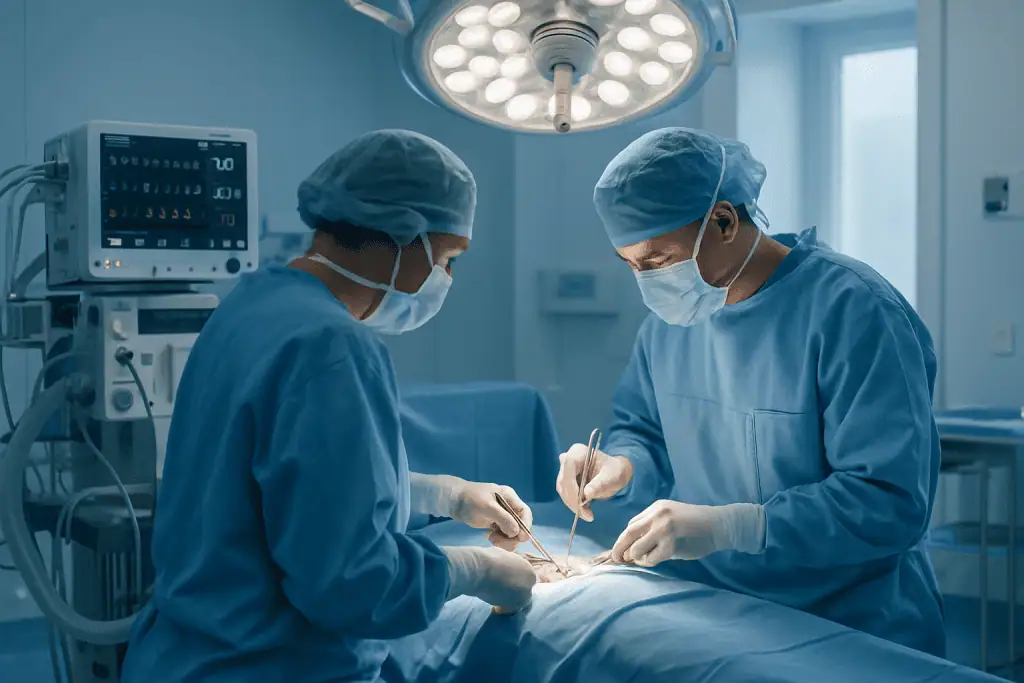
Surgical oncology is the branch of surgery focused on diagnosing, staging and removing cancer. It includes biopsies, operations that remove tumours with a margin of healthy tissue, lymph node assessment, symptom-relieving procedures and reconstruction. The operation is planned alongside chemotherapy, radiotherapy or other treatments by a multidisciplinary team, and the exact approach depends on the tumour type, its stage and your general health.
Surgical Oncology: What It Is and Why It Matters
Surgical oncology is the branch of surgery devoted to diagnosing, staging and removing cancer. It covers everything from a needle biopsy that confirms what a tumour actually is, to major operations that remove a tumour together with nearby lymph nodes, to smaller procedures that relieve pain or obstruction when a cancer cannot be removed. Alongside drug treatment and radiotherapy, surgical oncology is one of the central pillars of modern cancer care.
Hearing that surgery may be part of your cancer treatment raises many questions at once. Can the tumour be removed completely? How will the operation change the way your body works? Will you need chemotherapy or radiotherapy as well, and in which order? How long before you can return to work, travel and daily life? This page works through each of those questions in turn, plainly and without exaggeration.
For many solid tumours, an operation is the most direct way to remove cancer while it is confined to one area, or to reduce the burden of disease as part of a combined treatment plan. Surgery may also be needed to confirm a diagnosis, establish the stage of a cancer, relieve symptoms or restore form and function after tumour removal.
The goal is never simply to “operate”. Good cancer surgery depends on careful planning, detailed imaging, precise pathology, thoughtful reconstruction where it is needed, and close coordination with medical oncology, radiation oncology, radiology, nuclear medicine, genetics, rehabilitation, nutrition and supportive care. At Acibadem, surgical oncology sits within an integrated cancer pathway: each case is assessed according to tumour type, stage, general health, personal priorities and internationally accepted treatment protocols, so the operation, if one is recommended, fits into a coherent whole rather than standing alone.
What Is the Meaning of Surgical Oncology?
Surgical oncology means the surgical treatment of cancer: the use of operations to diagnose tumours, establish how far they have spread, remove them with appropriate margins and manage the complications they cause. The distinction from routine surgical practice matters, because cancer does not behave like benign disease. A surgeon removing a tumour must think about microscopic spread, lymphatic drainage, the biology of the specific cancer and how the operation will interact with every other treatment the patient receives.
In many cancers, surgery is performed with curative intent, meaning the aim is to remove all detectable disease while the tumour is confined to one area. In other situations, surgery is one component of a combined plan. Chemotherapy, immunotherapy, targeted therapy, hormone therapy or radiotherapy may be given before the operation to shrink the tumour, after the operation to reduce the chance of recurrence, or both. In selected cases, surgery is performed not to remove the cancer entirely but to relieve pain, obstruction, bleeding or pressure caused by advanced disease.
Surgical oncology also includes procedures that define the disease rather than treat it. A biopsy, lymph node sampling or staging operation provides tissue for pathology and molecular testing. Those results can change the entire strategy, including whether surgery should happen first, or whether another treatment is the better opening move.
The surgical approach depends on the cancer’s location, size and spread, and on your general condition. Some tumours can be removed through minimally invasive techniques such as laparoscopy, thoracoscopy, endoscopy-assisted surgery or robot-assisted surgery. Others need open surgery to achieve safe access and complete removal. In certain cases, reconstructive surgery is performed during the same operation, or as a planned later stage, to restore appearance and function.
What does a surgical oncologist do?
A surgical oncologist diagnoses, stages and operates on cancer, and plans every operation as one part of a wider treatment strategy. In practice, that means removing tumours with an appropriate rim of healthy tissue, assessing or removing lymph nodes when the cancer type calls for it, obtaining tissue for pathology, performing risk-reducing or symptom-relieving procedures, and protecting function and appearance as far as the disease allows. A surgical oncologist also decides, usually together with a tumour board, when an operation is not the right next step: when drug treatment or radiotherapy should come first, or when surgery would carry more risk than benefit. That judgement, as much as technical skill, is what defines the field.
What is the difference between an oncologist and a surgical oncologist?
A medical oncologist treats cancer with drugs, chemotherapy, immunotherapy, targeted therapy and hormone therapy, while a surgical oncologist treats cancer with operations. A third specialist, the radiation oncologist, treats cancer with radiotherapy. The word “oncologist” on its own usually refers to the medical oncologist, who often coordinates the overall plan and long-term follow-up. In well-organised cancer care these three roles work together rather than in sequence: the order of treatments is decided jointly, based on the tumour type and stage. You can read more about how the non-surgical side of treatment works on our oncology and cancer treatment page.
Is oncology a surgical specialty, and what does “surg onc” mean?
Oncology as a whole is not a surgical specialty, but surgical oncology, often shortened to “surg onc” in hospital settings, is a recognised surgical field in its own right. Medical oncology and radiation oncology are non-surgical disciplines; surgical oncology is the operative arm of cancer care, usually built on top of full training in general surgery or in an organ-specific surgical field. So if you have wondered whether surgical oncology is a specialty, the honest answer is yes: in many countries it is a formal subspecialty with its own fellowship training, and in others it describes surgeons whose practice is dedicated to cancer within their organ system, breast, gastrointestinal, hepatobiliary, thoracic, gynaecological, urological, endocrine, or head and neck.
What are the main types of cancer surgery?
Cancer operations are usually grouped by purpose rather than by technique. Diagnostic surgery obtains tissue so pathologists can identify the tumour precisely, from needle biopsies to open biopsies when more tissue is required. Staging surgery maps how far the disease extends, for example by examining lymph nodes or the lining of the abdomen. Curative surgery aims to remove all detectable cancer, usually together with a margin of healthy tissue. Debulking, or cytoreductive, surgery removes as much of a tumour as can safely be taken when complete removal is not feasible, so that chemotherapy or radiotherapy can work against a smaller volume of disease; it plays an established role in selected cancers such as ovarian cancer. Palliative surgery relieves symptoms, an obstructed bowel, a bleeding tumour, pressure on a nerve, without attempting to remove the disease entirely. Preventive, or prophylactic, surgery removes tissue at high risk of becoming cancerous in people with strong inherited predispositions, always after genetic counselling. Reconstructive surgery restores form and function after tumour removal, and supportive procedures, such as placing a port for chemotherapy or a feeding tube, make other treatments safer and more comfortable. One patient’s pathway may involve several of these at different points, which is another reason planning happens as a whole rather than one operation at a time.
Who May Need Cancer Surgery?
Cancer surgery is usually considered after an imaging study, biopsy, screening test or specialist evaluation identifies a solid tumour that can, or might, be removed. Some patients arrive with a confirmed diagnosis and need an expert view on whether the tumour is operable. Others seek a second opinion because they have been told the operation would be complex, high-risk or not possible where they live. Both situations are common, and both deserve a careful, unhurried assessment rather than a quick yes or no.
The findings that lead to a surgical oncology evaluation vary widely by cancer type. Some tumours cause no symptoms at first and are found through screening, or on imaging performed for an unrelated reason. Others cause persistent or progressive changes. Typical examples include:
- A breast lump or abnormal mammogram: may lead to biopsy and a discussion of lumpectomy, mastectomy, sentinel lymph node biopsy or reconstruction.
- Changes in bowel habits, blood in the stool or unexplained anaemia: may suggest colorectal cancer and prompt colonoscopy, biopsy, imaging and surgical planning.
- Difficulty swallowing, persistent abdominal pain, jaundice or weight loss: may be associated with gastrointestinal, pancreatic, liver or biliary cancers.
- A thyroid nodule, neck mass or enlarged lymph node: may require ultrasound, needle biopsy and evaluation for thyroid or head and neck cancer surgery.
- A suspicious skin lesion or soft tissue mass: may need excision, biopsy, lymph node assessment or specialised sarcoma management.
- A cough, chest findings or a lung nodule on imaging: may prompt evaluation for lung biopsy or lung cancer surgery.
- A pelvic mass, abnormal bleeding or ovarian findings: may lead to gynaecological cancer surgery, staging and combined treatment planning.
Diagnosis typically begins with a detailed history, physical examination, imaging and pathology. Imaging may include ultrasound, computed tomography, magnetic resonance imaging, mammography, endoscopic imaging, nuclear medicine scans or positron emission tomography where appropriate. Pathology confirms the cancer type and may include immunohistochemistry or molecular testing to identify features that shape treatment. In modern cancer care, diagnosis is not only about naming the cancer. It is about understanding how aggressive it appears, exactly where it sits, whether it has spread, and which sequence of treatments is most likely to help you specifically.
A specialist surgical consultation carries particular weight when the tumour lies near major blood vessels, nerves, organs or functional structures; when previous surgery or treatment has changed the anatomy; when reconstruction may be needed; or when it is genuinely unclear whether the operation should come before or after systemic therapy or radiotherapy. In each of these situations, the sequencing decision can matter as much as the operation itself.
Conditions Treated With Oncological Surgery
Oncological surgery plays a role in the care of most solid tumours, although that role differs sharply by cancer biology and stage. For some cancers, an operation is the main treatment. For others, it is one component of a coordinated plan built to improve local control, relieve symptoms or obtain tissue for diagnosis.
Common indications include breast cancer, colorectal cancer, stomach cancer, pancreatic cancer, liver tumours, bile duct and gallbladder cancers, thyroid cancer, melanoma, sarcoma, gynaecological cancers, urological tumours and endocrine tumours. Tumours of the lung and chest are managed within thoracic surgery, while selected tumours of the mouth, throat, larynx and neck fall under head and neck cancer surgery. Surgical oncologists also manage metastatic disease in carefully selected situations, for example, liver metastases from colorectal cancer, or an isolated metastatic lesion where removing it forms part of a broader strategy agreed with the oncology team.
The operation itself may involve removing the primary tumour, removing nearby lymph nodes, taking tissue samples, treating cancer that has returned, or relieving complications such as obstruction or bleeding. In some patients, the indication is preventive: people with certain inherited cancer syndromes may consider risk-reducing surgery to lower the chance of developing cancer in the future. Decisions of that kind are never routine: they require genetic counselling, time and an individualised weighing of benefit against consequence.
Because cancer treatment is increasingly personalised, surgical decisions are usually made within a multidisciplinary tumour board. Surgeons, medical oncologists, radiologists, pathologists, radiation oncologists and other specialists review the case together and agree on the most appropriate sequence. For a patient arriving with scans and reports from several institutions, this coordinated review is especially valuable, because it turns them into a single, coherent plan.
How Surgical Oncology Is Performed
Evaluation and Treatment Planning
The surgical process begins well before the day of the operation. Your team reviews the diagnosis, pathology, imaging, current medications, previous treatments, medical history and your own goals. Medical records are usually reviewed in advance so the first consultation can be planned efficiently, biopsy reports, imaging files, operative notes, laboratory results and oncology treatment summaries all contribute.
Further tests may be recommended to clarify the stage of the cancer or to assess your readiness for anaesthesia and surgery. In broad terms, the planning sequence looks like this:
- Step 1, confirm the diagnosis: pathology review, and repeat biopsy if the existing tissue does not answer the necessary questions.
- Step 2, complete staging: blood tests, imaging, endoscopy or nuclear medicine scans to map exactly where the disease is and is not.
- Step 3, assess fitness: heart and lung evaluation, and review of any other conditions that affect anaesthesia or healing.
- Step 4, decide the sequence: the tumour board weighs whether surgery should come first, or whether chemotherapy, immunotherapy, targeted therapy or radiotherapy should precede it. Molecular profiling can inform this decision in certain cancers.
- Step 5, agree the plan with you: the goal of surgery, the expected extent of tissue removal, lymph node evaluation, reconstruction options, risks, recovery time and alternatives are all discussed openly.
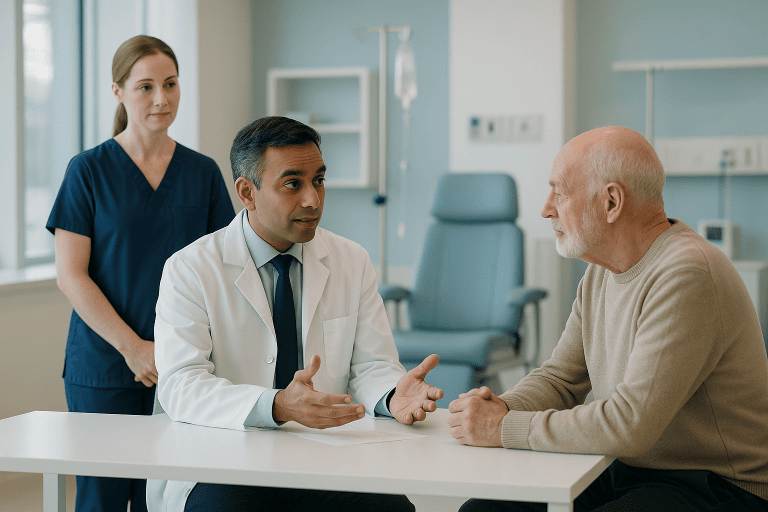
Good cancer surgery includes informed decision-making. You should understand not only what the surgeon plans to do, but why that plan is recommended and how it fits into your overall cancer care. If any part of the reasoning is unclear, it is entirely reasonable to keep asking until it is not.
Preparation Before Surgery
Preparation depends on the procedure. You may be asked to avoid food and drink for a defined period, complete bowel preparation before some colorectal operations, or meet anaesthesia, nutrition, rehabilitation or stoma care specialists in advance. Any decision about pausing, adjusting or continuing your regular medicines, including blood thinners, belongs to your treating doctors, who will give you specific written instructions rather than general advice.
Some factors are worth addressing early because they influence healing. Stopping smoking before surgery supports wound healing and lung function. Diabetes control, blood pressure, anaemia and nutritional status can often be improved in the weeks before an operation, and doing so tends to make the whole experience smoother. This preparation phase, sometimes called prehabilitation, is one of the quiet determinants of how recovery goes.
Preparation has a practical side as well: arranging time away from work, organising support at home for the first weeks, and deciding how long to remain near the hospital after discharge. That period varies with the cancer type, the complexity of the procedure, how recovery progresses and whether additional treatment is planned. Building flexibility into your plans is sensible; recovery does not always follow the calendar.
The Operation Itself
On the day of surgery, the anaesthesia team assesses you and prepares the safest appropriate anaesthetic plan. Most cancer operations are performed under general anaesthesia, although some smaller procedures use regional or local anaesthesia with sedation. Before the first incision, the surgical team confirms the procedure, the operative site, the imaging findings and any special considerations.
The surgeon then removes the tumour according to oncological principles. That usually means taking the tumour with a rim of normal tissue, the margin, to reduce the chance of leaving microscopic disease behind. Depending on the cancer, lymph nodes may be sampled or removed to establish whether it has spread. In breast cancer and melanoma, sentinel lymph node mapping identifies the first draining nodes so that only those need to be tested initially. In gastrointestinal and several other cancers, a formal lymph node dissection is part of standard staging and treatment.
Where it is both possible and appropriate, minimally invasive approaches are used. Laparoscopic, thoracoscopic, endoscopic and robot-assisted techniques let surgeons work through smaller incisions with magnified visualisation, which for selected patients can mean less blood loss, less postoperative discomfort and a shorter hospital stay. These methods are not suitable for every tumour, and no honest surgeon will promise them in advance of seeing the full picture. The priority is always safe and complete cancer removal; the incision size comes second.
For more complex tumours, open surgery may offer the best exposure and control, particularly when tumours are large, involve several organs or sit close to major vessels. In some operations, reconstruction happens in the same sitting: reconnecting the bowel after colon cancer surgery, rebuilding the breast after mastectomy, restoring soft tissue after sarcoma removal, or using vascular and organ-preserving techniques in selected cases. In others, reconstruction is deliberately staged for a later date, once healing and any further treatment allow.
Technology That Supports Precision and Safety
Modern cancer surgery relies on technology that helps the team understand anatomy, define tumour boundaries and monitor safety throughout. High-resolution imaging supports planning before surgery. Image-guided localisation helps find small or non-palpable tumours. Intraoperative ultrasound assists in liver, pancreatic and soft tissue procedures by showing structures beneath the surface. Endoscopic and minimally invasive camera systems provide magnified views of delicate anatomy.
Pathology support is just as important as imaging. During some operations, tissue is examined immediately through frozen section analysis, helping the surgeon assess margins or confirm tissue type while the patient is still on the table. Definitive pathology after surgery reports tumour size, grade, margins, lymph node status and biological markers: the findings that guide every decision about further treatment.
Other tools appear where the specific operation calls for them: nerve monitoring where important nerves are at risk, fluorescence or tracer-guided techniques for identifying lymph nodes or tissue, specialised energy devices that limit bleeding, and intensive monitoring systems for major operations. None of this replaces judgement. Technology is a clinical instrument: it sharpens planning, supports precision and helps the team respond to what they find.
How long does the operation take, and how long is the hospital stay?
It varies enormously, and any single figure would mislead you. A biopsy or small tumour excision may take under an hour; complex abdominal, thoracic, pelvic or reconstructive cancer surgery can run to several hours. Hospital stay ranges from same-day discharge after minor procedures to several days or longer after major operations. Some patients spend time in a higher-acuity unit after extensive surgery, particularly when the operation involves the chest, the abdomen, major blood vessels or multiple organ systems.
After the operation, the team concentrates on pain control, safe breathing, early movement, wound care, nutrition and the prevention of complications such as infection, blood clots or delayed bowel function. Drains, dressings, urinary catheters or temporary tubes may be in place depending on the procedure; they are removed as recovery progresses. Then comes one of the most important moments of the whole pathway: the final pathology report. It confirms exactly what was removed and shapes the recommendation on what, if anything, should follow: chemotherapy, radiotherapy, targeted therapy, immunotherapy, hormone therapy, structured surveillance or rehabilitation.
What are the risks of cancer surgery?
Like all major surgery, cancer operations carry risks, and an honest discussion of them is part of proper consent. General surgical risks include bleeding, infection, blood clots, reactions to anaesthesia and slower-than-expected wound healing. Specific risks depend on the operation: bowel surgery carries a risk that a new join in the intestine heals imperfectly; lymph node removal can lead to swelling known as lymphoedema in the affected limb; operations near nerves can affect movement, sensation or voice; and surgery on organs such as the liver, pancreas or lungs has risks particular to each. Your surgical team’s job is to explain which of these apply to you, how likely they are in your specific situation, what is done to prevent them and how they would be treated if they occurred. Age and general health influence risk, which is why the preoperative assessment is so thorough, and why some of the most valuable work happens before the operation, in optimising the conditions for healing.
It is also worth asking how complications are managed if they arise: whether intensive care support is available on site, how the team monitors for early warning signs, and how concerns after discharge are handled. Well-run surgical units treat complication planning as part of the operation itself, not as an afterthought.
Benefits of Surgical Oncology Treatment
What surgery can offer depends on the cancer type and stage, but the main ways an operation supports diagnosis, treatment and quality of life are summarised below.
| Benefit | What It Means for You |
|---|---|
| Removal of localised cancer | Surgery can remove the primary tumour and, in many early or localised cancers, is the central treatment performed with curative intent. |
| Accurate staging | Pathology from the tumour and lymph nodes shows how far the cancer has progressed and guides every further treatment decision. |
| Symptom relief | An operation can relieve obstruction, bleeding, pain or pressure caused by a tumour, even when complete removal is not the aim. |
| Integration with other therapies | Surgery is combined with chemotherapy, radiotherapy, immunotherapy, targeted therapy or hormone therapy in a planned sequence, not in isolation. |
| Preservation of function and appearance where possible | Careful planning may allow organ-sparing, nerve-sparing, minimally invasive or reconstructive approaches in selected patients. |
| A clearer long-term surveillance plan | Final pathology defines the follow-up: which scans, blood tests and clinic visits you need, and how recurrence or late effects will be monitored. |
Recovery Timeline After Cancer Surgery
Recovery depends on the operation, the cancer type, your age, your general health and any additional treatment, but for most patients it unfolds in recognisable stages.
| Time Period | What Patients Can Expect |
|---|---|
| Day 1 | Monitoring after anaesthesia, pain control, breathing exercises, early movement when safe, and a first review of how the operation went. |
| First week | Gradually increasing walking and nutrition, wound and drain care where needed, discharge planning, and clear instructions on activity limits. |
| First month | Improving energy and mobility, follow-up visits, review of the final pathology report, and planning for any additional therapy or surveillance. |
| Two to three months | Most routines return, although fatigue, scar sensitivity, digestive changes or rehabilitation needs can persist after major surgery. |
| Longer term | Ongoing surveillance, management of late effects, rehabilitation where needed, and continued coordination with your oncology team. |
If a long journey home is part of your plans, ask your surgeon when flying is medically reasonable after your particular operation and how to reduce the risks that long flights carry after surgery: our guide on compression socks for flying after surgery explains one of the most common recommendations in practical detail.
Two things about recovery deserve honesty. First, fatigue after major cancer surgery is normal and often lasts longer than patients expect; it fades gradually rather than suddenly. Second, recovery is rarely a straight line, good days and flat days alternate, and neither predicts the final result on its own.
Why Acting Early Matters
Cancer does not behave the same way in every person. Some tumours grow slowly; others are more aggressive. Even so, timely evaluation matters, because delay can allow a tumour to enlarge, invade nearby structures, spread to lymph nodes or become more difficult to remove. Early-stage cancers are often treatable with less extensive surgery, and more options for preserving function tend to remain open.
Acting early also protects the sequencing of treatment. In some cancers, the best first step is not immediate surgery but therapy before the operation, chemotherapy, immunotherapy, targeted therapy or radiotherapy given to shrink the tumour or treat microscopic spread. Postponing expert evaluation postpones that decision too, and can narrow the window in which the most appropriate strategy is available.
An early, thorough assessment is especially worthwhile when symptoms are progressing, when imaging shows a tumour near critical anatomy, when a biopsy has already confirmed malignancy, or when the treatment plan you have been given remains unclear to you. A timely second review of the diagnosis and staging can confirm the findings, identify missing tests and establish whether surgery belongs now, later or not at all.
Factors That Influence Outcomes and a Good Result
Several medical and practical factors shape how cancer surgery turns out, and it helps to understand them before rather than after treatment. Tumour stage is among the most important: cancers found before they have spread widely are generally more amenable to complete removal, though each cancer type has its own biology and expected course. Tumour grade, molecular features, lymph node involvement and the response to any preoperative therapy also matter.
Location matters too. A small tumour in a difficult position can be more challenging than a larger tumour somewhere safely accessible. Tumours close to major vessels, nerves, the airway, the digestive tract, the urinary system or the reproductive organs demand planning that balances cancer control against preservation of function, and that balance is discussed with you, not decided for you.
Complete removal with appropriate margins is another key factor. The margin required depends on the cancer: some tumours need wide margins, while others can be treated safely with narrower ones when surgery is combined with radiotherapy or systemic therapy. Lymph node evaluation feeds into staging and into decisions about further treatment.
Your general health plays a major role in recovery. Heart and lung function, kidney and liver function, diabetes control, nutrition, weight, smoking status, physical activity and previous treatments all influence surgical risk and healing. Patients who are medically optimised before surgery tend to have smoother postoperative courses, which is exactly why the preparation phase deserves as much attention as the operation.
Team coordination is equally decisive. A good result often depends on the right treatment arriving in the right order: rectal cancer may need radiotherapy or chemotherapy before surgery; some breast cancers benefit from drug therapy first; certain liver tumours call for interventional, medical or staged surgical approaches. Multidisciplinary review is what keeps these decisions aligned. And finally, follow-up matters. For many patients, surgery is not the end of cancer care, final pathology may lead to further therapy or structured surveillance, and rehabilitation, nutritional support, lymphoedema prevention, pain management and psychological support all contribute to long-term wellbeing.
Training and Expertise: How Long Is Surgical Oncology?
Many of the most-searched questions about surgical oncology are actually about the people who practise it, how they train, and how to judge their expertise. The answers are worth knowing even if you never plan to study medicine, because they explain what stands behind the title on a surgeon’s door.
How many years is surgical oncology training?
Becoming a surgical oncologist typically takes well over a decade: medical school, followed by a full surgical residency, in many countries around five years or more of general surgery, followed by a dedicated surgical oncology fellowship. The fellowship itself usually lasts two to three years, depending on the country and the programme, and concentrates on cancer biology, complex tumour operations, multidisciplinary planning and research. Some surgeons instead subspecialise within an organ system, hepatobiliary, colorectal, breast, endocrine, thoracic, head and neck, and build their cancer expertise there, which is why the exact title varies between hospitals and countries.
How competitive is surgical oncology?
Surgical oncology fellowships are considered among the more competitive surgical training pathways, because the number of dedicated programmes is small relative to the surgeons who want them, and because the field demands both technical range and research credentials. For you as a patient, the practical takeaway is simple: a surgeon who has completed this pathway has been through repeated selection for cancer-specific training, not only for general operative skill.
What should you look for in a surgical oncology surgeon?
A surgical oncology surgeon should be able to explain three things clearly: why this operation, why now, and what the alternatives are. Beyond formal training, look for experience with your specific tumour type, routine participation in multidisciplinary tumour boards, access to intraoperative pathology and reconstruction, and a willingness to say plainly what surgery cannot achieve as well as what it can. A surgeon who tells you honestly when an operation is not the right answer is showing you exactly the judgement you want in the operating theatre.
How Acibadem Approaches Surgical Oncology
At Acibadem hospitals, cancer cases are commonly evaluated through multidisciplinary boards or specialist meetings, depending on the diagnosis. Surgeons, medical oncologists, radiation oncologists, radiologists, nuclear medicine physicians, pathologists, genetic specialists and other relevant clinicians consider the case together. This structure is particularly useful when previous opinions differ, when the surgery is complex, or when the timing of treatment is uncertain.
The diagnostic pathway is supported by advanced imaging, interventional radiology, endoscopy, nuclear medicine and comprehensive pathology services, so the tumour is defined as accurately as possible before treatment begins. In the operating theatre, teams use minimally invasive approaches, image-guided techniques, intraoperative visualisation, nerve monitoring, frozen section pathology and reconstructive methods where each is appropriate, as clinical tools in service of a plan, not as selling points.
Because cancer surgery can cross anatomical boundaries, complex cases often involve several surgical disciplines working together. A patient with a pelvic tumour may need input from colorectal, urological, gynaecological, vascular or reconstructive surgeons; a patient with a liver or pancreatic tumour needs hepatobiliary expertise and close postoperative monitoring. Personalised planning does not mean more treatment: it means treatment tailored to the cancer’s biology, its stage, your medical condition and your priorities. Sometimes the recommendation is surgery first; sometimes it is another therapy first; in advanced disease, surgery is recommended only where it is expected to provide meaningful benefit, such as symptom control or better local disease management.
After surgery, patients receive detailed medical reports and follow-up recommendations that can be shared with their own oncologists and physicians, and where additional treatment is needed, the clinical teams clarify how it should be sequenced and where each part of it is best carried out, according to the patient’s medical and personal circumstances.
Second Opinions and Deciding Where to Have Surgery
A second opinion before cancer surgery is normal, common and worth taking seriously, most surgeons expect it, and a good one will not be offended by it. A useful second opinion reviews the pathology and imaging independently, checks that staging is complete, and answers the questions that matter most: Is the tumour removable? Should treatment begin with surgery or with another therapy? What are the realistic risks and the expected recovery? Will reconstruction be needed, now or later? What will the pathology report determine afterwards? How will follow-up be organised once treatment ends?
It also helps to think through whether an operation is the right choice at all in your situation. Not every tumour needs immediate surgery, and not every patient benefits from the most extensive operation available. Writing down the questions that matter to you before you commit, and asking each surgeon the same ones, makes their answers genuinely comparable.
Should you choose a surgical oncologist close to home or travel for treatment?
Looking for a surgeon close to home is how many people begin, and proximity does carry real advantages: easier follow-up visits, familiar language and healthcare systems, and family close by during recovery. But for complex or uncommon tumours, the surgeon’s specific experience with your cancer type, and the depth of the team around them, from pathology to reconstruction to intensive care, often matters more than the distance to the hospital. The honest framework is this: for straightforward operations, a well-trained local team is usually the sensible choice; for complex, borderline-operable or previously treated tumours, it can be worth travelling to a centre where such cases are routine. Whichever you choose, continuity is the non-negotiable part: a written surgical and pathology record, a clear follow-up schedule and a named oncology team responsible for what comes next.
Cancer surgery is a serious decision, but it does not have to be a confusing one. With an accurate diagnosis, complete staging, multidisciplinary planning, modern surgical technique and a clear plan for follow-up, you can understand what is being proposed, why it is being proposed, and what each path is likely to ask of you, which is exactly the position from which good decisions get made.
Preparation
- Before surgery, patients usually undergo imaging, blood tests, anesthesia assessment and cancer staging to plan the safest approach. Medications, smoking, alcohol use and fasting instructions are reviewed. Your care team explains whether open, laparoscopic or robotic surgery is appropriate.
Aftercare
- After surgery, pain control, wound care and early mobilization are closely monitored. Pathology results guide the next steps, which may include medical oncology or radiation oncology consultation. Follow-up visits are important to check healing and plan long-term surveillance.
Frequently Asked Questions
What affects the cost of surgical oncology treatment?
The final cost depends on the cancer type, tumour location, stage, required imaging and pathology, surgical approach, hospital stay, anaesthesia, intensive care needs and whether chemotherapy, radiotherapy or reconstruction is included. A personalised quote can be prepared after medical records are reviewed.
How can I get a personalised quote from Acibadem?
You can request a free consultation by sharing your diagnosis, pathology report, recent imaging, previous treatments and current medical summary. The oncology team reviews the records and recommends the most appropriate pathway before a quote is prepared.
Does a surgical oncology package include all cancer treatment?
A surgical package usually relates to the operation and standard hospital pathway, but inclusions vary by case. Chemotherapy, radiotherapy, advanced pathology, additional imaging, medicines after discharge and long-term follow-up may be quoted separately if needed.
Why can the quote change after arrival or after surgery?
The plan may change if new imaging, surgical findings, pathology results or postoperative needs show that additional care is required. Hospitals should explain any medically necessary changes and how they affect the care plan.
Is surgery always the first treatment for cancer?
Not always. Some cancers are treated first with chemotherapy, radiotherapy, targeted therapy or immunotherapy, while others are best managed with surgery at the beginning of treatment. The decision is made by specialists based on diagnosis, stage and overall health.
Medically reviewed by the Acıbadem International Medical Board September 13, 2026
See our medical review board →
Update history
- PublishedJune 8, 2026
- Medical review approvedSeptember 13, 2026
- Last content updateSeptember 12, 2026
Trusted care for international patients
From the Acibadem Blog
Surgical Oncology Explained: How a Cancer Operation Is Planned Within a Multidisciplinary Team
Cancer surgery is planned by a multidisciplinary team rather than a single surgeon. Pathologists confirm the diagnosis from a biopsy, radiologists stage the cancer…

What Happens After a Surgical Oncology Operation? Walking, Wound Care and Pathology Results
After cancer surgery, the first hours focus on waking safely, controlling pain and getting you upright to walk, usually the same day or the…
Questions to Ask a Surgical Oncologist Before Agreeing to a Cancer Operation
Before agreeing to a cancer operation, ask the surgical oncologist what the surgery is meant to achieve, exactly what will be removed, how the…