Liver Cirrhosis
Liver Cirrhosis is permanent liver scarring that can affect liver function. Learn symptoms, causes, diagnosis, treatment and when to seek care.

Quick answer
Liver cirrhosis is long-term scarring of the liver that gradually reduces its ability to function and can lead to complications such as fluid buildup, bleeding, and confusion. Treatment depends on the cause and stage, and at Acibadem in Turkey it may include detailed evaluation, medicines, lifestyle measures, endoscopic or radiologic procedures, and liver transplantation when needed.
Liver Cirrhosis is a chronic condition in which healthy liver tissue is replaced by scar tissue, making it harder for the liver to work properly. It usually develops slowly over years and may be managed more effectively when the underlying cause is identified and treated early.
Overview
Liver Cirrhosis is a long-term liver disease in which repeated injury causes scar tissue to replace healthy liver tissue. As scarring increases, the liver becomes firmer and its internal blood flow is disturbed. This can reduce the liver’s ability to process nutrients, filter toxins, produce proteins needed for blood clotting and support many other essential functions.
Cirrhosis often develops gradually, sometimes over many years. In the early, or compensated, stage, the liver may still perform many of its tasks and a person may feel well. In more advanced, or decompensated, cirrhosis, complications can appear, such as fluid in the abdomen, jaundice, internal bleeding, infections or changes in thinking and alertness.
The term “cirrhosis of the liver” does not describe one single cause. It is the end result of different types of chronic liver injury, including viral hepatitis, alcohol-related liver disease, fatty liver disease and some autoimmune, genetic or bile duct disorders. Identifying the cause is important because treating it may slow or stop further damage.
Although established scarring is often not fully reversible, many people can live for years with careful monitoring and appropriate treatment. Specialist care aims to protect remaining liver function, detect complications early and discuss advanced options, including liver transplantation, when needed.
Symptoms
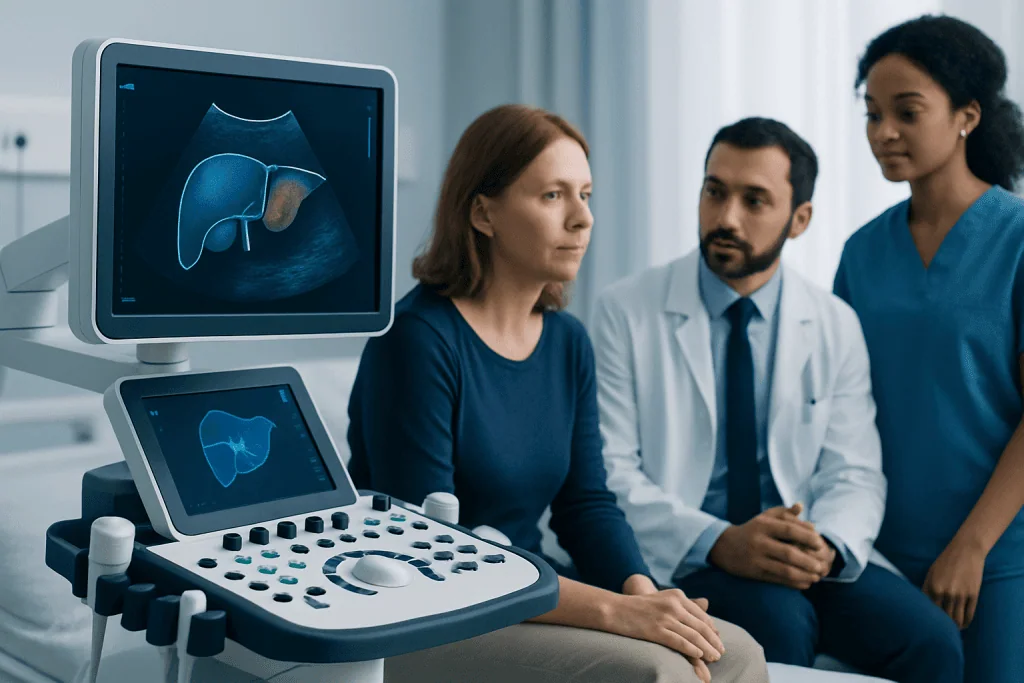
Liver Cirrhosis symptoms vary widely. Some people have no clear symptoms at first, and cirrhosis may be found during routine blood tests, imaging or assessment for another health issue. When symptoms do occur, they may be mild and nonspecific, such as tiredness, reduced appetite, nausea, weight loss or a general feeling of weakness.
As liver function becomes more affected, symptoms may become more noticeable. These can include yellowing of the skin or eyes, called jaundice; itchy skin; easy bruising or bleeding; swelling in the legs; or fluid build-up in the abdomen, known as ascites. Some people notice dark urine, pale stools, muscle loss or changes in the appearance of the skin, such as small spider-like blood vessels.
Cirrhosis can also affect the brain when toxins that are normally processed by the liver build up in the blood. This complication, called hepatic encephalopathy, may cause sleep changes, poor concentration, forgetfulness, personality changes, confusion or drowsiness. Families often notice these changes before the person with cirrhosis does.
- Common early symptoms: fatigue, poor appetite, nausea, mild weight loss and reduced exercise tolerance.
- Possible later symptoms: jaundice, abdominal swelling, ankle swelling, itching, bruising, bleeding and confusion.
- Emergency warning signs: vomiting blood, black tar-like stools, severe confusion, fever with abdominal pain or sudden worsening swelling.
Causes & Risk Factors
Liver Cirrhosis is caused by ongoing liver inflammation or injury. Over time, the body tries to repair the damage, but repeated healing leads to fibrosis, or scar tissue. When fibrosis becomes widespread and changes the structure of the liver, it is called cirrhosis.
Common causes include chronic hepatitis B or hepatitis C infection, long-term heavy alcohol use and metabolic dysfunction-associated steatotic liver disease, often called fatty liver disease. Fatty liver disease is more likely in people with obesity, type 2 diabetes, high cholesterol, high blood pressure or insulin resistance. These conditions can cause fat to build up in the liver, which may lead to inflammation and scarring in some people.
Less common causes include autoimmune hepatitis, primary biliary cholangitis, primary sclerosing cholangitis, inherited iron overload, inherited copper accumulation and some long-term bile duct or vascular disorders. Certain medicines, toxins or repeated severe liver injury can also contribute in specific situations. A medical assessment is needed to determine the most likely cause in each person.
Risk can be reduced by addressing preventable causes. This includes vaccination against hepatitis B when appropriate, safe practices to reduce viral hepatitis exposure, avoiding excessive alcohol, maintaining a healthy weight, managing diabetes and cholesterol, and using medicines only as directed. People with known liver disease should avoid self-medicating with supplements or herbal products unless their doctor confirms they are safe for the liver.
Diagnosis
Diagnosis of Liver Cirrhosis begins with a medical history and physical examination. A doctor asks about alcohol use, viral hepatitis risks, metabolic conditions, medicines, family history and symptoms such as swelling, bleeding or confusion. The examination may look for jaundice, abdominal fluid, an enlarged spleen, muscle loss or skin changes linked to chronic liver disease.
Blood tests help assess liver inflammation, bile flow, blood clotting, albumin levels, platelet count, kidney function and signs of viral, autoimmune or inherited liver conditions. No single blood test alone confirms all cases of cirrhosis, but the pattern of results can strongly suggest chronic liver disease and help estimate how well the liver is functioning.
Imaging is commonly used to evaluate the liver’s shape, texture, blood flow and signs of portal hypertension, which is increased pressure in the vein system that carries blood to the liver. Ultrasound is often a first test. Depending on the situation, elastography may be used to estimate liver stiffness, while CT or MRI may be recommended to clarify findings or screen for liver cancer in people at risk.
In some cases, a liver biopsy may be considered if the diagnosis is uncertain or if knowing the exact cause will change management. However, many people can be diagnosed using a combination of clinical findings, blood tests, imaging and non-invasive fibrosis tests. After diagnosis, regular follow-up is important to monitor liver function and screen for complications.
Treatment Options
Liver Cirrhosis treatment is individualized. The right approach is decided by a gastroenterologist or hepatologist after assessing the cause, stage of disease, complications, general health and test results. The main goals are to treat the underlying cause, prevent further liver injury, manage complications and maintain the best possible quality of life.
Treating the cause may include antiviral therapy for chronic viral hepatitis, complete alcohol avoidance with support for alcohol use disorder when relevant, weight management and metabolic control for fatty liver disease, or immune-directed treatment for autoimmune liver disease. People should not start, stop or change medicines without medical advice, because the liver processes many drugs and the safest options depend on individual liver function.
Complication management may involve medicines and procedures to control fluid build-up, reduce the risk of bleeding from enlarged veins, treat infections, manage itching or support brain function if encephalopathy develops. Endoscopy may be used to look for and treat enlarged veins in the esophagus or stomach. Nutrition support is also important, especially if there is muscle loss, poor appetite or unintentional weight loss.
For advanced cirrhosis or liver failure, a specialist may discuss assessment for liver transplantation. Transplantation is not suitable for everyone, but it can be an important option for selected patients with severe liver disease. Care is usually multidisciplinary, involving liver specialists, radiologists, endoscopists, dietitians, transplant teams and other professionals as needed.
Living With / Prognosis
Living with Liver Cirrhosis usually requires regular medical follow-up, even when symptoms are mild. Monitoring may include blood tests, imaging, endoscopy and screening for liver cancer at intervals recommended by the specialist. These visits help detect changes early, when treatment is often simpler and safer.
Daily habits can support liver health. People with cirrhosis are usually advised to avoid alcohol completely, eat a balanced diet with enough protein unless a doctor advises otherwise, maintain a healthy weight, stay physically active within safe limits and keep vaccinations up to date. Salt reduction may be recommended if fluid retention or ascites is present. Any dietary plan should be adjusted for the person’s medical condition, kidney function and nutritional status.
Because cirrhosis can affect how medicines are handled, patients should tell every healthcare professional that they have liver disease. This includes dentists, pharmacists and emergency doctors. Over-the-counter pain relievers, herbal products, bodybuilding supplements and “liver detox” products may be harmful in some cases, so they should be discussed with a qualified doctor before use.
The outlook depends on the cause of cirrhosis, the amount of remaining liver function, the presence of complications and how well the underlying condition can be controlled. Many people with compensated cirrhosis remain stable for long periods with careful care. Acibadem International’s multidisciplinary specialists and JCI-accredited hospitals diagnose and treat liver cirrhosis for international patients, including assessment of complications and advanced treatment needs.
When to See a Doctor
A person should see a doctor if they have ongoing fatigue, unexplained weight loss, persistent nausea, yellowing of the skin or eyes, abdominal swelling, ankle swelling, easy bruising, frequent nosebleeds or dark urine. People with known risk factors, such as chronic hepatitis, heavy alcohol use, fatty liver disease, diabetes or obesity, should ask whether liver testing or specialist review is appropriate.
Anyone already diagnosed with Liver Cirrhosis should keep regular appointments, even if they feel well. Cirrhosis can change silently, and routine monitoring helps doctors adjust treatment, screen for liver cancer and reduce the risk of complications. Patients should also contact their doctor promptly if they develop fever, worsening swelling, increasing sleepiness, new confusion, reduced urination or worsening jaundice.
Emergency medical care is needed for vomiting blood, passing black tar-like stools, severe confusion, fainting, severe abdominal pain, high fever with abdominal swelling or sudden shortness of breath. These symptoms may signal serious complications that need immediate assessment. Early medical attention is the safest approach and can help prevent avoidable deterioration.
Frequently asked questions
What is Liver Cirrhosis?
Liver Cirrhosis is advanced scarring of the liver caused by long-term liver injury. The scar tissue changes the liver’s structure and can make it harder for the liver to perform essential functions. It may be silent early on and become more serious if complications develop.
Can Liver Cirrhosis be cured?
Established cirrhosis is often not fully reversible, but treatment can slow or stop further damage in many cases. The most important step is identifying and treating the cause, such as viral hepatitis, alcohol-related injury or fatty liver disease. Advanced cases may require evaluation for liver transplantation.
What are the first symptoms of Liver Cirrhosis?
Early cirrhosis may cause no symptoms. When symptoms appear, they are often nonspecific, such as tiredness, poor appetite, nausea, mild weight loss or weakness. Because these symptoms can have many causes, medical testing is needed to confirm whether the liver is involved.
Is Liver Cirrhosis always caused by alcohol?
No. Alcohol-related liver disease is one cause, but cirrhosis can also result from chronic hepatitis B or C, fatty liver disease, autoimmune liver disease, inherited disorders and bile duct diseases. A specialist assessment helps identify the cause and guide treatment.
How is Liver Cirrhosis diagnosed?
Doctors use a combination of medical history, physical examination, blood tests and imaging. Ultrasound, elastography, CT or MRI may help assess liver scarring and complications. In selected cases, a liver biopsy may be considered if the diagnosis or cause is unclear.
What should people with Liver Cirrhosis avoid?
People with cirrhosis should avoid alcohol and should not use herbal products, supplements or over-the-counter medicines without medical advice. Some medicines can be unsafe when liver function is reduced. A doctor can advise on safe choices based on the person’s liver function and overall health.
When is Liver Cirrhosis an emergency?
Emergency care is needed for vomiting blood, black stools, severe confusion, fainting, severe abdominal pain, fever with abdominal swelling or sudden worsening jaundice. These may be signs of serious complications such as bleeding, infection or liver failure. Prompt assessment is important.
References
- World Health Organization
- European Association for the Study of the Liver
- American Association for the Study of Liver Diseases
- National Institute of Diabetes and Digestive and Kidney Diseases
- Mayo Clinic
This article is for general information only and is not a substitute for professional medical advice. Please consult a qualified doctor about your individual situation.
Treatments for This Condition
Doctors Who Treat This Condition
Prof. Dr. Ahmet Karaman
Gastroenterology
Prof. Dr. Arzu Tiftikçi
Gastroenterology
Prof. Dr. Bahattin Çiçek
Gastroenterology
Prof. Dr. Bülent Değertekin
Gastroenterology
Prof. Dr. Can Gönen
Gastroenterology
Prof. Dr. Cem Aygün
Gastroenterology
Prof. Dr. Ebubekir Şenateş
Gastroenterology
Prof. Dr. Erkin Öztaş
Gastroenterology
Prof. Dr. Ethem Tankurt
Gastroenterology
Prof. Dr. Fatih Oğuz Önder
Gastroenterology
Prof. Dr. Ferdane Pirinççi Sapmaz
Gastroenterology
Prof. Dr. Güngör Boztaş
GastroenterologyRelated Articles

Chronic Constipation With Suspected Nerve Dysfunction: Tests a Neurogastroenterologist May Order

Hepatitis B: Who Should Be Tested, Vaccinated, or Monitored Long Term?

Cirrhosis: Early Warning Signs of Liver Failure and When to Seek Urgent Care

Salmonella Infection: Recovery Time, Dehydration Risks, and When Antibiotics Help

Food Poisoning: When Diarrhea and Vomiting Need Medical Tests
Peptic Ulcer Treatment: How Doctors Test for H. pylori and Confirm Healing

Celiac Disease: What to Eat After a New Diagnosis

Crohn’s Disease: What to Expect From Biologic Treatment and Follow-Up

Crohn’s Disease: When a Second Opinion May Change Treatment

Inflammatory Bowel Disease: Biologics vs Surgery for Long-Term Control

Ulcerative Colitis Flare: What to Do and When to Seek Urgent Care