Cost of Hair Transplant: A Detailed Patient Guide

The cost of hair transplant is influenced most by graft number, technique, and the complexity of the case. A lower advertised price may not include consultation, medicines, anesthesia, aftercare, or follow-up visits.
Key Takeaways
- The cost of hair transplant is influenced most by graft number, technique, and the complexity of the case.
- A lower advertised price may not include consultation, medicines, anesthesia, aftercare, or follow-up visits.
- Medical suitability matters as much as budget, especially if hair loss is ongoing or caused by a scalp condition.
- Choosing an experienced medical team and clear treatment plan can be more important than focusing on price alone.
- Patients should ask for a written breakdown of all expected costs before booking treatment.
The cost of hair transplant varies from person to person because the procedure is customized to the pattern of hair loss, the number of grafts needed, and the technique used. A helpful way to assess price is to understand what is included, what may increase the total, and how to compare clinics safely.
Overview: What the Cost of Hair Transplant Really Means
The cost of hair transplant is not a single fixed number. It usually reflects a combination of medical assessment, surgical planning, the number of grafts transferred, the method used, and the care provided before and after the procedure. Because every scalp, hair type, and pattern of hair loss is different, two people may receive very different treatment plans and therefore different prices.
Hair transplantation is generally considered an elective cosmetic procedure, so pricing often depends on how customized the treatment is rather than on a standard fee alone. Patients may see costs quoted per graft, per session, or as a package. Each pricing model can be valid, but it is only useful when the patient understands exactly what is included.
It is also important to separate value from simple affordability. A lower upfront quote may look attractive, but it may leave out essential parts of treatment such as blood tests, medications, local anesthesia, aftercare products, follow-up visits, or revision planning. A well-explained treatment plan helps patients compare options more fairly and make decisions with confidence.
What Factors Affect Hair Transplant Cost?
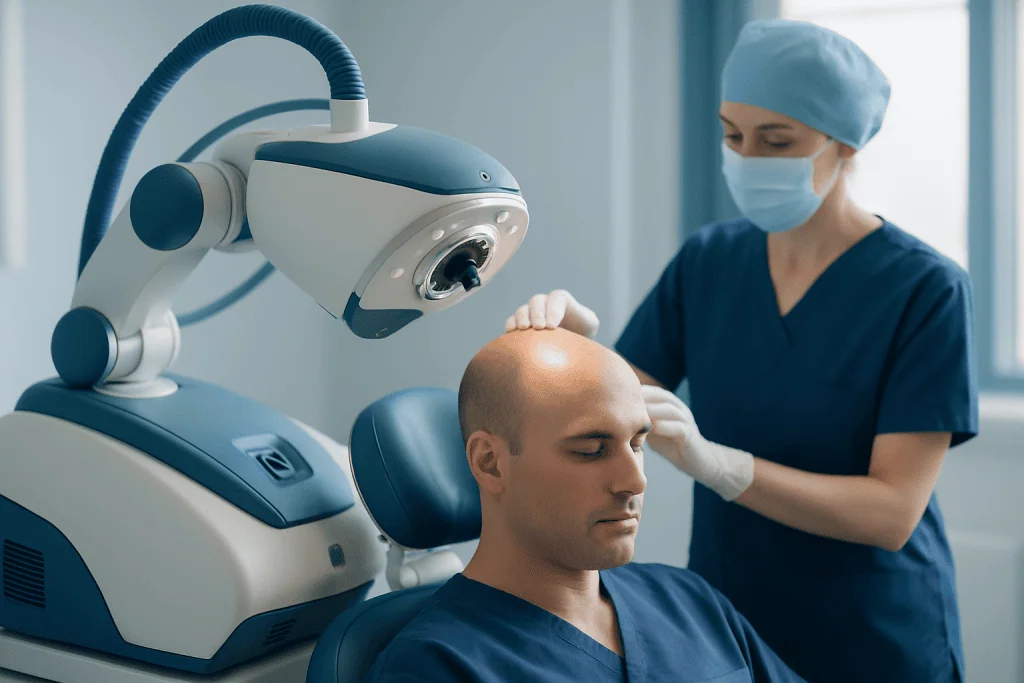
The biggest factor is usually the number of grafts needed. A small recession at the temples may require fewer grafts than extensive thinning across the hairline, mid-scalp, and crown. In general, more grafts mean more time, more surgical work, and higher overall cost.
The technique used can also affect pricing. Common approaches include FUE hair transplant and DHI hair transplant. Some clinics also offer variations such as sapphire transplant or robotic-assisted methods. These options may differ in incision tools, implantation approach, operating time, and team requirements, all of which can influence price.
Other factors include the surgeon’s experience, the size and expertise of the medical team, operating room standards, and the degree of planning required. Patients with curly hair, limited donor supply, previous procedures, or visible scarring may need more complex work. A repair case, for example, is often more demanding than a first-time procedure and can therefore cost more.
- Extent and pattern of hair loss
- Density goals and hairline design
- Quality and availability of donor hair
- Type of technique and instruments used
- Length of procedure and team involvement
- Need for revision or repair work
How Clinics May Price a Hair Transplant

Hair transplant pricing is commonly presented in three ways: per graft, per session, or as an all-inclusive package. Per-graft pricing can be helpful because it links cost to the amount of work performed. However, patients should ask how grafts are counted and whether there is a minimum fee. Session-based pricing may be simpler, but it can make it harder to compare one clinic with another if the expected graft number is not clearly stated.
Package pricing can be convenient, especially for international patients, but it deserves careful review. Some packages include airport transfers, hotel accommodation, translator support, consultations, medications, and aftercare products. Others may include only the procedure itself. Asking for a written list of inclusions can prevent confusion later.
It is also wise to ask whether the quoted cost covers the full treatment pathway. This may include initial scalp evaluation, donor area assessment, photography, local anesthesia, the procedure day, washing instructions, early follow-up, and management of normal shedding after surgery. If a clinic offers additional supportive options such as laser hair therapy or non-surgical hair restoration, patients should clarify whether these are optional extras or part of the recommended plan.
Medical Factors That Can Change the Plan and the Price
Not all hair loss is treated in the same way. Some patients are good candidates for transplantation because their hair loss pattern is stable and their donor area is strong. Others may need medical treatment first, especially if shedding is active, diffuse, or linked to an inflammatory scalp problem. In these cases, the final cost may change because the treatment plan changes.
For example, hair loss related to alopecia areata is different from common pattern hair loss and may not be suitable for routine transplant surgery until a specialist has assessed disease activity. Scalp conditions such as seborrheic dermatitis or psoriasis can also affect comfort, healing, and timing. Treating the scalp first may be necessary before surgery is considered.
Previous surgeries, scalp scars, and limited donor density can increase complexity. Some people also need a staged approach, where one session is followed later by another procedure to improve density or cover additional areas. While this may increase the total cost over time, it can be a safer and more realistic way to achieve a balanced result. A proper medical evaluation helps set expectations and may prevent spending money on an unsuitable procedure.
What Should Be Included in the Total Cost?
A clear quotation should explain more than the procedure fee alone. Patients can benefit from asking what is included before they commit. This helps them compare clinics accurately and avoid unexpected expenses after travel or on the day of treatment.
Common items that may be included are consultation, scalp analysis, preoperative blood tests, local anesthesia, graft extraction and implantation, medications, dressing materials, aftercare products, and follow-up appointments. Some clinics also include post-procedure washing, photo documentation, and written recovery instructions.
Patients should also ask about possible additional costs. These may include treatment for shock loss, management of postoperative inflammation, revision surgery, treatment of scarring, or separate therapies for ongoing thinning in non-transplanted hair. If a patient is considering hair transplant repair or a specialized approach such as hair transplant without shaving, extra time and planning may affect the price.
- Is the quote per graft, per session, or package-based?
- How many grafts are expected, and is that guaranteed?
- Are medicines and aftercare included?
- Are follow-up visits included, and for how long?
- Could revision treatment create additional cost later?
How to Compare Cost Safely and Realistically
Price comparison is reasonable, but it works best when paired with medical and practical questions. Patients should look at the clinic’s consultation process, whether the procedure is physician-led, how donor area planning is performed, and what follow-up support is available. A detailed evaluation usually suggests a more careful approach than a one-size-fits-all quote given without examining the scalp.
It can help to ask who will perform each part of the procedure, how long the operation is expected to take, and what happens if the estimated graft number changes during surgery. Patients should also ask to see examples of results in people with a similar pattern of hair loss, hair texture, and skin type. This gives a more realistic sense of expected outcomes than looking only at dramatic before-and-after images.
Travel-related costs may also matter, especially for international patients. Flights, accommodation, time away from work, and future follow-up visits can all affect the true total. Near the end of the decision process, some patients choose centers with multidisciplinary support for both medical assessment and recovery planning. Acibadem International’s multidisciplinary specialists at JCI-accredited hospitals diagnose and treat hair loss conditions and provide hair restoration options for international patients.
Recovery, Long-Term Value, and When to Seek Medical Advice
Recovery needs should be considered part of the overall cost. Even when the procedure itself goes smoothly, there may be short-term effects such as swelling, redness, crusting, temporary shedding, or the need to avoid strenuous activity for a period. Patients may also need time off work, special hair washing instructions, and follow-up checks to monitor healing and growth.
Long-term value depends on realistic planning. A transplant moves existing hair; it does not stop future hair loss in untreated areas. For that reason, some patients may need medical management or future sessions over time. A good plan aims for a natural-looking result that remains balanced as hair changes with age.
Patients should seek medical advice if they are unsure why hair loss is happening, if shedding is sudden, if the scalp is painful or inflamed, or if they have a history of autoimmune or dermatologic disease. They should also contact a doctor after treatment if they develop severe pain, fever, spreading redness, discharge, or any recovery concern that seems unusual. Prompt evaluation can help protect both health and the final result.
Frequently asked questions
What is the main factor that affects the cost of hair transplant?
The main factor is usually the number of grafts needed to treat the area of hair loss. Technique, surgeon expertise, donor hair quality, and case complexity also affect the final price.
Is a more expensive hair transplant always better?
Not necessarily. A higher price may reflect more experience, better facilities, or more complete aftercare, but cost alone does not guarantee a better outcome. It is more useful to look for a clear medical plan, transparent pricing, and appropriate follow-up.
Why do some clinics advertise very low hair transplant prices?
Low advertised prices may reflect limited inclusions, fewer follow-up services, or package marketing that does not show the full cost. Patients should ask whether consultations, medicines, aftercare, and revision planning are included before comparing quotes.
Are there extra costs after a hair transplant?
There can be. Some patients may need medications, additional follow-up, supportive therapies, or treatment for continuing hair loss in non-transplanted areas. Travel and time away from work can also add to the overall expense.
Can ongoing hair loss change the value of a transplant?
Yes. A transplant can improve density in selected areas, but it does not prevent future loss of existing hair. This is why long-term planning and, in some cases, medical treatment are important when assessing overall value.
Should a patient choose a clinic based only on package price?
It is better not to rely on package price alone. Patients should also review the clinic's medical assessment, surgeon involvement, technique, safety standards, and what support is available after the procedure.
References
- American Academy of Dermatology
- International Society of Hair Restoration Surgery
- British Association of Dermatologists
- National Institute for Health and Care Excellence
- Mayo Clinic
This article is for general information only and is not a substitute for professional medical advice. Please consult a qualified doctor about your individual situation.
Hair transplant in Turkey — costs, graft counts & a free assessment
JCI-accredited · board-certified surgeons · reply within 24h
Add us as a Preferred Source to see more of our trusted health content across Google Search, AI Overviews and Discover.

Related Treatments
Related Conditions
More from the Health Library



Related Specialists

Prof. Dr. Sedef Şahin
Dermatology
Prof. Dr. Özlem Dicle
Dermatology
Prof. Dr. Emel Öztürk Durmaz
Dermatology
Assoc. Prof. Dr. Yasemin Koyuncu
Dermatology