Hair Grafts: What They Are and How They Are Used
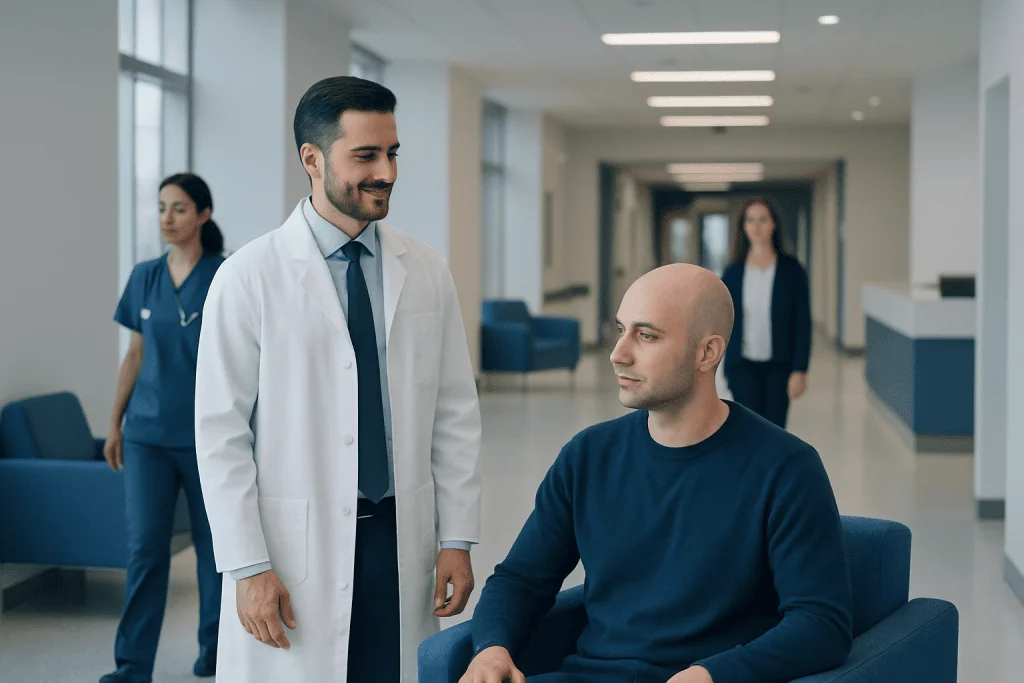
Hair grafts contain one or more hair follicles and are used to restore hair in thinning or bald areas. The number of grafts needed depends on hair loss pattern, hair characteristics, and treatment goals.
Key Takeaways
- Hair grafts contain one or more hair follicles and are used to restore hair in thinning or bald areas.
- The number of grafts needed depends on hair loss pattern, hair characteristics, and treatment goals.
- Graft survival depends on careful handling, scalp health, and following aftercare instructions.
- Not everyone is a candidate for hair transplantation, especially if hair loss is due to active scalp disease or unstable conditions.
- A specialist evaluation helps determine whether surgical or non-surgical hair restoration is the best option.
Hair grafts are the basic building blocks of hair transplantation. They are small units of hair follicles taken from a donor area and carefully placed where hair is thinning or missing to improve coverage and restore a natural hairline.
Overview: What Are Hair Grafts?
Hair grafts are tiny naturally occurring groups of hair follicles taken from one part of the scalp, usually the back or sides, and transferred to an area where hair is thinner or absent. In hair transplantation, a graft may contain one, two, three, or sometimes more hairs. Because hair grows in these small follicular units naturally, using grafts helps create a result that looks more like natural hair growth.
The donor area is chosen because these follicles are often more resistant to the hormone-related process that causes common pattern hair loss. After the grafts are moved, they settle into their new location and can continue to grow hair over time. This is why hair grafts are central to many modern hair restoration procedures, including FUE hair transplant and DHI hair transplant.
People often use the terms “grafts” and “hairs” interchangeably, but they are not the same. One graft may contain multiple hairs, so the number of grafts does not equal the total number of hairs transplanted. Understanding this difference can make consultation discussions clearer and help set realistic expectations.
How Hair Grafts Are Used in Hair Restoration
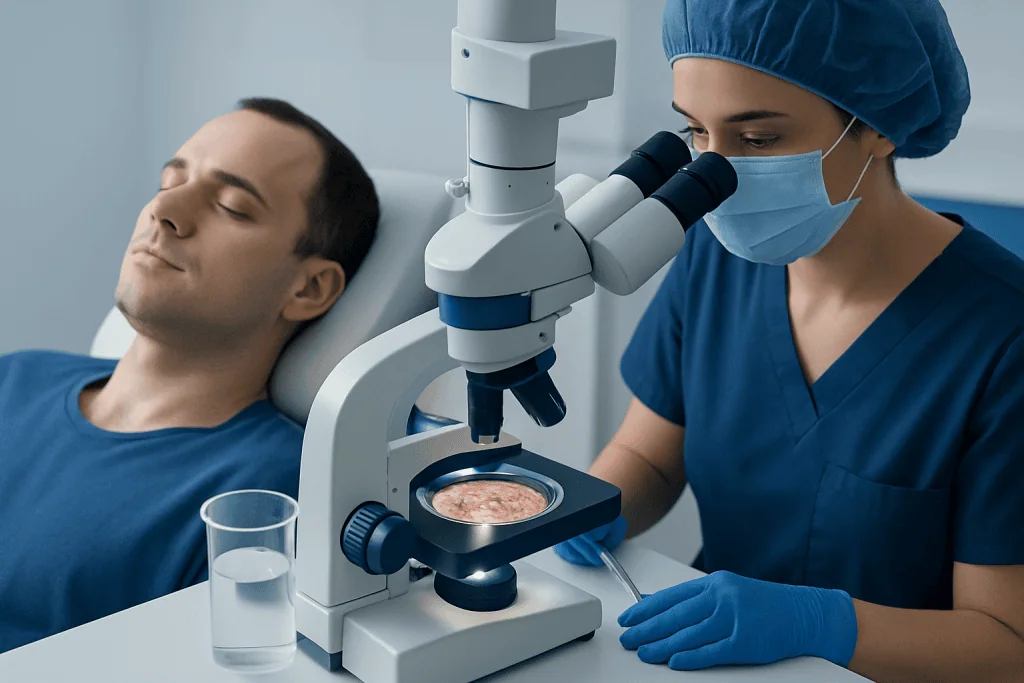
Hair grafts are used to rebuild or enhance areas affected by thinning, recession, or baldness. The most common use is scalp hair transplantation for male or female pattern hair loss, but grafts may also be used to restore eyebrows, beards, or hair in scarred areas when medically appropriate. The placement of each graft is planned carefully to match natural hair direction, angle, and density.
During a procedure, the surgical team removes grafts from the donor area and prepares tiny recipient sites in the target area. Single-hair grafts are often placed at the front of the hairline for a softer, more natural look, while grafts with more hairs may be placed behind the hairline to improve fullness. This artistic and technical balance is an important part of treatment planning.
Hair grafts may also be used in corrective procedures. For example, people who are unhappy with an earlier transplant or who have unnatural density patterns may benefit from hair transplant repair. In some cases, people who prefer not to shave the donor or recipient area may discuss hair transplant without shaving with their specialist.
Who May Be a Good Candidate

A good candidate for hair grafting usually has stable hair loss, enough healthy donor hair, and realistic expectations about density and coverage. Hair transplantation tends to work best when the donor area remains strong and the pattern of hair loss is reasonably predictable. Age alone does not determine candidacy, but the timing of treatment does matter.
Some people are not ideal candidates for immediate transplantation. This may include those with ongoing rapid hair loss, poor donor supply, or scalp inflammation that has not been treated. Certain scalp or skin conditions can affect planning and graft survival, so specialists look closely at scalp health before recommending surgery. For example, active inflammation from conditions such as seborrheic dermatitis or patchy autoimmune hair loss such as alopecia areata may need medical treatment first.
Hair texture, color contrast between hair and scalp, and the quality of the donor hair also matter. Curly or wavy hair may create the appearance of more fullness than very straight fine hair. During assessment, the doctor usually considers medical history, family history of hair loss, medications, and whether non-surgical treatments may be useful before or alongside transplantation.
Types of Hair Grafts and Methods of Collection
Hair grafts are usually collected as follicular units. These are the natural bundles of hairs that grow together from the scalp. Modern transplantation aims to preserve these units so that transplanted hair grows in a natural pattern. Grafts may contain single hairs for detailed work or multiple hairs for added density.
There are two main ways grafts are commonly obtained. In follicular unit extraction, individual follicular units are removed one by one from the donor area using very small instruments. In follicular unit transplantation, a strip of scalp is removed from the donor area and then divided into individual grafts under magnification. Each method has advantages and limitations, and the best choice depends on the person’s hair characteristics, goals, and donor area.
Specialists also classify grafts by how they will be used. Examples include single-hair grafts for the front hairline, two-hair grafts for transition zones, and larger grafts placed farther back to build density. The key is not simply transplanting a large number of grafts, but placing the right type of graft in the right area with care.
- Single-hair grafts: often used for natural hairline design
- Two-hair grafts: useful for soft density behind the hairline
- Three- or four-hair grafts: often used in mid-scalp areas for fuller coverage
- Donor graft quality: depends on follicle health, scalp condition, and surgical handling
What Affects Graft Survival and Results
The success of hair grafting depends on much more than the number of grafts transplanted. Graft survival is influenced by donor hair quality, the way grafts are removed and stored, how gently they are handled, and how efficiently they are implanted. Tiny follicles are delicate, so minimizing trauma and keeping them in an appropriate environment before implantation is important.
The scalp itself also affects outcomes. Good blood supply, healthy skin, and a well-planned recipient area support growth. Smoking, uncontrolled medical conditions, and poor aftercare may reduce the chances of the best possible result. Doctors also consider whether thinning will continue in surrounding native hair, since this can change overall appearance over time.
Results are gradual. It is normal for transplanted hairs to shed in the weeks after the procedure before new growth begins. Visible improvement often develops over several months, and the final cosmetic result usually takes time to mature. Because hair loss can continue, some people later combine transplantation with medical options such as non-surgical hair restoration or supportive approaches like laser hair therapy when appropriate.
Diagnosis and Treatment Planning Before a Hair Graft Procedure
Before recommending hair grafting, a specialist examines the scalp and determines the cause of hair loss. Not all thinning is treated the same way. Common hereditary pattern hair loss may be suitable for transplantation, while shedding from stress, nutritional issues, medication effects, or some autoimmune conditions may require medical treatment instead. A careful diagnosis helps avoid unnecessary procedures and supports better long-term planning.
The consultation often includes an assessment of donor density, hair shaft thickness, scalp flexibility, and the size of the area to be treated. The doctor may review previous treatments, family history, and whether there are signs of scarring or inflammation. If needed, laboratory tests or referral to a dermatologist may be recommended to investigate underlying causes.
Treatment planning also includes realistic discussion of goals. A natural hairline, balanced coverage, and preservation of donor hair are usually more important than simply aiming for maximum density in one session. Some patients may need staged treatment, while others may be advised to delay surgery or first treat scalp conditions such as psoriasis if they are active on the scalp.
Aftercare, Recovery, and Self-Care
After a hair graft procedure, the scalp needs time to heal and the grafts need protection. Mild redness, swelling, tenderness, or scabbing can occur for a short period and usually improves with routine aftercare. Patients are commonly advised to avoid rubbing the scalp, scratching, strenuous exercise for a short time, and anything that may disturb the newly placed grafts.
Gentle washing instructions are important because both overhandling and inadequate hygiene can affect comfort and healing. Patients should follow the clinic’s guidance on cleansing, sleeping position, sun protection, and when to return to work or exercise. Medicines or supportive treatments may be recommended to help maintain existing hair and support the long-term result.
Patience is essential. The early shedding phase can be surprising, but it is often a normal part of the cycle after transplantation. Growth tends to return gradually, and follow-up visits help the team monitor healing, discuss progress, and decide whether any additional treatment is needed.
When to See a Doctor and Questions to Ask
Anyone considering hair grafting should see a qualified doctor for an evaluation rather than relying only on photographs or graft-count promises. A medical assessment is especially important if hair loss is sudden, patchy, painful, associated with scaling, or accompanied by itching or inflammation. These features may suggest a condition that should be treated before any cosmetic procedure is considered.
It is also wise to seek medical advice if there has been a previous hair transplant with unsatisfactory growth, visible scarring, or an unnatural appearance. In these situations, the doctor can assess donor reserves, scalp health, and whether revision treatment is realistic. A thorough consultation should explain the likely benefits, limitations, possible risks, and expected recovery in clear terms.
Helpful questions include how the cause of hair loss was diagnosed, whether the donor area is strong enough, how many grafts may be appropriate, what type of technique is recommended, and what kind of aftercare is required. For international patients, Acibadem International’s multidisciplinary specialists and JCI-accredited hospitals provide diagnosis and treatment planning for hair restoration with a patient-centered approach.
Frequently asked questions
What is a hair graft exactly?
A hair graft is a small unit of tissue that contains one or more hair follicles. In hair transplantation, these grafts are moved from a donor area to a place where hair is thinning or absent.
How many hairs are in one graft?
One graft may contain a single hair or several hairs, most often between one and four. The exact number varies based on natural follicular groupings in the donor area.
Are hair grafts permanent?
Hair grafts taken from a stable donor area are generally long-lasting because they keep many of the characteristics of the original donor hair. However, long-term appearance can still change if surrounding non-transplanted hair continues to thin.
How long does it take to see results after hair grafting?
Transplanted hairs often shed first, which is a normal early phase. New growth usually begins over the following months, and fuller visible results develop gradually rather than immediately.
Can anyone with hair loss get hair grafts?
No. Suitability depends on the cause of hair loss, donor hair availability, scalp health, and treatment goals. A specialist evaluation is important to decide whether transplantation or another option is more appropriate.
Do more grafts always mean a better result?
Not necessarily. A good result depends on careful planning, natural placement, donor hair quality, and protecting graft survival. The right number of grafts should match the person’s anatomy and long-term hair restoration plan.
References
- American Academy of Dermatology
- International Society of Hair Restoration Surgery
- National Institutes of Health
- British Association of Dermatologists
This article is for general information only and is not a substitute for professional medical advice. Please consult a qualified doctor about your individual situation.
Hair transplant in Turkey — costs, graft counts & a free assessment
JCI-accredited · board-certified surgeons · reply within 24h
Add us as a Preferred Source to see more of our trusted health content across Google Search, AI Overviews and Discover.

Related Treatments
Related Conditions
More from the Health Library



Related Specialists

Prof. Dr. Sedef Şahin
Dermatology
Prof. Dr. Özlem Dicle
Dermatology
Prof. Dr. Emel Öztürk Durmaz
Dermatology
Assoc. Prof. Dr. Yasemin Koyuncu
Dermatology