Hair Transplant and Recovery: What Patients Should Know

Most patients have mild redness, swelling, and small scabs for several days after a hair transplant. It is normal for transplanted hairs to shed in the first weeks before new growth begins later.
Key Takeaways
- Most patients have mild redness, swelling, and small scabs for several days after a hair transplant.
- It is normal for transplanted hairs to shed in the first weeks before new growth begins later.
- Recovery time and technique vary, but careful aftercare helps protect grafts and support healing.
- A specialist evaluates the pattern of hair loss, donor hair quality, scalp health, and expectations before treatment.
- Patients should follow the clinic's washing, activity, and medication instructions and report signs of infection or unusual pain.
Hair transplant recovery is usually gradual and predictable, with early healing in days to weeks and visible hair growth developing over several months. Knowing what to expect before and after the procedure can help patients prepare, heal comfortably, and recognize when medical advice is needed.
Overview: What a Hair Transplant Involves
A hair transplant is a procedure that moves healthy hair follicles from one part of the scalp, usually the back or sides, to areas with thinning or baldness. It is most often used for pattern hair loss, but it may also help selected patients with eyebrow, beard, or scar-related hair loss. The goal is to create natural-looking coverage using the patient’s own hair.
Modern techniques commonly include follicular unit extraction and direct implantation methods. In FUE hair transplant, individual follicular units are removed and then placed into carefully planned recipient sites. Other approaches, such as DHI hair transplant, may use specialized implantation tools to place grafts directly. The best method depends on the patient’s hair characteristics, hair loss pattern, and treatment goals.
Recovery is an important part of the overall process. Although the procedure is usually performed under local anesthesia and many patients return to light daily activities quickly, the scalp still needs time to heal. Early aftercare helps protect the grafts, reduce irritation, and support the best possible cosmetic result.
Who May Be a Good Candidate
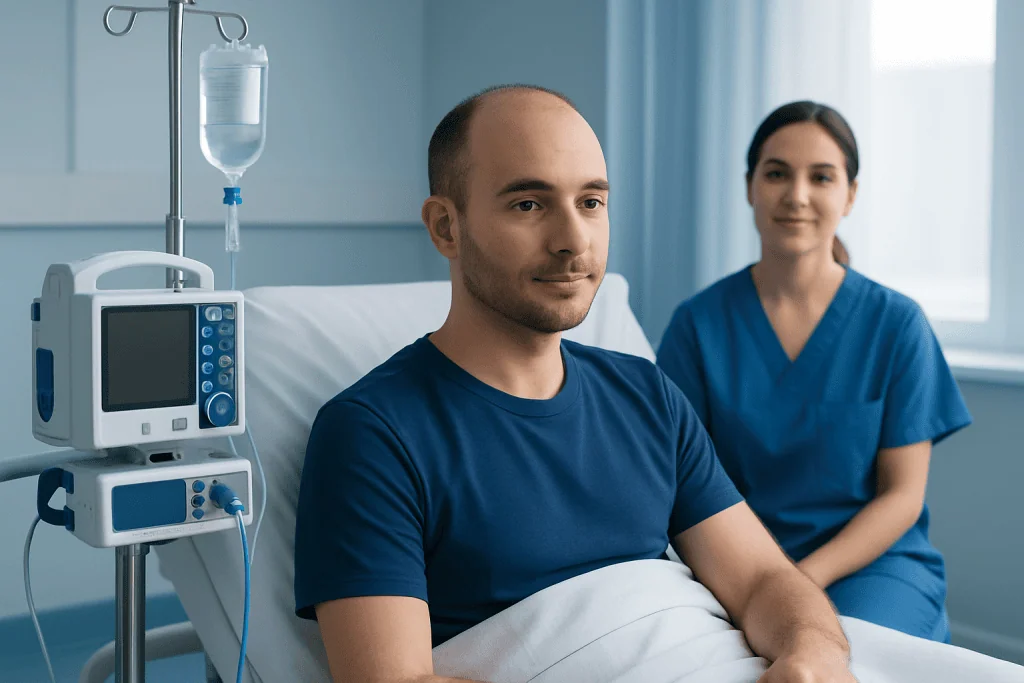
Good candidates for hair transplant surgery usually have stable hair loss, enough donor hair, and realistic expectations about density and coverage. The strongest candidates often have androgenetic alopecia, also called male or female pattern hair loss. A transplant does not create new hair; it redistributes existing hair from donor areas to areas of thinning.
Not every type of hair loss is suitable for transplantation. Patients with active inflammatory or autoimmune scalp conditions may need medical treatment first. For example, ongoing alopecia areata can cause patchy hair loss that may not be stable enough for surgery. Scalp disorders such as seborrheic dermatitis or psoriasis may also need to be controlled before a procedure to lower irritation and improve healing.
A specialist will assess the scalp, donor area, hair texture, and long-term pattern of shedding. They also consider age, family history, previous procedures, and whether non-surgical treatments may still be helpful. In some cases, a treatment plan may combine surgery with non-surgical hair restoration approaches to support the existing hair.
What to Expect Right After the Procedure
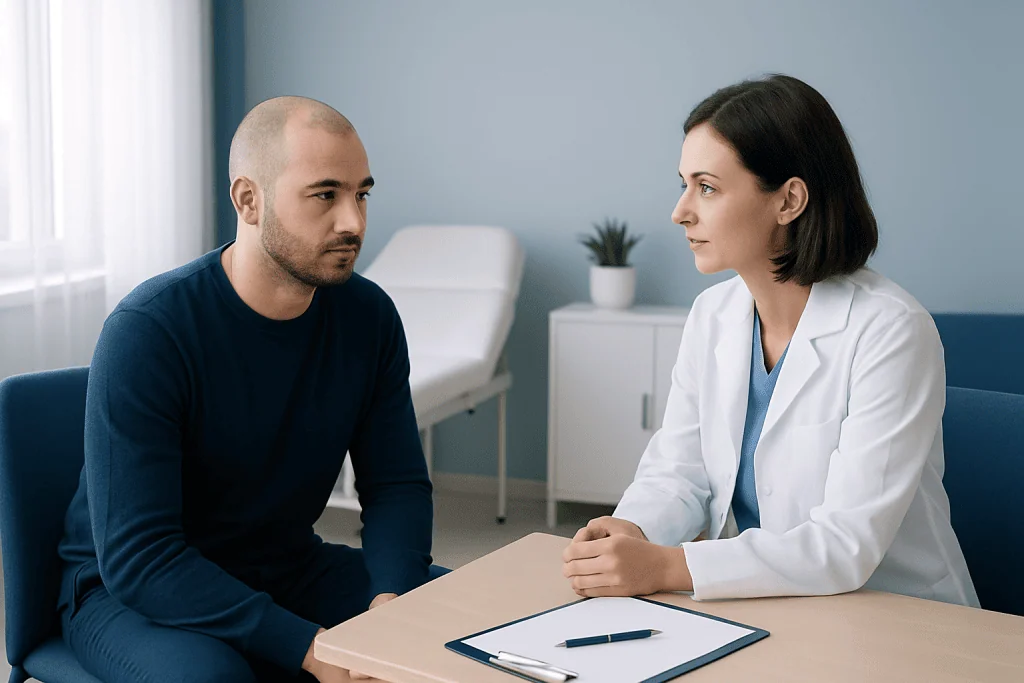
During the first few days after a hair transplant, the scalp commonly feels tender or tight. Small crusts or scabs form around the implanted grafts, and mild redness is expected. Some patients also notice forehead swelling, especially in the first two to four days. These changes are usually temporary and improve as healing progresses.
Many patients can rest at home the same day and return to desk-based work within a few days, depending on comfort and visible redness. The treated areas should be handled gently. Clinics usually recommend sleeping with the head elevated for several nights, avoiding rubbing or scratching, and taking prescribed or recommended medicines exactly as directed.
The donor area, where follicles were removed, may also feel sore or look slightly pink for a period of time. Tiny extraction sites usually heal on their own. Because each clinic’s instructions can differ, patients should follow their surgeon’s specific washing, moisturizing, and activity guidance rather than relying on general advice alone.
Hair Transplant Recovery Timeline
Recovery happens in stages. In the first week, the main goals are to protect the grafts and allow the scalp to heal. Scabs usually begin to loosen and fall away over 7 to 14 days. Redness may fade quickly in some people and last longer in others, especially those with sensitive or lighter skin.
Between the second and eighth weeks, many patients experience shock shedding. This means the transplanted hairs fall out while the follicles remain in place under the skin. Although this can be worrying, it is a common and expected part of the process. It does not usually mean that the transplant has failed.
New growth often starts around the third or fourth month, but it can be subtle at first. Hair typically becomes more noticeable and fuller between six and nine months, with continued maturation up to 12 months or longer. Crown areas may take more time than the hairline to show clear density. Patients benefit from patience, since final results develop gradually rather than immediately.
Aftercare, Washing, and Activity Restrictions
Proper aftercare is one of the most important parts of hair transplant recovery. The newly implanted grafts are delicate in the early days, so the scalp should be treated gently. Patients are usually advised to avoid touching the recipient area unnecessarily, wearing tight hats unless approved, and exposing the scalp to direct sun for prolonged periods during early healing.
Hair washing usually starts according to the clinic’s schedule, often after the first day or two. Gentle rinsing and soft patting are commonly recommended, while high water pressure, vigorous rubbing, and harsh products should be avoided until the scalp has healed more fully. The exact technique matters, so patients should use the method demonstrated by their clinical team.
Exercise restrictions are also common. Strenuous activity, heavy lifting, swimming, saunas, and anything that leads to excessive sweating may be postponed for a period to reduce irritation, swelling, and infection risk. Patients should also avoid smoking and limit alcohol if their doctor advises, because both can interfere with circulation and healing.
- Keep the scalp clean using the clinic’s recommended washing method.
- Sleep with the head elevated if advised.
- Avoid scratching, picking scabs, or rubbing the grafts.
- Postpone strenuous exercise until the surgeon says it is safe.
- Protect the scalp from strong sun exposure during healing.
Risks, Side Effects, and When to Contact a Doctor
Hair transplant procedures are generally well tolerated when performed by qualified professionals, but like any medical procedure, they can have risks. Common short-term effects include swelling, temporary numbness, itching, redness, and mild discomfort. Small scabs are expected. In most cases, these effects improve steadily with time and proper aftercare.
Less common problems can include infection, prolonged inflammation, folliculitis, bleeding, poor graft growth, or visible scarring. Some patients may also be disappointed if expectations are unrealistic or if ongoing native hair loss changes the overall appearance over time. This is one reason why careful pre-procedure planning is so important.
Patients should contact their doctor promptly if they develop worsening pain, increasing redness, pus-like drainage, fever, or swelling that does not improve. Sudden severe symptoms or signs of an allergic reaction need urgent medical attention. If a patient has concerns about healing, early review is better than waiting and worrying at home.
Long-Term Results and Ways to Support Hair Health
A hair transplant can improve hair coverage, but it does not stop the underlying process of pattern hair loss in the non-transplanted hair. Because of this, some patients benefit from a long-term plan that includes medical follow-up and supportive therapies. These may help maintain existing hair and improve the overall appearance as time passes.
Doctors may discuss options such as medications, scalp care, or supportive procedures when appropriate. For some patients, treatments like laser hair therapy may be considered as part of a broader hair care plan. Others may need a second session later, or a corrective approach such as hair transplant repair if they had a previous transplant with unsatisfactory density or design.
Healthy lifestyle habits also matter. Good nutrition, management of stress, treatment of scalp conditions, and avoidance of harsh hair practices can all support scalp health. Near the end of the care journey, patients may wish to review their progress with a specialist team. Acibadem International’s multidisciplinary specialists and JCI-accredited hospitals diagnose and treat hair loss and hair transplant needs for international patients.
How Patients Can Prepare Before Surgery
Preparation begins with a detailed consultation. The doctor reviews medical history, current medicines, allergies, smoking status, and previous scalp procedures. Photos may be taken to plan the hairline and document baseline hair density. This is also the right time for patients to ask about the expected timeline, limitations, and likely number of grafts.
Patients may be asked to stop or adjust certain medicines or supplements before surgery, but only under medical advice. The clinic may also provide instructions about washing the hair, avoiding alcohol, arranging transportation, and wearing comfortable clothing on the day of the procedure. Following these steps can make the treatment day smoother and may support recovery.
Just as important is mental preparation. Hair transplantation usually improves appearance gradually, not overnight. Understanding that early shedding is normal and that final growth may take many months helps patients approach recovery with realistic expectations and less stress.
Frequently asked questions
How long does hair transplant recovery take?
Early healing usually takes about 1 to 2 weeks, when scabs, redness, and tenderness improve. Visible new hair growth takes much longer and often begins after several months, with fuller results developing over 6 to 12 months or more.
Is it normal for transplanted hair to fall out after surgery?
Yes. Temporary shedding of transplanted hairs in the first weeks is common and is often called shock shedding. The follicles typically remain in place and later produce new hair growth.
When can a patient wash their hair after a hair transplant?
The timing varies by clinic and technique, so patients should follow the instructions given by their surgeon. Washing usually starts gently within the first few days, using a specific method to avoid disturbing the grafts.
When can exercise be resumed after a hair transplant?
Light activity may be possible relatively soon, but strenuous exercise is often restricted for a period of time. Sweating, friction, and increased blood flow can irritate the scalp early on, so the surgeon's timeline should be followed carefully.
Does a hair transplant last forever?
Transplanted follicles are often selected from areas that are more resistant to pattern hair loss, so the results can be long-lasting. However, the surrounding non-transplanted hair may continue to thin over time, which is why some patients need maintenance treatment or future planning.
Are hair transplants painful?
The procedure is usually done with local anesthesia, so patients generally feel pressure or minor discomfort rather than significant pain during treatment. Mild soreness or tightness afterward is common and is usually manageable with the care plan recommended by the doctor.
References
- American Academy of Dermatology
- British Association of Dermatologists
- International Society of Hair Restoration Surgery
- National Health Service
- Mayo Clinic
This article is for general information only and is not a substitute for professional medical advice. Please consult a qualified doctor about your individual situation.
Hair transplant in Turkey — costs, graft counts & a free assessment
JCI-accredited · board-certified surgeons · reply within 24h
Add us as a Preferred Source to see more of our trusted health content across Google Search, AI Overviews and Discover.

Related Treatments
Related Conditions
More from the Health Library



Related Specialists

Prof. Dr. Sedef Şahin
Dermatology
Prof. Dr. Özlem Dicle
Dermatology
Prof. Dr. Emel Öztürk Durmaz
Dermatology
Assoc. Prof. Dr. Yasemin Koyuncu
Dermatology