How to Stop Hair Loss: Which Treatments Actually Work?

Hair loss is a symptom with many causes, including genetics, hormones, stress, illness, and scalp conditions. The most effective treatment depends on the type of hair loss and how long it has been present.
Key Takeaways
- Hair loss is a symptom with many causes, including genetics, hormones, stress, illness, and scalp conditions.
- The most effective treatment depends on the type of hair loss and how long it has been present.
- Evidence-based options may include topical or oral medicines, treatment of scalp disease, and hair transplant procedures in selected patients.
- Early medical evaluation can improve results because some forms of hair loss are reversible if treated promptly.
- Gentle hair care, good nutrition, and management of underlying health problems can support treatment.
Hair loss can often be slowed, treated, or managed, but the best approach depends on why it is happening. A careful diagnosis helps identify which treatments have the strongest evidence and which options are most suitable for long-term results.
Overview: Can Hair Loss Be Stopped?
Hair loss is common in both men and women, and it can happen gradually or quite suddenly. In many cases, it can be slowed or improved, especially when the cause is identified early. Some forms of hair loss are temporary and reversible, while others are chronic and need ongoing management.
The phrase “how to stop hair loss” does not have one single answer because hair loss is not one disease. It may result from inherited pattern hair loss, immune-related conditions such as alopecia areata, hormonal changes, nutritional deficiency, medications, or scalp inflammation. This is why two people with similar thinning may need very different treatments.
It is also important to set realistic expectations. Treatments that work well usually aim to do one or more of the following: reduce shedding, preserve existing hair, stimulate regrowth, or improve appearance. The earlier treatment begins, the better the chance of protecting follicles before hair loss becomes more advanced.
Common Symptoms and Patterns of Hair Loss
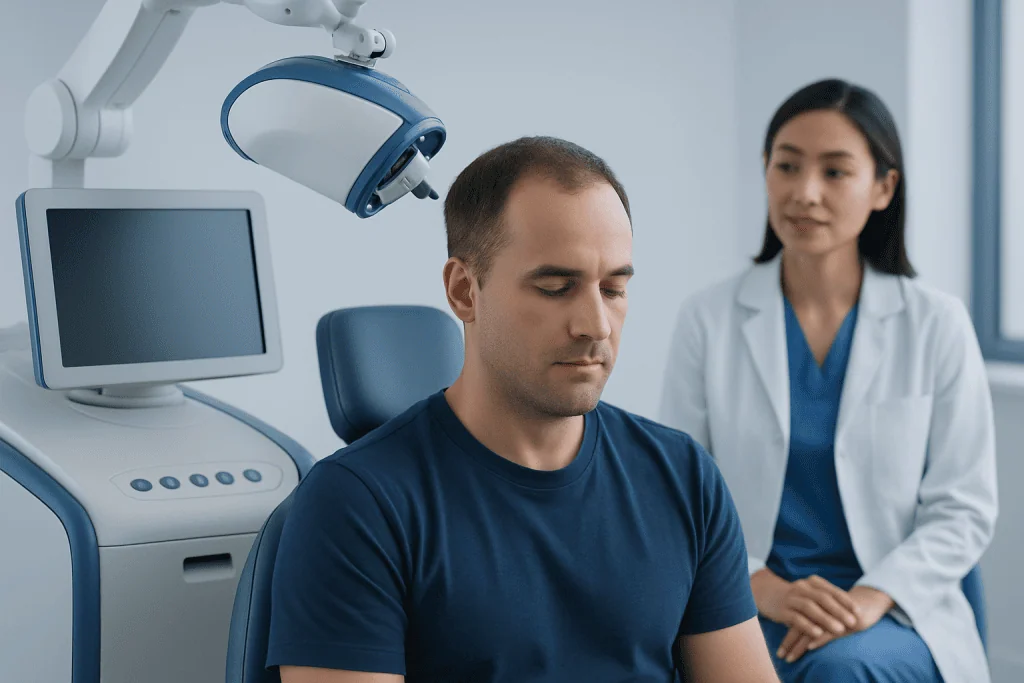
Hair loss does not always look the same. Some people notice widening of the part, gradual thinning on the crown, or recession at the temples. Others develop patchy bald areas, sudden increased shedding when washing or brushing, or breakage from damaged hair shafts. Eyebrow, beard, or body-hair loss can also occur in certain conditions.
Pattern hair loss is the most common type. In men, it often causes recession at the hairline and thinning at the crown. In women, it more often appears as diffuse thinning over the top of the scalp while the frontal hairline is relatively preserved. The scalp may look normal, without redness or scale.
Symptoms that suggest another cause include itching, burning, dandruff-like flaking, pain, tenderness, or visible inflammation. Conditions such as seborrheic dermatitis or discoid lupus erythematosus can affect the scalp and sometimes contribute to hair loss. If scarring hair loss develops, early specialist care is especially important because permanent follicle damage can occur.
What Causes Hair Loss and Who Is at Risk?

Genetics is a leading cause of hair loss. Androgenetic alopecia, also called male- or female-pattern hair loss, is linked to inherited sensitivity of hair follicles to hormones called androgens. Over time, affected follicles become smaller, produce thinner hairs, and may eventually stop visible growth.
Temporary shedding can follow physical or emotional stress, high fever, major surgery, rapid weight loss, childbirth, or serious illness. This is often called telogen effluvium. In this condition, more hairs than usual shift into the resting phase and shed a few months after the trigger. Although distressing, this type often improves once the body recovers.
Other causes include thyroid disease, iron deficiency, low protein intake, some vitamin deficiencies, autoimmune disease, fungal infection, traction from tight hairstyles, and side effects of medication. Risk is also increased by aging, hormonal disorders, chronic inflammation, and harsh cosmetic practices such as repeated bleaching, heat styling, or chemical straightening.
A careful history matters because multiple factors may overlap. For example, a person with inherited thinning may also have low iron stores or scalp inflammation, making the overall hair loss more noticeable. Treating only one factor may not give the best result if the others are missed.
How Doctors Diagnose the Cause
Diagnosis begins with a medical history and scalp examination. A dermatologist or other qualified doctor usually asks when the hair loss began, whether it is diffuse or patchy, if there is itching or scaling, what medications are being taken, and whether there have been recent stresses, illnesses, or dietary changes. Family history is also very helpful.
The examination may include assessment of the scalp, hair shafts, hairline pattern, and signs of inflammation or scarring. A pull test may be performed to see how easily hairs shed. In some cases, dermoscopy or trichoscopy is used to examine follicles more closely.
Blood tests may be recommended when an underlying medical cause is suspected, such as iron deficiency, thyroid disorders, nutritional imbalance, or hormonal abnormalities. Occasionally, a scalp biopsy is needed, particularly if scarring alopecia or an inflammatory skin disorder is possible. Accurate diagnosis is important because treatment that helps one type of hair loss may not help another.
Hair Loss Treatments That Actually Work
Evidence-based treatment depends on the diagnosis. For pattern hair loss, doctors may recommend medications that help maintain follicles and encourage regrowth. Some are applied to the scalp, while others are taken by mouth in selected patients under medical supervision. These treatments typically need time, often several months, before improvement is clear, and ongoing use may be necessary to maintain benefits.
If shedding is caused by an underlying problem, treatment focuses on that trigger. Correcting iron deficiency, improving protein intake, adjusting a medication when appropriate, treating thyroid disease, or calming scalp inflammation can help restore normal growth. Immune-related or inflammatory causes may need prescription anti-inflammatory treatment. Fungal infections require specific antifungal therapy rather than general hair products.
Some supportive options may be recommended alongside medical treatment. These can include laser hair therapy or other forms of non-surgical hair restoration in carefully selected patients. Results vary, and these methods are best discussed with a specialist who can explain realistic expectations and whether they are suitable for the particular type of hair loss.
When hair follicles are no longer producing enough hair and the donor area is healthy, surgery may be considered. Modern transplant techniques move follicles from denser parts of the scalp to thinner areas. Common methods include FUE hair transplant and DHI hair transplant. Hair transplantation can improve density and shape, but it does not stop future loss in untreated areas, so many patients also need medical therapy to protect existing hair.
Prevention and Self-Care for Healthier Hair
Not all hair loss can be prevented, especially when genetics plays a strong role. Still, healthy habits can reduce avoidable shedding and support treatment. Gentle hair care is important: avoid tight hairstyles that pull on the roots, limit high heat, reduce frequent bleaching or harsh chemicals, and use a mild shampoo suited to the scalp condition.
Nutrition also matters. Hair growth depends on adequate protein, iron, zinc, and several vitamins and minerals. Extreme dieting and rapid weight loss can trigger shedding, so balanced eating is generally better for long-term hair health than restrictive plans. Supplements should not be started automatically, however, because too much of some nutrients can also be harmful.
Stress management, good sleep, and control of medical conditions such as thyroid disease can help the hair growth cycle recover. It is also wise to seek care for scalp symptoms such as redness, scale, pain, or persistent itching rather than trying many over-the-counter products at once. Prompt treatment may prevent irritation from becoming a larger problem.
When to See a Doctor
A doctor should be consulted if hair loss is sudden, patchy, rapidly worsening, or associated with scalp pain, redness, crusting, or scarring. Medical advice is also important when hair loss occurs with fatigue, menstrual changes, weight change, or other signs of a possible underlying condition. Children and teenagers with hair loss should always be assessed by a qualified clinician.
Even gradual thinning deserves attention if it is causing distress or becoming more noticeable. Early assessment may allow treatment before follicles become less responsive. A specialist can also help distinguish between normal daily shedding and clinically significant hair loss.
For people considering procedural treatment, a thorough evaluation is essential before surgery or device-based therapies. Near the end of the treatment journey, some patients may benefit from multidisciplinary assessment at centers such as Acibadem International, where JCI-accredited hospitals and specialists diagnose and treat hair loss in international patients. The best plan is individualized and based on cause, pattern, scalp health, and patient goals.
Frequently asked questions
What is the most effective treatment for hair loss?
The most effective hair loss treatment depends on the cause. Pattern hair loss often responds best to doctor-recommended medications, while other types improve by treating the underlying trigger such as iron deficiency, thyroid disease, inflammation, or stress. A medical diagnosis is the best way to choose a treatment that is likely to help.
Can hair loss grow back on its own?
Yes, some types of hair loss can grow back, especially temporary shedding after illness, childbirth, or stress. However, inherited pattern hair loss usually does not fully reverse without treatment. Patchy or inflammatory hair loss may also need medical care to improve regrowth.
How long do hair loss treatments take to work?
Hair grows slowly, so visible improvement often takes several months. Many evidence-based treatments are assessed after about three to six months, and fuller results may take longer. Stopping treatment too early can make it seem ineffective when it has not had enough time to work.
Do shampoos stop hair loss?
Most shampoos do not stop true hair loss on their own, although they may improve scalp health and reduce breakage or irritation. Medicated shampoos can help when dandruff, inflammation, or fungal problems are contributing factors. If thinning continues, a doctor should evaluate for deeper causes.
Is hair transplant a permanent solution?
Transplanted follicles are generally long-lasting because they are taken from areas that are more resistant to pattern loss. However, a transplant does not prevent ongoing thinning in surrounding non-transplanted hair. Many patients still need medical treatment to maintain overall scalp coverage.
When should someone worry about hair loss?
Medical advice is recommended if hair loss is sudden, patchy, rapidly increasing, or linked with scalp pain, redness, scaling, or scarring. It is also worth seeking care if hair loss comes with fatigue, weight changes, menstrual irregularities, or other symptoms of an underlying health issue. Early evaluation can improve the chance of successful treatment.
References
- American Academy of Dermatology
- National Institute of Arthritis and Musculoskeletal and Skin Diseases
- National Health Service
- Mayo Clinic
- British Association of Dermatologists
This article is for general information only and is not a substitute for professional medical advice. Please consult a qualified doctor about your individual situation.
Hair transplant in Turkey — costs, graft counts & a free assessment
JCI-accredited · board-certified surgeons · reply within 24h
Add us as a Preferred Source to see more of our trusted health content across Google Search, AI Overviews and Discover.
Check your numbers in seconds
BMI, calories, due date, blood pressure and 30+ more clinical calculators — free, instant, doctor-reviewed ranges.

Related Treatments
Related Conditions
More from the Health Library



Related Specialists
Prof. Dr. Sedef Şahin
Dermatology
Prof. Dr. Özlem Dicle
Dermatology
Prof. Dr. Emel Öztürk Durmaz
Dermatology
Assoc. Prof. Dr. Yasemin Koyuncu
Dermatology