

Internal Medicine
For the adult whose problem does not belong to one organ: the symptom that has already been to three clinics, the abnormal result nobody explained, several conditions that interact, and the medicine list nobody has reviewed as a whole.

For the adult whose problem is not one organ's
Every other unit here is defined by a body system or a technique. This one is defined by the opposite: the patient who does not fit, and the doctor who holds the whole picture when several specialists each hold a piece of it.
Several conditions at once
Managed as one person rather than as separate diseases, because the treatment that best controls one sometimes worsens another and somebody has to decide.
Found on a routine test
Results and findings in people who feel well, where the first question is whether anything needs doing at all, and frequently the answer is no.
Where the whole picture decides the plan
Conditions in which what is right depends on everything else the person has, how much reserve they have, and what they are trying to preserve.
This is not a check-up, and the difference decides what you should book
A check-up is a structured preventive package with a defined menu of tests, for someone who is well and wants screening. An internal medicine consultation starts from a problem, a symptom, an abnormal result, several conditions, a medicine list, and the assessment is directed by that problem rather than by a package. Someone with an unresolved symptom is better served here; someone wanting periodic screening is better served there.
Expect the first consultation to be longer and to involve fewer tests than you anticipated. In this specialty the history is the investigation rather than the preliminary to it, and an unfocused panel in someone with vague symptoms reliably produces a finding that means nothing and a cascade that does real harm.
What we will not do
- Order a broad panel without a question, because most of what it finds will need disproving.
- Keep investigating indefinitely when appropriate assessment has found no disease.
- Dismiss persistent symptoms as imaginary because the tests are normal.
- Stop several medicines at once, which makes any resulting change impossible to interpret.
- Apply a single-disease target to someone whose other conditions make it the wrong one.
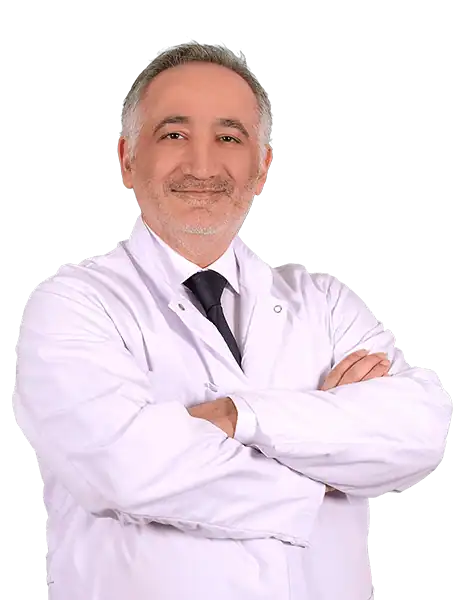
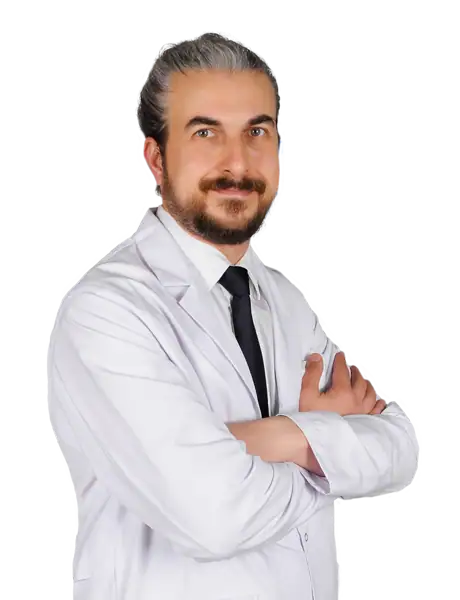
Physicians who lead this work
What actually happens, in order
Bring the normal results too
Patients bring the abnormal reports and leave out the normal ones, which is understandable and makes the assessment harder. The normal results prevent repetition, and a normal marker taken during a symptomatic episode means something a normal one taken between episodes does not.
Photograph every medicine box
Rather than sending a typed list, because the two routinely disagree. Include supplements, herbal preparations and anything bought without a prescription, patients omit them because they do not think of them as drugs, and they interact.
Write the story in order
When symptoms began, what changed and when, what was tried and what happened. In this specialty the history is the investigation rather than the preliminary to it, and the detail that resolves a case is usually the one lost when the problem was first divided among clinics.
Start optimisation early if surgery is planned
Correcting anaemia, improving diabetes control, treating undiagnosed sleep apnoea and stopping smoking all take weeks. An assessment done the day before an operation can describe risk but cannot reduce it, and this is what most often prevents a cancellation after a flight.
A plan review can be done remotely
Where the diagnosis is not in doubt and the question is whether the combination of treatments still makes sense together, the work is largely documentary. It needs the complete record rather than a summary, including the imaging itself.
Six things worth knowing first
An abnormal number in a well person may need nothing
Isolated abnormal results are frequently transient, and repeating one is a legitimate first step. What matters is whether it persists, what pattern it forms and whether it fits anything clinically, not the size of the deviation on the report.
Raised ferritin is usually not iron overload
Ferritin rises with inflammation, alcohol, liver disease and metabolic syndrome far more often than with haemochromatosis. Transferrin saturation is the test that separates them, and extensive investigation on ferritin alone is a common avoidable sequence.
Never stop medicines on your own
Some must be reduced gradually, some conditions rebound when treatment stops abruptly, and stopping several at once makes any resulting change uninterpretable. Deprescribing done properly is a planned sequence with review, by the doctor who prescribed them.
New confusion is not normal ageing
It is commonly caused by medication, which makes it one of the more reversible problems in older adults. Many ordinary drugs have mild anticholinergic effects that are individually trivial and together cause confusion, falls and constipation. New unsteadiness deserves the same suspicion.
Frailty is not the same as being old
It describes reduced reserve, so a minor illness causes a disproportionate loss of function. Some eighty-year-olds are not frail and some sixty-year-olds are. Its most treatable part is muscle loss, and the treatment is resistance exercise and protein rather than a medicine.
A slightly raised TSH does not always need treating
Subclinical hypothyroidism is among the most over-treated results in adult medicine. What matters is whether it persists, how raised it actually is, whether antibodies are present and whether symptoms are genuinely attributable to it, which in many people they are not.
Quick answer
Internal Medicine diagnoses, treats, and helps prevent a wide range of adult health conditions, especially complex or multisystem problems that need careful medical evaluation. At Acibadem in Turkey, internists assess symptoms, coordinate laboratory and imaging tests, manage chronic diseases and acute illnesses, and refer patients to the right specialties when advanced or highly focused care is needed.
What our internal medicine unit covers, and who it is for
Internal medicine is the specialty for adults whose problem does not belong to one organ. Every other unit on this site is defined by a body system or a technique. This one is defined by the opposite: the patient who does not fit, and the doctor who holds the whole picture when several specialists each hold a piece of it.
That is not a soft role. Two things go wrong in modern medicine specifically because nobody is doing it: a symptom gets divided among specialists until each has excluded their own organ and nobody has answered the question, and a person accumulates medicines from four clinics that no single doctor has ever reviewed together.
At Acıbadem International the work falls into five strands.
- The undifferentiated problemfatigue, weight loss, fever, an abnormal blood test, a symptom that has already been to three clinics.
- Long-term conditions togetherdiabetes, hypertension and lipids managed as one person rather than as three diseases.
- Multimorbidity and medicationthe review of everything a patient takes, which is where most avoidable harm in older adults originates.
- Fitness for surgery and for treatmentoptimising a patient before an operation or before oncology treatment starts.
- Coordinationbeing the doctor who knows what all the others decided, and what it adds up to.
Where the borders sit. This is the unit most likely to be confused with others, so the boundaries are stated plainly. A structured preventive package with a defined menu of tests belongs with check-up. Once a problem is clearly one organ’s, it belongs to that organ: cardiology, endocrinology, nephrology, gastroenterology, pulmonology, rheumatology, haematology. Infection with an identified organism belongs with infectious diseases. What this unit owns is everything before that point, and everything after it, when the pieces have to be put back together.
What an internal medicine doctor actually does
An internal medicine doctoran internist in shorter usage, is a physician trained in the medical care of adults, across all the organ systems, without surgery. The training is broad on purpose, and it produces a specific competence: managing a patient in whom several things are true at once.
The term overlaps confusingly with others. A primary care physician is defined by where they sit in the system rather than by their training, and may be an internist, a family physician or a general practitioner. In hospital-based systems an internist is a specialist to whom other doctors refer difficult cases; in others, the same title describes the doctor a patient sees first. Both are real, and they are not the same job.
Three activities distinguish the work.
Building a differential from a symptom rather than confirming a diagnosis. An organ specialist is asked a question already narrowed. An internist is given a person and has to decide what the question is, which is a different skill and the reason the specialty exists.
Weighing treatments against each other. The medicine that best controls one condition is sometimes the one that worsens another. Somebody has to decide, and it cannot be four separate clinics each optimising their own outcome.
Knowing when to stop investigating. Every test has a false positive rate, and in a patient with vague symptoms an unfocused panel reliably produces incidental findings that generate their own cascade. Deciding not to order something is part of the specialty rather than a shortcut through it.
The symptom that has already been to three clinics
This is the presentation that belongs here more than anywhere, and it has a recognisable shape: a real symptom, several normal specialist assessments, and a patient increasingly convinced nobody is listening.
The internist’s approach differs from a fourth specialist opinion in a specific way. Rather than excluding one more organ, the work is to re-take the history from the beginning, because the detail that resolves these cases is usually in the history and was usually lost when the problem was first divided up.
Fatigue that has been investigated
Fatigue with normal basic tests is common and rarely one thing. The productive approach separates it into categories with different consequences: sleep that is disrupted rather than short, in which sleep apnoea is the most commonly missed cause; mood, where fatigue is frequently the presenting complaint rather than sadness; medication, since several very common drugs cause it and are rarely suspected; deconditioning, which is self-reinforcing; and the genuinely organic causes that basic tests do not cover, coeliac disease, adrenal insufficiency, early inflammatory disease.
Unexplained weight loss
Unintentional weight loss is one of the few symptoms that justifies investigating relatively hard even when everything else is normal, because the causes that matter are found in a minority and matter a great deal. The assessment is directed rather than broad, and it is worth stating that no diagnosis is reached in a substantial minority of cases, in whom careful re-review over time is more useful than continuing to test.
In older adults the same picture is described as failure to thrive in adults: weight loss with declining function, reduced appetite and withdrawal from activity, arriving without a single disease to explain it. It is a syndrome rather than a diagnosis, and its productive management is to look for the contributors that are individually treatable, untreated pain, depression, medication, poor dentition, swallowing difficulty, isolation and social circumstances, rather than to search for one unifying illness that frequently does not exist.
Fever without a source
Fever persisting without an obvious cause is a classic internal medicine problem, and it is a problem of method rather than of tests: the diagnosis is reached by repeated history and examination in most cases, not by the next scan. Where infection is confirmed or strongly suspected, management belongs with infectious diseases, who cover that pathway in full.
Symptoms without a disease
Some patients have persistent physical symptoms for which no disease is found after appropriate assessment. That is a real and common situation, and the two failures around it are equally harmful: continuing to investigate indefinitely, which causes harm through incidental findings and reinforces the search; and dismissing the symptoms as imaginary, which is both untrue and drives patients to seek yet another opinion. The productive position is that the symptoms are real, the appropriate assessment has been done, and management shifts to function rather than to further testing.
An abnormal blood test without a diagnosis
A large share of referrals here are a number rather than a symptom: a result flagged as abnormal on a screening panel in someone who feels entirely well. The first question is always whether it needs anything at all.
Raised inflammatory markers. An elevated ESR or CRP means inflammation somewhere and nothing more specific. In a well person they are frequently transient, and the appropriate response is usually repeating them rather than imaging the whole body.
Abnormal liver enzymes. Very common, and most often steatotic liver disease related to metabolic health. The pattern of the abnormality matters more than its size, and persistently abnormal results are worked up rather than repeated indefinitely.
Raised ferritin. Misread constantly as iron overload. Ferritin rises with inflammation, alcohol, liver disease and metabolic syndrome far more often than with haemochromatosis, and transferrin saturation is what separates them.
A monoclonal protein. MGUSmonoclonal gammopathy of undetermined significance, is found incidentally with increasing frequency, is usually stable for life, and needs surveillance rather than treatment. What it needs is a decision about who follows it and how often, made with haematology.
An incidental finding on a scan. An adrenal incidentaloma, a small thyroid or lung nodule, a simple cyst. Published criteria state which need follow-up and which need none, and applying them prevents a cascade that does real harm. The imaging side is covered by radiology.
Raised calcium. Among the abnormal results most worth taking seriously, because the commonest cause is treatable and frequently missed. In an outpatient found to have hypercalcaemia, primary hyperparathyroidism accounts for most cases, and the diagnosis is made by measuring parathyroid hormone at the same time as the calcium: a pairing that is easy to omit. The other hypercalcemia causes worth excluding are malignancy, which usually presents with a higher calcium and an unwell patient, and medication including thiazides and excessive vitamin D. Localisation before surgery is done by nuclear medicine.
Enlarged lymph nodes. The lymphadenopathy causes that matter separate on a few features rather than on size alone: how long the nodes have been present, whether they are localised or generalised, whether they are tender or hard and fixed, and whether there are systemic symptoms. Localised tender nodes with a nearby infection are watched. Persistent, painless, enlarging or supraclavicular nodes are investigated properly rather than followed indefinitely, and the sampling and its interpretation belong with pathology.
The general rule that ties these together: an isolated abnormal number in a well person is a reason to think, not a reason to investigate everything. The alternative, a panel ordered without a question, reliably generates findings that require explanation and occasionally require surgery to disprove.
Multimorbidity: several conditions in one person
Most guidelines are written for one disease at a time in a patient who has only that disease. Very few older adults are that patient, and the gap between the two is where internal medicine works.
Three problems follow from applying single-disease guidelines to a person with five conditions. The treatments interact, so the drug that best controls one worsens another. The targets conflict, since the blood pressure that protects the kidneys may not be tolerated by someone who falls. And the burden accumulates: appointments, monitoring, dietary restrictions and tablets add up to a workload that a person has to fit into a life.
The internist’s job is to decide what matters most for this person now, which is a clinical judgement rather than an arithmetic one, and to say plainly which conditions are being actively treated and which are being accepted.
A comorbidity index such as the Charlson comorbidity index is used to describe overall burden in a comparable way, useful for communication and for research, and not a prediction about an individual.
Frailty is the concept that changes decisions most. It is not the same as age or as illness: it describes reduced physiological reserve, so that a minor illness produces a disproportionate loss of function. Recognising it changes what is offered: the risk of an operation, the wisdom of an intensive drug target, the value of a screening test whose benefit lies fifteen years away. Sarcopenia, the loss of muscle mass and strength, is its most treatable component, and the treatment is resistance exercise and adequate protein rather than a medicine.
Polypharmacy and the medication review
This section is the one most likely to change something for a reader, because polypharmacy is both extremely common and largely invisible: no single prescription was wrong, and the total is.
Medicines accumulate because each was started for a good reason, by a different doctor, at a different time, and nothing prompts anyone to stop them. Some were started to treat the side effect of another. Some were for a condition that has resolved. Some are duplicates under different brand names.
The result is pill burden: not simply a risk of interaction but a daily workload of doses, timings, food restrictions and monitoring that a person has to fit into a life. It is a common and rarely acknowledged reason for medicines being taken irregularly, which then reads in the record as poor adherence rather than as an unreasonable regimen, and adding a further tablet to fix the resulting poor control makes it worse.
Medication reconciliation
Medication reconciliation is the deliberate exercise of establishing what a person is actually taking, which is frequently not what is written in any record. It compares every list against what is in the cupboard, and it includes over-the-counter medicines, supplements and herbal preparations, which patients routinely omit because they do not think of them as drugs.
It is the single highest-yield activity in the care of an older adult with several conditions, and it is worth requesting explicitly rather than assuming it has happened.
Deprescribing
Stopping a medicine is a clinical act requiring as much care as starting one. Some drugs must be reduced gradually rather than stopped, some conditions rebound, and stopping several at once makes it impossible to tell what caused any change. Done properly it is a planned sequence with review, undertaken by the doctor who prescribed the medicine together with the internist, never by a patient acting on an article.
The Beers criteria and anticholinergic burden
The Beers criteria list medicines that are potentially inappropriate in older adults, and they are frequently misunderstood. They are not a prohibition: they identify drugs where the risk-benefit balance shifts with age and prompt a review, and some patients appropriately continue a listed drug. Anticholinergic burden is the related idea, many ordinary drugs have mild anticholinergic effects that are individually trivial and collectively cause confusion, falls, constipation and urinary retention. Nobody prescribed that effect; it accumulated.
Two symptoms are worth naming because they are so often attributed to age rather than to a drug: new confusion and new unsteadiness. Both are commonly caused by medication, and both are reversible when the cause is found.
Fitness for surgery and for treatment
Medical clearance for surgery is a phrase this unit would rather retire, because it suggests a signature. What actually happens is an assessment of risk and an attempt to reduce it, which is a different and more useful activity.
The field has a nameperioperative medicineand its central insight is that the weeks before an operation are the only period in which risk can still be changed. The work is to identify what raises risk for this operation in this person, to optimise what can be optimised in the time available, and to state plainly what cannot be. Anaemia is the clearest example: it is common, treatable and independently associated with worse surgical outcomes, and correcting it before an operation is more effective than transfusing during one. Diabetes control, blood pressure, undiagnosed sleep apnoea, smoking and physical fitness are the others that genuinely repay attention.
The second half is the medication plan: which drugs continue through surgery, which are held and for how long, and which must not be stopped abruptly. Anticoagulants and antiplatelet agents have specific timings that also determine whether a regional anaesthetic is possible at all. The anaesthetic side of this is covered by anaesthesiology and reanimation, and the two assessments are complementary rather than duplicated.
The same exercise applies before cancer treatment. Assessing whether an older adult will tolerate chemotherapy is a specific skill, and doing it properly changes the treatment offered in a meaningful proportion of cases, sometimes towards a gentler regimen, sometimes towards a fuller one than age alone would have suggested. That work is done alongside medical oncology.
Blood pressure, lipids and glucose as one problem
These are usually managed as three conditions by three sets of guidance. Managing them as one cardiovascular risk in one person is what internal medicine does with them.
Blood pressure
Clinic readings are unreliable in both directions, which is why diagnosis and monitoring increasingly rest on out-of-office measurement. White coat hypertension, raised in clinic, normal at home, and masked hypertension, its opposite, are both common, and treating the first or missing the second are opposite errors. Where blood pressure resists several drugs, the assessment turns to adherence, to drugs that raise it, and to secondary hypertensiona treatable underlying cause such as primary aldosteronism, renal artery disease, obstructive sleep apnoea or a phaeochromocytoma. It is worth excluding specifically in resistant hypertension, in hypertension beginning young, and where potassium is unexplainedly low, because finding one changes the treatment entirely rather than adding another tablet.
Blood pressure targets are not a single number for everyone. A target that protects the kidneys and the brain in a fit sixty-year-old may cause dizziness and falls in a frail eighty-five-year-old, and the right answer depends on what is being traded. This is one of the clearest places where treating the person rather than the disease produces a different decision from the guideline.
Lipids and cardiovascular risk
An ASCVD risk estimate combines age, sex, blood pressure, lipids, smoking and diabetes into a single number, and its purpose is to make a treatment decision proportionate rather than to label anyone. Beyond the standard panel, apolipoprotein B and lipoprotein a refine the picture in specific situations: the latter being largely genetically determined, measured once in a lifetime rather than monitored, and a reason to treat everything else more firmly rather than a target in itself. Statin intolerance is worth naming because it is common as a reported experience and much less common as a reproducible one: muscle symptoms are frequently attributable to something else, and a structured re-challenge or a change of agent allows most people who believe they cannot take a statin to take one. That assessment belongs with the prescribing doctor rather than with a decision to stop. Markedly raised cholesterol from a young age with a family history of early heart disease is a different matter entirely and points to an inherited cause, assessed with medical genetics. The structured screening panel itself belongs with check-up.
Glucose and metabolic liver disease
Prediabetes matters because it is the point at which the trajectory is most easily changed, and because the intervention that works best is not a drug. It is defined by a fasting glucose or an HbA1c in an intermediate band: the same test used to monitor established diabetes, and one whose result is distorted by anaemia, haemoglobin variants and kidney disease, which is why a single value is interpreted rather than acted on. Metabolic dysfunction-associated steatotic liver diseaseMASLD, the term that replaced non-alcoholic fatty liver disease, is the liver’s expression of the same process and is now the commonest liver abnormality found on routine testing. Its significance is not the enzyme result but whether fibrosis is developing, which is assessed non-invasively rather than by biopsy, covered by gastroenterology and radiology. Where obesity is the driver, the treatment options including medication and surgery belong with bariatric surgery and nutrition and dietetics.
Kidney function found on a routine test
A reduced eGFR or microalbuminuria on a routine panel is common, and the questions are whether it is stable, whether it is explained, and whether it changes drug doses: the last being the one that matters most immediately. Formal staging and the management of established kidney disease belong with nephrology.
Thyroid results and other common endocrine findings
Subclinical hypothyroidisma raised TSH with a normal thyroid hormone level, is one of the commonest abnormal results in adult medicine and one of the most over-treated. (The disease side of the thyroid, Hashimoto’s, Graves’ disease and the nodule pathway, has its own honest guide in endocrinology.) The considerations are whether the result is persistent rather than a single reading, how high the TSH actually is, whether antibodies are present, and whether the patient has symptoms attributable to it, which many do not. Treating a mildly raised TSH in an older person who feels well is as likely to cause harm as benefit, and that is a judgement rather than a rule.
Two other findings arrive here constantly. Vitamin D deficiency is genuinely common and genuinely over-investigated, and the sensible position lies between ignoring it and testing everyone repeatedly. Vitamin B12 deficiency matters because its neurological effects are the ones that do not fully reverse, so it is worth diagnosing properly rather than treating on a borderline number. Thyroid disease requiring specialist management, and the endocrine conditions generally, belong with endocrinology.
Transitional care: what happens between doctors
Transitional care is the deliberate management of the moments when responsibility moves, hospital to home, specialist to specialist, one country’s health system to another’s. These transitions are where more goes wrong than during the treatment itself, and the failures are consistent enough to list.
Medicines change during an admission and the changes are not always explained, so people restart old ones alongside new ones. Results pending at discharge are not always chased. Follow-up is arranged with several clinics that do not communicate. And the person who understood the whole plan was the ward doctor, who is no longer involved.
There is a further problem that has nothing to do with paperwork. A period in hospital leaves people weaker than the illness alone would explain, sleep disrupted, mobility restricted, appetite poor, and days spent in bed, and the resulting post hospital syndrome is a genuine window of vulnerability in which readmission is more likely. The functional decline it produces is largely preventable by getting people up, fed and out, and it is the reason that discharge planning is a clinical activity rather than an administrative one.
The internal medicine role at this point is unglamorous and effective: reconcile the medicines against what is actually being taken, identify what was left outstanding, establish who is responsible for what, and produce a single account of the plan that the patient and their other doctors can both use.
This matters disproportionately for international patients, whose transition is not merely between departments but between health systems, languages and record formats, and whose local doctor will be working from whatever documentation travels home with them.
Talking about what happens next
Advance care planning is a conversation about what someone would want if they became unable to say, and it belongs in internal medicine because this is where long-term relationships with patients who have serious illness actually sit.
It is frequently avoided by both sides, on the assumption that raising it signals that hope has been abandoned. The opposite is closer to true: the conversation is most useful early, when it can be had calmly, and it covers what matters to the person and what they would want to avoid rather than a list of interventions.
Discussing goals of care changes treatment in both directions. It sometimes means less intervention, and it sometimes means more, because knowing what someone is trying to preserve can justify a difficult treatment that would otherwise look disproportionate.
Two things are worth stating plainly. This is not the same as declining treatment; it is describing what treatment is for. And it can be revised at any time, because people change their minds as circumstances change, and a plan made once is not a decision made forever.
What internal medicine cannot do
It cannot find a diagnosis that is not there. In a proportion of patients with genuine symptoms, appropriate assessment finds no disease, and continuing to test causes harm through incidental findings.
It cannot make single-disease guidelines fit a person with five conditions. Somebody has to decide what matters most now, and that judgement cannot be delegated to a protocol.
It cannot stop medicines safely at speed. Deprescribing is a planned sequence with review, and stopping several drugs at once makes any resulting change uninterpretable.
It cannot substitute for the organ specialist once the problem is clearly one organ’s. Recognising that point and handing over is part of the work rather than a failure of it.
It cannot reverse frailty, though it can slow it, and the effective interventions are exercise and nutrition rather than medication.
It cannot make a screening test appropriate for everyone. A test whose benefit appears in fifteen years is not obviously right for someone whose reserve is limited now, and saying so is part of the consultation.
Your multidisciplinary team
The internist assesses the undifferentiated problem, manages several long-term conditions together, reviews the medication as a whole and coordinates between specialists. The geriatrician brings the specific assessment of frailty, falls, cognition and function that changes what treatment is appropriate in older adults. The clinical pharmacist performs the medication reconciliation and identifies interactions, duplications and anticholinergic burden that a prescription list does not show at a glance. The specialist nurse carries the education and monitoring that long-term conditions require between appointments. The dietitian and physiotherapist deliver the two interventions that work best in frailty and sarcopenia, neither of which is a drug.
Around them, essentially every medical unit in the group, and most often: cardiology, endocrinology, nephrology, gastroenterology, pulmonology, rheumatology, haematology and neurology for the organ-specific work; infectious diseases for confirmed infection; medical oncology for treatment tolerance in older adults; anaesthesiology for the perioperative assessment; check-up for structured preventive screening; nutrition and dietetics; and radiology and pathology, whose reports this unit spends much of its time interpreting in context.
The international patient journey
Four patterns account for most of what arrives, and they need different preparation.
A problem nobody has resolved. The commonest reason to come here rather than to an organ unit. What it needs is the history in full and every previous investigation, including the normal ones, which are frequently omitted and are exactly what prevents the same tests being repeated. A chronological account of when symptoms began and what has changed is worth more than any single report.
Several conditions and a long medicine list. Bring the medicines themselves, or photographs of every box, rather than a typed list, because the list and the cupboard routinely disagree, and that discrepancy is often the finding. Include supplements and anything bought without a prescription.
Optimisation before surgery or cancer treatment. This works only if it happens early enough to change anything. Sent in advance: current medicines, recent blood tests including haemoglobin, any cardiac or respiratory investigations, and the proposed operation with its intended date.
A second opinion on a management plan rather than a diagnosis. Increasingly common and frequently the most useful: the diagnosis is not in doubt, and the question is whether the combination of treatments still makes sense together. This is largely a documentary exercise and can be done remotely.
Three practical notes. Bring the normal results as well as the abnormal ones. Bring the actual imaging rather than the reports, since re-reading changes interpretation. And expect the first consultation to be longer and to involve fewer tests than anticipated, because the history is the investigation in this specialty rather than the preliminary to it.
Frequently Asked Questions
What is an internist, and how is it different from a family doctor?
An internist is a physician trained in the medical care of adults across all organ systems, without surgery. A family physician trains across all ages and includes paediatrics, obstetrics and minor procedures. A primary care physician is defined by position in the system rather than by training and may be either. In hospital-based systems an internist is a specialist to whom other doctors refer difficult adult cases, which is the role this unit performs.
When should I see an internist rather than a specialist?
When the problem is not clearly one organ’s, when several conditions interact, when a list of medicines needs reviewing as a whole, or when several specialists have each excluded their own area and the question remains unanswered. If the problem is clearly cardiac, kidney or endocrine, going directly to that unit is more efficient, and part of an internist’s job is to recognise that and hand over.
Three specialists found nothing. What would be different here?
The approach rather than the tests. A fourth specialist opinion excludes a fourth organ; the work here is to re-take the history from the beginning, because the detail that resolves these cases is usually in the history and usually lost when the problem was first divided among clinics. It also means deciding what not to investigate, since an unfocused panel in someone with vague symptoms reliably produces incidental findings with their own cascade.
My blood test was abnormal but I feel fine. Does it need investigating?
Often it needs thinking about rather than investigating. An isolated abnormal number in a well person is frequently transient, and repeating it is a legitimate first step. What matters is the pattern, whether it persists, and whether it fits anything clinically. Ordering a broad panel without a question reliably generates findings that require explanation, and occasionally require a procedure to disprove.
My liver enzymes are raised. Should I be worried?
Raised liver enzymes are very common and most often reflect steatotic liver disease related to metabolic health rather than anything acute. The pattern of the abnormality matters more than the size of the number, and other causes including medicines, alcohol and viral hepatitis are considered. What actually determines significance is whether fibrosis is developing, which is assessed non-invasively and is the question worth answering.
My ferritin is high. Do I have iron overload?
Usually not. Ferritin rises with inflammation, alcohol, liver disease and metabolic syndrome far more often than with haemochromatosis, and a raised ferritin alone does not indicate iron overload. Transferrin saturation is the test that separates them. Being given iron-removal treatment or extensive investigation on the basis of ferritin alone is a common and avoidable sequence.
What is MGUS and does it need treating?
A monoclonal protein found in the blood without the features of myeloma or a related condition. It is discovered incidentally with increasing frequency, is usually stable for life, and does not require treatment. What it does require is surveillance, because a small proportion progresses over years. The interval and who performs it are decided with the haematology team, and the finding itself is not a reason for alarm.
How many medicines is too many?
There is no number, which is exactly why it goes unnoticed. What matters is whether each medicine still has a reason, whether any is treating the side effect of another, whether duplicates have accumulated under different brand names, and what the combination does that no single prescription does. A formal medication review answers those questions, and it is worth requesting explicitly rather than assuming it has happened.
Can I just stop the medicines I think I do not need?
No, and this is the most important caution on this page. Some drugs must be reduced gradually rather than stopped, some conditions rebound when treatment ceases abruptly, and stopping several at once makes it impossible to tell what caused any change. Deprescribing done properly is a planned sequence with review, undertaken by the doctor who prescribed the medicine together with the internist.
What is medication reconciliation?
Establishing what a person is actually taking, which is frequently not what any record says. It compares every list against what is genuinely in the cupboard and includes over-the-counter medicines, supplements and herbal preparations, which patients routinely omit because they do not think of them as drugs. It is the highest-yield single activity in the care of an older adult with several conditions.
What are the Beers criteria?
A list of medicines that are potentially inappropriate in older adults. They are commonly misread as a prohibition. What they actually do is identify drugs whose risk-benefit balance shifts with age and prompt a deliberate review, and some patients appropriately continue a listed medicine after that review. They are a trigger to think rather than an instruction to stop.
My relative became confused after starting a new medicine. Is that normal ageing?
New confusion is not normal ageing and is commonly caused by medication, which makes it one of the more reversible problems in older adults. Anticholinergic burden is a frequent culprit: many ordinary drugs have mild anticholinergic effects that are individually trivial and together cause confusion, falls, constipation and urinary retention. New unsteadiness deserves the same suspicion, and both warrant a medication review.
What is frailty, and is it the same as being old?
No. Frailty describes reduced physiological reserve, so a minor illness produces a disproportionate loss of function. Some eighty-year-olds are not frail and some sixty-year-olds are. It matters because it changes what is appropriate: the risk of an operation, the wisdom of an intensive drug target, the value of a screening test whose benefit appears in fifteen years. Its most treatable component is muscle loss, and the treatment is resistance exercise and adequate protein.
Can frailty be reversed?
It can frequently be slowed and partly improved, particularly through its muscle component. Resistance exercise and adequate protein intake are the interventions with the best evidence, and neither is a medicine. Reviewing medication, correcting nutritional deficiencies, treating pain that limits movement and addressing vision and hearing all contribute, because each of them limits activity in ways that accelerate the cycle.
Why do I need medical clearance before surgery?
The phrase is misleading and the activity is more useful than it sounds. It is not a signature but an assessment of what raises risk for this operation in this person, an attempt to reduce what can be reduced in the time available, and a plain statement about what cannot. Anaemia is the clearest example: common, treatable and independently linked to worse outcomes, and better corrected before surgery than transfused during it.
How early should the pre-operative assessment happen?
Early enough to change something, which usually means weeks rather than days. Correcting anaemia, improving diabetes control, treating undiagnosed sleep apnoea and stopping smoking all take time, and an assessment performed the day before an operation can only describe risk rather than reduce it. For anyone travelling for surgery, this is the step that most often prevents a cancellation after a flight.
Is white coat hypertension real, and does it need treatment?
It is real and common: blood pressure genuinely raised in clinic and normal at home. Treating it as though it were sustained hypertension exposes people to drugs they do not need. Its opposite, masked hypertension, normal in clinic and raised at home, is equally real and more dangerous because it goes untreated. Both are reasons why diagnosis and monitoring increasingly rest on out-of-office measurement.
My TSH is slightly raised but I feel fine. Should I take thyroid medicine?
Not automatically. Subclinical hypothyroidism is among the commonest abnormal results in adult medicine and among the most over-treated. What matters is whether the result is persistent rather than a single reading, how raised the TSH actually is, whether antibodies are present, and whether there are symptoms genuinely attributable to it. In an older person who feels well with a mildly raised TSH, treating is as likely to cause harm as benefit.
Do I need a vitamin D test?
Deficiency is genuinely common, and the test is genuinely over-ordered, so the sensible position is between the two. Testing makes most sense where there is a reason, limited sun exposure, malabsorption, bone disease, certain medicines, rather than as a routine annual measurement in everyone. Repeated testing after treatment has begun is rarely informative, and the more useful question is whether the intake is adequate and sustained.
Do I need an annual physical exam every year?
The yearly ritual of a complete examination in a person with no symptoms has weaker evidence behind it than most people assume, and its main risk is the incidental finding it generates. What does have evidence is specific screening at specific ages and intervals, blood pressure, certain cancers, lipids, diabetes risk, together with a periodic review of medicines, vaccination status and cardiovascular risk. So the useful question is not how often to have a physical but which screening applies to you now, which is what a structured check-up is designed to answer.
Is this the same as a check-up?
No, and the distinction is worth knowing before booking. A check-up is a structured preventive package with a defined menu of tests, for someone who is well and wants screening. An internal medicine consultation starts from a problem, a symptom, an abnormal result, several conditions, a medicine list, and the assessment is directed by that problem rather than by a package. Someone with an unresolved symptom is better served here; someone wanting periodic screening is better served there.
Why does the doctor want fewer tests than I expected?
Because in a patient with non-specific symptoms an unfocused panel has a high probability of producing at least one abnormal result that means nothing, and each one then requires explanation, follow-up and occasionally a procedure to disprove. Deciding what not to order is part of the specialty. A focused set of tests chosen from the history is more informative than a broad set chosen from anxiety.
What is transitional care?
The deliberate management of the moments when responsibility for a patient moves, hospital to home, one specialist to another, one health system to another. More goes wrong at those points than during treatment itself: medicines change without explanation, pending results are not chased, and several clinics arrange follow-up without communicating. The work is to reconcile the medicines, identify what was left outstanding and produce one account of the plan.
I have five specialists. Who is actually in charge?
That is precisely the question this unit exists to answer, and the honest observation is that in many cases nobody is. Each specialist optimises their own condition, and no one weighs the treatments against each other or looks at the total burden. Establishing who holds the overall picture, and making sure the other doctors know who that is, is a legitimate reason to arrange an internal medicine consultation on its own.
What should I bring to a first consultation?
The medicines themselves or photographs of every box, rather than a typed list, because the list and the cupboard routinely disagree and the discrepancy is often the finding. Supplements and anything bought without a prescription count. Then every previous investigation, including the normal ones, which are frequently omitted and are exactly what prevents repetition. And a chronological account of when symptoms began and what has changed since.
Why do the normal test results matter?
Because they prevent the same tests being repeated, and because a normal result at a particular moment is itself information: a normal inflammatory marker during a symptomatic episode means something a normal result between episodes does not. Patients routinely bring only the abnormal reports, which is understandable and makes the assessment harder than it needs to be.
What is advance care planning, and why raise it now?
A conversation about what someone would want if they became unable to say. It is most useful early, when it can be had calmly, and it is about what matters to the person and what they would want to avoid rather than a list of interventions. It is not the same as declining treatment, it describes what treatment is for, and it can be revised at any time as circumstances and views change.
Does planning ahead mean less treatment?
Not necessarily, and it changes decisions in both directions. Knowing what someone is trying to preserve sometimes justifies a difficult treatment that would otherwise look disproportionate, and sometimes makes clear that an intervention would not serve what matters to them. The point is that the decision is made with the person rather than about them, at a time when they can take part in it.
Can any of this be done before I travel?
Much of it can. A review of a management plan, a medication review, and an opinion on whether a combination of treatments still makes sense together are largely documentary exercises. What they need is the complete record, previous investigations including the normal ones, the actual imaging rather than reports, and photographs of the medicine boxes. Pre-operative optimisation in particular should begin before travel, since it needs time to change anything.
Will I be told if nothing is found?
Yes, plainly, and it is an outcome rather than a failure. In a proportion of patients with genuine symptoms, appropriate assessment finds no disease. The two harmful responses are continuing to investigate indefinitely, which causes harm through incidental findings, and dismissing the symptoms as imaginary, which is untrue. The productive position is that the symptoms are real, the assessment has been done, and attention shifts to function.
Conditions We Treat
5 conditions, listed A–Z
All conditions A–ZMedically reviewed by the Acıbadem International Medical Board September 26, 2026
See our medical review board →
Update history
- PublishedJune 7, 2026
- Medical review approvedSeptember 26, 2026
- Last content updateSeptember 25, 2026
References6
- Medicines and medication safety medlineplus.gov
- High Blood Pressure and Older Adults nia.nih.gov
- Insulin Resistance and Prediabetes niddk.nih.gov
- Cholesterol medlineplus.gov
- Advance Directives medlineplus.gov
- What Do We Know About Healthy Aging? nia.nih.gov
Add us as a Preferred Source to see more of our trusted health content across Google Search, AI Overviews and Discover.
Treatments in Internal Medicine
Specialists in this Unit





















Available at these Hospitals
























What patients say about this unit
★★★★★From 2,400+ verified patient reviews“My experience with nuclear medicine assessment here restored my faith in medical care. Prof. Çermik was calm, precise and deeply reassuring.”
“I was nervous about my nuclear medicine assessment, but I felt safe at every single step. I cannot thank Dr. Elri enough for the skill and kindness shown. The nursing staff were attentive and kind throughout.”
“Years of worry ended once I came here for my internal medicine consultation. Dr. Selvi was calm, precise and deeply reassuring.”
“I travelled from abroad for internal medicine consultation and the whole experience was seamless. Prof. Paydaş kept me informed and reassured throughout. The follow-up care was just as good as the treatment itself.”
Patient stories from this unit
 Serbia Dušan Vlahović Completes His Beşiktaş Medical at Acibadem Altunizade Hospital
 Serbian international Dušan Vlahović completed his pre-transfer medical examination at Acibadem Altunizade Hospital in Istanbul ahead of his move to Beşiktaş JK.
Read the story →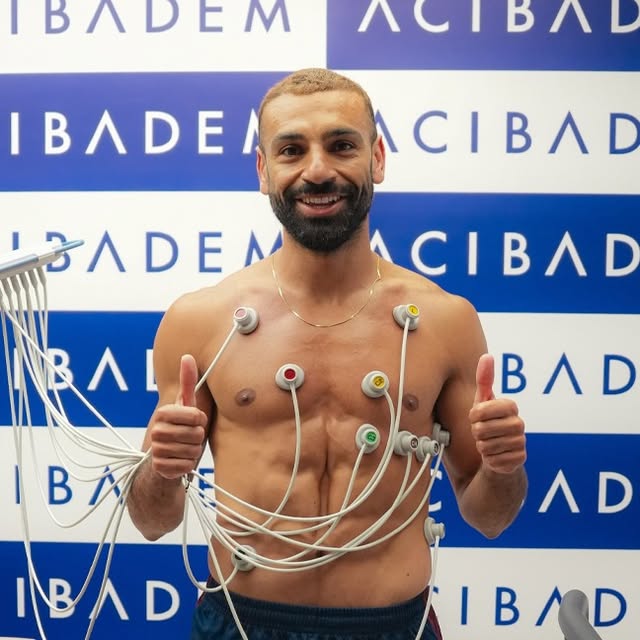 Egypt Mohamed Salah’s Comprehensive Medical Check-Up at Acibadem Maslak
 Egyptian football star Mohamed Salah completed a comprehensive pre-transfer medical examination at Acibadem Maslak Hospital in Istanbul.
Read the story →Speak with our medical team
Share your case and our international patient team will guide you to the right specialist, free of charge.