

How Does Hairline Surgery Work?

Hairline surgery may restore a receding hairline, lower a naturally high hairline, or refine hairline shape. The best technique depends on the cause of hair loss, scalp laxity, hair density, and long-term goals.
Key Takeaways
- Hairline surgery may restore a receding hairline, lower a naturally high hairline, or refine hairline shape.
- The best technique depends on the cause of hair loss, scalp laxity, hair density, and long-term goals.
- A natural result relies on careful planning of hair direction, density, and age-appropriate hairline design.
- Recovery is usually gradual, and final results often take months as transplanted hairs shed and regrow.
- Not everyone is a candidate; active scalp disease, unstable hair loss, or unrealistic expectations may require other options first.
Hairline surgery is a procedure used to reshape, lower, or restore the hairline for a more balanced appearance. Depending on the person’s hair pattern, scalp flexibility, and goals, it may involve hair transplantation, surgical advancement of the scalp, or a combination of techniques.
Overview: what hairline surgery means
Hairline surgery is a broad term for procedures that change the position, shape, or density of the front hairline. Some people seek it because of a receding hairline related to genetic hair loss, while others have a naturally high forehead and want the hairline lowered. In some cases, the goal is reconstructive, such as improving scars or correcting an earlier procedure.
There are two main approaches. One is hair transplantation, in which healthy hair follicles are moved from a donor area, usually the back or sides of the scalp, to the hairline. The other is hairline lowering or forehead reduction surgery, in which the scalp is advanced forward to reduce forehead height. Some patients may benefit from a combination approach, especially if the surgeon wants to improve both hairline position and density.
Because the hairline frames the face, even small changes can have a noticeable cosmetic effect. For this reason, planning is highly individualized. Surgeons consider facial proportions, age, sex, hair texture, donor hair availability, and the likelihood of future hair loss before recommending treatment.
Who may consider hairline surgery
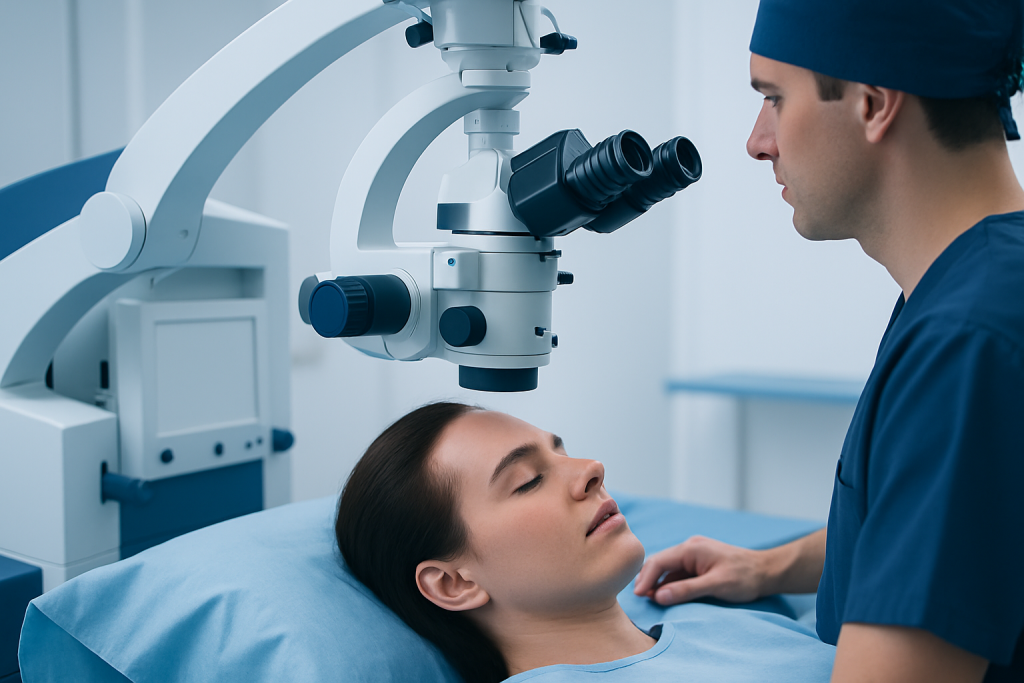
Hairline surgery may be considered by adults who are bothered by a receding frontal hairline, a naturally high hairline, asymmetry, or thinning at the temples. It can also help selected patients who want refinement after trauma, scars, or a previous transplant. A careful evaluation is important because the same visible concern can have different underlying causes.
Many people with pattern hair loss are treated with transplantation techniques such as FUE hair transplant or DHI hair transplant, which place individual follicles to recreate a softer, natural front edge. Women with a high hairline or frontal thinning may also benefit from tailored planning, and in some cases hair transplant for women may be discussed as part of the treatment plan.
However, surgery is not ideal for everyone. People with active scalp inflammation, uncontrolled medical conditions, poor donor hair reserves, or ongoing unstable hair loss may need medical treatment first. Conditions such as alopecia areata can cause patchy, unpredictable hair loss, so diagnosis should be clear before surgery is considered.
How hairline surgery works

In hair transplantation for the hairline, the surgeon first identifies a donor area where hair follicles are genetically more resistant to shedding. Individual follicular units are then removed and implanted into tiny sites created along the planned hairline. The angle, direction, and spacing of these grafts are essential because front hair must look soft and irregular in a natural way rather than dense and sharply lined.
Follicles placed at the leading edge are usually finer single-hair grafts, while slightly denser grafts may be placed behind them to build fullness. This layering helps create a gradual transition that resembles a natural hairline. The procedure is typically done with local anesthesia, and the patient can usually go home the same day.
Hairline lowering surgery works differently. Instead of moving hair follicles one by one, the surgeon removes a strip of forehead skin near the hairline and advances the scalp forward. This can lower the hairline immediately, but it requires enough scalp laxity and is not suitable for everyone. Some patients later choose a smaller transplant to soften the scar or refine temple shape.
Advanced or complementary techniques may be discussed depending on the case. For example, some patients explore hair transplant without shaving for discretion, or hair transplant repair if they have an unnatural result from a previous procedure.
Evaluation, diagnosis, and planning
A consultation usually includes a medical history, scalp examination, and discussion of the patient’s goals. The doctor looks at the pattern of hair loss, donor density, hair shaft thickness, scalp health, and signs of scarring or inflammation. Family history and the pace of hair loss also matter because the surgeon must plan for how the hairline may age over time.
In some cases, the doctor may recommend tests or dermatologic evaluation before surgery, especially if there is shedding, scalp redness, scaling, or patchy loss. Disorders such as seborrheic dermatitis or other inflammatory scalp conditions may need treatment first because a healthier scalp supports better healing and more reliable results.
Hairline design is one of the most important parts of the process. A very low or overly straight hairline may not look natural later in life, especially if surrounding hair continues to thin. Good planning aims for a balanced, age-appropriate result that matches facial features and preserves donor hair for possible future needs.
Photographs are often taken for planning and follow-up. The surgeon may explain how many grafts are likely needed, whether one or more sessions may be required, and what level of density is realistic. This discussion helps align expectations before treatment.
Treatment options and what results to expect
The right treatment depends on whether the concern is position, density, or both. Hair transplantation is often preferred when the person needs more hair along the frontal edge, temple points, or areas of recession. Hairline lowering surgery is more suitable when the main concern is a high forehead and the scalp is mobile enough to be advanced safely.
Some patients are better served by non-surgical measures alone or in combination with surgery. Medical therapy may help stabilize pattern hair loss before or after a procedure. In selected cases, non-surgical hair restoration or laser hair therapy may be discussed as supportive options, although they do not replace the structural change achieved by surgery.
Results from transplantation take time. Newly placed hairs often shed within the first weeks, which is a normal part of the cycle, and then begin growing again over the following months. Improvement is gradual, and the final appearance may not be fully visible for many months. Hairline lowering surgery changes forehead height immediately, but the scar also needs time to mature and settle.
Naturalness matters more than simply placing a large number of grafts. The best outcomes usually come from conservative design, careful graft placement, and a long-term plan that accounts for future hair loss. Some people may later choose a second session to increase density or refine details.
Recovery, aftercare, and possible risks
After hair transplantation, it is common to have mild swelling, redness, tenderness, and tiny crusts around grafts for several days. Patients are usually given instructions on washing, sleeping position, exercise limits, and when to return to work. Protecting the scalp from friction, sun exposure, and picking at scabs is important during early healing.
After hairline lowering surgery, there may be tightness, numbness, swelling, or bruising around the forehead and scalp. The incision line gradually fades, but scar visibility varies from person to person. Follow-up visits allow the team to monitor healing and address any concerns promptly.
As with any procedure, risks can include bleeding, infection, temporary shock loss of nearby hairs, poor graft growth, numbness, scarring, and dissatisfaction with density or shape. These problems are less likely when patients are appropriately selected and the procedure is performed by experienced specialists, but no cosmetic procedure can guarantee a perfect result.
People who form raised scars or have a history of keloid should mention this during consultation because it may affect planning. A qualified surgeon will explain both benefits and limitations clearly before treatment.
When to seek medical advice
Anyone considering hairline surgery should first have a proper diagnosis of the cause of hair loss or hairline concern. A dermatologist or hair restoration surgeon can help determine whether the issue is genetic hair loss, a medical scalp condition, traction, scarring, or simply natural anatomy. This step helps avoid ineffective or poorly timed procedures.
Medical advice is especially important if hair loss is sudden, patchy, painful, itchy, or associated with redness and scaling. These features can suggest an underlying condition that needs treatment before surgery. It is also wise to seek review if a previous transplant looks unnatural or if scarring is a concern.
People should contact their care team promptly after surgery if they develop increasing pain, spreading redness, fever, unusual drainage, or significant bleeding. Early communication helps address routine healing questions and identify complications quickly.
For international patients, Acibadem International’s multidisciplinary specialists and JCI-accredited hospitals evaluate hair and scalp concerns and provide individualized treatment plans when hairline surgery is appropriate.
Frequently asked questions
Is hairline surgery the same as a hair transplant?
Not always. Hairline surgery can refer to hair transplantation, hairline lowering surgery, or a combination of both. A hair transplant adds follicles to reshape the hairline, while hairline lowering moves the scalp forward to reduce forehead height.
How long does it take to see results after hairline surgery?
Timing depends on the procedure. After a hair transplant, implanted hairs often shed first and then begin to regrow over several months, with fuller results appearing gradually. Hairline lowering changes the position immediately, but the scar and final appearance continue to improve as healing progresses.
Does hairline surgery look natural?
It can look very natural when the hairline is designed carefully and grafts are placed at the right angle and density. The most natural results usually avoid a perfectly straight, low line and instead follow the person’s facial proportions and long-term hair pattern. Choosing an experienced specialist is important.
Who is not a good candidate for hairline surgery?
People with active scalp disease, unstable hair loss, very limited donor hair, or certain medical issues may need other treatment first or may not be suitable candidates. Unrealistic expectations can also be a reason to delay surgery. A full consultation helps determine safety and likely benefit.
Is hairline surgery painful?
The procedure is usually performed with local anesthesia, so discomfort during treatment is typically limited. Mild soreness, tightness, or swelling can occur afterward, depending on the technique used. The care team generally provides guidance on how to manage recovery comfortably.
Can women have hairline surgery?
Yes. Women may seek hairline surgery for a high natural hairline, thinning at the front, scarring, or hair loss related to traction or other causes. Treatment planning should be individualized because female hair loss patterns and styling preferences can differ from those in men.
References
- American Academy of Dermatology
- International Society of Hair Restoration Surgery
- British Association of Dermatologists
- American Society of Plastic Surgeons
This article is for general information only and is not a substitute for professional medical advice. Please consult a qualified doctor about your individual situation.
Hair transplant in Turkey — costs, graft counts & a free assessment
JCI-accredited · board-certified surgeons · reply within 24h
Add us as a Preferred Source to see more of our trusted health content across Google Search, AI Overviews and Discover.

Related Treatments
Related Conditions
More from the Health Library



Related Specialists

Prof. Dr. Sedef Şahin
Dermatology
Prof. Dr. Özlem Dicle
Dermatology
Prof. Dr. Emel Öztürk Durmaz
Dermatology
Assoc. Prof. Dr. Yasemin Koyuncu
Dermatology