

Treatment for Baldness: What Works for Hair Regrowth?

Not all baldness is the same; effective treatment starts with identifying the cause. Common options include medications, low-level light therapy, supportive scalp care, and hair transplant surgery.
Key Takeaways
- Not all baldness is the same; effective treatment starts with identifying the cause.
- Common options include medications, low-level light therapy, supportive scalp care, and hair transplant surgery.
- Earlier treatment often helps preserve existing hair and improve regrowth potential.
- Sudden, patchy, or inflamed hair loss should be assessed by a doctor promptly.
- Hair transplants can restore hair in selected people, but they do not stop ongoing hair loss.
Treatment for baldness depends on why hair loss is happening, how advanced it is, and the person's goals. Many people benefit from a combination of medical treatment, scalp care, and in some cases hair restoration procedures.
Overview: What Is Baldness and Can Hair Regrow?
Baldness describes noticeable hair thinning or hair loss that may affect the scalp alone or, less commonly, other body areas. It can develop gradually over years, as in male or female pattern hair loss, or appear more suddenly because of stress, illness, autoimmune conditions, hormonal changes, medications, or scalp disease. Because the causes differ, there is no single best treatment for everyone.
Hair regrowth is possible in many cases, but the likelihood depends on whether the hair follicles are still active. In conditions that temporarily push hairs into a resting phase, regrowth often happens naturally or with treatment. In long-standing pattern baldness, treatment may help slow further loss, thicken miniaturized hairs, and improve appearance, though complete reversal is not always possible.
A careful diagnosis is important before starting treatment for baldness. For example, patchy autoimmune hair loss such as alopecia areata is managed differently from hereditary pattern baldness, while inflammation from scalp disorders like seborrheic dermatitis may worsen shedding and needs separate treatment. Understanding the underlying reason helps set realistic expectations and guides the safest plan.
Symptoms and Common Patterns of Hair Loss
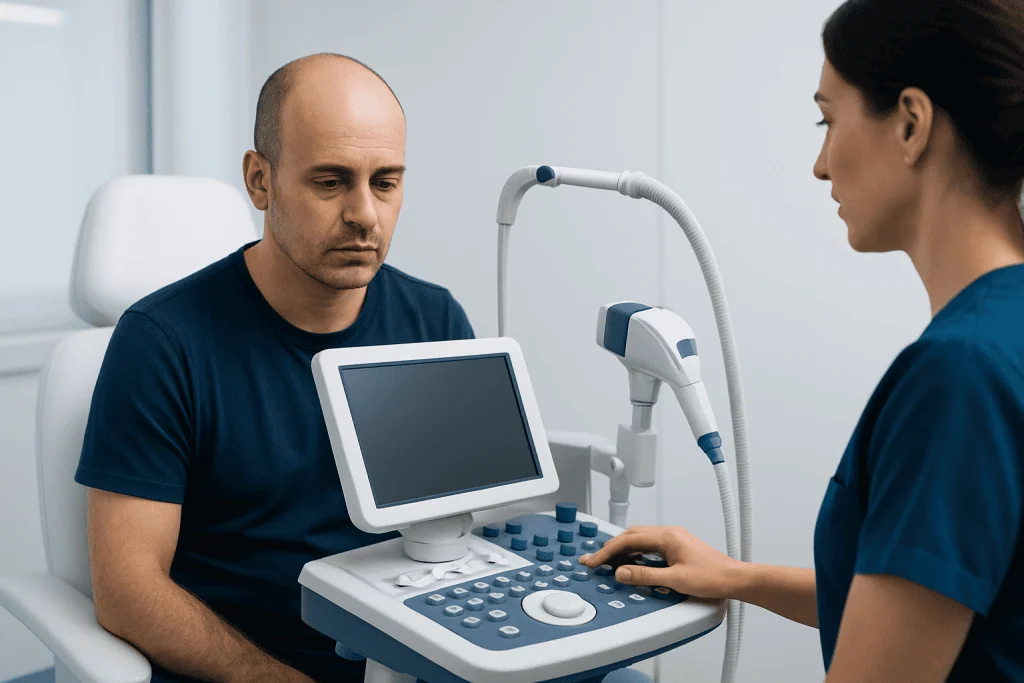
Baldness can look different from person to person. Some people notice a receding hairline or thinning at the crown, while others see a widening part line, more scalp visibility, or increased shedding in the shower or on a hairbrush. Hair may also become finer, shorter, or less dense before obvious bald patches appear.
Male pattern baldness often starts at the temples or crown and gradually progresses. Female pattern hair loss more often causes diffuse thinning over the top of the scalp, usually with preservation of the frontal hairline. Patchy round areas of hair loss may suggest an autoimmune cause, while sudden diffuse shedding may happen after childbirth, major stress, fever, surgery, or significant weight loss.
Symptoms that deserve attention include scalp redness, itching, pain, scaling, burning, pustules, or broken hairs. These signs can point to inflammation, infection, or a scarring hair disorder, which may require prompt treatment to protect the follicles. Changes in the eyebrows, eyelashes, or body hair can also provide clues to the diagnosis.
- Gradual thinning at the temples or crown
- Widening part line or reduced ponytail volume
- Patchy bald spots
- Excess shedding after stress or illness
- Scalp itching, flaking, redness, or tenderness
Causes and Risk Factors

The most common cause of baldness is androgenetic alopecia, also called hereditary or pattern hair loss. This type is influenced by genes and hormones and can affect both men and women. Hair follicles gradually shrink over time, producing finer hairs until growth becomes very limited. Family history is a strong risk factor, but age and hormonal sensitivity also play a role.
Other causes include telogen effluvium, an increase in hair shedding triggered by physical or emotional stress, childbirth, illness, surgery, nutritional deficiency, or certain medicines. Autoimmune hair loss, thyroid disease, anemia, and hormonal disorders can also contribute. Tight hairstyles, frequent chemical processing, or heat may worsen breakage or traction-related loss.
Scalp health matters as well. Inflammatory skin disorders, including eczema, psoriasis, or fungal infection, may interfere with a healthy hair cycle and aggravate shedding. Conditions such as psoriasis or chronic irritation from contact dermatitis do not always cause permanent baldness, but uncontrolled inflammation can make hair loss more noticeable and sometimes lead to scarring in severe cases.
Risk factors for more visible baldness include untreated ongoing shedding, delayed evaluation, smoking, some nutritional deficiencies, and repeated trauma to the hair or scalp. Since several factors can overlap, a person may have hereditary hair loss plus stress-related shedding or a scalp condition at the same time.
How Doctors Diagnose the Cause of Baldness
Diagnosis usually begins with a medical history and scalp examination. A doctor asks when hair loss began, how quickly it progressed, whether there is itching or pain, what medications are being taken, and whether recent illness, stress, childbirth, or weight change occurred. Family history and hair care practices are also important.
During the exam, the clinician looks for the pattern of thinning, miniaturized hairs, broken hairs, inflammation, scaling, or scar-like changes. A gentle hair pull test may help assess active shedding. In some clinics, dermoscopy or trichoscopy is used to magnify the scalp and follicles, which can improve diagnostic accuracy without discomfort.
Blood tests may be recommended when a systemic cause is suspected, such as thyroid imbalance, iron deficiency, anemia, vitamin deficiency, or hormonal changes. In selected cases, especially when scarring alopecia is possible, a small scalp biopsy may be needed. This helps distinguish reversible hair loss from conditions that can permanently damage follicles if not treated quickly.
An accurate diagnosis is the key step before choosing a treatment for baldness. It helps avoid ineffective products, reduces unnecessary worry, and makes it easier to decide whether medicines, procedures, or surgery are most appropriate.
Treatment for Baldness: What Works?
Effective treatment depends on the cause of baldness and the stage of hair loss. For pattern hair loss, doctors commonly recommend evidence-based medical therapy to slow progression and support regrowth. This may include topical treatments, oral medications in selected adults, and management of contributing factors such as iron deficiency or scalp inflammation. Because response is gradual, treatment usually needs several months before visible improvement can be judged.
For people with increased shedding from telogen effluvium, the main approach is to identify and correct the trigger. Hair often improves over time once the body recovers and deficiencies or hormonal issues are addressed. Autoimmune or inflammatory causes may need targeted medical treatment from a dermatologist. Self-prescribing multiple products at once can make it hard to tell what is helping and may irritate the scalp.
Non-surgical procedures can also support hair regrowth or improve hair density appearance. Low-level light or laser hair therapy may be considered for some patients with pattern hair loss. Some clinics also offer broader non-surgical hair restoration approaches that combine scalp assessment, medical therapy, and supportive procedures. These options may be useful for people who are not ready for surgery or who want to preserve existing hair.
When hair loss is advanced and donor hair is adequate, hair transplant surgery can be an effective restoration option. Techniques such as FUE hair transplant or DHI hair transplant move healthy follicles from denser scalp areas to thinning or bald regions. These procedures can create a natural-looking result in carefully selected candidates, but they work best when the underlying pattern and future hair loss are properly planned for.
Hair Transplant and Other Cosmetic Restoration Options
Hair transplant surgery is usually considered when medical treatment alone cannot provide enough coverage or when hair loss has stabilized enough for planning. The surgeon evaluates donor hair quality, scalp characteristics, hairline design, age, and the likelihood of future loss. This helps achieve a balanced result that still looks natural over time.
It is important to understand that transplantation redistributes existing hair; it does not create new follicles or stop ongoing thinning in untreated areas. For that reason, many patients are advised to continue medical therapy after surgery when appropriate. Recovery and final density vary, and results appear gradually as the transplanted hairs enter their normal growth cycle.
Some people are not ideal candidates for transplant, such as those with insufficient donor hair, unstable diffuse shedding, or uncontrolled scarring or inflammatory scalp disease. In these situations, camouflage options may be discussed. Cosmetic approaches such as fibers, hairstyle changes, or scalp micropigmentation can improve appearance and confidence without surgery.
Near the end of the treatment journey, support from experienced specialists can be helpful. Acibadem International’s multidisciplinary teams and JCI-accredited hospitals evaluate hair loss causes and offer medical and surgical care for international patients when appropriate.
Prevention, Scalp Care, and Self-Care
Not all baldness can be prevented, especially hereditary pattern hair loss, but early attention may slow progression and protect existing hair. People who notice persistent thinning should avoid delaying assessment for months or years, as earlier treatment often offers more options. Gentle daily care also helps reduce unnecessary breakage that can make hair seem thinner.
Helpful habits include avoiding very tight hairstyles, minimizing harsh bleaching or frequent heat styling, and using shampoos or scalp products suited to the person’s skin type. A balanced diet with enough protein, iron, zinc, and other nutrients supports normal hair growth, though supplements should be guided by a doctor if deficiency is suspected. Managing stress, sleep, and overall health can also help because the hair cycle is sensitive to major physical strain.
People should be cautious with online miracle cures. Products claiming instant regrowth or permanent reversal without evidence may waste money and sometimes irritate the scalp. A dermatologist can help choose realistic, evidence-based options and monitor progress with photographs or follow-up exams.
- Seek evaluation if shedding or thinning continues
- Treat scalp conditions promptly
- Use gentle hair care and avoid traction
- Support general health with good nutrition and stress management
- Follow treatment consistently, since hair regrowth takes time
When to See a Doctor
A doctor should assess hair loss that is sudden, patchy, rapidly worsening, or associated with scalp pain, redness, scaling, or pus. These features may suggest an inflammatory, infectious, or autoimmune problem that needs prompt care. Medical review is also important if hair loss begins after a new medicine or is accompanied by fatigue, menstrual changes, weight change, or other symptoms that could point to a hormonal or nutritional issue.
People with long-standing hereditary baldness can also benefit from a consultation, even if the concern feels mainly cosmetic. Treatment may slow further thinning, improve hair density, and clarify whether surgery is worth considering. A specialist can also explain what kind of improvement is realistic for the person’s age, pattern of loss, and donor hair supply.
Children, pregnant women, and people with chronic illnesses should not start hair loss treatments without professional advice. Safe options vary between individuals, and some therapies are not suitable for everyone. A calm, step-by-step evaluation usually provides the clearest path forward.
Frequently asked questions
What is the best treatment for baldness?
The best treatment for baldness depends on the cause. Pattern hair loss is often managed with medical therapy, while autoimmune, inflammatory, or stress-related hair loss may need a different approach. A doctor can identify the cause and suggest the most suitable plan.
Can hair grow back after baldness?
Hair can grow back in many cases, especially if the follicles are still active and the cause is reversible or treatable. Regrowth is less likely in areas where follicles have been permanently damaged, such as some scarring conditions. Early evaluation improves the chance of preserving and restoring hair.
How long does hair regrowth treatment take to work?
Hair grows slowly, so most treatments need time. Many people need several months before they notice less shedding or improved density, and full assessment often takes longer. Consistency is important, since stopping treatment too soon can make it seem ineffective.
Does a hair transplant cure baldness?
A hair transplant can restore hair to selected thinning or bald areas, but it does not cure the underlying tendency to lose hair. Native hair around the transplanted follicles may continue to thin over time. That is why many people still need ongoing medical management after surgery.
When should someone worry about hair loss?
Hair loss should be checked if it is sudden, patchy, painful, or associated with itching, redness, scaling, or scarring. It also deserves evaluation if it follows a new medication or comes with symptoms such as fatigue or weight change. These features may suggest a medical cause beyond normal shedding.
Are non-surgical options effective for hair loss?
Non-surgical options can be effective, especially in early or moderate pattern hair loss and in temporary shedding conditions. They may slow progression, improve hair thickness, or support regrowth when used appropriately. Results vary, so treatment works best when tailored to the individual diagnosis.
References
- American Academy of Dermatology
- National Institute of Arthritis and Musculoskeletal and Skin Diseases
- British Association of Dermatologists
- National Health Service
- Mayo Clinic
This article is for general information only and is not a substitute for professional medical advice. Please consult a qualified doctor about your individual situation.
Hair transplant in Turkey — costs, graft counts & a free assessment
JCI-accredited · board-certified surgeons · reply within 24h
Add us as a Preferred Source to see more of our trusted health content across Google Search, AI Overviews and Discover.

Related Treatments
Related Conditions
More from the Health Library



Related Specialists
Prof. Dr. Sedef Şahin
Dermatology
Prof. Dr. Şükrü Yazar
Aesthetic Plastic & Reconstructive Surgery
Prof. Dr. Emel Öztürk Durmaz
Dermatology
Prof. Dr. Özlem Dicle
Dermatology