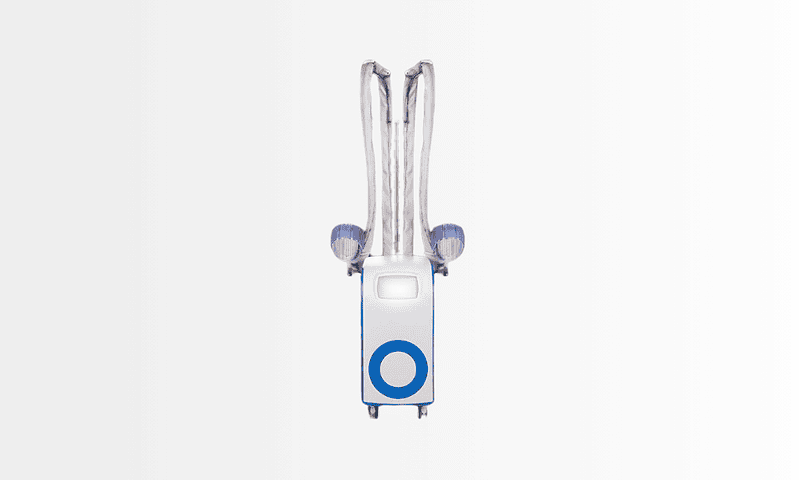
Chemotherapy
Chemotherapy uses anti-cancer medicines to destroy or control cancer cells, often as part of a personalized treatment plan before, after, or alongside surgery, radiotherapy, or targeted therapies.
Quick answer
Chemotherapy is treatment with anti-cancer medicines that destroy cancer cells or stop them dividing. It is given intravenously, by mouth, or by other routes, usually in cycles with rest periods between them. Depending on the cancer and its stage, chemotherapy may aim to cure disease, shrink a tumour before surgery, reduce recurrence risk afterwards, or control symptoms in advanced cancer.
Chemotherapy in Modern Cancer Treatment
Chemotherapy is treatment with anti-cancer medicines that destroy cancer cells, slow their growth, or stop them dividing. It is one of the most established forms of cancer treatment, used for many different cancers, sometimes on its own, more often alongside surgery, radiotherapy, immunotherapy or targeted therapy. Whether chemotherapy is right for you depends on the type of cancer you have, its stage, its biology, your general health, and what the treatment is trying to achieve.
If your doctor has told you that chemotherapy may be part of your plan, you probably have several questions at once. Will it work? How difficult will the side effects be? Can you keep working, travelling, looking after your family? How does chemotherapy fit with an operation or with radiotherapy? This page answers those questions as directly as the evidence allows.
One point is worth making at the start. Chemotherapy is not a single treatment. It is a broad category covering many medicines and many combinations, planned according to the cancer type, its stage, the tumour’s biology, previous treatments, your organ function, and your own priorities. Two people with the same diagnosis may receive different regimens for good medical reasons. A page like this can explain how chemotherapy works and what it involves; only a medical oncologist who has reviewed your records can tell you what it means for you.
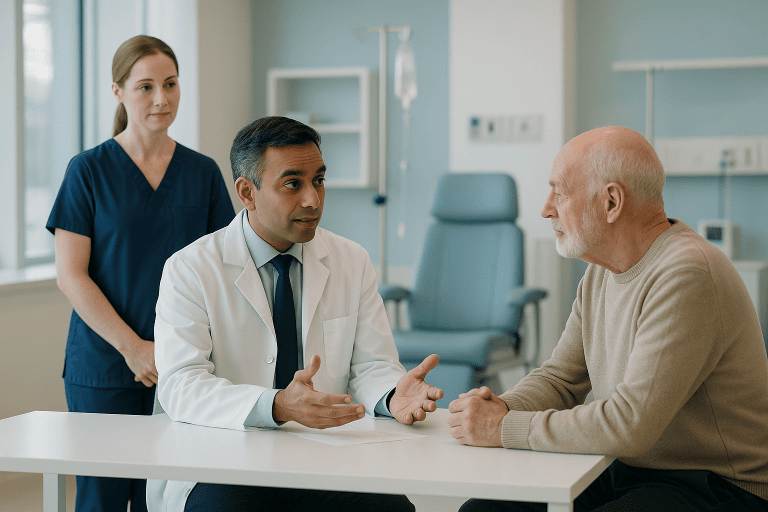
At Acibadem, chemotherapy is planned within a multidisciplinary cancer care environment. Medical oncologists work with surgeons, radiation oncologists, radiologists, pathologists, nuclear medicine specialists, genetic counsellors, oncology nurses, pharmacists, nutrition specialists and supportive care teams as the case requires. This coordinated model matters because chemotherapy decisions need to be medically sound, clearly explained, and practical to follow from the first cycle through to long-term follow-up.
What Is Chemotherapy?
What is chemotherapy, exactly? It is treatment with medicines that interfere with the ability of cancer cells to grow and divide. Cancer cells often multiply faster than most normal cells, and chemotherapy exploits that vulnerability. Depending on the drug, it may damage cancer cell DNA, block cell division, disrupt essential metabolic processes, or trigger cell death directly. Because the medicines circulate in the bloodstream, chemotherapy can reach cancer cells throughout the body, including cells too small to appear on any scan. That systemic reach is what distinguishes it from local treatments such as surgery and radiotherapy, which act on one defined area.
Some regimens use a single drug. Others combine two or more medicines that attack cancer cells through different mechanisms, which can improve effectiveness and reduce the chance that resistant cells survive. Treatment is typically organised in cycles: days of treatment followed by a rest period that allows healthy tissues to recover. The number of cycles depends on the diagnosis, the goal of treatment, and how your body and the cancer respond.
How does chemotherapy work?
Chemotherapy works by attacking cells that divide rapidly, which is the defining behaviour of most cancer cells. Different drug classes act at different points: some damage the genetic material a cell needs to copy itself, some block the machinery of cell division, some starve cells of building blocks they need to grow. The trade-off is that certain healthy tissues also divide quickly, bone marrow, hair follicles, the lining of the mouth and gut, which is why many familiar side effects occur in exactly those places. Modern regimens and supportive medicines are designed to keep that trade-off manageable, but it never disappears entirely, and honest treatment planning weighs expected benefit against expected burden for each individual patient.
Oncologists group chemotherapy medicines into classes according to how they act. Alkylating agents and platinum compounds damage DNA directly so that cancer cells cannot copy it. Antimetabolites mimic the natural building blocks of DNA and RNA, slipping into cellular processes and disrupting them from within. Anthracyclines and related antitumour antibiotics interfere with the enzymes cells use to unwind and copy DNA. Taxanes and vinca alkaloids attack the microtubule scaffolding a cell must assemble and dismantle to divide, while topoisomerase inhibitors block enzymes that manage DNA structure during replication. Knowing which classes your regimen draws from is genuinely useful: each class has a recognisable pattern of likely side effects and monitoring needs, and your team’s precautions, heart function checks, nerve symptom reviews, blood count schedules, follow directly from that pattern.
When was chemotherapy invented?
Chemotherapy as a cancer treatment dates to the 1940s, when researchers observed that nitrogen mustard compounds, studied initially in a military context, suppressed rapidly dividing blood cells, and tested them against lymphoma. Those early results were short-lived, but they established the principle that medicines could act against cancer throughout the body. In the decades since, the field has moved from single drugs to carefully sequenced combination regimens, from crude dosing to calculations based on body measurements and organ function, and from minimal supportive care to sophisticated management of nausea, infection risk and other complications. Today’s chemotherapy is the product of that long, incremental refinement, and it continues to evolve alongside newer systemic treatments.
Is chemotherapy a cancer cure?
Chemotherapy is not a universal cancer cure, and any clinic that presents it as one is overstating what medicine can promise. What is true is that for some cancers, certain lymphomas, leukaemias and testicular cancers among them, chemotherapy is given with curative intent and forms the backbone of treatment. For many other cancers, its role is different: reducing the risk of recurrence after surgery, shrinking a tumour before an operation, making radiotherapy more effective, or controlling disease that has spread. In advanced cancer, chemotherapy may help prolong survival, relieve symptoms and maintain quality of life when it is used carefully and monitored closely. The right question is rarely “will chemotherapy cure me?” but rather “what is this treatment trying to achieve in my specific case, and is that goal realistic?” A good oncologist will answer that plainly.
How does chemotherapy differ from targeted therapy and immunotherapy?
Chemotherapy differs from targeted therapy and immunotherapy in how it selects its target, although the three are often used together. Targeted therapies act on specific molecular changes in cancer cells or on the pathways that help them grow, which is why molecular testing of the tumour is often needed before they can be considered. Immunotherapies help your immune system recognise or attack cancer. Chemotherapy acts more broadly on rapidly dividing cells. None of these categories is inherently “better”; the best plan for a given cancer follows the evidence for that cancer, and for some diagnoses the strongest evidence still supports chemotherapy, alone or in combination.
Chemotherapy also serves different purposes in different patients:
- Neoadjuvant therapygiven before surgery to shrink a tumour, make the operation more effective or less extensive, and show how responsive the cancer is to systemic treatment.
- Adjuvant therapygiven after surgery to reduce the risk that microscopic remaining cancer cells later cause recurrence.
- Concurrent therapygiven alongside radiotherapy, where chemotherapy can increase the sensitivity of cancer cells to radiation.
- Treatment for metastatic or recurrent cancergiven to control disease, slow progression and relieve symptoms.
Who May Need Chemotherapy
Chemotherapy may be recommended for patients with many different cancers, but not every patient with cancer needs it. The decision rests on careful diagnosis, staging and risk assessment. A medical oncologist evaluates the exact cancer type, where it started, how far it has spread, how aggressive it appears under the microscope, and whether particular molecular or genetic features are present. Skipping any of those steps risks giving the wrong treatment, or the right treatment for the wrong reason.
Some patients reach oncology care after symptoms lead to a diagnosis: an unexplained lump, persistent pain, abnormal bleeding, changes in bowel or bladder habits, a cough that does not improve, unexplained weight loss, fatigue, fever, night sweats, difficulty swallowing, or skin changes. Many other cancers are found during screening, or on imaging done for unrelated reasons, before symptoms become obvious. How the cancer was found matters less than what the diagnostic work-up then shows.
That work-up usually begins with imaging and tissue confirmation. Imaging may include ultrasound, mammography, computed tomography, magnetic resonance imaging, positron emission tomography or other tests depending on the suspected cancer. A biopsy is generally required to confirm the diagnosis and identify the cancer subtype. Pathology and molecular testing can reveal details that strongly influence treatment selection, sometimes tipping the decision towards chemotherapy, sometimes away from it.
Staging is central to the decision. Staging describes the extent of disease: whether the cancer is localised, has spread to nearby lymph nodes, or has metastasised to distant organs. Alongside staging, your doctors assess whether chemotherapy would be safe for you. They evaluate kidney and liver function, blood cell counts, heart health where relevant, infection risk, current medications, allergies, fertility concerns and other medical conditions. A regimen that suits one patient may be inappropriate for another with the same cancer but different organ function.
Several situations commonly lead to a chemotherapy recommendation. A tumour may be too large for immediate surgery, and chemotherapy may reduce its size first. A cancer may carry a high risk of recurrence after surgery, making adjuvant chemotherapy worthwhile. Certain blood cancers require chemotherapy as primary treatment. Some cancers respond well to chemotherapy even when advanced. Equally, chemotherapy may not be the preferred first option when surgery, radiotherapy, targeted therapy, immunotherapy, hormone therapy or active surveillance is more appropriate. A recommendation against chemotherapy is not a lesser plan; it is sometimes the better one.
Because the decision is nuanced, second opinions are common and often valuable. Patients frequently ask for a review of pathology slides, imaging, molecular results and previous treatment records before committing to a plan. At Acibadem, complex cases may be discussed by specialist boards so that the recommendation reflects evidence-based protocols and the judgement of multiple disciplines rather than a single perspective.
Cancers Chemotherapy Is Used to Treat
Chemotherapy is used across a wide range of cancers, and its role varies by tumour type and stage. Protocols are selected according to international oncology guidelines and adjusted for individual patient factors. The overview below shows how varied that role can be.
In breast cancer, chemotherapy may be recommended before surgery to shrink tumours, particularly in selected aggressive subtypes, or after surgery to reduce recurrence risk. Tumour receptor status, grade, lymph node involvement, genomic risk tools where appropriate, and your overall health all influence the decision. Many breast cancer patients do not need chemotherapy at all; the value of careful assessment lies partly in identifying who can safely avoid it.
In colorectal cancer, chemotherapy is often used after surgery for colon cancers with lymph node involvement or other high-risk features. For rectal cancer, chemotherapy may be combined with radiotherapy or given before surgery as part of a planned sequence. In metastatic disease, chemotherapy can help control tumour growth and may be combined with targeted medicines depending on molecular markers.
In lung cancer, chemotherapy may be used before or after surgery in selected early-stage cases, alongside radiotherapy in locally advanced disease, or as systemic treatment for advanced cancer. Molecular testing is particularly important here, because targeted therapies or immunotherapies may be preferred for some patients, another reason not to begin treatment before the tumour has been fully characterised.
In gynaecological cancersovarian, cervical, uterine and certain rarer tumours, chemotherapy may be central to treatment. Ovarian cancer often involves surgery and chemotherapy together, while cervical cancer may require chemotherapy given with radiotherapy. The plan depends on stage, histology, surgical findings and your own goals.
In blood cancers, including lymphomas, leukaemias and multiple myeloma, chemotherapy may be used alone or with immunotherapy, targeted therapy, stem cell transplantation or cellular therapies. These cancers demand precise classification, because regimens differ significantly between subtypes that can look similar at first assessment.
In gastrointestinal cancersstomach, pancreatic, oesophageal, biliary tract and liver-related cancers, chemotherapy may be given before surgery, after surgery, with radiotherapy, or for disease control. These plans usually require close coordination among medical oncology, surgical oncology, gastroenterology, radiology, pathology and nutrition teams.
Chemotherapy is also used for head and neck cancers, genitourinary cancers such as bladder and testicular cancer, sarcomas, paediatric cancers and many less common malignancies. In every case, the key question is not whether chemotherapy is available, it almost always is, but whether it is the right therapy at the right time, for the right goal.
How Chemotherapy Is Given
How is chemotherapy administered?
Chemotherapy is administered by several routes, and the method depends on the cancer type, the specific drug and the treatment goal. Most chemotherapy medicines are given intravenously, through a vein, either as a short infusion or over several hours. Some are taken by mouth as tablets or capsules. Others are delivered directly into a body cavity, into the bladder, into the spinal fluid for selected cancers, or by other specialised routes.
For intravenous treatment, some patients receive each infusion through a peripheral vein in the arm. Others benefit from a central venous access device, an implanted port or catheter, especially when treatment is frequent, prolonged, or hard on small veins. The choice depends on the regimen, the condition of your veins, your preference and the expected duration of therapy; it is worth discussing at the planning stage rather than after problems arise.
Oral chemotherapy deserves the same seriousness as intravenous treatment. Because you take it at home, you carry more of the responsibility: dosing, timing, food interactions, missed doses, storage and safe handling all matter, and your team will explain each. Blood tests and follow-up visits remain necessary even when treatment involves no infusions at all.
Preparation before treatment
Preparation begins with a detailed oncology consultation. The medical oncologist reviews your diagnosis, stage, pathology, imaging, laboratory results, prior treatments, medications, allergies and medical history. Bringing complete records to that first consultation, pathology reports, imaging studies, laboratory results and any previous treatment summaries, reduces unnecessary delays and helps the consultation run efficiently.
Before chemotherapy starts, you will usually have blood tests to check blood cell counts, kidney and liver function, electrolytes and other markers relevant to the chosen regimen. Some medicines require additional assessments, heart function testing, lung evaluation, hearing tests, viral screening or fertility counselling. If treatment may affect fertility, options such as sperm banking, egg or embryo freezing, or ovarian protection strategies are discussed before therapy begins, not after, because the window for these steps closes once treatment starts.
The team also explains the schedule, the expected benefits, the possible side effects, the warning signs worth reporting, and the supportive medicines you will use. You may receive anti-nausea medication, hydration instructions, infection precautions, mouth care guidance, nutritional advice, and information about hair loss risk where the regimen carries it. This education is not a formality; it is part of safe cancer care. Patients who understand what to expect report symptoms earlier and complete treatment with fewer avoidable complications.
What happens on a chemotherapy day?
A chemotherapy day follows a structured, repeated safety routine. The team confirms your identity, diagnosis, regimen, dose, laboratory results and any symptoms since the last visit. Doses may be calculated from body surface area, weight, kidney function, liver function or other measures depending on the drug. Safety checks are built into every stage, including pharmacy preparation and independent nursing verification before anything reaches you.
Many patients receive premedications before the infusion, anti-nausea medicines, allergy-prevention medicines, steroids or fluids. The infusion itself may take minutes or several hours, depending on the regimen. Some drugs require slow administration and careful observation; others run more quickly. Nurses watch for infusion reactions, changes in vital signs, discomfort at the infusion site and other symptoms throughout.
Technology supports precise delivery at every step. Electronic prescribing, oncology pharmacy protocols, infusion pumps, laboratory monitoring and digital medical records help the team coordinate treatment and adjust plans when needed. Imaging assesses tumour response at defined intervals. Pathology and molecular diagnostics identify features that may change drug selection. In selected cases, genetic testing helps determine inherited cancer risk or guides family counselling.
How long do chemotherapy treatments take?
The length of chemotherapy varies widely, at every scale. A single infusion visit may last less than an hour or take most of a day. Cycles may repeat weekly, every two weeks, every three weeks, or on another schedule set by the regimen. A full course may last several weeks or several months. In some advanced cancers, treatment continues for as long as it is helping and side effects remain manageable; in adjuvant settings after surgery, the number of cycles is usually planned in advance. Your team should be able to tell you the intended schedule at the outset, along with the circumstances that could change it.
Response assessment is built into that schedule. Your doctors use physical examination, symptom review, blood tests, tumour markers where appropriate, and imaging to judge whether chemotherapy is working. If the cancer responds, treatment continues as planned. If side effects are too strong, doses may be adjusted, a cycle delayed, or supportive medicines added. If the cancer progresses despite treatment, the team may recommend a different regimen, targeted therapy, immunotherapy, radiotherapy, surgery, clinical trial evaluation or supportive care, depending on the situation. Progression is not the end of planning; it is a signal to change the plan.
Chemotherapy Side Effects
Chemotherapy side effects vary with the drugs used, the doses, the schedule and your individual response: there is no single list that applies to everyone. Some effects appear within hours, such as nausea, fatigue or infusion-related symptoms. Others develop over days: low blood counts, mouth sores, diarrhoea, constipation, taste changes, skin changes and increased infection risk. Hair loss, where the regimen causes it, usually begins after the first few weeks rather than immediately; for selected regimens, scalp cooling during infusions may reduce hair loss for some patients, though it does not work with every drug or for every person, and your team can tell you whether it is relevant to your treatment. Before treatment starts, your team will tell you which effects your specific regimen is known for, which is far more useful than any general list.
Supportive care is a major part of modern chemotherapy, not an afterthought. Current anti-nausea medications have made treatment considerably more tolerable for many patients than older generations of drugs allowed. Growth factors may be used in selected cases to reduce the risk of dangerously low white blood cell counts. Pain management, nutrition support, psychological support, guided physical activity, infection prevention, and treatment of anaemia or dehydration all influence how well you tolerate therapy, and how likely you are to complete it as planned.
Two everyday areas deserve particular attention between visits. The first is mouth care: gentle brushing with a soft toothbrush, regular rinses as your team advises, and early reporting of soreness reduce the impact of mucositis when it occurs and help you keep eating through it. The second is nutrition: taste changes, early fullness and appetite loss can erode intake so gradually that weight and strength slip before anyone notices. Maintaining protein and calorie intake supports blood count recovery between cycles, and oncology dietitians can adapt textures, timing and food choices to whatever the current cycle allows.
Part of standard chemotherapy education is learning which symptoms your team treats as urgent. Fever during chemotherapy is taken especially seriously, because low white blood cell counts can make an ordinary infection dangerous. Severe vomiting, uncontrolled diarrhoea, shortness of breath, chest pain, confusion, bleeding, dehydration and sudden weakness are likewise treated as priorities. Oncology teams build this reporting culture deliberately: complications caught early are far easier to treat than complications reported late.
What are the hardest days after chemo?
For many patients, the hardest days after chemo come not on treatment day itself but a few days later, when premedications wear off and delayed effects such as fatigue, nausea and appetite loss reach their peak, often somewhere in the first week after infusion. Blood counts follow a slower curve, typically reaching their lowest point around one to two weeks after treatment, which is when infection risk is highest for regimens that suppress the bone marrow. The pattern is personal, though: after one or two cycles, most patients recognise their own rhythm and can plan rest, work and activity around it. Telling your team about your pattern helps them time supportive medicines to when you actually need them.
What can you not do during chemotherapy?
There is no universal list of prohibitions during chemotherapy, but several precautions apply broadly. Your team will usually advise reducing infection exposure when blood counts are low, careful food hygiene, hand washing, and avoiding close contact with people who are visibly unwell. Live vaccines are generally avoided during treatment. Smoking works against therapy, and alcohol may interact with certain drugs or strain the liver. Supplements and herbal products should always be discussed with your oncology team before use, because some interfere with chemotherapy or increase bleeding and liver toxicity risks. Activity, by contrast, is usually encouraged rather than restricted: moderate exercise, when your physician approves it, can help with fatigue and function. The most reliable rule is regimen-specific guidance from your own team rather than general internet lists.
Does your body ever fully recover from chemotherapy?
Honestly answered: it depends on the drugs, the doses and the person. Many chemo side effects, nausea, hair loss, low blood counts, mouth sores, resolve in the weeks and months after treatment ends, and many patients return to the life they had before. Some effects can persist or emerge later: nerve symptoms in the hands and feet, early menopause, fertility changes, or heart-related risks with certain drugs. This is why follow-up does not stop when infusions do, and why long-term monitoring is planned for regimens known to carry late effects. Stating these limits plainly is not pessimism; it is the information you need to weigh a treatment decision properly and to know what to watch for afterwards.
What is the survival rate for chemotherapy patients?
There is no single survival rate for chemotherapy patients, and any figure quoted without context is misleading. Survival depends on the cancer type, its stage and biology, the goal of treatment, the regimen used and your overall health, chemotherapy for a curable lymphoma and chemotherapy for symptom control in advanced pancreatic cancer are entirely different clinical situations that no shared statistic can describe. The meaningful conversation is individual: ask your oncologist what the treatment is expected to achieve in your specific case, what the realistic range of outcomes looks like for your diagnosis and stage, and how response will be measured along the way. A trustworthy answer will include uncertainty, because uncertainty is part of the truth.
Benefits of Chemotherapy
The potential benefits of chemotherapy depend on the cancer type, the stage, the treatment goal and how your individual tumour responds. The table below summarises what chemotherapy can offer when it is used for the right indication.
| Benefit | What It Means for You |
|---|---|
| Treating cancer throughout the body | Chemotherapy circulates in the bloodstream, which allows it to reach cancer cells that may not be visible on imaging or may have spread beyond the original tumour site. |
| Shrinking tumours before surgery or radiotherapy | Neoadjuvant chemotherapy may reduce tumour size, make local treatment more effective, or help doctors understand how responsive the cancer is to systemic therapy. |
| Reducing recurrence risk after surgery | Adjuvant chemotherapy may lower the chance that microscopic remaining cancer cells later develop into recurrent disease in selected cancers. |
| Improving symptom control | When cancer causes pain, pressure, bleeding, cough or other symptoms, chemotherapy may help by reducing tumour burden or slowing progression. |
| Working with other cancer treatments | Chemotherapy can be combined with radiotherapy, surgery, immunotherapy, targeted therapy or hormone therapy when evidence supports a combined approach. |
| Personalised adjustment over time | Treatment can often be modified based on response, side effects, laboratory results and changes in your overall health. |
Recovery Timeline After Chemotherapy
Every regimen is different, but most patients find it helpful to understand the general rhythm of treatment and recovery within each cycle. Use the timeline below as orientation, not prediction: your own pattern will become clear after the first cycle or two, and your team will adjust supportive care around it.
| Time Period | What Patients Can Expect |
|---|---|
| Day 1 | Pre-treatment checks, supportive medications and chemotherapy itself. Fatigue, mild nausea, appetite changes or drowsiness from premedications may occur. Some patients feel well enough to return to their accommodation the same day. |
| First Week | Side effects such as fatigue, nausea, constipation, diarrhoea, taste changes or sleep disruption may appear. The care team may recommend hydration, nutrition adjustments, medications and activity pacing. |
| Second Week | Blood counts may fall depending on the regimen, increasing infection or bleeding risk in some patients. Fever, chills, unusual bruising or severe weakness are treated as priority symptoms. |
| First Month | Patients begin to recognise their personal pattern of side effects and recovery between cycles. The oncology team may adjust supportive medicines, doses or timing if needed. |
| Longer Term | Imaging and laboratory follow-up assess response. Some side effects resolve after treatment ends, while others, such as nerve symptoms, early menopause, fertility effects, or heart-related risks with certain drugs, may require longer monitoring. |
Recovery between cycles is active rather than passive. Steady hydration, gentle daily movement, adequate protein, careful mouth care and a regular sleep routine all influence how well you enter the next cycle, and each is something you can act on at home. Keeping a simple symptom diary, what appeared, on which day, how long it lasted, is one of the most practical habits a chemotherapy patient can build: it turns a vague memory of a hard week into precise information your team can use to adjust supportive medicines, timing or doses.
Why Acting Early Matters
Timing matters in cancer treatment because many cancers become harder to treat as they grow, invade nearby tissue, or spread to distant organs. When chemotherapy is part of a curative or disease-controlling strategy, unnecessary delay can allow the cancer to progress and, in some cases, change which treatment options remain available.
Acting early does not always mean starting chemotherapy immediately. It means completing the right diagnostic steps promptly and making a careful decision without avoidable waiting. For some patients, surgery should come first. For others, chemotherapy before surgery offers the best chance of shrinking the tumour or treating microscopic disease early. In certain cancers, molecular testing must be completed before treatment is chosen, and waiting for those results is medically appropriate. The goal is timely precision, not rushed care, and a plan that starts a week later on complete information usually serves you better than one that starts tomorrow on incomplete information.
Delaying chemotherapy when it is genuinely recommended carries its own risks: tumour growth, worsening symptoms, complications such as obstruction or bleeding, and loss of physical strength that can make later treatment harder to tolerate. In aggressive cancers, delay may narrow the window for combined treatments. In advanced cancer, postponing systemic therapy may allow symptoms to worsen and quality of life to fall.
The mirror-image error is equally real. Chemotherapy should not begin without adequate evaluation. Starting the wrong regimen, missing a key molecular marker, or overlooking a serious health issue can cause avoidable harm. Multidisciplinary review, accurate pathology, appropriate imaging and patient-centred planning are what make early treatment responsible treatment.
What Influences Chemotherapy Outcomes
The success of chemotherapy is shaped by many medical and personal factors, and understanding them helps you interpret what your doctors tell you. The most important factor is the biology of the cancer itself. Some cancers are highly sensitive to chemotherapy; others are less responsive or require different strategies altogether. Even within one cancer type, molecular features, grade, hormone receptor status, genetic mutations and patterns of spread can change the expected benefit substantially.
Stage at diagnosis is the second major factor. Chemotherapy may be more effective when cancer is treated before widespread progression, though some advanced cancers also respond meaningfully. The purpose of treatment must be clear from the start, cure, recurrence reduction, tumour shrinkage, disease control, symptom relief, or preparation for another therapy, because a good result can only be measured against the goal it was aiming for.
Accurate diagnosis strongly affects outcomes. Pathology review, high-quality imaging, molecular testing and proper staging protect you from both under-treatment and over-treatment. A cancer that looks familiar under the microscope may behave quite differently if it carries certain biomarkers; in such cases chemotherapy may be combined with, or replaced by, targeted therapy, immunotherapy or hormone therapy.
Your overall health matters as much as the tumour’s characteristics. Kidney function, liver function, heart health, bone marrow reserve, nutrition, physical strength, age-related vulnerabilities, diabetes, infections and other conditions influence which drugs are safe and how well you tolerate them. Patients who are medically optimised before starting are better placed to complete the intended plan.
Sticking to the schedule helps, but flexibility is sometimes the safer course. A short delay or a dose adjustment may be exactly right if blood counts are low or side effects are significant. The aim is to deliver effective treatment while protecting you from avoidable complications, and skilled oncology teams make those adjustments on evidence, not improvisation.
Supportive care changes the experience of treatment. Effective nausea prevention, infection management, nutrition, hydration, mouth care, skin care, pain control and emotional support help patients continue therapy with fewer interruptions. Communication matters just as much: tell your team about side effects early, rather than waiting until symptoms become severe. Early reports lead to small adjustments; late reports lead to interrupted treatment.
Lifestyle plays a supporting role. Moderate physical activity, when your physician approves it, can help with fatigue and function. Adequate protein and calorie intake supports healing and resilience. Not smoking, limiting alcohol, managing sleep and following infection precautions are practical steps that may improve tolerance of treatment.
Finally, outcomes depend on how well the whole plan is coordinated. Cancer care is usually a sequence, chemotherapy before surgery, surgery before chemotherapy, chemotherapy with radiotherapy, or systemic therapy followed by maintenance treatment. Multidisciplinary planning ensures each step supports the larger strategy rather than being decided in isolation.
How Much Does Chemotherapy Cost?
The cost of chemotherapy varies so widely that no single figure would be honest, because the price is driven by variables that differ for every patient. The main cost drivers are the specific drugs in your regimen, some are inexpensive generics, others are costly agents, the number of cycles planned, whether treatment is given as an outpatient or requires hospital admission, the supportive medicines you need, the laboratory and imaging monitoring built into your schedule, and any additional procedures such as port placement. Diagnostic steps before treatment, including pathology review and molecular testing, are usually priced separately from the treatment itself. For these reasons, meaningful estimates are prepared individually, after a medical team has reviewed the diagnosis, the proposed regimen and the planned number of cycles. Treat any clinic that quotes a fixed all-inclusive chemotherapy price before seeing your records with caution: a genuine estimate cannot precede a genuine treatment plan.
Chemotherapy at Acibadem
Clinical expertise is only one part of safe chemotherapy. The right centre must also be able to evaluate complex records, coordinate specialists across disciplines, deliver treatment safely, communicate clearly, and support you through the medical and practical steps alike. Acibadem’s cancer care model is built around that broader reality.
Chemotherapy is delivered within oncology units where medical oncologists, oncology nurses, pharmacists, laboratory teams, imaging specialists and supportive care professionals work together. That coordination is not decorative: doses, laboratory results, side effects, drug interactions and timing all require continuous oversight, and chemotherapy is safest where those threads are held by one team.
Many cancer cases are reviewed through multidisciplinary tumour boards. These meetings bring together physicians from different fields to discuss diagnosis, staging, surgical options, radiotherapy planning, systemic therapy choices, pathology findings, imaging results, and genetic or molecular information where relevant. For you as a patient, this means the chemotherapy recommendation is weighed within your full treatment plan rather than decided in isolation.
Treatment follows evidence-based protocols aligned with international oncology practice, and it is personalised within that framework. Two patients with the same cancer type may need different approaches because of tumour markers, prior treatments, age, organ function or fertility concerns. The oncology team explains why a regimen is recommended, what alternatives exist, and how response will be monitored, and a recommendation you understand is one you can act on with confidence.
Advanced diagnostic pathways support the planning. Modern imaging defines the extent of disease and tracks response. Pathology and immunohistochemistry identify the cancer subtype. Molecular and genetic testing, when indicated, reveal mutations or biomarkers that determine whether chemotherapy, targeted therapy, immunotherapy or a combination is most appropriate. Laboratory monitoring before and during treatment detects safety concerns early, when they are easiest to manage.
The chemotherapy process itself rests on careful medication preparation, infusion monitoring and structured nursing education. You receive clear information on possible side effects, home precautions, priority symptoms, nutrition, medication use and follow-up. When side effects occur, the team adjusts supportive care or treatment timing. None of this makes chemotherapy easy, no honest clinic claims that, but it makes treatment as safe, purposeful and manageable as it can realistically be.
Chemotherapy here is not treated as an isolated infusion appointment. It sits within a broader cancer pathway that may include surgery, radiotherapy, nuclear medicine, interventional radiology, rehabilitation, pain care, nutrition, psycho-oncology and survivorship planning where appropriate. That integrated structure is particularly valuable for complex cancers, recurrent disease, or patients who have already been treated elsewhere and need their next step planned against a full history.
Questions Worth Settling Before Treatment Begins
Chemotherapy is a difficult word to hear, but it is also a treatment with many distinct roles in modern oncology. For some patients it belongs to a plan aimed at cure. For others it reduces recurrence risk, shrinks a tumour before surgery, controls disease, or relieves symptoms. The most useful question is never simply whether chemotherapy is needed, but which overall plan gives you the best balance of benefit, safety and quality of life for your specific diagnosis, and that question deserves a specific, well-evidenced answer.
A second opinion is a normal, respected part of cancer care, and it is most valuable when it rests on complete records: pathology reports, imaging studies, laboratory tests, molecular results, operative notes and previous treatment summaries. A thorough second review may confirm the original plan, suggest a different regimen, identify a role for surgery or radiotherapy, or recommend molecular testing that has not yet been performed. Whichever result it produces, it leaves you making the decision on firmer ground.
Before any chemotherapy plan begins, you should be able to answer four questions clearly: what this treatment is trying to achieve, why this regimen was chosen over the alternatives, how response and side effects will be monitored, and what happens if the plan needs to change. If you can answer all four, you understand your treatment. If you cannot, keep asking until you can: a good oncology team will welcome the questions.
Preparation
- Before chemotherapy, the oncology team reviews diagnosis, staging, blood tests, organ function, and previous treatments. Patients may need imaging, infection screening, medication adjustments, and counseling about side effects, fertility, nutrition, and venous access options.
Aftercare
- After each session, patients are monitored for side effects such as nausea, fatigue, infection risk, mouth sores, or low blood counts. Follow-up blood tests and oncology visits guide dose adjustments, supportive medications, and the timing of the next cycle.
Frequently Asked Questions
What affects the cost of chemotherapy in Turkey?
The cost depends on the cancer diagnosis, drug regimen, number of planned treatment cycles, laboratory and imaging needs, supportive medicines, outpatient or inpatient setting, and whether other treatments such as surgery, radiotherapy, immunotherapy, or targeted therapy are included. A personalised quote can only be prepared after a specialist reviews the medical records.
How can I get a personalised chemotherapy quote from Acibadem?
You can request a free consultation by sharing your diagnosis, pathology report, imaging results, laboratory tests, previous treatment records, and current medications. The oncology team reviews these documents and recommends the appropriate next steps before a tailored cost estimate is prepared.
Does a chemotherapy package usually include all tests and medicines?
Package contents vary by treatment plan. Some packages may include consultation, treatment planning, infusion appointments, basic monitoring, and international patient coordination, while advanced imaging, molecular tests, additional medicines, hospitalisation, or management of complications may be billed separately.
Why can the same chemotherapy diagnosis have different costs for different patients?
Patients with the same cancer name may need different medicines, doses, schedules, imaging, genetic tests, supportive care, or combined treatments. Overall health, organ function, treatment response, and side effects can also change the final plan and total cost.
Is chemotherapy always given alone?
No. Chemotherapy may be used before surgery, after surgery, with radiotherapy, or alongside targeted therapy or immunotherapy when appropriate. The final plan is decided by a medical oncologist and multidisciplinary team based on the patient’s diagnosis and overall condition.
Medically reviewed by the Acıbadem International Medical Board August 30, 2026
See our medical review board →
Update history
- PublishedJune 5, 2026
- Medical review approvedAugust 30, 2026
- Last content updateAugust 30, 2026
References3
- Chemotherapy to Treat Cancer cancer.gov
- Chemotherapy nhs.uk
- Cancer Chemotherapy medlineplus.gov
Trusted care for international patients
From the Acibadem Blog
Your First Chemotherapy Infusion Day: Check-In, Blood Work, Pre-Medication and the Infusion
On a first chemotherapy infusion day, most people check in, have weight and vital signs recorded, give a blood sample, and wait for results…

Chemotherapy Port vs PICC Line: How Each Is Placed, Maintained and Removed
A chemo port is a small reservoir implanted under the skin of the chest and connected to a large vein; a PICC line is…
Does Chemotherapy Come Before or After Surgery? What Neoadjuvant and Adjuvant Mean
Chemotherapy can come either before or after cancer surgery, and the timing is a deliberate choice by the treating team. Neoadjuvant chemotherapy is given…
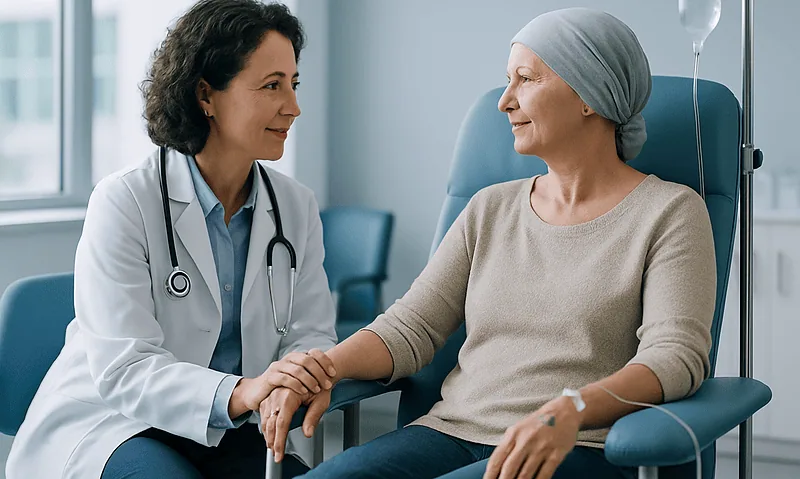
Types of Chemotherapy: How Each One Works and When It Is Used
Chemotherapy is usually grouped in three ways: by goal (curative, adjuvant or neoadjuvant to support surgery, and palliative to control symptoms and slow growth),…

Chemotherapy Port: What It Means, What to Expect and When to See a Specialist
A chemotherapy port is a small device, roughly the size of a quarter, placed under the skin of the upper chest and connected by…
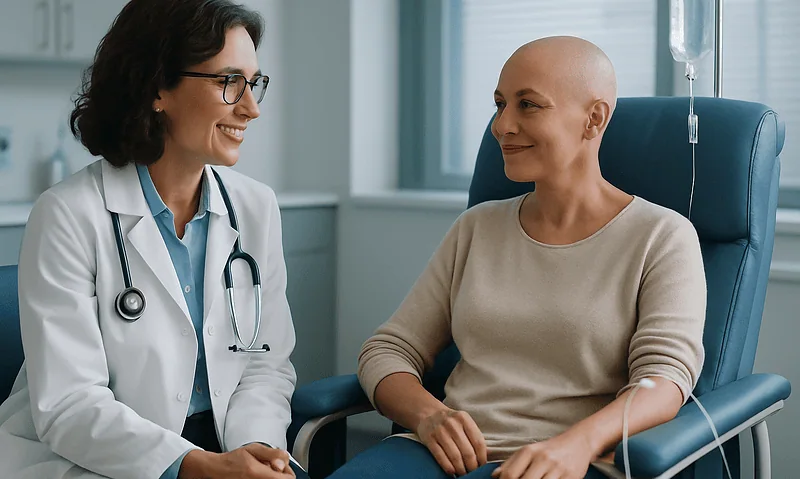
Adjuvant Chemotherapy: What It Means, What to Expect and When to See a Specialist
Adjuvant chemotherapy is chemotherapy given after surgery has removed a cancer, with the aim of destroying microscopic cells that may have escaped and lowering…