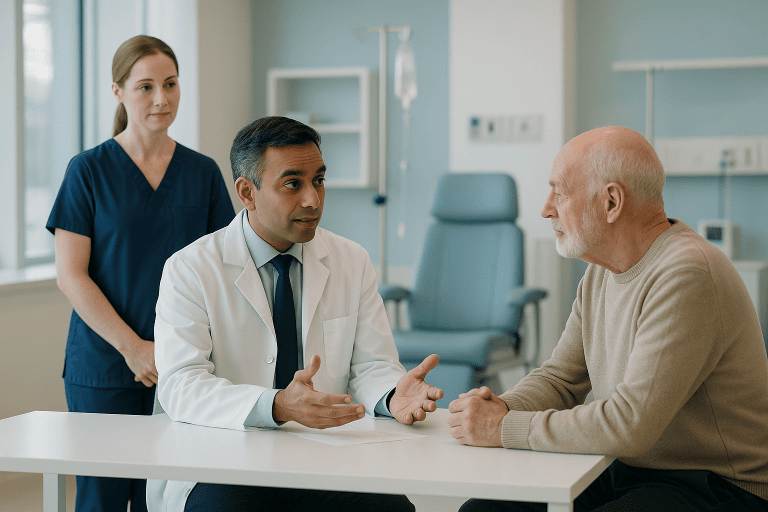
Colon Cancer Treatment
Colon cancer treatment involves personalized care with surgery, chemotherapy, radiotherapy, targeted therapy or immunotherapy depending on stage, tumor location and overall health.
Quick answer
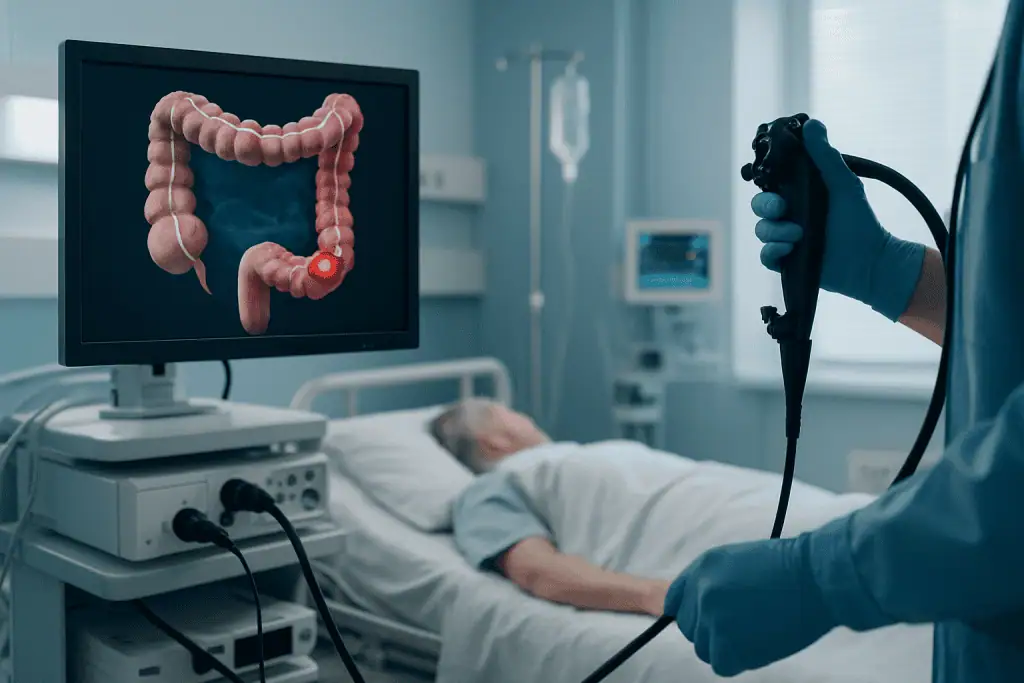
Colon cancer treatment removes or controls cancer in the large intestine. For localised disease, surgery removes the affected section of colon and nearby lymph nodes; chemotherapy, targeted therapy or immunotherapy may follow depending on stage and tumour biology. Diagnosis rests on colonoscopy, biopsy and imaging, and the treatment plan is shaped by staging, molecular test results and the patient's overall health.
Colon Cancer: What It Is and Why Colon Cancer Symptoms Matter
Colon cancer is a disease in which abnormal cells grow in the colon, the longest part of the large intestine. It usually develops slowly from polyps, small growths in the lining of the bowel, and treatment typically combines surgery with chemotherapy or other drug therapy, depending on how far the disease has progressed. Found early, colon cancer is often highly treatable. Found later, modern treatment can still control the disease, relieve symptoms, extend life and protect quality of life.
Colon cancer symptoms are worth understanding for two reasons. First, the disease can grow quietly for years before it announces itself, so knowing what to watch for matters. Second, once a diagnosis is made, the questions arrive quickly: How advanced is it? Will I need surgery? Is chemotherapy necessary? How long does treatment last? What will recovery be like? For many people and families, the hardest part is not hearing the word cancer. It is working out which treatment path fits the disease in front of them, and how quickly decisions need to be made.
This page explains the symptoms, causes, diagnosis and treatment in plain terms: what the disease is, how it is found and staged, what surgery and drug therapy involve, and what recovery genuinely looks like. It also describes how care is organised across specialties, and what shapes a good result.
What is colon cancer?
Colon cancer is a malignant tumour that starts in the inner lining of the colon. Most cases begin as a polyp. Some polyps, particularly certain adenomas and serrated lesions, accumulate genetic changes over years and eventually turn cancerous; many others never do. Once a cancer has formed, it can grow deeper into the layers of the bowel wall. From there it may reach nearby lymph nodes, and in advanced disease it can spread through the bloodstream to distant organs, most often the liver and the lungs. This step-by-step progression is why the same disease can mean very different things for different patients: a cancer confined to a polyp is a different clinical problem from one that has crossed the bowel wall or travelled elsewhere. Staging, working out exactly how far the cancer has gone, is therefore the foundation of every treatment decision.
What does the colon do?
The colon is the main section of the large intestine, a muscular tube that receives digested food from the small intestine, absorbs water and salts, and forms stool. It has several segments: the ascending colon on the right side of the abdomen, the transverse colon crossing the upper abdomen, the descending colon on the left, and the sigmoid colon, which curves down towards the rectum. A tumour’s position within these segments influences both the symptoms it produces and the operation used to remove it. Stool in the right colon is still liquid, so a tumour there can grow large and bleed slowly without changing bowel habits; in the narrower left colon, where stool is formed, even a smaller tumour can cause noticeable changes. Cancers can arise anywhere along the digestive tract, from esophageal cancer at the top to rectal cancer at the end, but each site behaves and is treated differently.
What is the difference between colon cancer and colorectal cancer?
Colorectal cancer is the collective term for cancers that begin in either the colon or the rectum, the final section of the bowel. The two diseases share much of their biology, and the terms are often used interchangeably in everyday conversation. Medically, though, the distinction matters. Rectal tumours sit low in the pelvis, close to fixed structures, so radiotherapy plays a much larger role in their treatment. Colon tumours sit within the mobile part of the abdomen, so treatment is built mainly around surgery and drug therapy. This page focuses on cancer of the colon; where the two diseases differ, the difference is stated plainly.
Colon Cancer Symptoms: What to Watch For
Colon cancer symptoms range from the obvious, visible blood in the stool, to changes so gradual that people adjust to them without noticing anything is wrong. Some patients are diagnosed only through screening, with no symptoms at all. What follows is an honest account of what the disease can produce, what it often does not produce, and why the tumour’s location changes the picture.
What are the symptoms of colon cancer?
The symptoms of colon cancer most commonly involve changes in the bowel, in the stool, or in general energy and weight. The pattern that prompts evaluation typically includes one or more of the following:
- Blood in the stoolbright red, dark, or mixed into the stool, sometimes visible only on testing
- A persistent change in bowel habitsnew constipation, new diarrhoea, or alternation between the two
- Narrowing of the stoolstools that become thinner over weeks
- Abdominal pain or cramping that does not settle
- A sense that the bowel does not empty completely
- Unexplained weight loss
- Fatigue, often out of proportion to daily activity
- Iron-deficiency anaemia, found on a blood test and sometimes the only clue
None of these is specific to cancer. Haemorrhoids, infections, irritable bowel syndrome and dietary changes cause similar complaints far more often. What distinguishes symptoms worth investigating is persistence: changes that last for weeks rather than days, or that steadily worsen. In more urgent situations, a colon tumour can cause bowel obstruction, heavy bleeding or perforation of the bowel wall, complications that are treated as medical emergencies.
What are the early signs of colon cancer?
The early signs of colon cancer are often subtle, and frequently there are none at all. A small tumour or a precancerous polyp rarely causes pain. When early clues do exist, they tend to be quiet ones: traces of blood in the stool that come and go, a bowel habit that gradually shifts, mild cramping attributed to diet, or slowly falling iron levels that show up as tiredness or breathlessness on exertion. This is precisely why screening programmes exist, colonoscopy and stool-based tests are designed to find polyps and early cancers before any sign appears. Waiting for clear symptoms means, in practice, waiting for the disease to grow.
What are the 7 early warning signs of colon cancer?
There is no official list of exactly seven warning signs, but the seven changes most consistently cited by cancer organisations are: blood in or on the stool; a persistent change in bowel habit; stools that become narrower; abdominal pain, cramping or bloating that does not resolve; the feeling of incomplete emptying after a bowel movement; unexplained weight loss; and ongoing fatigue or anaemia. Lists of this kind are memory aids, not diagnostic tools. One symptom alone proves nothing, and several together still usually have a benign explanation, but a cluster of these changes, persisting over weeks, is the pattern doctors take seriously.
What are the 5 warning signs of bowel cancer?
In countries that use the term bowel cancer, which covers both colon and rectal disease, five warning signs are usually emphasised: bleeding from the bottom or blood in the stool; a persistent change in bowel habit; abdominal pain or discomfort; unexplained weight loss; and tiredness caused by anaemia. The shorter list carries the same message as the longer one: the individual signs are common and usually harmless, but persistence and combination are what matter.
How long can you live with colon cancer without knowing?
A colon cancer can exist for years before it is discovered. The progression from a benign polyp to an invasive cancer typically unfolds over many years, and even an established tumour, particularly on the right side of the colon, where the bowel is wide and its contents liquid, can grow for a long time without producing colon cancer symptoms a person would notice. Some cancers are found incidentally during scans or blood tests done for other reasons. This long silent phase is the strongest argument for screening within recommended age groups and earlier for people at increased risk: the disease is most treatable precisely during the period when it causes nothing you can feel.
What do people notice first?
When people who have been through the disease describe how they knew something was wrong, the same first experiences recur: blood noticed on toilet paper or in the toilet; a bowel routine that changed and never changed back; cramping dismissed for months as stress or diet; tiredness that deepened until a blood test revealed anaemia; a belt notch lost without dieting. Just as commonly, the honest answer is that they noticed nothing: the cancer was found at a screening colonoscopy or during unrelated tests. Both stories carry the same lesson. Bodies rarely announce colon cancer clearly, and the first symptom, when there is one, is usually ordinary enough to explain away.
Colorectal cancer symptoms: does the tumour’s location change what you notice?
Colorectal cancer symptoms vary with the tumour’s position in the bowel. Right-sided colon tumours often bleed slowly and invisibly, so the presenting problem may be anaemia and fatigue rather than any bowel complaint. Left-sided and sigmoid tumours sit where stool is formed and the bowel is narrower, so they more often cause visible blood, cramping, narrowed stools and changes in bowel habit, and they are more likely to cause obstruction. Rectal tumours, by contrast, tend to produce urgency, a frequent need to pass stool, and the sensation of incomplete emptying. These patterns are tendencies, not rules, which is why persistent symptoms are investigated with colonoscopy rather than guessed at from their character.
What Causes Colon Cancer?
Colon cancer is caused by genetic changes that accumulate in the cells lining the bowel, allowing them to grow without normal control. In most patients these changes are acquired over a lifetime rather than inherited, and they usually pass through a recognisable intermediate stage: the polyp. This is why removing polyps during colonoscopy genuinely prevents cancers: it interrupts the sequence before the final steps occur.
Why one person accumulates these changes and another does not is only partly understood. Established risk factors include:
- Agerisk rises steadily in mid and later life, though the disease also occurs in younger adults
- Family history of colorectal cancer or advanced polyps, especially in close relatives
- Inherited syndromes such as Lynch syndrome and familial adenomatous polyposis
- Inflammatory bowel diseaselong-standing ulcerative colitis or Crohn’s colitis
- Diet heavy in red and processed meat and low in fibre
- Obesity and physical inactivity
- Smoking and heavy alcohol use
- Type 2 diabetes, which is associated with increased risk
Who is at higher risk?
Two groups deserve particular attention. People with a strong family history, several affected relatives, or relatives diagnosed young, may carry an inherited predisposition, and genetic counselling can clarify whether testing for syndromes such as Lynch syndrome is appropriate. Identifying such a syndrome changes surveillance not only for the patient but for their relatives. People with long-standing inflammatory bowel disease form the second group; chronic inflammation of the colon lining raises cancer risk over time, and dedicated surveillance colonoscopy schedules exist for exactly this reason.
Why did this happen to me?
Many patients ask what caused their particular cancer, and the truthful answer is usually that no single cause can be identified. Plenty of people with several risk factors never develop the disease, and some patients have none of them. Risk factors describe populations, not individuals. What can be said with confidence is that the polyp-to-cancer pathway is common to most cases, and that it is interruptible, which is why screening and polyp removal remain the most powerful preventive tools available.
How Colon Cancer Is Diagnosed and Staged
Diagnosis usually begins with colonoscopy. A flexible camera is passed through the entire colon, suspicious areas are biopsied, and many polyps can be removed on the spot. Some patients reach this examination because of symptoms; others reach it through routine screening with no symptoms at all. Screening options include stool-based tests, which look for hidden blood or abnormal DNA and are repeated at regular intervals, and colonoscopy, which examines the whole colon directly and allows polyps to be removed during the same procedure. A positive stool test is not a diagnosis: it is an instruction to look, and colonoscopy is the examination that answers the question. Because the disease can grow silently for years, screening is particularly important for adults in recommended age groups and for anyone at increased risk through family history, inflammatory bowel disease or an inherited syndrome: the age thresholds and intervals vary between national programmes.
If biopsy confirms cancer, the next task is staging: establishing how deep the tumour has grown, whether lymph nodes are involved, and whether disease has spread to distant organs. Staging typically involves blood tests, tumour markers such as CEA, CT scans of the chest, abdomen and pelvis, MRI in selected cases and PET/CT in specific circumstances, for example, to clarify an ambiguous finding or investigate suspected recurrence.
Pathology sits at the centre of treatment planning. The pathologist identifies the tumour type and grade, the depth of invasion through the bowel wall, lymphovascular or perineural invasion, margin status and lymph node involvement. Molecular testing adds a further layer: evaluation for mismatch repair deficiency or microsatellite instability, and, when metastatic disease is present, testing of genes such as RAS and BRAF. These results are not academic detail. They determine whether immunotherapy is likely to help, which targeted therapies are options, and in some cases whether an inherited syndrome should be investigated. A treatment plan built without them is built on incomplete information.
Patients who may need colon cancer treatment therefore span a wide range: newly diagnosed early-stage disease, locally advanced tumours, cancers involving lymph nodes, metastatic disease, recurrence after previous treatment, and precancerous polyps with high-risk features. Some patients also seek a structured review for a different reason, to confirm a diagnosis made elsewhere, to test whether chemotherapy is genuinely necessary in their case, or to assess whether liver or lung metastases could be treated with surgery or local therapy.
What Colon Cancer Treatment Involves
Colon cancer treatment is not a single procedure. It is a personalised plan that may include surgery, chemotherapy, targeted therapy, immunotherapy, radiotherapy in selected situations, interventional procedures, active surveillance, or a combination of these. The goals are concrete: remove or destroy cancer cells, reduce the risk of recurrence, control disease that has spread, and protect bowel function as far as possible.
For early-stage disease, surgery is usually the central treatment: the segment of colon containing the tumour is removed together with nearby lymph nodes, which the pathologist then examines. In some very early cancers confined to a polyp, removal during colonoscopy is sufficient, but only if strict pathology criteria are met. In more advanced localised disease, surgery may be followed by chemotherapy to treat microscopic cancer cells that no scan can see. For metastatic disease, cancer that has spread beyond the colon and its lymph nodes, chemotherapy may be combined with targeted therapy or immunotherapy according to molecular test results, and in some patients with limited spread, surgery or local treatment of the metastases remains possible.
Is colon cancer treatable?
Colon cancer is among the more treatable solid cancers, particularly when found before it has spread. In early-stage disease, surgery can remove all visible cancer, and treatment is planned with the intention that the disease does not return; many patients go on to live long lives after treatment. In stage III disease, where lymph nodes are involved, surgery followed by chemotherapy is commonly recommended because node involvement raises the risk of recurrence. In metastatic disease, honesty requires nuance: for some patients with limited metastases, treatment can still aim at complete removal of visible disease and long-term control; for others, the realistic goal is to slow the cancer, relieve symptoms and preserve independence for as long as possible. No responsible clinician promises an outcome, but the range of what treatment can achieve today is genuinely wide, and it depends heavily on stage, tumour biology and general health.
Which situations does treatment address?
Common indications include malignant polyps, stage I colon cancer, stage II disease with or without high-risk features, stage III disease involving lymph nodes, and stage IV disease with distant metastases. Treatment may also be recommended for recurrent colon cancer, hereditary colon cancer syndromes, multiple advanced polyps, and tumours arising in chronic inflammatory bowel disease. Treatment also addresses complications directly: a tumour may narrow the bowel and cause partial or complete obstruction, bleed slowly into anaemia or more dramatically, or invade nearby tissue and cause pain. In these situations the plan may include surgery, stenting, systemic therapy, radiotherapy in selected cases, or supportive interventions to stabilise the patient before longer-term cancer treatment begins.
How Colon Cancer Treatment Is Performed
Preparation and diagnostic planning
Before treatment starts, the team confirms the diagnosis and stage. Patients who have already been evaluated elsewhere are often asked to bring colonoscopy reports, pathology slides or blocks, imaging studies, operative notes if surgery has already been done, and records of any previous chemotherapy. Where information is missing or outdated, tests are repeated or extended: a treatment plan is only as good as the staging behind it.
Preparation may include blood tests, liver and kidney function assessment, nutritional evaluation, anaesthesia assessment and cardiopulmonary review for patients heading towards surgery. If chemotherapy is being considered, the medical oncologist reviews performance status, other medical conditions, current medications and likely side effects. If a hereditary syndrome is suspected, genetic counselling and testing may be discussed. Complex cases, locally advanced, metastatic, recurrent, or those where the sequence of treatment is genuinely debatable, are reviewed by a multidisciplinary tumour board, which weighs whether to operate first, start systemic therapy first, evaluate liver metastases for resection, or obtain further imaging before committing to a path.
Surgery for colon cancer
Surgery is the main treatment for most localised colon cancers. The operation is a colectomy: removal of the segment of colon containing the tumour, together with its blood supply and the lymph nodes that drain it. Depending on the tumour’s location, this may be a right hemicolectomy, left hemicolectomy, sigmoid colectomy or subtotal colectomy. A typical operation follows a clear sequence:
- The abdomen is accessed, through small incisions with a camera in laparoscopic or robotic-assisted surgery, or through a single larger incision in open surgery.
- The tumour-bearing segment is freed from surrounding tissue, and its blood vessels and lymph node chains are divided and removed with it.
- The two healthy ends of bowel are usually reconnected, an anastomosis, restoring continuity.
- Where reconnection is unsafe, a temporary or permanent stoma is created, bringing the bowel to the abdominal wall so stool exits into a pouch.
- The removed specimen goes to pathology, whose report determines the next stage of treatment.
Minimally invasive approaches are used whenever appropriate. For suitable patients, small incisions and magnified camera views can support reduced postoperative discomfort and faster return of bowel function. Open surgery remains the safer choice in some circumstances, large tumours, emergency obstruction, extensive previous surgery or complex anatomy. A stoma is less common after standard colon operations than after certain rectal cancer procedures, but it may be necessary in emergencies, high-risk anastomoses or extensive disease, and it is far better discussed before an operation than discovered after one. Operation length varies with complexity, prior surgery, tumour location and body habitus; many colon cancer operations take several hours. Afterwards, patients are monitored for pain control, bowel recovery, mobility, hydration and early signs of complications.
Chemotherapy, targeted therapy and immunotherapy
Chemotherapy uses medicines that circulate through the bloodstream to destroy rapidly dividing cancer cells. Given after surgery, adjuvant chemotherapy, it aims to reduce the risk of recurrence by treating cells too few to see on any scan. In metastatic disease, chemotherapy may shrink tumours, slow progression, or convert inoperable metastases into operable ones in selected patients.
Targeted therapies act on specific pathways that cancer cells use to grow or to build blood vessels; whether they are appropriate depends on the tumour’s location, molecular test results and prior treatments. Immunotherapy helps the immune system recognise and attack cancer cells, and it can be highly relevant for tumours with mismatch repair deficiency or high microsatellite instability, one of the clearest examples of why molecular testing can change a treatment plan substantially. Systemic treatments are typically given in cycles, through an intravenous infusion, an implanted port or oral medication depending on the regimen. Throughout, the team monitors blood counts, liver and kidney function, nerve symptoms, bowel changes, skin effects, fatigue and infection risk, and supportive medications help manage nausea, diarrhoea, mouth sores and other side effects.
Radiotherapy and local treatments in selected cases
Radiotherapy is not routine for colon cancer: the colon moves within the abdomen, which makes it a difficult radiation target, in contrast to the fixed rectum. It is considered in specific circumstances: tumours fixed to nearby structures, local recurrence, pain control, bleeding control, or particular metastatic sites. Modern planning uses imaging to define the target precisely and limit exposure of surrounding organs; the decision always balances expected benefit against those effects.
For metastatic disease, local treatments extend beyond radiation. Surgery can remove metastases in the liver or lungs in carefully selected patients; ablation techniques can destroy small tumours using heat or other energy sources; interventional radiology procedures may be options in liver-dominant disease. Whether any of these is sensible depends on the number, size and location of metastases, the response to systemic therapy, liver function and overall health. It is worth understanding that colon cancer that has spread to the liver remains colon cancer: it is treated according to its origin, and it is a different disease from primary liver cancer or primary lung cancer, which start in those organs.
Technology used in evaluation and treatment
Technology in colon cancer care earns its place by answering clinical questions, not by existing. High-resolution endoscopy identifies and samples lesions. Cross-sectional imaging, CT and MRI, maps the extent of disease; PET/CT is added where it can genuinely clarify spread or recurrence. Digital pathology and immunohistochemistry support precise tumour classification, and molecular diagnostics guide targeted therapy and immunotherapy decisions. In the operating theatre, minimally invasive camera systems, advanced energy devices, intraoperative imaging in selected cases and enhanced anaesthesia monitoring support safer procedures and more precise tissue handling. In radiation oncology, planning software and image guidance shape treatment around the target. In medical oncology, infusion safety systems and structured monitoring reduce medication risks and catch side effects early.
Recovery After Colon Cancer Treatment
Recovery depends on what treatment you have had. After colon surgery, most patients stay in hospital for several days, although the exact length varies with the operation and the individual. The first priorities are pain control, walking, breathing exercises, the gradual return of bowel function and safe nutrition, patients usually start with liquids and advance their diet as tolerated. The team watches for fever, infection, bleeding, ileus, leakage from the bowel connection and blood clots. Patients who have a stoma, temporary or permanent, meet a stoma care nurse before discharge, learn to manage the pouch and the skin around it, and adjust their diet to keep output manageable; most people return to work, exercise and a full daily routine once healing is complete. If chemotherapy is recommended, it usually begins once healing from surgery is adequate. Many people continue much of their daily life during systemic therapy, but fatigue, bowel changes, neuropathy and infection precautions can reshape routines for a period.
| Time Period | What Patients Can Expect |
|---|---|
| Day 1 | Close monitoring after surgery. Pain control, early movement, breathing exercises and fluid balance are the key priorities. |
| First Week | Bowel function gradually returns. Diet is advanced step by step, walking increases, and discharge planning begins once recovery is stable. |
| First Month | Energy improves gradually. Pathology results are reviewed, wounds heal, and the oncology team decides whether additional treatment is needed. |
| During Chemotherapy | Treatment is given in cycles, with monitoring for fatigue, bowel changes, blood count changes, neuropathy and other side effects. |
| Longer Term | Surveillance may include clinic visits, blood tests, colonoscopy and imaging based on stage. Nutrition, exercise and bowel habits continue to recover. |
Follow-up after treatment is structured rather than ad hoc: physical examination, blood tests, CEA monitoring where appropriate, surveillance colonoscopy and periodic imaging, all scheduled according to stage and risk. The purpose is straightforward, to find recurrence or new polyps at the point where they are easiest to deal with.
Why Acting Early Matters
Colon cancer is most treatable before it spreads. Early evaluation can catch disease still confined to the bowel wall or nearby lymph nodes, when surgery and selected additional treatment are most effective. Waiting, whether to see if symptoms settle on their own, or to defer a recommended assessment, gives a tumour time to grow deeper, involve lymph nodes, reach distant organs or cause complications such as obstruction and bleeding.
Acting early does not mean rushing into the first available treatment. It means getting the right information quickly and making a well-founded plan. Some patients benefit from prompt surgery; others need additional imaging, molecular testing or multidisciplinary review before anything begins. In metastatic disease, early planning determines whether disease is potentially resectable, whether chemotherapy should come first, or whether the sensible strategy centres on symptom control.
Delay also erodes the patient, not just the prognosis. Ongoing bleeding deepens anaemia and fatigue. Poor appetite and weight loss sap the strength needed for surgery or chemotherapy. A narrowing bowel can progress to obstruction, turning a planned operation into an emergency one, and emergency surgery carries higher risks and a greater chance that a temporary or permanent stoma becomes necessary.
Benefits of Colon Cancer Treatment
What treatment can offer depends on stage, treatment type and individual health, but the goals are concrete and patient-centred.
| Benefit | What It Means for You |
|---|---|
| Removal of localised cancer | Surgery can remove the tumour and nearby lymph nodes, offering the strongest treatment option for many early and locally advanced colon cancers. |
| Reduced risk of recurrence | Where appropriate, chemotherapy after surgery can treat microscopic cancer cells that no scan can show. |
| Personalised treatment selection | Molecular testing can identify whether targeted therapy or immunotherapy may be useful, especially in advanced disease. |
| Symptom relief | Treatment can address bleeding, obstruction, pain, anaemia and other problems caused by the tumour. |
| Preservation of daily function | Modern surgical, medical and supportive care aim to treat the cancer while helping you maintain nutrition, mobility and independence. |
| Structured follow-up | Surveillance after treatment helps detect recurrence or new polyps early, when additional treatment may be more effective. |
What Influences Outcomes and a Good Result
Stage at diagnosis is one of the most important factors: cancers found before lymph node involvement or distant spread generally respond better to treatment than cancers found later. But stage is not the whole story. Tumour biology, molecular features, surgical quality, lymph node assessment, response to therapy and overall health all shape the result.
The completeness of surgery is critical. A good oncological operation removes the tumour with appropriate margins and an adequate lymph node specimen for staging. The pathology report then determines whether chemotherapy is recommended: involved lymph nodes, high-risk tumour features, or close or positive margins each change the calculus. In advanced disease, response to systemic therapy matters most, some tumours shrink meaningfully with chemotherapy, targeted therapy or immunotherapy, opening the door to local treatment of metastases, while others resist and require a different strategy. Molecular testing exists partly to avoid wasting time on treatments a particular tumour will not answer to.
Patient factors carry real weight. Nutrition, physical strength, diabetes control, heart and lung health, kidney and liver function, smoking status and current medications all influence how well surgery is tolerated and how chemotherapy is withstood. Prehabilitation, nutritional support, walking programmes, correction of anaemia and optimisation of chronic conditions, can improve readiness for treatment before it begins.
Finally, communication and follow-up are part of a good result, not an afterthought. Patients need clear instructions about wound care, diet, bowel function, warning signs and when normal activity is sensible again. For those who continue part of their care with local physicians, chemotherapy cycles, blood tests, scans or surveillance colonoscopy, a well-organised treatment summary keeps care continuous between teams, so that nothing is lost in the handover.
How Acibadem Organises Colon Cancer Care
At Acibadem, colon cancer care is planned through a multidisciplinary approach within its broader oncology and cancer treatment programme. Gastroenterologists, colorectal surgeons, medical oncologists, radiation oncologists where needed, radiologists, pathologists, nuclear medicine physicians, dietitians and specialist nurses may all contribute to decision-making, so that a plan reflects a coordinated review of the cancer’s biology, stage and the patient’s goals rather than a single perspective. Complex cases, advanced disease, liver metastases, recurrence, or genuinely debatable treatment sequencing, can be reviewed by a multidisciplinary tumour board before a recommendation is made.
The practical side of care is organised alongside the medical side: coordination of appointments and diagnostic tests, hospital admission and discharge planning, and structured medical documentation at every stage. Treatment pathways vary with circumstances, some patients have surgery in one centre and continue chemotherapy closer to home, some complete a defined stage of treatment, and others complete a full course in one place. In each case, the documentation and follow-up plan are prepared so that care can continue coherently between the teams involved.
Second Opinions and Making an Informed Decision
Colon cancer treatment has advanced considerably, but the best plan still begins with a careful understanding of the individual disease: stage, pathology, tumour location, molecular profile and overall health. Some patients need surgery alone. Others benefit from chemotherapy, targeted therapy, immunotherapy, radiotherapy in selected cases, or treatment directed at metastatic sites.
A second opinion has real value in specific situations: when disease is advanced or metastatic, when a chemotherapy recommendation is unclear or contested, when metastases have been labelled inoperable without detailed review, or when the sequence of treatments could reasonably run more than one way. Sometimes a fresh multidisciplinary review changes the plan, for instance, by identifying that chemotherapy could make surgery possible, or that liver-directed therapy is an option. Just as often, it confirms that the existing plan is sound, which is itself worth knowing. Either way, the review is only as good as the material behind it: complete records, imaging and pathology allow specialists to give a precise opinion rather than a general one.
Our Specialists Explain
 Colon Cancer Treatment at Acibadem | Prof. Dr. Mert Erkan
Preparation
- Evaluation usually includes colonoscopy results, biopsy review, blood tests and imaging to stage the disease. The care team may request bowel preparation before surgery and review current medications, nutrition and general fitness. Treatment planning is individualized by oncology, surgery and related specialists.
Aftercare
- After surgery, patients are monitored for bowel function, wound healing, pain control and nutrition. Follow-up may include pathology review, chemotherapy planning, imaging and colonoscopy surveillance. Patients should report fever, severe abdominal pain, bleeding or changes in bowel habits promptly.
Frequently Asked Questions
What affects the cost of colon cancer treatment abroad?
The main factors are the extent of disease, required diagnostics, type of surgery, hospital stay, pathology and molecular testing, chemotherapy or other medicines, supportive care and follow-up. Travel, accommodation and interpreter services can also affect the total budget.
How can I receive a personalised quote from Acibadem?
You can request a free consultation by sharing your medical reports, colonoscopy and biopsy results, imaging, blood tests and any previous treatment records. A specialist team can review the information and prepare a personalised treatment plan and cost estimate.
Is surgery always required for colon cancer?
Surgery is common when the tumor can be removed, but treatment depends on disease extent, tumor biology and overall health. Some patients also need chemotherapy, targeted therapy, immunotherapy or supportive procedures. A specialist decides suitability after full evaluation.
What is usually included in an international patient package?
Packages may include specialist consultations, selected diagnostic tests, surgery or treatment sessions, hospital stay, nursing care, translation support and care coordination. Inclusions vary, so the written quote should be reviewed carefully.
Can the quoted cost change after arrival?
Yes. Costs may change if additional tests are needed, the treatment plan changes, complications occur, a longer hospital stay is required, or different medicines are selected after pathology or molecular results.
Is this information medical or financial advice?
No. This is general educational information. A personalised recommendation and quote require review by qualified specialists, so patients are encouraged to request a free consultation before making treatment or travel decisions.
Medically reviewed by the Acıbadem International Medical Board August 30, 2026
See our medical review board →
Update history
- PublishedJune 6, 2026
- Medical review approvedAugust 30, 2026
- Last content updateSeptember 8, 2026
References3
- Colon Cancer Treatment (PDQ) – Patient Version cancer.gov
- Bowel cancer nhs.uk
- Colorectal Cancer medlineplus.gov
Trusted care for international patients
From the Acibadem Blog
Bowel Changes That Are (and Are Not) Signs of Colon Cancer
Colon spasms by themselves are not a typical sign of colon cancer. Cramping that comes in waves and eases after passing gas or stool…
After Colon Cancer Surgery: How Bowel Function Returns and What the First Weeks Feel Like
After colon cancer surgery, the bowel usually pauses for a day or two, then gas and loose, frequent stools return over the following days.…
Preparing for Colon Cancer Surgery: Bowel Preparation, Medication Review and Fitness Checks
Bowel prep before colon cancer surgery usually means a low-residue diet, a prescribed laxative solution and, in many centers, oral antibiotics during the day…
How Colon Cancer Treatment Changes With Stage and Tumor Location
Colon cancer treatment by stage generally moves from surgery alone for early tumors (stage 0 to I), to surgery with chemotherapy only for higher-risk…
Colon Cancer Treatment Options: Surgery, Medicines and Therapies Compared
Colon cancer treatment depends mainly on stage. Early tumors are usually removed with surgery alone, sometimes during colonoscopy. Cancer that has reached nearby lymph…