Head & Neck Cancer Surgery
Head & Neck Cancer Surgery removes cancerous tumors in the mouth, throat, larynx, salivary glands, or nearby tissues. It aims to control disease, preserve function, and support recovery with multidisciplinary care.
Quick answer
Head and neck cancer surgery removes malignant tumours of the mouth, throat, voice box, sinuses, salivary glands or neck lymph nodes, together with a margin of healthy tissue. It may include a neck dissection and immediate reconstruction to protect speech, swallowing and appearance. It can be the main treatment or one part of a plan that also includes radiotherapy or drug therapy.
What Head & Neck Cancer Surgery Is
Head & neck cancer surgery is an operation to remove malignant tumours arising in the mouth, tongue, lips, throat, voice box, nasal cavity, paranasal sinuses, salivary glands, thyroid region, skin of the head and neck, or the lymph nodes and soft tissues nearby. Its purpose is to remove the disease as completely as possible while protecting the functions that make this region so demanding to treat: speaking, swallowing, breathing and facial appearance. It is considered when a tumour is operable and when an operation, alone or combined with other treatments, offers the strongest route to disease control.
“Head and neck cancer” is a broad label covering several distinct diseases, so the operation you are offered depends entirely on where the cancer started and how far it has spread. A growing number of international patients arrange head and neck cancer surgery in Turkey because they want diagnosis, operation, reconstruction and follow-up planned as one coordinated pathway rather than a series of separate appointments. This page explains what the surgery involves, who needs it, how it is performed, what recovery genuinely looks like, and what to plan if you are travelling for treatment.
What does the operation actually remove?
The surgeon removes the primary tumour together with a margin of surrounding healthy tissue, which reduces the likelihood of leaving microscopic cancer cells behind. Depending on the disease, the operation may also include removal of lymph nodes in the neck, a procedure called a neck dissection, because some head and neck cancers spread through the lymphatic system even when no enlarged nodes can be felt on examination or seen clearly on scans.
Some operations are limited and focused, particularly when tumours are found early. Others are extensive and require reconstruction using tissue transferred from another part of the body to restore form and function. Reconstruction can rebuild structures involved in speech, swallowing, chewing, facial support or airway protection. In selected cases, minimally invasive approaches are possible, such as transoral procedures performed through the mouth rather than through larger external incisions.
Surgery may be the main treatment or one stage of a combined approach. After the operation, pathologists examine the removed tissue in detail, tumour margins, depth of invasion, lymph node involvement and other high-risk features. Those findings determine whether additional treatment, such as radiotherapy or chemoradiation, is recommended afterwards. The central aim never changes: control the disease while preserving as much normal function as possible. That balance sits at the heart of modern surgical care for these cancers, and it should sit at the heart of every conversation you have with your surgical team.
What Patients Often Worry About
Hearing that you may need an operation for a head and neck cancer can feel overwhelming, and usually not for one reason but for several at once. You are thinking about the cancer itself, but also about what treatment could mean for speaking, swallowing, breathing, appearance, work and daily life. These concerns are legitimate. The head and neck region contains structures essential to communication, eating and identity, so decisions about surgery carry both medical and emotional weight, and a good team takes both seriously.
For some people, surgery is recommended soon after diagnosis. For others, it becomes one element of a broader plan that may also include radiotherapy, chemotherapy, targeted therapy, immunotherapy, reconstructive surgery, dental care, speech and swallowing rehabilitation, and nutrition support. In many cases the goal is not simply to remove a tumour; it is to remove the disease as completely as possible while preserving function and helping you return to your life with the best achievable quality of life.
This is why head and neck cancer care is highly individualised. Two patients may have cancers in the same general area yet need very different operations depending on the tumour’s size, location, stage, biology, and its relationship to nearby nerves, blood vessels, bone, airway structures and lymph nodes. Careful planning matters. It influences cancer control, recovery, reconstructive options and the kind of support you will need afterwards.
Patients considering care abroad usually have additional questions: whether surgery is truly necessary, whether organ preservation is possible, how long the hospital stay will be, and what recovery involves when you have travelled internationally for the operation. Many also want a second opinion on diagnosis, staging, or the order of treatments. These are reasonable questions and they deserve direct, evidence-based answers rather than reassurance.
This kind of surgery works best as part of coordinated multidisciplinary oncology care. Surgeons work alongside medical oncologists, radiation oncologists, radiologists, pathologists, plastic and reconstructive surgeons, anaesthesiologists, dentists, speech and language therapists, dietitians and rehabilitation teams. That structure exists to balance cancer treatment with function, safety and long-term recovery, not to slow decisions down, but to make sure the first decision is the right one.
Who May Need This Surgery
You may be referred for surgery after symptoms lead to evaluation, after an abnormal scan or biopsy, or after a second opinion confirms that an operation is the best next step. Symptoms vary with the tumour’s location, but certain warning signs come up repeatedly:
- A persistent sore throat or hoarseness
- A mouth ulcer or lesion that does not heal
- Difficulty swallowing or pain when swallowing
- A lump in the neck
- Changes in voice quality
- Ear pain without a clear ear problem
- Nasal blockage or recurrent nosebleeds
- Facial swelling, numbness or pain
- Unexplained weight loss
- Loose teeth, jaw discomfort, or difficulty opening the mouth
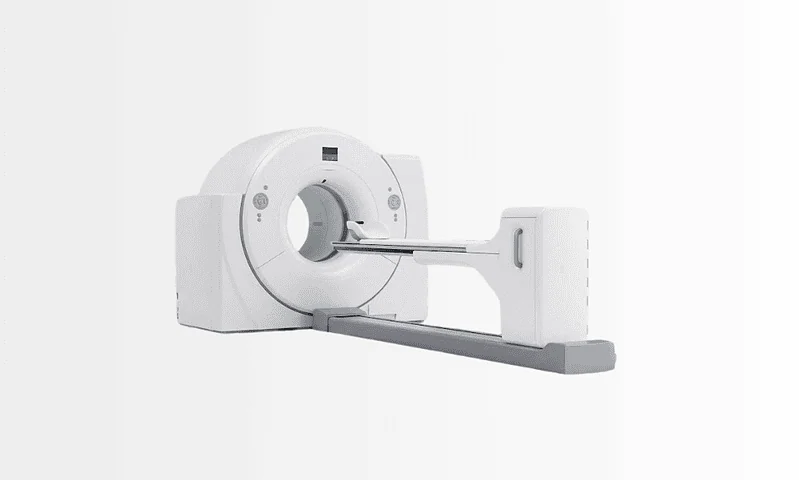
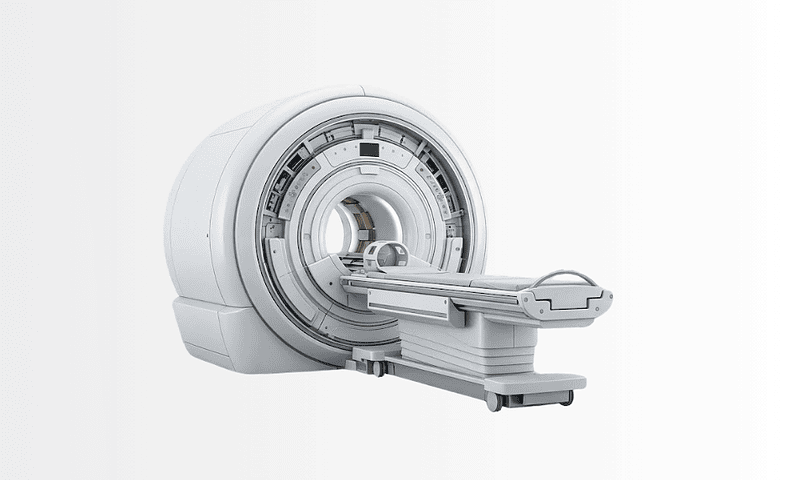
These symptoms do not always mean cancer, but persistent ones warrant proper medical assessment. Diagnosis usually begins with a detailed history and physical examination, often including endoscopic visualisation of the mouth, throat and larynx. Imaging, CT, MRI, ultrasound or PET/CT, defines the size of the tumour, its extent, and whether lymph nodes or other structures are involved. A biopsy is essential to confirm the diagnosis and identify the tumour type. No responsible surgeon plans a cancer operation without it.
In some patients, surgery is recommended because the tumour appears localised and operable. In others, it is advised after the cancer has been staged and discussed by a multidisciplinary board that weighs surgery against radiation-based or combined options. Occasionally surgery is used after previous treatment when disease persists or returns; this is called salvage surgery, and it is often more complex because previously irradiated tissues heal differently.
Surgery may also be needed when a tumour threatens breathing or swallowing, carries a bleeding risk, or when tissue diagnosis is required to guide urgent treatment decisions. Not every head and neck cancer is treated first with surgery, but for many patients, it remains the cornerstone of care.
How serious is neck cancer?
Neck cancer is a serious diagnosis, but how serious depends heavily on the specific site, tumour type, and stage at which it is found. A small, early tumour confined to one structure is a very different clinical situation from a large tumour that has grown into surrounding tissue or spread to multiple lymph nodes. Some cancers in this region grow slowly; others behave aggressively. This is why accurate staging matters more than any general statement about severity, and why treatment for neck cancer is planned individually after imaging, biopsy and multidisciplinary review rather than from the diagnosis alone.
Conditions and Indications It Addresses
Surgery is used in this field for several cancer types and clinical situations. The most common are cancers of the oral cavity, oropharynx, hypopharynx, larynx, salivary glands, nasal cavity and paranasal sinuses. Some skin cancers of the head and neck, selected thyroid-region malignancies, and tumours grouped under head cancer more broadly may also need specialised surgical management within a head and neck oncology programme. Typical indications include:
- Oral cavity cancers: Tumours of the tongue, floor of mouth, gums, inner cheek, hard palate or lips are often treated surgically, especially when localised.
- Laryngeal and hypopharyngeal cancers: Surgery may be considered when tumours involve the voice box or lower throat, particularly if organ-preserving options are not appropriate or have not succeeded.
- Oropharyngeal cancers: Some tumours of the tonsil or base of tongue can be approached surgically, especially where transoral access is feasible.
- Salivary gland tumours: Surgery is usually central to treatment, because these tumours generally require removal of the affected gland with careful handling of nearby nerves, including the facial nerve.
- Nasal and sinus cancers: These may require surgery in complex spaces close to the eyes, skull base and facial structures.
- Neck metastases: If cancer has spread to lymph nodes in the neck, a neck dissection may form part of treatment.
- Recurrent or persistent disease: Salvage surgery may be used after previous radiotherapy or chemoradiation if cancer remains or returns.
The exact indication depends on pathology, stage, anatomical site, your general health, any prior treatments, and your functional priorities. The best plan is the one that addresses the disease thoroughly while being realistic about recovery, reconstruction and long-term function, not the biggest possible operation, and not the smallest.
What does it mean when head and neck cancer is stage 4?
Stage 4 means the cancer is advanced: it has grown deeply into nearby structures, involves lymph nodes extensively, or has spread to distant parts of the body. It does not automatically mean surgery is impossible or that treatment has nothing to offer. Staging systems in the head and neck are detailed, and stage 4 includes a wide range of situations, some are still treated with intent to control the disease using combined surgery, radiotherapy and systemic therapy, while others are managed with the primary aim of relieving symptoms and protecting function. What stage 4 always means in practice is that decisions should be made by a multidisciplinary team, with an honest discussion of what each option can and cannot achieve for you.
How Head and Neck Cancer Surgery Is Performed
The process begins well before the operating theatre. Preoperative planning matters more in head and neck oncology than in almost any other surgical field, because treatment affects structures that are closely packed and highly specialised. You will typically undergo an imaging review, airway assessment, anaesthesia evaluation and blood tests, and often a dental assessment, nutrition screening, and a speech or swallowing evaluation. If reconstruction is likely, the reconstructive team examines possible donor sites, commonly the forearm, thigh or lower leg, depending on the type of tissue that may be needed.
Many patients also benefit from prehabilitation. This can include optimising nutrition, having the team review your current medications, addressing smoking or alcohol use, and discussing in advance how communication and swallowing will be supported after surgery. For international patients, travel timing and the postoperative stay are planned deliberately, so that recovery can be monitored properly before the journey home.
Before the operation
On the day of surgery, you are admitted and prepared for general anaesthesia. The surgical team confirms the operative plan: the tumour site, the expected extent of resection, whether lymph node surgery is needed, and whether immediate reconstruction is planned. In some cases a temporary feeding tube or temporary airway support is discussed in advance, particularly if swelling or postoperative swallowing difficulty is expected. Hearing about these possibilities beforehand is a sign of a thorough team, not a pessimistic one.
During the procedure
The operation itself varies widely. Some tumours can be removed through the mouth using specialised instruments and visualisation systems that reach difficult areas without a larger external incision. Other cancers require open surgery through incisions in the face, neck or jaw region to achieve safe access and complete removal.
The surgeon removes the tumour with close attention to margins, taking a rim of surrounding tissue to reduce the chance of leaving microscopic disease behind. If neck lymph nodes are at risk or already involved, a neck dissection is performed in the same operation. This ranges from selective removal of certain lymph node levels to more extensive procedures, depending on the pattern of spread.
When tissue removal affects appearance or function, reconstruction usually begins immediately, during the same operation. It can involve local tissue rearrangement, skin grafts, or transfer of tissue with its own blood supply from another part of the body. Microvascular techniques connect tiny blood vessels under magnification so the transferred tissue stays healthy in its new location. Reconstruction is not cosmetic polish: it plays a direct role in swallowing, speech, tongue mobility, jaw support and wound healing, which is why plastic and reconstructive surgeons are often part of the operating team from the first planning meeting.
Throughout the operation, the team uses imaging guidance, magnified visualisation, detailed pathology assessment and careful anaesthetic monitoring. In selected cases, intraoperative pathology review lets the surgical team assess margins while the operation is still in progress. Advanced energy devices, fine dissection tools and nerve-preservation techniques are used where appropriate to reduce injury to important structures.
How long does head and neck cancer surgery take?
It depends on complexity, and the range is wide. A limited transoral excision may be completed in a few hours, while a major composite resection with neck dissection and microvascular reconstruction can take significantly longer. Your surgeon can give a realistic estimate only after imaging and pathology have been fully reviewed, treat any confident figure quoted before that point with caution.
Immediately after surgery
After the procedure you are monitored in a recovery unit, and some patients need short-term observation in intensive care, especially after major reconstruction or airway-related surgery. Pain control, airway safety, fluid balance and, where reconstruction was performed, flap monitoring are the priorities in the early postoperative period.
Depending on the operation, you may have drains, dressings, a temporary feeding tube or a temporary tracheostomy. These can sound alarming beforehand, but they exist to support healing and are removed as recovery progresses. Speech and swallowing specialists often become involved early, sometimes before oral intake resumes. Nutrition is managed carefully, because maintaining strength and wound healing after head and neck cancer surgery is essential rather than optional.
Hospital stay varies. Smaller procedures may involve a short admission; extensive surgery requires a longer inpatient recovery. Before discharge, the team reviews wound care, nutrition, medications, activity restrictions, pathology results where available, and follow-up planning. If adjuvant therapy is needed, coordination begins early so the next stage of treatment is not delayed unnecessarily.
Why Acting Early Matters
Early treatment can make a meaningful difference in head and neck cancer. When tumours are found at an earlier stage, surgery may be more limited, reconstruction less extensive, and functions such as speech and swallowing easier to preserve. Earlier-stage disease is also less likely to have spread to lymph nodes or nearby structures, which simplifies treatment planning.
Delaying evaluation or surgery allows the cancer time to grow deeper into tissues, involve nerves or bone, narrow the airway, or spread within the neck. As disease advances, treatment becomes more complex and often requires a combination of surgery, radiotherapy and systemic therapy. Recovery tends to be longer, and the impact on nutrition, communication and appearance can be greater.
Not every symptom means cancer, and not every cancer requires an operation the moment it is diagnosed. But persistent symptoms should not be ignored, and treatment decisions should be made without unnecessary delay once staging is complete. If you are seeking a second opinion or considering treatment abroad, organising your records, scans and pathology early prevents the process itself from costing you time.
Benefits of Treatment
The potential benefits of surgery depend on the tumour type, the stage, and the overall treatment plan, but the goals are consistently both oncologic and functional. Here is what each means for you in practice:
| Benefit | What It Means for You |
|---|---|
| Removal of visible cancer | Surgery aims to remove the primary tumour and, when needed, affected lymph nodes, which can be central to controlling the disease. |
| Accurate pathological staging | Examining the removed tissue provides detailed information about margins, lymph nodes and tumour behaviour, guiding the next steps. |
| Potential preservation of function | Careful planning and reconstruction can help support speech, swallowing, breathing and facial structure where possible. |
| Relief of symptoms | Treatment may reduce pain, bleeding, obstruction or difficulty swallowing caused by the tumour. |
| Integration with other therapies | Surgery can be combined with radiotherapy or medical oncology treatments in a coordinated way when pathology shows additional risk factors. |
Recovery Timeline
Recovery differs from one patient to another, and it differs sharply between a limited excision and a major resection with reconstruction. The timeline below offers a general sense of the stages most patients move through.
| Time Period | What Patients Can Expect |
|---|---|
| Day 1 | Close monitoring of breathing, pain control, wound sites and fluid balance. Some patients have drains, feeding support or temporary airway assistance. |
| First Week | Gradual increase in movement, ongoing wound care, and assessment by nutrition and speech or swallowing specialists where needed. Discharge may occur in this period, depending on the operation. |
| First Month | Swelling and discomfort usually begin to improve. Follow-up visits focus on healing, pathology review, function, and whether additional treatment is recommended. |
| Longer Term | Speech, swallowing, strength and appearance continue to recover over time. Some patients need rehabilitation, dental support or further therapy as part of survivorship care. |
How long does it take to recover from head and neck cancer treatment?
There is no single answer: recovery ranges from weeks after a limited procedure to many months after major surgery combined with radiotherapy or chemoradiation. The early phase, wound healing, regaining safe swallowing, restoring nutrition, moves fastest. Functional recovery of speech, swallowing endurance and strength continues well beyond that, particularly when adjuvant treatment follows the operation. Structured rehabilitation with speech and swallowing therapists and dietitians shortens the distance between discharge and normal daily life, which is why it is planned from the start rather than added later. Your team can give you a realistic personal timeline once the extent of surgery and any additional treatment are known.
What are the long-term effects of head and neck cancer treatment?
Long-term effects depend on which structures were treated and whether radiotherapy or systemic therapy was added, but the common ones are known and manageable. They can include changes in swallowing or voice, dry mouth after radiotherapy, dental problems, altered taste, stiffness or reduced movement in the neck and shoulder after neck dissection, lymphoedema (swelling from disrupted lymphatic drainage), changes in appearance at surgical or donor sites, thyroid function changes after treatment near the gland, and fatigue. None of this is a reason to avoid treatment; it is a reason to insist on a plan that includes rehabilitation, dental care and long-term follow-up alongside the operation itself. Survivorship care exists precisely because life after head and neck cancer treatment deserves the same attention as the treatment.
What Influences Outcomes and a Good Result
Several factors shape outcomes after head and neck cancer surgery, and it helps to know them before you weigh your options. The most important is the stage and location of the cancer at diagnosis. Smaller, localised tumours are usually easier to remove completely and may need less complex reconstruction. Tumours involving bone, major nerves, the skull base or multiple nodal levels are more challenging and often need combined treatment.
The tumour’s pathology matters just as much. Margin status, depth of invasion, perineural spread, lymphovascular invasion and lymph node involvement all inform prognosis and whether additional therapy is advisable. This is why thorough pathological assessment after surgery is not a formality: it is the map for everything that follows.
Your overall health plays a major role. Nutrition status, smoking history, alcohol use, diabetes, cardiovascular disease, lung function and previous radiotherapy all influence wound healing, recovery speed and how well you tolerate treatment. Preoperative optimisation improves readiness for surgery; postoperative rehabilitation improves function afterwards. Neither is a luxury.
Reconstructive planning is another major factor. In experienced hands, reconstruction does far more than close a defect: it supports speech intelligibility, oral intake, airway protection, jaw stability and appearance. And rehabilitation is its equal partner. Some patients recover function quickly; others need structured therapy with speech and swallowing specialists, dietitians, physiotherapists and dental experts over a longer period.
Finally, outcomes are strengthened when decisions are made in a multidisciplinary setting. That structure ensures surgery is chosen for the right reasons, timed appropriately, and integrated with other therapies when the pathology says they are needed.
Head and Neck Cancer Surgery in Turkey: Planning as an International Patient
If you are considering head and neck cancer surgery in Turkey, the medical logic does not change, but the logistics deserve the same careful planning as the operation. In this field more than most, treatment involves multiple specialties from the very beginning, so the value of travelling lies in having diagnosis, tumour board review, surgery, reconstruction and early follow-up coordinated in one place rather than assembled piecemeal.
A typical care pathway for an international patient looks like this:
- Your existing records, scans and biopsy reports are reviewed before travel, so the team can confirm what additional workup is needed and whether surgery is genuinely the right next step.
- On arrival, you undergo in-person examination, endoscopic assessment where relevant, and any imaging needed to complete or confirm staging.
- Your case is discussed by a multidisciplinary tumour board, which agrees the operation, the reconstruction plan and the likely sequence of any further treatment.
- Surgery and, where needed, immediate reconstruction are performed in a single operation.
- You recover as an inpatient, with airway, nutrition and, if applicable, flap monitoring, followed by early rehabilitation.
- Pathology results are reviewed with you, and any recommendation for adjuvant radiotherapy or systemic therapy is explained, including where it can safely be delivered.
- Fitness to fly is assessed individually before you travel home, based on the extent of surgery, airway status, nutrition, wound healing, and whether drains or feeding support are still in place.
- Follow-up is structured: reports and imaging are shared so your home clinicians can continue surveillance and rehabilitation, with review points agreed in advance.
At Acibadem, patients are evaluated within a multidisciplinary cancer framework that can include head and neck surgeons, medical oncologists, radiation oncologists, reconstructive surgeons, radiologists, pathologists, anaesthesiologists, speech and swallowing specialists, dietitians and dental teams. Cases are reviewed through specialist boards so that imaging, biopsy findings, staging and treatment sequencing are considered together rather than in isolation, which is particularly valuable when the best plan is not straightforward, or when you want a diagnosis or recommendation made elsewhere examined critically. International patient services support the practical side: medical records, language coordination, scheduling across specialties, inpatient planning and follow-up after discharge.
Technology plays its role here as part of clinical decision-making rather than as a headline. Modern diagnostic imaging defines tumour extent and surgical anatomy; endoscopic and transoral visualisation supports less invasive access in selected cases; detailed pathology assessment guides postoperative decisions; advanced operative and reconstructive techniques support precision and help preserve function where possible. The value of these tools lies in how they are applied to your individual case, not in the fact that they exist.
Plan your stay honestly. Major head and neck surgery is not a procedure to fly home from quickly, and the right length of stay is a clinical judgement, not a package default. If you live with a chronic condition, factor it into your travel planning early: our guide on travelling to Turkey for surgery with diabetes covers the kind of preparation that applies. Bring a companion if you can: in the first days after airway or swallowing surgery, having someone with you matters practically as well as emotionally.
What Shapes the Cost of Treatment
No honest page can quote you a single price for this surgery, because the cost is driven almost entirely by what your individual operation involves. The main drivers are the extent of the resection, whether a neck dissection is included, whether reconstruction is needed and how complex it is, the length of the hospital stay, whether intensive care is required, the scope of pathology work, and what rehabilitation and follow-up are built in. A limited transoral excision and a composite resection with microvascular reconstruction are different undertakings, and their costs reflect that.
When you compare quotes, compare what is inside them: preoperative workup, the tumour board review, anaesthesia, reconstruction, intensive care contingency, inpatient days, speech and swallowing therapy, and follow-up imaging can each be included or excluded. Our guide on how to compare surgery packages beyond the headline price explains how to read a quotation properly. The cheapest headline figure and the best-value plan are rarely the same document.
Moving Forward After Diagnosis
If you or someone you love has been told that surgery for a head and neck cancer may be needed, it is reasonable, sensible, in fact, to want a thorough explanation before deciding anything. Understanding the type of cancer, its stage, the purpose of the operation, the possible effects on speaking and swallowing, and the likely recovery timeline lets you approach treatment with clarity instead of dread. A second opinion is a legitimate part of that process, particularly when the proposed surgery is extensive or several treatment pathways exist; experienced teams expect the question and answer it with evidence.
Head and neck cancer treatment is never one-size-fits-all. The best plans are individualised, honest about trade-offs, and coordinated across specialties from the first meeting. Surgery is often central, to removing the disease, clarifying the pathology, and creating the foundation for what comes next. Just as important are thoughtful reconstruction and structured rehabilitation, because the measure of a good result is not only what was removed, but how well you speak, eat and live afterwards.
Preparation
- Before surgery, patients usually have imaging, biopsy review, blood tests, and anesthesia assessment to define the surgical plan. Your care team may advise stopping certain medications, quitting smoking, and fasting before the procedure. In some cases, nutritional, dental, speech, or reconstructive evaluations are also needed.
Aftercare
- After surgery, close monitoring focuses on breathing, pain control, wound healing, and swallowing function. Some patients may need drains, feeding support, speech and swallowing therapy, or reconstructive follow-up. Pathology results help determine whether additional treatments such as radiotherapy or chemotherapy are recommended.
Frequently Asked Questions
What is head and neck cancer surgery and when is it needed?
Head and neck cancer surgery is an operation to remove tumors that affect areas such as the mouth, tongue, throat, larynx, salivary glands, thyroid, skin, or neck lymph nodes. It may be recommended as the main treatment or combined with radiotherapy, chemotherapy, targeted therapy, or immunotherapy. The goal is to remove cancer while preserving important functions like speaking, swallowing, and breathing whenever possible. At Acibadem, specialists provide a personalized assessment to determine the most suitable surgical plan.
Which types of head and neck cancers can be treated with surgery?
Surgery can be used for many head and neck cancers, including oral cavity cancer, tongue cancer, throat cancer, laryngeal cancer, salivary gland tumors, thyroid cancers, nasal and sinus tumors, skin cancers of the head and neck, and cancers that have spread to cervical lymph nodes. Whether surgery is appropriate depends on the tumor’s size, location, stage, and your overall health. Acibadem’s oncology and surgical teams review imaging and biopsy results carefully before recommending treatment.
How do doctors decide if I need surgery, radiation, or chemotherapy for head and neck cancer?
The choice depends on several factors, including where the cancer started, how far it has spread, biopsy findings, imaging results, and whether key functions such as speech or swallowing are affected. Some patients do best with surgery first, while others may need radiotherapy, chemotherapy, or a combined approach. Head and neck cancers are often managed by a multidisciplinary team. At Acibadem, specialists create a personalized treatment plan designed around both cancer control and quality of life.
Can head and neck cancer surgery affect speech, swallowing, or breathing?
It can, depending on the tumor location and the amount of tissue that must be removed. Operations involving the tongue, throat, jaw, or larynx may temporarily or sometimes more significantly affect speaking, swallowing, or breathing. In some cases, reconstruction or rehabilitation is part of treatment. Speech and swallowing therapy can be very helpful during recovery. Acibadem teams aim to protect function whenever medically possible and explain expected changes clearly before surgery so you can prepare with confidence.
Will I need reconstructive surgery after head and neck cancer surgery?
Some patients do, especially if the tumor involves the jaw, tongue, throat, facial skin, or other structures important for appearance and function. Reconstructive surgery may use local tissue, grafts, implants, or microvascular free flaps to rebuild the area and support speaking, swallowing, and healing. Not every patient needs reconstruction, and the plan depends on the size and site of the tumor. At Acibadem, your surgeons discuss reconstructive options as part of your personalized surgical assessment.
How should I prepare for head and neck cancer surgery in Turkey?
Preparation usually includes blood tests, imaging, anesthesia evaluation, and a review of pathology and current medications. You may be asked to stop smoking, adjust blood thinners, and follow fasting instructions before surgery. If speech or swallowing could be affected, preoperative counseling may be arranged. International patients should also plan for recovery time, a companion if needed, and follow-up appointments. Acibadem’s international patient services can help coordinate travel, consultations, and treatment scheduling in a structured way.
How long is recovery after head and neck cancer surgery?
Recovery time varies widely according to the type of operation, whether reconstruction is needed, and your general health. A smaller procedure may involve a shorter hospital stay and faster healing, while more complex surgery can require intensive monitoring and a longer recovery period. Temporary swelling, discomfort, drains, and dietary changes are common at first. Rehabilitation may include speech or swallowing therapy. Your Acibadem care team will provide a personalized recovery plan, including wound care and follow-up timing.
Is head and neck cancer surgery painful and how is pain managed?
Some pain or discomfort is expected after surgery, but it is usually managed carefully with medications and supportive care. The level of discomfort depends on the area treated and the complexity of the procedure. You may also notice swelling, sore throat, tightness, or difficulty eating for a period of time. Effective pain control is important because it helps breathing, movement, and recovery. At Acibadem, specialists tailor pain management to your procedure and personal medical needs.
What are the possible risks and complications of head and neck cancer surgery?
As with any major operation, possible risks include bleeding, infection, reactions to anesthesia, wound healing problems, and blood clots. Depending on the surgical site, there may also be changes in speech, swallowing, taste, voice, shoulder movement, or appearance. Some patients may need a temporary feeding tube or breathing support. The exact risks vary from person to person and by procedure type. Acibadem surgeons explain these issues in detail and provide a personalized assessment before treatment begins.
Why do international patients choose Turkey and Acibadem for head and neck cancer surgery?
International patients often look for experienced multidisciplinary teams, advanced imaging, modern operating techniques, reconstructive options, and coordinated care in one center. Acibadem offers oncology, head and neck surgery, radiology, pathology, reconstruction, anesthesia, and rehabilitation services working together to support diagnosis, treatment, and recovery. For patients traveling from abroad, organized assistance with appointments, treatment planning, and hospital logistics can make the process smoother. A personalized assessment helps determine the most appropriate surgical and supportive care pathway.
Medically reviewed by the Acıbadem International Medical Board September 8, 2026
See our medical review board →
Update history
- PublishedJuly 20, 2026
- Medical review approvedSeptember 8, 2026
- Last content updateSeptember 8, 2026