Oncology / Cancer Treatment
Oncology and cancer treatment combines diagnosis, surgery, chemotherapy, radiotherapy, immunotherapy and targeted therapies to create a personalized plan for each cancer type and stage.
Quick answer
Oncology is the medical specialty that diagnoses, treats and follows up cancer. Cancer treatment combines surgery, radiation therapy, chemotherapy, immunotherapy, targeted and hormone therapies with supportive care, chosen according to the tumour's type, stage and biology. Most patients are managed by a multidisciplinary team, and plans range from curative-intent treatment for early disease to long-term control and symptom relief for advanced cancer.
What Is Oncology? Understanding Oncology / Cancer Treatment
Oncology is the branch of medicine that deals with the diagnosis, treatment and follow-up of cancer. Cancer treatment is the full range of therapies used to remove, destroy, control or slow cancer cells while protecting the patient’s overall health, surgery, radiation therapy, drug therapies and supportive care, chosen according to the type, stage and biology of the disease. Taken together, oncology / cancer treatment describes both the specialty and the work it does: confirming what the disease is, deciding what to do about it, delivering that treatment safely and watching over the patient afterwards. Depending on the diagnosis, the aim may be curative intent, long-term control, or relief of symptoms and protection of quality of life.
Cancer is not a single disease. It develops when cells acquire changes that let them grow abnormally, escape the body’s normal control mechanisms and, in some cases, invade nearby tissue or spread to distant organs. Those changes can arise in the breast, lung, colon, prostate, thyroid, stomach, pancreas, liver, brain, blood, lymphatic system, skin, reproductive organs, bones or soft tissues, and each behaves differently. Two people with the same cancer name may need very different plans, because the tumour’s stage, genetic features, location, growth pattern and response to therapy differ. That is why serious oncology begins with careful diagnosis and structured planning, not with the first available treatment.
What Is the Oncology Definition: Does Oncology Mean Cancer?
The plain oncology definition is the study and management of tumours: the word comes from the Greek onkos, meaning mass or swelling. Oncology does not mean cancer itself. Cancer is the disease; oncology is the medical field built around understanding it, treating it and following patients through and beyond treatment. When you are told your case has been “referred to oncology”, it means a specialist team will assess the diagnosis and plan treatment. It does not, on its own, tell you how advanced the disease is or what the plan will be: those answers come from staging and pathology, not from the referral.
What Are the Three Types of Oncology?
The three classical branches of oncology are medical oncology, surgical oncology and radiation oncology. Medical oncologists treat cancer with drugs, chemotherapy, immunotherapy, targeted therapy and hormone therapy, and usually coordinate the overall plan. Surgical oncologists remove tumours and affected tissue and provide staging information from the operation itself. Radiation oncologists treat cancer with precisely planned radiation. Around these three branches sit further subspecialties: paediatric oncology for children, haematology-oncology for blood cancers such as leukaemia and lymphoma, gynaecological oncology, neuro-oncology, interventional oncology for image-guided procedures, and nuclear medicine for functional imaging and selected radioisotope treatments. Most patients meet more than one branch during a single course of care, which is why coordination between them matters as much as any individual skill.
What Is the Difference Between Cancer and Oncology?
Cancer is a group of diseases in which abnormal cells grow without control; oncology is the medical specialty that diagnoses and treats those diseases. The distinction is practical, not academic. A cancer diagnosis names what is happening in your body. An oncology plan describes what will be done about it: which tests confirm the diagnosis, which treatments are appropriate in which order, and how the response will be measured. Understanding this difference helps patients read their own documents: a pathology report describes the cancer; a treatment protocol describes the oncology.
Facing a Cancer Diagnosis: What Patients and Families Need to Know
A cancer diagnosis can change the pace of life in a single conversation. Most patients begin with the same urgent questions: What type of cancer do I have? Has it spread? Which treatment is right for me? How quickly do I need to act? These questions are medically important, but they are also deeply personal. Cancer care is not only about treating a tumour; it is about protecting time, function, comfort, dignity and the best possible quality of life.
Modern oncology has become increasingly precise, and that precision starts before any treatment is given. The first decision is rarely a simple choice between “chemotherapy or surgery”. It is a structured medical strategy that may include surgery, radiation therapy, systemic drug therapy, supportive care, rehabilitation and long-term surveillance, sequenced deliberately. Getting the diagnosis and staging right at the beginning shapes everything that follows: a small difference in pathology interpretation or biomarker testing can change the recommended treatment entirely.
Alongside the medical questions, patients face practical ones: how to weigh differing recommendations, how to organise tests and appointments, and how to plan family life and work around treatment. At Acibadem, oncology care is organised around multidisciplinary evaluation, evidence-based protocols and individualised treatment planning, so that these decisions rest on a complete picture of the disease rather than on a single opinion formed in a single appointment.
The Main Types of Cancer Treatment
Because cancer behaves differently from one patient to another, cancer treatment is personalised. A complete oncology plan may combine one or more of the following approaches, each with a distinct role:
- Surgery: removal of a tumour and, when appropriate, nearby lymph nodes or affected tissue. Surgery can be the main treatment, a staging tool, or one step within a longer combined plan.
- Radiation therapy: carefully planned high-energy radiation used to destroy cancer cells or shrink tumours while limiting the dose to healthy tissue. It can be given with curative intent, after surgery to reduce recurrence risk, or to relieve symptoms.
- Chemotherapy: medications that attack rapidly dividing cancer cells throughout the body. It remains central to many protocols, given in cycles that allow healthy tissue to recover between doses.
- Immunotherapy: treatments that help the immune system recognise and attack cancer cells. It is effective in selected cancer types and selected patients, biomarker testing helps identify who is likely to benefit.
- Targeted therapy: drugs designed to interfere with specific molecular pathways that help cancer cells grow or survive. These are used only when testing shows the relevant target is present in the tumour.
- Hormone therapy: treatment that blocks or lowers hormones that fuel certain cancers, such as some breast and prostate cancers. It is often taken over an extended period.
- Interventional oncology: image-guided procedures such as tumour ablation, embolisation or biopsy through small access points, used in appropriate cases as an alternative or complement to surgery.
- Supportive and palliative care: symptom control, nutrition, pain management, psychological support and rehabilitation at any stage of treatment, not only at the end of it.
Effective cancer treatment is coordinated rather than fragmented. Surgeons, medical oncologists, radiation oncologists, radiologists, pathologists, nuclear medicine specialists, genetic counsellors and supportive care teams may all contribute to a single plan. This collaborative model matters most for complex, rare, recurrent or advanced cancers, where the sequence of treatments is as important as the treatments themselves.
Who May Need Cancer Treatment?
Patients enter oncology care by different routes: a suspicious screening result, symptoms that require investigation, an abnormal imaging study, a biopsy confirming cancer, or a recurrence after previous treatment. Some come for a first diagnosis; others seek a second opinion to confirm staging, review pathology, compare treatment options or explore additional therapies before committing to a plan.
Why Would a Person Be Referred to an Oncologist?
A person is referred to an oncologist when a doctor suspects or has confirmed cancer, or when an existing cancer needs specialist management. Common triggers include an abnormal screening result, imaging that shows a mass, a biopsy report confirming malignancy, unexplained blood abnormalities, or a known cancer that has returned or progressed. Referral does not always mean the diagnosis is certain, part of the oncologist’s job is to establish whether cancer is actually present, and if so, exactly what kind. Some referrals end with reassurance; others begin a treatment pathway.
Symptoms vary widely by cancer type, and some cancers are found before symptoms develop, through screening programmes such as mammography, colonoscopy, cervical smear testing, prostate evaluation, skin examination or low-dose lung screening in selected high-risk individuals. Other cancers announce themselves through changes that should not be ignored. Warning signs that may lead to an oncology evaluation include:
- Unexplained weight loss, persistent fatigue or loss of appetite.
- A new lump, swelling or thickening in the breast, neck, abdomen, testicle or another area.
- Unusual bleeding, blood in stool or urine, or bleeding after menopause.
- A persistent cough, hoarseness, shortness of breath or coughing blood.
- Changes in bowel habits, difficulty swallowing, ongoing indigestion or abdominal pain.
- New or worsening headaches, seizures, weakness, numbness or changes in vision.
- Skin lesions that change in size, colour or shape, or wounds that do not heal.
- Persistent bone pain, back pain or unexplained fractures.
- Recurrent fevers, night sweats or enlarged lymph nodes.
None of these signs confirms cancer on its own, most have other explanations, but each deserves proper investigation rather than watchful worry.
How Is Cancer Diagnosed and Staged?
Cancer is diagnosed through a stepwise process: medical history and physical examination first, then laboratory tests, imaging and tissue sampling. Imaging may include ultrasound, computed tomography, magnetic resonance imaging, mammography, PET-CT, bone scans or organ-specific studies. For most cancers, the decisive step is a biopsy, in which a tissue sample is examined by pathology specialists. Imaging can raise strong suspicion; pathology confirms it.
Pathology is central to every treatment decision that follows. A cancer report may define the tumour type, grade, hormone receptor status, biomarkers and molecular alterations that influence therapy. In many modern pathways, molecular testing determines whether targeted therapy, immunotherapy or a clinical-trial approach is relevant. Accurate staging then establishes whether the cancer is localised, regionally advanced or metastatic, by combining physical findings, imaging, pathology and sometimes surgical assessment.
It is worth being direct about why this matters: the stage and biology of the disease, not the word “cancer” alone, determine what treatment is appropriate. Patients typically seek oncology care when they need a clear diagnosis, a plan after staging, a second opinion before surgery or chemotherapy, reassessment of a recurrence, or coordination of care across several specialties at once.
Conditions and Indications Addressed by Oncology Care
Oncology covers a broad range of malignant diseases, precancerous conditions and cancer-related complications, and treatment planning always depends on the specific diagnosis rather than a general label. A patient with early breast cancer may need surgery followed by radiation and medication, while a patient with advanced lung cancer may need biomarker testing and systemic therapy as the centre of care. Common indications include:
- Solid tumours: including breast, lung, colorectal, prostate, stomach, pancreatic, liver, kidney, bladder, thyroid, gynaecological, head and neck, brain, bone and soft tissue cancers. Pages on individual diagnoses, such as colon cancer and prostate cancerdescribe how planning differs by disease.
- Blood cancers: including leukaemia, lymphoma, multiple myeloma and related haematological malignancies, which are treated primarily with systemic therapy rather than surgery.
- Metastatic cancer: disease that has spread beyond its original site and requires systemic treatment, local control of selected lesions, or symptom-directed care.
- Recurrent cancer: disease that has returned after prior treatment and requires re-staging and a fresh assessment of the options that remain.
- High-risk or hereditary cancer syndromes: situations in which genetic counselling and structured surveillance may influence prevention or early detection.
- Precancerous lesions: abnormal tissue changes that may need removal, monitoring or medical management to reduce the risk of progression.
- Cancer-related symptoms: pain, obstruction, bleeding, neurological problems, nutritional decline or treatment side effects requiring specialist care.
In many cases, the indication for treatment is not simply the presence of cancer but its stage and behaviour. Early-stage cancers may be treated with surgery or localised radiation, often with a realistic prospect of durable disease control. Locally advanced cancers may need combined therapy before and after surgery. Advanced cancers may be managed with systemic treatment, focused radiation, interventional procedures and supportive care shaped around the patient’s own goals, which are asked about, not assumed.
How Cancer Treatment Is Performed: From Diagnosis to Recovery
Initial Evaluation and Treatment Planning
The first step is to understand the cancer accurately. This usually begins with a careful review of existing medical records, pathology reports, imaging files and prior treatment history. When necessary, pathology slides are re-evaluated and imaging is reviewed again by radiologists experienced in cancer staging. If information is incomplete or outdated, additional tests are recommended rather than guessed around.
A typical pathway runs in a recognisable sequence:
- Review of existing records, pathology and imaging.
- Completion of any missing diagnostic tests and biopsy review.
- Staging to establish how far the disease extends.
- Multidisciplinary discussion of the case and the treatment sequence.
- Delivery of treatment, surgery, systemic therapy, radiation, or a combination.
- Response assessment, follow-up planning and survivorship care.
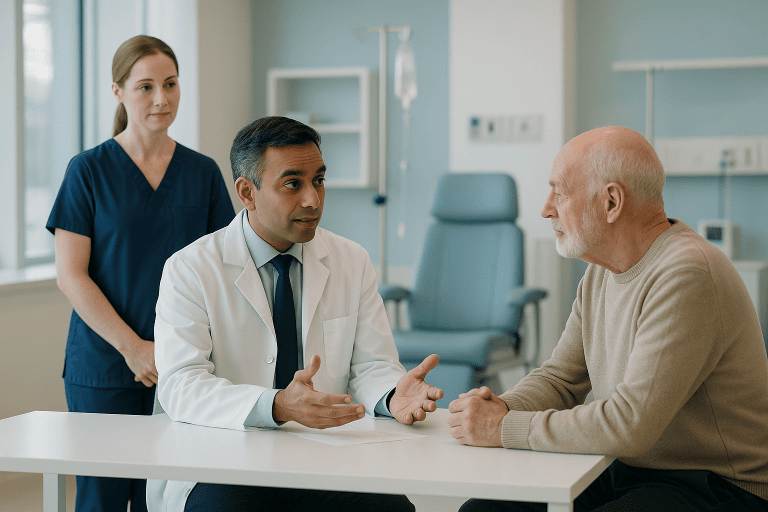
Once diagnosis and stage are clear, the case may be discussed in a multidisciplinary tumour board. These meetings bring the relevant fields to one table: a rectal cancer case may involve colorectal surgery, medical oncology, radiation oncology, radiology, pathology and gastroenterology; a brain tumour case may involve neurosurgery, neuroradiology, radiation oncology, medical oncology and rehabilitation planning. This is how the team decides whether treatment should start with surgery, systemic therapy or radiation, and it is also how unnecessary procedures are avoided and organ-preserving strategies are identified early.
Preparation Before Treatment
Preparation depends on the planned therapy. Before surgery, patients usually undergo anaesthesia evaluation, blood tests, cardiopulmonary assessment where needed, and a review of current medications such as blood thinners by the treating team. Nutrition, smoking status, diabetes control and physical fitness all influence surgical recovery, so they are addressed proactively rather than discovered afterwards.
Before chemotherapy, immunotherapy or targeted therapy, the team checks organ function, blood counts, infection risk, prior treatments and molecular test results. Some patients need a central venous access device for safer drug delivery. Fertility preservation, vaccination status, dental assessment or viral screening may be discussed where relevant: these conversations are easier before treatment starts than during it.
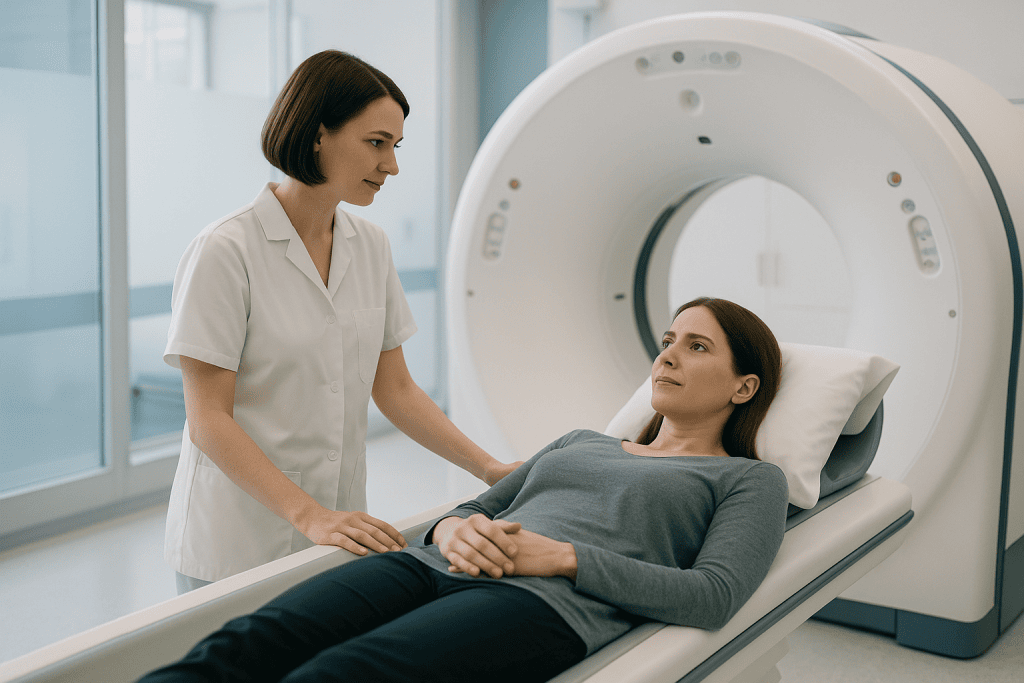
Before radiation therapy, patients undergo simulation and planning imaging. The purpose is to map the tumour and nearby organs precisely so radiation reaches the intended target while sparing normal tissue as far as possible. Custom positioning devices may be made so the patient lies in exactly the same position for every session.
Cancer Surgery
Cancer surgery aims to remove the tumour completely when possible and to provide accurate staging information from the tissue removed. Depending on the diagnosis, the operation may be open, laparoscopic, thoracoscopic, endoscopic, robotic-assisted or microsurgical; the choice depends on the tumour’s location, size, relationship to critical structures, stage and the patient’s general health, not on a preference for any particular technology.
In some cancers, surgery is the first and main treatment. In others, chemotherapy or radiation is given first to shrink the tumour, improve the chance of complete removal or preserve function. After surgery, the pathology report on the removed tissue guides whether further treatment is recommended. Recovery varies honestly and widely: a short stay after a minimally invasive procedure, a longer hospitalisation after a complex operation.
Medical Oncology Treatments
Medical oncology covers chemotherapy, immunotherapy, targeted therapy, hormone therapy and other systemic treatments delivered through a medical oncology department. These therapies travel through the bloodstream and can act on cancer cells anywhere in the body. They may be given before surgery, after surgery, alongside radiation, or as the primary treatment for advanced disease.
Chemotherapy remains important for many cancers, but oncology has moved well beyond a one-size-fits-all model. Biomarker testing may show whether a tumour is likely to respond to a targeted drug or to immunotherapy before the first dose is given. Some treatments are delivered intravenously in cycles; others are tablets taken at home. Response is monitored through symptoms, examination, blood tests, tumour markers where relevant, and scheduled imaging, not through hope.
Side effects vary by drug and by patient. Common concerns include fatigue, nausea, low blood counts, infection risk, hair loss, mouth sores, diarrhoea, skin changes and nerve irritation. Many can be prevented or reduced with modern supportive medications, dose adjustments and close monitoring, and the treating team explains in advance which changes during treatment need prompt review. It is fair to say plainly: systemic therapy is demanding, and good supportive care is part of the treatment, not an extra.
Clinical trials are part of modern medical oncology as well. For selected patients, particularly those with rare tumours, uncommon molecular findings or disease that has progressed on standard options: a well-run trial can offer access to treatments still under investigation, together with especially close monitoring. Whether a trial is appropriate is a case-by-case discussion that weighs eligibility criteria, the current evidence and the patient’s own goals; it is an option to be considered, never an obligation.
Radiation Therapy
Radiation therapy uses precisely targeted radiation to damage cancer cell DNA and stop tumour growth, delivered by a specialist radiation oncology team. It may be used with curative intent for localised cancers, after surgery to reduce recurrence risk, before surgery to shrink a tumour, or to relieve pain, control bleeding and treat selected metastatic lesions.
Modern radiation planning relies on detailed imaging, computerised dose calculations and quality checks before the first session. Techniques can shape the radiation field around the tumour, vary intensity across it, and account for organ motion in areas such as the chest and abdomen. The aim is consistent: an effective dose to the cancer, the lowest achievable dose to everything else.
Radiation is usually delivered in short outpatient sessions over several days or weeks, depending on the diagnosis. Some patients receive highly focused treatment in fewer sessions; others need a longer course. Side effects depend on the treated area and may include skin irritation, fatigue, swallowing discomfort, bowel changes, urinary symptoms or localised swelling. The team reviews the expected effects before treatment begins and follows patients throughout the course.
Precision Oncology and Integrative Oncology
How Does Precision Oncology Differ from Traditional Cancer Treatments?
Precision oncology differs from traditional cancer treatment by matching therapy to the molecular features of an individual tumour rather than to the cancer’s name and location alone. Traditional protocols treat, say, all lung cancers of a given stage in broadly the same way. Precision oncology tests the tumour for genetic alterations, receptor status and immune markers, then selects targeted drugs or immunotherapy where a matching target exists. The honest caveat: not every tumour carries a targetable alteration, and molecular testing sometimes leads back to conventional treatment. Precision oncology widens the options; it does not replace surgery, radiation or chemotherapy, and for many patients the best plan combines both approaches.
How Is Integrative Oncology Different from Traditional Treatments for Cancer?
Integrative oncology differs from traditional treatment in scope, not in substitution: it adds evidence-informed supportive approaches, nutrition, exercise, psychological support, sleep management, and selected complementary techniques for symptom relief, alongside conventional cancer treatment, never instead of it. The distinction matters. Integrative oncology works with the treating team to help patients tolerate therapy and maintain quality of life. Alternative medicine that replaces proven treatment is a different thing entirely, and delaying effective therapy for unproven remedies can cost options that do not come back. Any complementary approach should be discussed with the treating oncologist, because some supplements and practices can interfere with cancer drugs.
What Does a Cancer Treatment Center Specializing in Integrative Oncology Offer?
A cancer treatment center specializing in integrative oncology offers conventional cancer treatment, surgery, radiation and systemic therapy, combined in one setting with structured supportive services such as dietetics, physiotherapy, pain management, psycho-oncology and rehabilitation. The value lies in coordination: side effects are managed by people who know the treatment causing them, and supportive care is planned from the start rather than added when problems appear. When assessing any centre, the useful questions are concrete ones, whether cases are reviewed by a multidisciplinary team, whether supportive services are integrated into the treatment schedule, and whether the conventional treatment itself follows established international guidelines.
Technology Used in Cancer Diagnosis and Treatment
Technology supports cancer care at every stage, from diagnosis to follow-up. Advanced imaging helps establish tumour location, stage and treatment response. Digital pathology and specialised staining define the cancer subtype. Molecular testing can reveal genetic alterations, receptor status or immune markers that guide therapy selection. In the operating theatre, minimally invasive platforms, intraoperative imaging, navigation tools and specialised instruments help surgeons work with greater precision in suitable cases.
In radiation oncology, planning software, image guidance and motion-management techniques direct the dose to the tumour while reducing unnecessary exposure. In nuclear medicine, functional imaging shows metabolic activity or receptor expression that standard anatomical scans cannot. In interventional radiology, image guidance allows biopsy and selected tumour-directed treatments through small access points instead of open surgery.
A limit worth stating plainly: the value of technology is never the machine itself, but how experienced teams use it within a disciplined clinical pathway. The best cancer treatment plan combines accurate data, expert interpretation and a genuine discussion with the patient about what each option involves.
How Long Does Cancer Treatment Take?
Cancer treatment duration varies significantly by diagnosis and plan. A diagnostic workup and treatment plan may take several days, depending on the complexity of the case and the tests still needed. Some surgeries need only a short hospital stay; major cancer operations require longer inpatient recovery. Chemotherapy and immunotherapy are typically given in cycles over several months. Radiation therapy may range from a few focused sessions to several weeks of daily treatment. Anyone who promises a fixed timetable before staging is complete is guessing.
Recovery is not only physical. Many patients need support with fatigue, nutrition, sleep, emotional stress, body image, fertility, sexual health, work planning and family communication. Rehabilitation may include physiotherapy, speech and swallowing therapy, lymphoedema management, pain control or occupational therapy. Follow-up is scheduled according to the cancer type and treatment received, with surveillance visits, imaging and laboratory tests at defined intervals, and the elevated risk of a second cancer for cancer survivors is one of the reasons follow-up continues for years rather than months.
Why Acting Early Matters
Timely evaluation can make a meaningful difference. Some cancers are more treatable at an earlier stage, before they invade nearby structures or spread to distant organs. Early diagnosis may allow less extensive surgery, shorter treatment, organ-preserving approaches or simply more options overall.
Delay carries real costs: tumour growth, progression to a more advanced stage, worsening symptoms, or complications such as obstruction, bleeding, infection, fracture, neurological damage and weight loss. In some cancers, delay may close the window for curative-intent treatment; in others, progression limits eligibility for specific therapies or makes treatment harder to tolerate.
Acting early does not mean rushing into the first available treatment without adequate evaluation. It means moving with appropriate urgency: confirming the diagnosis, completing staging, obtaining expert input and beginning the right treatment at the right time. Those two failures, panic and paralysis, are both avoidable, and a well-organised plan protects against each.
Benefits of Cancer Treatment
The benefits of cancer treatment and follow-up depend on the type and stage of disease, but the goals are always defined around medical effectiveness and the patient’s own priorities.
| Benefit | What It Means for You |
|---|---|
| Accurate diagnosis and staging | Knowing the exact cancer type, extent and biology lets the team recommend treatment that is appropriate rather than generic. |
| Personalised treatment planning | Your plan may combine surgery, radiation, medication and supportive care in a sequence designed for your cancer and your overall health. |
| Curative-intent treatment or long-term control | Many cancers can be treated successfully, particularly when found early; others can often be controlled for meaningful periods with modern therapies. |
| Symptom relief | Treatment can reduce pain, bleeding, obstruction, breathing difficulty or neurological symptoms caused by cancer. |
| Protection of function and quality of life | Careful planning may help preserve organs, mobility, speech, swallowing, fertility or independence when medically possible. |
| Ongoing surveillance | Structured follow-up can detect recurrence, manage late side effects and support long-term survivorship needs. |
Recovery Timeline After Cancer Treatment
Recovery differs for each patient and each treatment type, but the following timeline gives a general sense of what many patients experience.
| Time Period | What Patients Can Expect |
|---|---|
| Day 1 | After surgery, care focuses on pain control, breathing, movement and monitoring. After chemotherapy, immunotherapy or radiation, most patients receive instructions and return home unless inpatient care is needed. |
| First Week | Fatigue, appetite changes, mild pain or treatment-specific side effects may appear. The team monitors wounds, blood counts, hydration, fever risk and the response to supportive medications. |
| First Month | Surgical patients usually increase activity gradually. Patients on systemic therapy or radiation continue their scheduled sessions. Nutrition, sleep, emotional adjustment and symptom management take priority. |
| Three to Six Months | Many patients complete initial therapy or move into maintenance treatment, rehabilitation or surveillance. Imaging and laboratory tests assess the response. |
| Longer Term | Follow-up focuses on recurrence monitoring, management of late side effects, healthy lifestyle guidance and support for returning to daily life, work and travel. |
What Influences Cancer Treatment Outcomes?
Outcomes in oncology depend on many factors at once. The most important are cancer type, stage at diagnosis, tumour grade, molecular features, age, general health, organ function, nutritional status, prior treatments and how the disease responds to therapy. Some cancers are highly sensitive to radiation or medication; others are more resistant and need complex combined treatment. No responsible clinician predicts an individual outcome from a category.
The quality of diagnosis matters as much as the choice of treatment. A small difference in pathology interpretation, biomarker testing or staging can change the recommendation entirely. Expert review carries particular weight in rare cancers, borderline surgical cases, metastatic disease, recurrent tumours, or wherever physicians’ recommendations differ.
Timing and sequencing matter too. For some cancers, chemotherapy before surgery improves control of microscopic disease; for others, surgery should come first. Radiation may be most effective before surgery in one diagnosis and after it in another. These decisions should reflect established international guidelines, current evidence and the individual patient’s situation, in that combination, not any one alone.
Your own participation counts. Taking medications as prescribed, reporting side effects early, attending appointments, maintaining nutrition, staying physically active within safe limits and avoiding tobacco all support treatment tolerance. Emotional and family support helps patients complete therapy and manage the uncertainty that comes with cancer care.
Finally, a good result is not defined only by scans. It may mean complete removal of a tumour, durable disease control, fewer symptoms, preserved function, tolerable side effects, clear communication and a follow-up plan you actually understand. In advanced cancer, meaningful outcomes include longer control of disease, better comfort, fewer hospitalisations and more time spent on the daily things that matter to you.
How Cancer Care Is Organised at Acibadem
Oncology care at Acibadem is built around multidisciplinary coordination. Cancer cases may be evaluated by tumour boards or specialist teams that include medical oncologists, surgeons, radiation oncologists, radiologists, pathologists, nuclear medicine physicians, interventional radiologists and supportive care specialists. The structure exists to reduce fragmented decision-making, and to make sure patients understand why a specific sequence of treatment is recommended, not just what it is.
Personalised planning starts with what already exists. The team reviews prior records, identifies missing information, arranges the required tests and explains the expected treatment duration where it can honestly be estimated. If a patient has already been treated elsewhere, the plan may include assessment of response, review of pathology and imaging, or recommendations for next-line therapy.
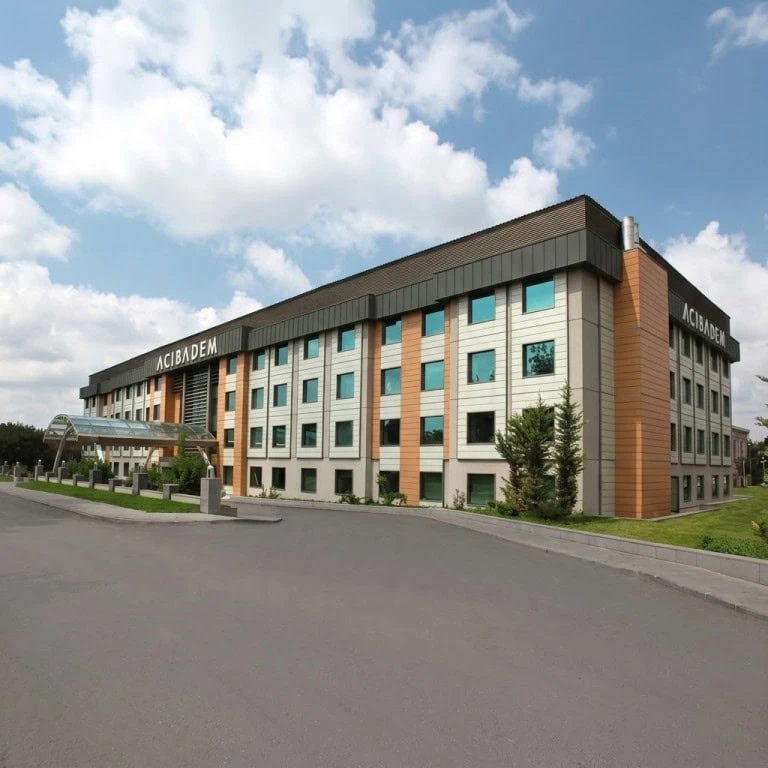
Acibadem hospitals use modern diagnostic and treatment technologies across oncology: advanced imaging, pathology techniques, molecular testing, image-guided biopsy, minimally invasive surgical approaches in suitable cases, precision radiation planning and infusion services for systemic therapies. Judgement remains the essential ingredient, cancer treatment often involves choices between several acceptable options, such as breast-conserving surgery versus mastectomy, or an intensive drug regimen versus a modified one, and physicians discuss these with attention to evidence, preference and practical reality.
Continuity is treated as part of the plan rather than an afterthought. Cancer care rarely ends when a course of treatment finishes: surveillance visits, late side-effect management, rehabilitation and psychological support all continue afterwards, often shared with the patient’s own family physician. Where appropriate, medical summaries, treatment reports and follow-up recommendations are prepared so that every clinician involved in ongoing care works from the same information, and so the patient knows exactly which appointment, scan or blood test comes next.
Second Opinions in Oncology
A second opinion is a structured review of an existing diagnosis and treatment plan by an independent specialist or team. It is most valuable when the diagnosis is complex or rare, when the proposed treatment is aggressive or irreversible, when recommendations from different physicians conflict, or when a recurrence changes the picture. A good second opinion may confirm the current plan, which is itself useful, or identify additional testing, a different sequence, or options that were not previously on the table.
Wherever a second opinion is sought, its quality depends on complete information. The documents that make a review meaningful are the pathology report and, ideally, the original slides or blocks; imaging in its original digital format rather than printed summaries; biopsy and surgical notes; a full medication list; and a chronological summary of prior treatment. Reviews based on partial records produce partial answers.
Cancer care is a journey of decisions made step by step. With an accurate diagnosis, thoughtful planning and coordinated support, you can approach cancer treatment with clearer expectations and a team focused on both disease control and the quality of the life the treatment is meant to protect.
Preparation
- Preparation begins with imaging, pathology review, blood tests and staging to define the cancer type and extent. A multidisciplinary tumor board may review the case and recommend a personalized treatment plan. Patients should share current medications, allergies and previous treatments before therapy starts.
Aftercare
- Aftercare includes follow-up visits, blood tests and imaging to monitor response and manage side effects. Patients may receive nutrition, pain management, rehabilitation or psychosocial support during recovery. Long-term surveillance is planned according to cancer type, stage and treatment response.
Frequently Asked Questions
What affects the cost of cancer treatment?
The main factors are cancer type and stage, diagnostic tests, pathology and molecular profiling, the treatment combination, hospital stay, medicines, radiotherapy technique, surgery complexity, and supportive care needs. Travel, translation, accommodation, and follow-up planning can also influence the overall budget.
How can I get a personalised quote from Acibadem?
You can request a free consultation and share medical records such as pathology reports, imaging, laboratory results, treatment summaries, and current medications. The oncology team reviews the information and prepares a case-based plan and cost estimate when sufficient details are available.
Why can the quote change after arrival?
A quote may change if new imaging, pathology review, staging results, or specialist examination shows that the cancer status is different from the initial records. Changes in drug selection, surgery plan, hospital stay, or supportive care can also affect the final cost.
Are cancer treatment packages all-inclusive?
Packages vary by patient and by treatment plan. They may include consultations, selected diagnostics, hospital coordination, translation, and planned treatment steps, but additional tests, medicines, complications, extended stay, or changes in therapy may be billed separately.
Is it better to choose surgery, chemotherapy, radiotherapy, immunotherapy, or targeted therapy?
There is no single best option for every patient. The most appropriate plan depends on cancer type, stage, biomarkers, previous treatments, general health, and treatment goals, and should be decided by an oncology specialist.
Can international patients continue follow-up care at home?
In many cases, the treating team can provide discharge summaries, treatment reports, medication guidance, and follow-up recommendations for the patient’s local doctor. The exact follow-up plan depends on the diagnosis and treatments received.
Medically reviewed by the Acıbadem International Medical Board August 30, 2026
See our medical review board →
Update history
- PublishedJune 4, 2026
- Medical review approvedAugust 30, 2026
- Last content updateAugust 30, 2026
References2
- Types of Cancer Treatment cancer.gov
- Cancer nhs.uk
Trusted care for international patients
From the Acibadem Blog
Supporting a Family Member Through Cancer Treatment: Appointments, Nutrition and Rest
Supporting a family member through cancer treatment usually means three practical jobs: being a second set of ears at appointments, keeping food and fluids…
How a Tumor Board Shapes Your Cancer Treatment Plan and What to Ask After It Meets
A tumor board is a scheduled meeting where specialists from several fields, typically medical, surgical and radiation oncologists, a pathologist and a radiologist, review…
Chemotherapy vs Radiation: The Difference, When Each Is Used and How to Decide
Chemotherapy and radiation are different tools for the same job. Chemotherapy uses medicines that travel through the bloodstream to reach cancer cells anywhere in…

What an Oncologist Is: How It Works, Who It Helps and What to Expect
An oncologist is a physician who specializes in diagnosing, staging and treating cancer, then following patients afterward. Most oncologists work in one of three…