IMRT (Intensity-Modulated Radiation Therapy)
Intensity-modulated radiation therapy (IMRT) is a precise form of external beam radiotherapy that uses computer planning to vary the strength of many small beams so the dose conforms to the tumor shape.…
Quick answer
IMRT (intensity-modulated radiation therapy) is an advanced form of external beam radiotherapy in which a computer shapes many small beams of varying strength so the dose closely matches the tumor while sparing nearby healthy tissue. It is commonly used for head and neck, prostate, brain, and other cancers near sensitive organs, delivered in short daily outpatient sessions.
What is IMRT (Intensity-Modulated Radiation Therapy)?
IMRT radiation therapy, short for intensity-modulated radiation therapy, is an advanced form of external beam radiotherapy. Radiotherapy (also called radiation therapy) uses high-energy X-rays or similar beams to damage the DNA of cancer cells so they stop dividing and die. External beam means the radiation comes from a machine outside the body, rather than from a source placed inside it.
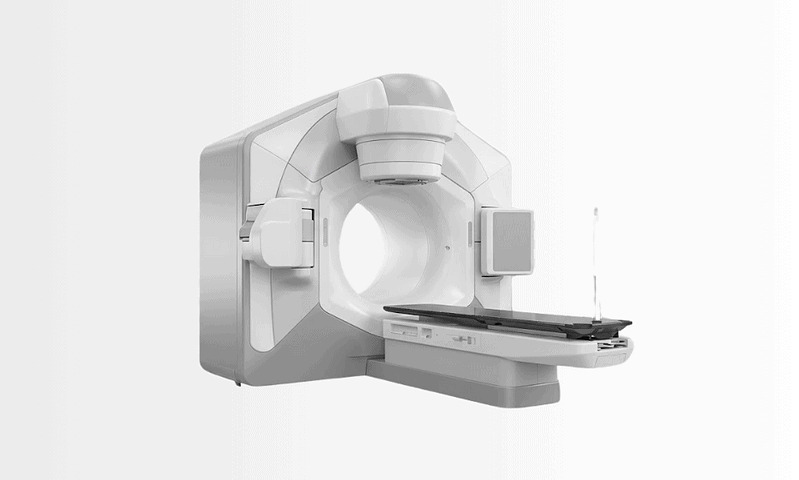
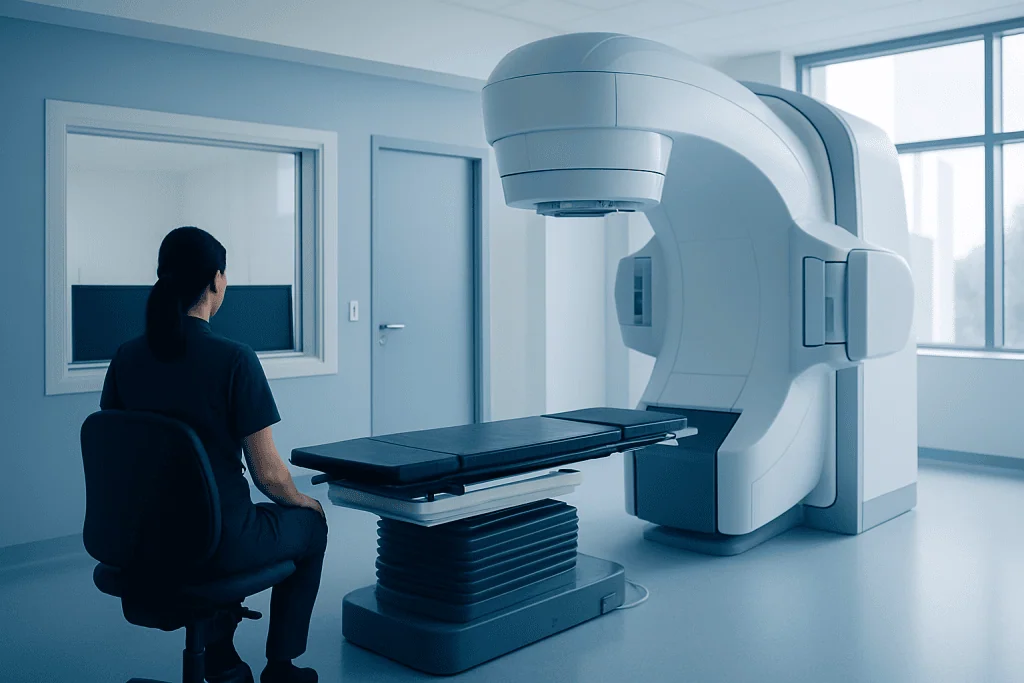
What makes IMRT different from older conventional radiotherapy is the word intensity-modulated. Instead of delivering a beam of uniform strength, the treatment machine, called a linear accelerator, shapes each beam into many small segments and varies the dose across them. A computer plans how these segments combine from several angles so the total dose closely matches the three-dimensional shape of the tumor. This allows the radiation oncologist (a doctor who specializes in treating cancer with radiation) to deliver a higher dose to the tumor while limiting the dose to healthy tissue nearby.
IMRT radiotherapy is commonly used for cancers that sit close to sensitive organs, where sparing healthy tissue matters most. Typical examples include:
- Head and neck cancers, where the salivary glands, spinal cord, and swallowing muscles are close to the tumor
- Prostate cancer, where the rectum and bladder lie next to the prostate
- Brain tumors and tumors at the base of the skull
- Some breast, lung, gynecologic, gastrointestinal, and pediatric cancers
- Certain non-cancerous (benign) growths that are treated with radiation
In many hospital groups, including Acibadem, IMRT is planned and delivered by the Radiation Oncology department in cooperation with medical physicists and radiation therapists.
Who is a candidate
Whether IMRT is suitable depends on the type, location, and stage of the tumor, the patient’s general health, and the treatment goal. Your doctor may recommend IMRT when:
- The tumor is irregularly shaped or wraps around a critical structure such as the spinal cord, optic nerves, or brainstem
- The tumor is close to organs that are easily damaged by radiation, such as the salivary glands, rectum, heart, or kidneys
- A relatively high dose is needed to control the disease, and conventional radiotherapy would deliver too much dose to healthy tissue
- Radiation is combined with other treatments such as surgery or chemotherapy, and reducing side effects is a priority
- An area has been treated with radiation before, and precise dose shaping is needed to protect previously treated tissue
IMRT is not always the best choice. It may not be suitable, or may offer little advantage, when:
- The tumor is large, poorly defined, or spread over a wide area, so precise shaping brings little benefit
- The target moves considerably with breathing or organ filling and cannot be adequately tracked or immobilized
- A simpler technique, such as conventional three-dimensional conformal radiotherapy, achieves the same goal with less complexity
- The patient cannot lie still in the treatment position for the required time, although supports and, in some cases, sedation may help
- The disease is widespread and a shorter palliative course (treatment aimed at relieving symptoms rather than curing) is more appropriate
Pregnancy, certain connective tissue disorders, and prior high-dose radiation to the same area are situations that require particular caution. The final decision is usually made by a multidisciplinary team that includes radiation oncologists, surgeons, and medical oncologists.
How the procedure works
IMRT is a process rather than a single event. It typically unfolds in several stages over a number of weeks.
Before treatment: consultation and simulation
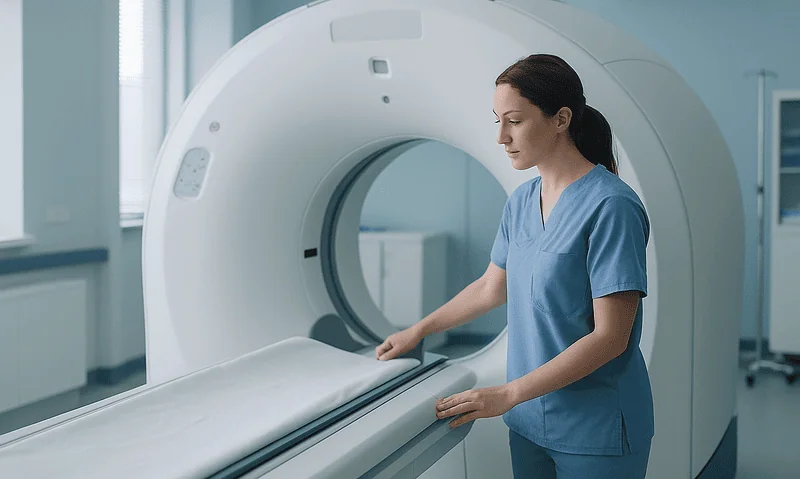
The radiation oncologist reviews your diagnosis, imaging, and pathology results and explains the aim of treatment, the expected number of sessions, and the likely side effects. If you agree to proceed, you attend a planning appointment called a simulation. During simulation you lie on a CT scanner (a machine that takes detailed cross-sectional X-ray images) in the exact position you will use for every treatment. Staff may make a custom immobilization device, such as a molded cushion for the body or a mesh mask for the head and neck, so that your position is reproducible. Small permanent skin marks the size of a freckle, or temporary ink marks covered with stickers, are often placed to help align you each day. Other scans, such as MRI or PET, may be combined with the planning CT to define the target more accurately.
Treatment planning
After simulation, the radiation oncologist outlines the tumor and the organs at risk on the planning images. Medical physicists and dosimetrists (specialists in radiation dose calculation) then use software to design the beam arrangement. The planning system calculates how many beams to use, from which angles, and how the intensity of each beam segment should vary. The plan is checked on the machine before your first session. This stage usually takes several days to two weeks.
During treatment sessions
Most IMRT courses consist of daily sessions, Monday through Friday, over a period that often ranges from a few weeks to about eight weeks, depending on the cancer type. At each session:
- You change into a gown if needed and lie on the treatment table in your immobilization device.
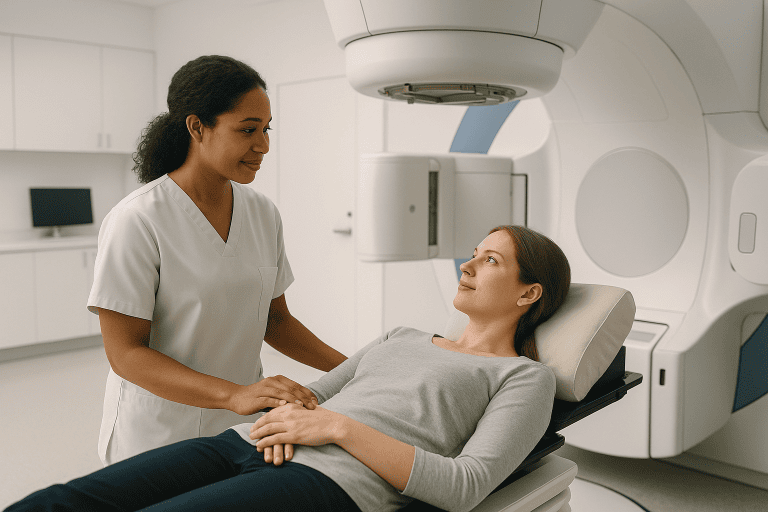
- Radiation therapists align you using your skin marks and often take a quick X-ray or low-dose CT scan on the machine to confirm the position. This is called image-guided radiation therapy (IGRT) and is frequently combined with IMRT.
- The staff leave the room but watch and listen to you through cameras and an intercom. You can speak to them at any time.
- The machine moves around you, stopping at several angles to deliver each shaped beam. You will hear humming or clicking sounds but you will not feel the radiation.
- The actual beam time is usually a few minutes; the whole appointment often lasts 15 to 30 minutes.
Because the radiation does not stay in your body, you are not radioactive after external beam treatment and can safely be around other people, including children and pregnant women.
After each session and at the end of the course
You can normally go home or return to work immediately after a session. Your treatment team reviews you at least weekly to check for side effects and may adjust supportive medicines. Once the course is complete, follow-up visits and imaging are scheduled to assess the response and manage any lingering effects.
Preparation for IMRT radiotherapy
Preparation focuses on making each session accurate and reducing avoidable side effects. Your team will give instructions specific to the area being treated, but common points include:
- Medicines: Bring a full list of your medications and supplements. Some may need to be paused or adjusted, especially if you also receive chemotherapy.
- Dental review: For head and neck treatment, a dental check before radiotherapy is standard because teeth extractions after radiation carry higher risks.
- Bladder and bowel instructions: For pelvic treatment such as prostate cancer, you may be asked to drink a set amount of water before each session so that your bladder is comfortably full, and to follow a diet that keeps bowel gas and stool consistent. This keeps the organs in the same position each day.
- Skin care: Avoid applying creams, deodorants, or perfumes to the treatment area shortly before a session unless your team approves them. Do not wash off skin marks.
- Nutrition and hydration: Eating a balanced diet and staying well hydrated helps your body tolerate treatment. A dietitian may be involved if swallowing or appetite could be affected.
- Clothing: Wear loose, soft clothing that is easy to remove around the treatment area.
- Practical planning: Because sessions are daily, many patients arrange transport, work adjustments, or accommodation near the hospital in advance.
- Fertility and pregnancy: Tell your doctor if you are or might be pregnant. Pelvic radiation can affect fertility, and options for preserving fertility should be discussed before treatment begins.
Stopping smoking before and during radiotherapy is widely recommended, as smoking is associated with more severe side effects and poorer treatment outcomes for several cancers.
Recovery and aftercare after IMRT
Recovery from IMRT is gradual. Side effects usually build up over the course of treatment, tend to peak in the last week or the first one to two weeks after it ends, and then typically improve over the following weeks.
- First few weeks after treatment: Fatigue, skin irritation, and site-specific symptoms such as a sore throat or urinary frequency are often at their worst. Many patients need rest and a lighter schedule during this period.
- Four to eight weeks after treatment: Skin reactions usually heal and energy often begins to return. Symptoms such as taste changes or diarrhea commonly ease.
- Three to six months and beyond: Most acute effects have typically resolved. Some effects, such as dry mouth after head and neck treatment, can take longer or may be permanent in part.
Aftercare recommendations often include:
- Continuing gentle skin care with fragrance-free moisturizer as advised, avoiding sun exposure to the treated area, and protecting it with clothing or a high-factor sunscreen once the skin has healed
- Maintaining good nutrition and fluid intake, with support from a dietitian if eating is difficult
- Light physical activity such as walking, which is associated with less fatigue in many studies
- Following any specific instructions, such as pelvic floor exercises, swallowing exercises, or dental fluoride protocols
- Attending scheduled follow-up appointments and imaging, since the full effect of radiation on a tumor is often assessed several weeks to months after the last session
Return to work and normal activity varies widely. Some people continue working throughout treatment, while others need several weeks of recovery after the course ends. Your doctor may suggest a gradual return based on how you feel.
Risks and IMRT side effects
IMRT is designed to reduce side effects compared with conventional radiotherapy, but it does not eliminate them. Radiation affects healthy cells that divide quickly, such as skin and the lining of the mouth or gut, and effects depend heavily on the part of the body being treated.
Common short-term (acute) side effects
- Fatigue, which is very common and usually cumulative
- Skin redness, dryness, itching, or peeling in the treated area, similar to sunburn
- Hair loss only within the treated area
- Head and neck: sore mouth or throat, difficulty swallowing, thick saliva, taste changes, dry mouth
- Chest: cough, mild shortness of breath, difficulty swallowing if the esophagus is in the field
- Abdomen and pelvis: nausea, diarrhea, urinary frequency or burning, rectal irritation
- Brain: headache, nausea, temporary worsening of existing symptoms due to swelling
Possible long-term (late) side effects
Late effects can appear months or years after treatment and are less common but may be permanent. Depending on the site, they can include persistent dry mouth, dental problems, narrowing of the esophagus or bowel, bladder or rectal bleeding, lymphedema (swelling from damaged lymph vessels), hormonal changes, infertility, changes in memory or concentration after brain treatment, and rarely, damage to nerves or the spinal cord. Any radiation carries a small long-term risk of causing a new cancer many years later. Because IMRT spreads a low dose over a larger volume of normal tissue than some older techniques, this theoretical risk is discussed particularly for younger patients.
Technical considerations
IMRT relies on precise positioning. If the tumor or organs shift more than expected, part of the target could receive less dose than planned, or healthy tissue could receive more. Daily imaging, immobilization devices, and bladder or bowel protocols are used to limit this risk.
The severity of side effects varies greatly between individuals. Most acute effects can be managed with medications, mouth rinses, skin products, and dietary adjustments prescribed by your team.
Results and outlook
IMRT is an established standard of care for many cancers, and its main proven advantage is a reduction in certain side effects rather than a dramatic improvement in cure rates compared with well-delivered conventional radiotherapy. For example, in head and neck cancer, clinical trials have consistently shown that IMRT lowers rates of long-term dry mouth by sparing the salivary glands. In prostate cancer, the technique has allowed doctors to increase the dose to the prostate while keeping rectal side effects at acceptable levels.
How well the treatment controls the cancer depends mainly on the type of cancer, its stage, its biology, and whether it is combined with surgery, chemotherapy, hormone therapy, or other treatments, not on the technique alone. Your radiation oncologist can explain what the evidence shows for your specific situation. Response is usually evaluated with imaging and clinical examination several weeks to months after the course, because radiation continues to act on tumor cells after the last session.
Newer delivery methods, such as volumetric modulated arc therapy (VMAT), are variations of IMRT rather than replacements for it. The overall approach of shaping the dose to the tumor remains the same.
Cost considerations
The cost of a course of IMRT varies considerably between countries, hospitals, and insurance systems. Rather than quoting figures, it is more useful to understand what drives the total:
- Planning complexity: IMRT requires more physicist and dosimetrist time, advanced planning software, and quality-assurance checks than conventional radiotherapy.
- Number of sessions: Courses range from a few sessions to about forty, and each session carries a cost.
- Imaging: Planning CT, additional MRI or PET scans, and daily image guidance add to the total.
- Immobilization devices: Custom masks and molds are made for each patient.
- Combined treatments: Chemotherapy, hormone therapy, or surgery given alongside radiation are usually billed separately.
- Supportive care: Medications, dietitian and speech therapy visits, and dental care can be significant, especially for head and neck treatment.
- Hospital stay: IMRT is almost always outpatient, so accommodation costs mainly relate to staying near the center if you live far away.
- Follow-up: Visits and imaging over the following years form part of the overall cost of care.
Insurance coverage for IMRT often depends on the diagnosis, and many insurers require documentation that the technique is medically necessary. It is reasonable to ask the hospital’s billing department for a written estimate before starting.
Frequently asked questions
What is IMRT in simple terms?
IMRT is a type of external radiation treatment in which a computer-controlled machine delivers many small beams of varying strength from different angles. Together they build up a high dose that matches the shape of the tumor while reducing the dose to nearby healthy organs. It is a planning and delivery technique, not a different kind of radiation.
What are the most common IMRT side effects?
The most common effects are fatigue and skin irritation in the treated area. Other effects depend on the site, for example sore throat and dry mouth with head and neck treatment, or urinary and bowel changes with pelvic treatment. Most acute effects improve within weeks after treatment ends, while some late effects may persist.
IMRT vs VMAT: what is the difference?
VMAT (volumetric modulated arc therapy) is a newer form of IMRT. In conventional IMRT the machine stops at several fixed angles to deliver each beam, whereas in VMAT it delivers radiation continuously while rotating around you, adjusting the beam shape and dose rate as it moves. VMAT sessions are usually shorter, and dose distributions are generally comparable. Which one is used often depends on the equipment available and the specific case.
Does IMRT radiation therapy hurt?
No. You do not feel the radiation during a session, and the procedure itself is painless. Discomfort, when it occurs, comes from lying still in the treatment position or from side effects that develop gradually over the course.
How long does a course of IMRT radiotherapy take?
Each session typically takes 15 to 30 minutes, with only a few minutes of actual beam time. A full course often involves daily weekday sessions over several weeks, though some conditions are treated with shorter schedules. Your radiation oncologist will explain the planned number of sessions.
Am I radioactive after IMRT?
No. External beam radiation passes through the body and does not remain in it. You can be around family members, children, and pregnant women without restriction after each session.
Can IMRT be repeated if the cancer comes back?
Sometimes. Re-treating an area that has already received radiation is possible in selected cases, and the precision of IMRT can help protect previously treated tissue. However, cumulative dose limits for healthy organs mean that re-irradiation is not always safe. This decision requires careful review of your earlier treatment records.
When to see a doctor
Anyone diagnosed with cancer, or with a benign growth for which radiation has been suggested, should be assessed by a radiation oncologist to learn whether IMRT or another technique is appropriate. It is also reasonable to seek specialist advice if you have been offered conventional radiotherapy for a tumor near sensitive structures and want to understand whether a more targeted approach would reduce your risk of side effects.
During and after treatment, contact your treatment team promptly if you notice:
- A fever of 38 °C (100.4 °F) or higher, chills, or signs of infection, particularly if you are also receiving chemotherapy
- Skin in the treated area that is blistering, weeping, or shows signs of infection such as spreading redness or pus
- Inability to eat or drink enough because of mouth or throat pain, or weight loss of several kilograms
- Persistent vomiting or diarrhea leading to dizziness, very dark urine, or other signs of dehydration
- Severe or worsening pain that is not controlled by prescribed medicines
Seek urgent medical attention, including emergency services if necessary, for:
- Difficulty breathing, chest pain, or coughing up blood
- Significant bleeding from the bladder, rectum, mouth, or treated area
- Sudden severe headache, new confusion, seizures, or weakness or numbness in the limbs, especially after brain or spine treatment
- Inability to pass urine
- Swelling and pain in one leg, which can indicate a blood clot
In the months and years after treatment, new or worsening symptoms in the treated area, such as pain, bleeding, swelling, or difficulty swallowing, should be reported at follow-up or sooner, since they may represent late effects that can be treated or, less commonly, a return of the disease.
Preparation
- Attend a planning CT (simulation) where an immobilization device and skin marks are made. Bring a list of all medications, have a dental check if the head or neck will be treated, and follow any bladder-filling or dietary instructions for pelvic treatment. Avoid creams or deodorants on the treatment area before sessions unless approved, and arrange transport for daily visits.
Aftercare
- Care for treated skin with approved fragrance-free products and protect it from sun exposure. Maintain nutrition and hydration, stay lightly active, and use prescribed medicines for site-specific symptoms such as sore throat or diarrhea. Attend all follow-up appointments, as treatment response is usually assessed weeks to months after the last session.
Medically reviewed by the Acıbadem International Medical Board September 8, 2026
See our medical review board →
Update history
- PublishedSeptember 8, 2026
- Medical review approvedSeptember 8, 2026
- Last content updateSeptember 8, 2026
References3
From the Acibadem Blog
Why a Dental Check Comes Before IMRT for Head and Neck Cancer
A dental check comes before IMRT for head and neck cancer because radiation permanently reduces the jawbone's blood supply and its ability to heal.…
Skin Care During IMRT: Fragrance-Free Products, Sun Protection and Daily Habits
Skin care during IMRT centers on a few evidence-based habits: wash the treated area gently with lukewarm water and a mild, fragrance-free cleanser, pat…

IMRT vs VMAT Radiation Therapy: What the Arc Technique Changes for Your Sessions
IMRT and VMAT are two ways of delivering the same kind of precisely shaped radiation. IMRT fires from several fixed angles in turn; VMAT…