Robotic-Assisted Knee Replacement
Robotic-Assisted Knee Replacement is an advanced surgical procedure that uses robotic technology to improve implant positioning and precision during knee joint replacement for severe pain and stiffness.
Quick answer
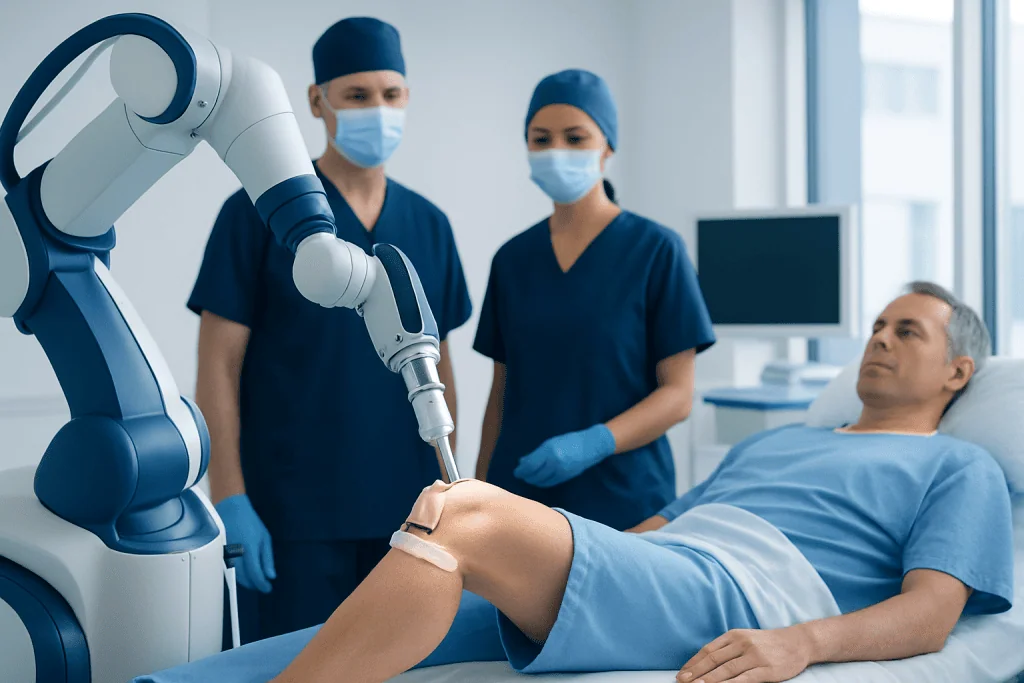
Robotic-assisted knee replacement is knee arthroplasty performed with computer-guided planning and a robotic platform. The surgeon maps the patient's knee anatomy, plans implant size, position and alignment for that specific joint, then uses the robotic system to prepare the bone precisely to plan. The surgeon leads the operation throughout; the technology assists with accuracy in bone cuts and implant placement.
What is robotic-assisted knee replacement?
Robotic-assisted knee replacement is a form of knee arthroplasty in which the surgeon uses robotic technology and computer-guided planning to remove the damaged surfaces of the knee joint and replace them with artificial components. It is performed for advanced arthritis and other structural joint damage that no longer responds to non-surgical care. The approach can be used for a total knee replacement, where the main surfaces of the joint are replaced, or in selected cases for a partial knee replacement, where wear is limited to one compartment of the joint.
In a healthy knee, cartilage lets the joint surfaces glide smoothly against each other. When arthritis or injury wears that cartilage away, the result is pain, inflammation, grinding, stiffness and, over time, changes in the alignment of the leg. Knee replacement surgery removes the worn surfaces, reshapes the ends of the bones and fits sized components so the joint can move smoothly again and the leg can be brought back towards better alignment.
What separates the robotic approach from conventional technique is the layer of data behind it. Before or during the operation, the system builds a detailed picture of your anatomy: bone shape, areas of cartilage loss, existing deformity and how the joint surfaces relate to each other through movement. The surgeon uses this map to plan implant size, position, orientation and soft-tissue balance for your specific knee, then carries out that plan in theatre with real-time guidance, adjusting wherever the live findings require it.
For many people, the first real look at this operation comes from a knee replacement surgery video found online. Videos are useful for understanding the mechanics, and this page walks through the same sequence in plain language, together with the parts a camera cannot show: how candidates are selected, how the plan is built, what recovery honestly involves and where the limits of the technology lie. Robotic-assisted procedures at Acibadem sit within a wider robotic surgery programme that applies the same principle across specialties: the technology assists, the surgeon operates.
How does a robotic arm assist knee replacement?
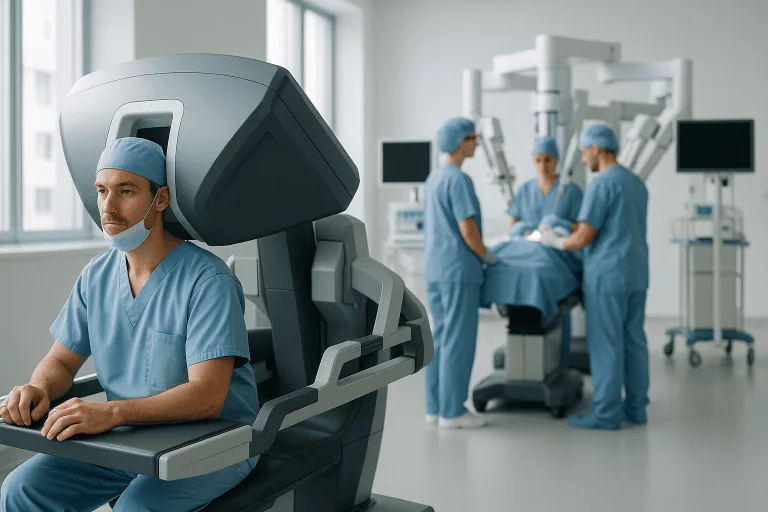
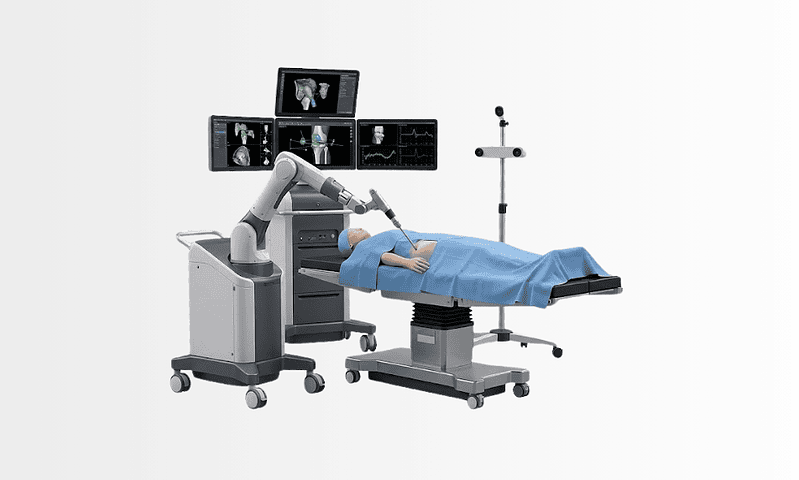
The robotic arm helps the surgeon prepare the bone precisely according to the surgical plan; it does not perform the operation independently and it does not make decisions. During surgery, tracking instruments attached near the joint tell the system exactly where the bones are and how they move. The platform then constrains the cutting instruments within planned boundaries, which supports accurate bone cuts and helps avoid unnecessary removal of bone or unintended contact with nearby soft tissues. The surgeon holds the instruments, checks the joint at every stage, and can override or refine the plan based on what is actually seen inside the knee. Think of it as a very precise stencil combined with live measurement, not an autonomous machine.
What a knee replacement surgery video actually shows, and what it leaves out
A knee replacement surgery video shows the mechanical core of the operation: the incision, the exposure of the joint, the removal of worn cartilage and bone, the trial fitting and the placement of the final implants. A typical total knee replacement video, whether filmed for surgeons or edited for patients, compresses one to a few hours of theatre time into a short sequence, and it is worth knowing what sits on either side of that footage.
Most surgical films follow the same order:
- Exposure. An incision over the front of the knee, and careful positioning of the kneecap and soft tissues so the surgeon can see the joint surfaces.
- Assessment. Direct inspection of the cartilage, ligaments and alignment, checked against the imaging and the plan.
- Bone preparation. Removal of the damaged surfaces from the femur and tibia, and, when indicated, the patella, following planned cutting guides or, in a robotic case, boundaries set by the platform.
- Trial components. Temporary implants placed to test motion, stability and balance before anything is fixed.
- Final implants and closure. The permanent components fixed in place, the joint tested again, and the incision closed in layers.
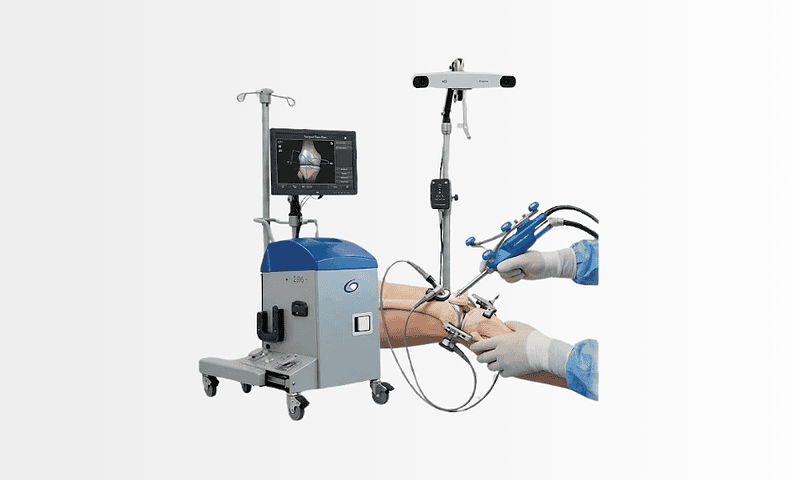
In a robotic knee surgery film, you will also see elements a conventional recording does not include: tracking arrays fixed near the joint, a screen displaying the digital model of the knee, live numbers for alignment and gap balance, and instruments that stop at the edge of the planned cutting zone. These are the visible signs of the planning and feedback systems working in the background.
What a knee replacement video cannot show is just as important. It does not show the weeks of assessment that decided surgery was appropriate, the anaesthetic and pain-management planning, the reasoning behind implant choice, or the months of rehabilitation that determine most of the final result. It also cannot tell you whether the operation on screen resembles the operation you would need: a partial replacement, a knee with significant deformity or a joint with previous surgery each looks quite different in practice. Watch videos to demystify the procedure, not to judge your own case by them.
When knee pain starts to shape your life
People usually begin researching robotic-assisted knee replacement after months or years of managing a knee that no longer feels reliable. At first the changes seem containable: pain on stairs, stiffness after sitting, swelling at the end of the day, a shrinking radius of comfortable walking. Over time the knee can become the centre of every decision. Patients stop travelling, exercising, sleeping through the night or joining family life in the way they want to. For many, the hardest part is not the pain itself but the sense that daily life has narrowed around it.
Choosing surgery is rarely simple. Common worries include whether the operation is truly necessary, how much discomfort to expect afterwards, how long recovery takes and whether the new joint will feel natural. Patients considering treatment abroad add further questions: how the diagnosis will be confirmed, whether the plan will reflect current evidence, and who will coordinate testing, travel and follow-up. These are reasonable questions, and the sections below address each of them directly.
Treatment matters because advanced knee arthritis does more than hurt. It leads to reduced mobility, worsening deformity, loss of muscle strength, disturbed sleep, growing reliance on pain medication and a gradual decline in overall health. When non-surgical treatment no longer provides meaningful relief, knee replacement offers a way to reduce pain, restore movement and return to everyday activities with more confidence.
Who may need robotic-assisted knee replacement?
Robotic-assisted knee replacement may be considered when chronic knee pain and stiffness significantly limit daily life and have not responded adequately to non-surgical treatment. Most candidates have already tried some combination of medication, physiotherapy, activity modification, weight management, injections, bracing or walking aids. Surgery becomes a serious consideration when symptoms persist and function keeps declining despite those measures.
Typical symptoms include pain when walking, standing or climbing stairs; stiffness after rest; swelling; a feeling of instability; reduced range of motion; and difficulty with routine tasks such as rising from a chair, shopping, travelling or sleeping through the night. Some patients notice the leg bowing inward or outward, or find they can no longer fully straighten or bend the knee.
Diagnosis begins with an orthopaedic evaluation. The surgeon asks about symptoms, previous injuries, treatments already tried and how the condition affects work, travel, exercise and quality of life. A physical examination assesses alignment, swelling, tenderness, ligament stability, walking pattern and range of motion. Imaging, typically weight-bearing X-rays, is central to grading the joint damage, and in selected cases further imaging clarifies bone anatomy, deformity or the effects of prior surgery. If you want a broader picture of how assessment and planning are typically organised, the knee replacement treatment guide covers the pathway in detail.
Two honest caveats belong here. Not every painful knee is a candidate for replacement, and not every replacement needs robotic assistance. The decision depends on the cause and severity of symptoms, the extent of cartilage loss, your anatomy, overall health and goals, and whether a partial or total replacement fits the damage. Patients who tend to gain the most from a precision-based approach include those with significant deformity, prior knee surgery, unusual anatomy or high functional expectations. Even then, the technology is one part of the equation: the surgeon’s experience, the quality of preoperative planning and the rehabilitation programme remain essential to a good result.
The conditions and indications it addresses
The most common reason for robotic-assisted knee replacement is osteoarthritis of the knee, age-related or wear-related degeneration of joint cartilage that gradually exposes the underlying bone. Osteoarthritis can affect one compartment of the knee or the entire joint, and it typically progresses through pain and stiffness towards loss of function.
Other conditions that lead to knee replacement include rheumatoid arthritis and other inflammatory arthritides, which damage cartilage and surrounding tissue through ongoing inflammation. Post-traumatic arthritis is another important indication: it can develop years after a fracture, ligament tear or meniscal injury has changed the mechanics of the joint. In some patients, avascular necrosis or other conditions affecting bone quality contribute to joint destruction.
Robotic-assisted techniques may also be considered in selected revision-related situations, although revision knee replacement is a separate and usually more complex category of surgery. For primary replacement, the technology is most relevant when precise component positioning, limb alignment and soft-tissue balancing are central to the plan.
The decision to operate is never based on an X-ray alone. Some patients have severe radiographic arthritis and manage well without surgery; others have disabling symptoms that justify moving forward sooner. Surgery is considered when the imaging confirms structural damage that matches the symptoms, and when conservative treatment no longer provides acceptable relief. The key question is always the same: has the joint reached the point where replacing it is likely to give more meaningful benefit than continuing non-surgical care?
How robotic knee replacement surgery is performed
Robotic knee replacement surgery follows the same fundamental sequence as conventional replacement, with a planning and guidance layer added at each stage. If you have watched a knee replacement surgery video, the steps below will look familiar; the differences sit mainly in what happens before the incision and in how the bone cuts are controlled.
Before the operation
Preoperative assessment may include blood tests, heart and lung evaluation where needed, imaging, a medication review and an anaesthesia consultation. Patients with diabetes, cardiovascular disease, excess weight or previous clotting problems may need additional optimisation before surgery. For international patients this stage matters doubly, because it aligns medical readiness with travel timing and postoperative planning.
The orthopaedic team then builds the individual plan. Depending on the system used, this involves advanced imaging before surgery or intraoperative mapping of the knee. The purpose is to understand the anatomy in detail, bone shape, areas of cartilage loss, existing deformity, the relationship between the joint surfaces, and to set targets for implant sizing, orientation and alignment.
In the operating theatre
- Anaesthesia. Knee replacement is commonly performed under regional anaesthesia, general anaesthesia or a combination of both, decided by the anaesthesiologist with your health in view. Nerve blocks and multimodal pain strategies are often used to reduce discomfort after surgery and support early mobilisation.
- Exposure. After the surgical area is prepared, the surgeon makes an incision over the knee and carefully exposes the joint.
- Registration. Tracking tools or sensors let the robotic system follow the knee’s exact position and movement, matching the live joint to the digital plan.
- Bone preparation. Damaged cartilage and a small amount of underlying bone are removed from the femur, the tibia and, when indicated, the patella. The platform keeps the instruments within the planned boundaries, supporting accuracy and helping protect nearby soft tissue.
- Trial and balance. Trial components test range of motion, alignment and soft-tissue tension. The surgeon adjusts the plan here if the live joint behaves differently from the model.
- Final implants. The permanent components are fixed to the prepared surfaces, typically with bone cement or, in selected cases, other fixation methods suited to the implant design and bone quality. A medical-grade spacer sits between the metal components to create a smooth gliding surface.
- Closure. The surgeon confirms stability, motion and tracking of the joint, then closes the incision in layers.
The technology involved generally includes computer-based planning software, intraoperative navigation or mapping tools, real-time feedback systems and precision-guidance mechanisms. For the patient, the practical value is that alignment and implant positioning, both important for function, comfort and the long-term behaviour of the artificial joint, are executed against a measured plan rather than estimated by eye alone.
How long does robotic-assisted knee replacement surgery take?
The procedure commonly takes a few hours from entering the operating theatre to leaving it, and the surgical portion itself is often shorter than that total. Duration varies with whether the replacement is partial or total, whether one or both knees are treated, the complexity of any deformity, prior surgery, body habitus and what the surgeon finds during the operation. Robotic registration and mapping add some setup time, which experienced teams absorb into a routine workflow. If someone asks how many hours a knee replacement takes, the honest answer is that theatre time is measured in hours, not minutes, and that the number on the clock says little about the quality of the result.
Hospital stay and the first days
Time in hospital depends on general health, pain control, mobility and rehabilitation progress. Some patients leave relatively quickly; others benefit from a slightly longer stay for observation and therapy. Recovery begins immediately: many patients stand or walk with assistance on the day of surgery or the next day, because early movement supports circulation, muscle activation and confidence while reducing the risk of complications. Before discharge, the team reviews wound care, medications, warning signs, blood-clot prevention and travel recommendations, and sets out the follow-up plan.
Is robotic-assisted knee replacement better?
Robotic knee replacement can improve the consistency and precision of implant alignment and positioning, but it is not automatically better for every patient, and it does not replace surgical skill. That is the honest summary of where the field stands. The technology demonstrably helps surgeons execute a personalised plan accurately, cutting within defined boundaries, measuring soft-tissue balance in real time, confirming alignment before anything is fixed. Whether that added precision translates into better long-term function for a given patient depends on the individual case, and research on long-term differences between robotic and well-performed conventional replacement is still maturing.
A useful way to frame the question: robotic assistance is a tool that raises the floor of consistency, particularly in knees with deformity, prior surgery or unusual anatomy where standard instrumentation fits less well. It does not raise the ceiling beyond what an experienced surgeon, a correct indication and committed rehabilitation can achieve together. If a surgeon you trust recommends a conventional technique for your knee, that recommendation deserves the same weight as any technology. The right question is rarely “robot or no robot”: it is whether the whole pathway around the operation is sound.
Why acting early can matter
Not every painful knee needs immediate surgery, but waiting too long can make treatment and recovery harder. As arthritis progresses, pain reduces activity; reduced activity weakens muscles, erodes endurance, encourages weight gain and stiffens the joint further. The result is a cycle in which the patient arrives at surgery physically less prepared for the rehabilitation that follows it.
Advanced damage also tends to bring worsening deformity, more difficult soft-tissue balancing and greater loss of motion, all of which make the operation itself more demanding. Prolonged compensation can spread the problem: patients develop hip pain, back pain or trouble in the opposite knee because they change how they walk to protect the painful side.
There is a human cost to delay as well. People withdraw from exercise, social life, work and travel because they no longer trust the joint. Chronic pain and broken sleep wear down mood and energy. Heavy, prolonged reliance on anti-inflammatory or pain medication carries risks of its own, which the treating doctor weighs as part of the overall picture.
Acting at the right time does not mean rushing into surgery. It means seeking specialist assessment while symptoms are persistent, function is declining and conservative measures are clearly no longer enough, early enough that the decision, whichever way it goes, is made from strength rather than exhaustion.
Potential benefits of treatment
When robotic-assisted knee replacement is the right operation for the right patient, the benefits can extend well beyond pain relief alone.
| Benefit | What It Means for You |
|---|---|
| Reduced joint pain | Many patients experience substantial relief from the persistent pain caused by advanced arthritis or joint damage. |
| Improved mobility | Walking, climbing stairs, standing from a chair and other everyday movements often become easier with rehabilitation. |
| More precise implant planning and placement | Robotic guidance helps the surgeon tailor the procedure to your anatomy and may improve consistency in alignment and component positioning. |
| Better joint function | A well-planned and well-performed replacement can improve stability, range of motion and confidence in the knee. |
| Protection of surrounding structures | Technology-assisted planning and execution may help limit unnecessary disruption to nearby bone and soft tissue. |
| Improved quality of life | Patients often seek surgery so they can return to travel, exercise, family activities and sleep with less limitation. |
Note the careful language. These are the outcomes surgery aims at and often delivers, not promises. Individual results depend on the state of the knee, general health and the rehabilitation effort that follows the operation.
Typical recovery timeline
No knee replacement surgery video shows the part of treatment that shapes most of the result: the weeks of rehabilitation after the incision is closed. Recovery is individual, but the pattern below reflects what most patients can expect. A fuller week-by-week breakdown is available in the recovery timeline and aftercare guide.
| Time Period | What Patients Can Expect |
|---|---|
| Day 1 | Monitoring after surgery, pain control, assisted standing or walking in many cases, and the start of gentle exercises and circulation measures. |
| First Week | Use of a walker or crutches, swelling and stiffness that are still noticeable, daily exercises, and increasing independence with walking and basic activities. |
| First Month | Gradual improvement in strength and range of motion, transition to a cane or independent walking for some patients, and continued physical therapy. |
| Weeks 6 to 12 | Many patients feel more comfortable with routine activities, although endurance, flexibility and confidence continue to improve with ongoing rehabilitation. |
| Longer Term | Steady functional gains over several months, with continued improvement in walking, daily comfort and return to low-impact activities as advised by the surgeon. |
Physiotherapy through this period focuses on walking, gentle strengthening, range of motion, safe transfers, stair practice and home exercises. Swelling, bruising, stiffness and temporary fatigue are normal in the early phase and usually settle with guided rehabilitation. Patients who travelled for surgery should also plan the journey home carefully; the guide on flying after knee or hip replacement surgery explains how surgeons typically approach timing, circulation precautions and comfort on long flights.
What is the most painful day after knee replacement surgery?
For most patients, discomfort peaks in the first two to three days after surgery, as the anaesthetic and any nerve blocks wear off and the tissues respond to the operation. This varies considerably between individuals: some find the first night hardest, others notice a low point when they increase activity in the first week. Modern multimodal pain management, planned before surgery, not improvised afterwards, is designed to keep this phase controlled enough for early walking and exercises, because moving early is itself one of the most effective ways to shorten the difficult period. Discomfort then typically eases in stages rather than all at once, with stiffness and swelling outlasting sharp pain.
What are the five mistakes people make after knee replacement?
The most common self-inflicted setbacks after knee replacement are behavioural, not surgical. Five recur again and again:
- Doing too much too soon. Long walks, stairs on repeat or an early return to demanding work can inflame the joint and stall progress.
- Doing too little. The opposite error, avoiding the prescribed exercises out of fear or discomfort, allows stiffness to set in, and stiffness is far harder to reverse later than to prevent early.
- Neglecting swelling control. Skipping elevation, icing and the pacing the team recommends prolongs the inflamed phase and limits range of motion.
- Staying silent about pain. Trying to tough it out rather than raising it with the care team means physiotherapy sessions are done badly or skipped, which costs function.
- Abandoning rehabilitation once walking feels easy. Strength, endurance and confidence keep building for months; stopping the programme at the first plateau leaves gains on the table.
What can you not do after a knee replacement?
In the early weeks, the main restrictions are driving until the surgeon confirms you can brake safely, high-impact loading, and any activity your team has specifically paused. In the longer term, most surgeons advise against repetitive high-impact activities, running on hard surfaces, jumping sports, contact sports, because they accelerate wear on the artificial surfaces. Kneeling on the operated side is often uncomfortable even when it is not harmful, and many patients simply prefer to avoid it. What remains open is a long list: walking, swimming, cycling, golf, hiking on reasonable terrain, travel and most everyday activity, resumed progressively as strength returns and as your surgeon advises. Artificial joints do wear over time and their longevity varies with activity, weight and implant type, which is one reason activity guidance is individual rather than universal.
What influences outcomes and a good result
Outcomes after robotic-assisted knee replacement depend on several interacting factors, and it is worth naming them plainly. The first is correct patient selection. Surgery helps most when symptoms, imaging findings and functional limitations all point to advanced joint disease that has not responded to appropriate non-surgical care. A well-defined indication matters as much as surgical technique.
The experience of the orthopaedic surgeon and the quality of the clinical team come next. Robotic tools support precision, but they do not replace judgement. A good result rests on accurate diagnosis, thoughtful preoperative planning, technical execution, anaesthesia support, infection prevention, pain management and structured rehabilitation: a chain in which every link counts.
Patient-related factors carry equal weight. General health, smoking status, diabetes control, body weight, muscle strength, nutrition and commitment to postoperative therapy all influence healing and function. Patients who participate actively in rehabilitation usually regain mobility and confidence more effectively than those who stay inactive out of fear or discomfort.
Expectations deserve honesty too. Knee replacement is intended to reduce pain and improve function, but recovery takes sustained effort, and the new joint may never feel exactly like a natural, healthy knee. Most patients return to walking, travelling and low-impact activity; high-impact sport and certain repetitive stresses may remain inadvisable. A good result is usually defined by meaningful pain relief, improved movement, a stable joint and the ability to resume the activities you actually value.
Finally, follow-up and continuity of care matter. Monitoring the incision, mobility, swelling and rehabilitation progress lets the team catch concerns early and adjust the plan. For patients who travelled for surgery, coordinated communication with physicians and therapists at home makes this process smoother and more reliable.
How much do robotic-assisted knee replacements cost?
There is no single answer, because the cost of a robotic-assisted knee replacement is built from variables that differ between patients, hospitals and countries. The main drivers are the type of operation (partial or total, one knee or both), the implant design and brand, the use of the robotic platform itself, the length of hospital stay, the extent of preoperative testing and imaging, the anaesthesia approach, and the rehabilitation included after discharge. Two patients having “the same” operation can receive very different quotes because these components differ underneath.
For that reason, the most useful comparison is not a headline figure but an itemised quote, one that states exactly which of these components are included and which would be billed separately. The cost factors and quote guide explains how to read an orthopaedic quote line by line, and the guide on surgery cost versus total trip cost covers the expenses patients most often forget to plan for, such as accommodation between discharge and follow-up, and the difference between a surgical fee and the full cost of an episode of care.
How care is organised for international patients at Acibadem
For international patients, the quality of the overall pathway matters as much as the operation. Treatment is not only about replacing a joint; it is about confirming the diagnosis carefully, selecting the right procedure, managing medical risk, supporting early rehabilitation and planning follow-up that works across borders.
At Acibadem, orthopaedic care is organised so that complex surgical decisions can draw on multidisciplinary input where needed. Patients with additional medical conditions may have coordinated evaluation from anaesthesia, internal medicine, cardiology, radiology, pain management and physical medicine and rehabilitation specialists. This is particularly relevant for older patients, those with chronic conditions, and those seeking a second opinion after being told elsewhere that they need surgery.
Diagnostic pathways are structured to confirm that the plan reflects the actual cause of symptoms and the true extent of structural damage. Advanced imaging and preoperative assessment map alignment, joint wear, previous surgical changes and general medical fitness. For robotic-assisted procedures, this preparation feeds directly into individualised planning rather than a standard template. Experienced orthopaedic surgeons work with technologies for anatomical mapping, component planning and intraoperative guidance, and, just as importantly, rehabilitation begins early and is adapted to each patient’s baseline mobility, pain tolerance and personal goals.
International patient services form the practical layer around this: support teams coordinate appointment scheduling, medical record review, interpreting, travel logistics and communication before and after treatment, so that patients arriving from abroad are not left to navigate a major procedure alone.
Deciding whether surgery is the right step
If knee pain now limits movement, sleep, travel or independence, the useful question is no longer whether the knee is worn, the imaging usually settles that, but whether replacing it is likely to give more than continuing conservative care. Robotic-assisted knee replacement offers a precision-guided version of a well-established operation, and for the right patient it supports accurate implant placement, meaningful pain relief and a return to activities that had become difficult or impossible.
A thorough orthopaedic consultation typically settles the questions that videos and articles cannot: whether surgery is genuinely indicated in your case, whether a partial or total replacement fits the pattern of damage, whether robotic assistance adds value for your specific anatomy, what recovery will realistically involve given your health and circumstances, and how rehabilitation would be structured if you were treated away from home. Some patients leave such a consultation ready to plan surgery. Others leave with a clear, evidence-based reason to wait, and that is an equally valid outcome. Either way, the decision belongs to an informed patient and a treating doctor looking at the same evidence together, not to a search result or a surgical film, however instructive the footage may be.
Preparation
- Before surgery, patients usually have an orthopedic evaluation, imaging tests, blood work, and anesthesia assessment. Your doctor may advise stopping certain medications, managing chronic conditions, and starting prehabilitation exercises. Fasting is typically required from the night before surgery.
Aftercare
- Early walking and physical therapy usually begin soon after surgery to restore movement and strength. Pain control, wound care, and blood clot prevention are important during the first weeks. Follow-up visits help monitor healing and implant alignment.
Frequently Asked Questions
What is robotic-assisted knee replacement and how is it different from traditional knee replacement?
Robotic-assisted knee replacement is a type of joint replacement surgery that uses advanced imaging, planning software, and a robotic arm to help the surgeon position the implant with high precision. The robot does not operate on its own; your orthopedic surgeon remains in full control throughout the procedure. Compared with traditional methods, robotic assistance can support more accurate bone preparation, better alignment, and a treatment plan tailored to your knee anatomy and movement.
Who is a good candidate for robotic-assisted knee replacement?
People with severe knee arthritis, ongoing pain, stiffness, or reduced mobility that no longer improves with medication, injections, physiotherapy, or lifestyle changes may be candidates. It can be considered for patients with osteoarthritis, rheumatoid arthritis, or certain post-traumatic joint problems. Suitability depends on your age, general health, bone quality, knee deformity, and previous surgeries. At Acibadem, orthopedic specialists provide a personalized assessment to determine whether robotic-assisted surgery is the right option for you.
Is robotic-assisted knee replacement safer or more accurate?
Robotic assistance is designed to improve surgical precision by helping the surgeon plan the procedure in detail and make real-time adjustments during surgery. This can support accurate implant positioning and balanced knee movement. Safety still depends on many factors, including the surgeon’s experience, your overall health, and proper rehabilitation after the operation. For many patients, robotic technology offers added confidence, but the best approach is always decided individually after a full orthopedic evaluation.
How long does robotic-assisted knee replacement surgery take?
The procedure usually takes a few hours, but the exact time depends on whether you need a partial or total knee replacement, your anatomy, and any previous knee surgery. Time in the hospital also includes anesthesia preparation and recovery monitoring. Many patients stay in the hospital for a short period, although this varies by medical condition and rehabilitation progress. Your care team at Acibadem will explain the expected timeline based on your personalized treatment plan.
What is the recovery time after robotic-assisted knee replacement?
Recovery is gradual and differs from person to person. Many patients begin standing and walking with support shortly after surgery, followed by structured physiotherapy. In the first weeks, the focus is on pain control, reducing swelling, and regaining movement. Returning to daily activities may take several weeks, while full recovery can take a few months. Your progress depends on age, fitness, motivation, and overall health. Acibadem specialists create personalized rehabilitation plans for international patients.
Will I have less pain after robotic-assisted knee replacement?
The main goal of knee replacement is to reduce arthritis-related pain and improve function. Many patients experience meaningful relief once healing progresses, although some discomfort is expected in the early recovery period. Robotic assistance may help optimize implant placement and soft tissue balance, which can contribute to better function and comfort. Pain management also includes medication, early mobilization, and physiotherapy. Your orthopedic team will explain realistic expectations based on your knee condition and health profile.
Can international patients travel to Turkey for robotic-assisted knee replacement?
Yes, many international patients travel to Turkey for robotic-assisted knee replacement, especially when they want advanced orthopedic care, experienced surgeons, and coordinated medical travel support. Before surgery, you may be asked to share imaging, medical records, and details about previous treatments. After the procedure, you should plan enough time in Turkey for hospital recovery, follow-up, and early rehabilitation before flying home. Acibadem teams can help organize the treatment pathway for overseas patients.
How long should I stay in Turkey after robotic-assisted knee replacement?
The recommended stay depends on your medical condition, the type of knee replacement, and how quickly you recover after surgery. In general, international patients should allow time for preoperative evaluation, the operation, hospital stay, and early follow-up appointments. You may also need a short period of supervised physiotherapy before long-distance travel. Your surgeon will advise when it is safe to fly based on mobility, wound healing, and blood clot prevention measures.
What tests are needed before robotic-assisted knee replacement?
Before surgery, you will usually need an orthopedic examination, blood tests, heart and anesthesia evaluation, and imaging such as X-rays or sometimes advanced scans for surgical planning. These tests help your team confirm the diagnosis, assess your fitness for surgery, and prepare the robotic plan according to your knee anatomy. If you have other medical conditions, additional consultations may be recommended. At Acibadem, preoperative assessment is personalized to support safety and the best possible outcome.
When can I walk, drive, and return to normal activities after robotic-assisted knee replacement?
Many patients begin walking with assistance soon after surgery, but the timeline for driving and returning to normal activities varies. Driving is usually considered only when you can safely control the vehicle, are no longer taking certain pain medicines, and your surgeon approves. Light daily activities often return first, while more demanding tasks take longer. Recovery depends on strength, balance, wound healing, and rehabilitation progress. Your Acibadem team will provide individualized guidance at each stage.
Medically reviewed by the Acıbadem International Medical Board September 14, 2026
See our medical review board →
Update history
- PublishedJuly 20, 2026
- Medical review approvedSeptember 14, 2026
- Last content updateSeptember 14, 2026
Planning tools for this treatment
Indicative figures for orientation only: your written plan and quote follow a free medical review.
Knee replacement costsledger-based guide ranges, or browse the full Turkey Medical Price Index.
From the Acibadem Blog

Does the Robot Operate on Its Own? Robotic Knee Replacement Myths, Corrected
No. In robotic knee replacement, the surgeon performs the operation and the robotic arm acts as a precision tool. The surgeon plans the implant…

Robotic Knee Replacement Recovery: When Walking, Stairs and Physical Therapy Begin
Recovery after robotic knee replacement follows the same broad timeline as conventional knee replacement: most people stand and take a few steps with a…