

Otorhinolaryngology (ENT)
Nose, ear, throat and head-and-neck surgery, from deviated septum and sinus surgery to hearing operations, sleep apnoea and balance disorders.
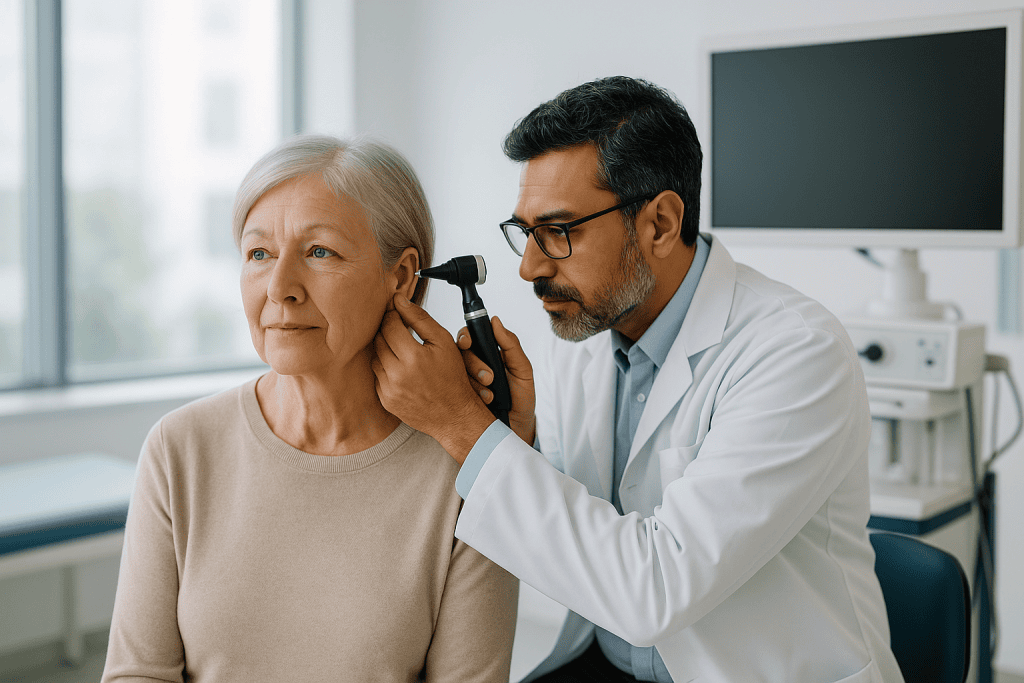
Nose, ear and throat, one airway, three problems
The commonest reason people reach us from abroad is a nose that has never worked properly. Aesthetic nose surgery belongs to our plastic surgery unit; what follows is about breathing, hearing and swallowing.
Nose and sinuses
Septum, valve and turbinates first, because operating on the wrong structure is why a septoplasty disappoints.
Ear and hearing
Eardrum and middle-ear surgery, otosclerosis, cholesteatoma, implantable hearing and balance disorders.
Throat, sleep and neck
Tonsils and adenoids, voice and swallowing, sleep apnoea, salivary glands and head-and-neck disease.
The endoscope decides, not the symptom
A blocked nose has at least five possible causes and they need different operations. Hearing loss has three types and only one of them is fixed surgically. Dizziness lasting seconds is a different disease from dizziness lasting hours.
So the assessment comes first: nasal endoscopy, audiometry and tympanometry, a sleep study where sleep is the question. What we will not do is operate on a symptom without knowing which structure is producing it.
What we will not do
- Operate on snoring before a sleep study has ruled out significant apnoea.
- Promise that septoplasty will fix your sense of smell, your sinuses or your sleep.
- Sell a cure for tinnitus.
- Reduce turbinates aggressively for a short-term result at the cost of a permanently dry, empty nose.
- Treat a one-sided blockage, a neck lump or long-standing hoarseness as a minor complaint.
Who would actually operate
ENT is a subspecialised field: the surgeon who rebuilds an eardrum is rarely the one who reconstructs an airway. Every profile is readable before you decide.
How ENT surgery works when you are travelling for it
Send your history and any scans
Symptoms, how long, what has been tried, plus any CT, audiogram or sleep study you already have.
Surgeon review
What can be judged from records, and what genuinely needs an endoscope or a hearing test in the room.
Examination and testing on arrival
Nasal endoscopy, audiometry and tympanometry, imaging or a sleep study where the plan depends on it.
Surgery and the night after
Most nasal and ear operations are day-case or one night; airway surgery in sleep apnoea is monitored overnight.
Follow-up before and after you fly
Splints and packing removed before departure, then review remotely, with flying advice specific to the operation.
Six things worth knowing first
Sudden hearing loss is an emergency
Hearing that disappears in one ear over hours or a day needs assessment within 72 hours. Treated early it may recover; treated late it often does not.
A blocked nose is not always the septum
Turbinates, valve collapse, allergy and polyps block noses too. Operating on the wrong structure is the usual reason a septoplasty disappoints.
Nothing is operated before a sleep study
Snoring surgery on someone who actually has severe apnoea removes the warning noise. CPAP stays first-line for moderate and severe disease.
The tonsil bleeding window
Days five to ten after tonsillectomy, when the scab separates, any fresh bleeding is an emergency-department visit, for adults and children alike.
One-sided symptoms are taken seriously
One blocked nostril with bleeding, one-sided hearing loss, a neck lump lasting over three weeks, or hoarseness beyond three weeks all need examination.
Tinnitus: honest limits
There is no cure to sell. What helps is treating any hearing loss underneath it, sound therapy and structured retraining, and ruling out pulsatile causes.
Quick answer
Otorhinolaryngology, or ENT, is the medical specialty that diagnoses and treats disorders of the ear, nose, throat, head, and neck in both children and adults. At Acibadem in Turkey, ENT care includes specialist evaluation, hearing and balance testing, endoscopic examination, imaging when needed, and treatment with medication, minimally invasive procedures, or surgery according to the condition.
An ENT department covers three regions that share one airway: the nose you breathe through, the ears you hear and balance with, and the throat you speak and swallow with, plus the sleep, the dizziness and the head-and-neck problems that sit between them. The most common reason people look abroad is the simplest one: a nose that has never worked properly, and a deviated septum that no spray has ever fixed.
This guide explains what each operation actually does and, just as often, when surgery is the wrong answer. Where the honest reply is “it depends on what the endoscope and the audiogram show”, we say exactly that.
What an ENT department covers (and what it does not)
Otorhinolaryngology, ENT, or ear, nose and throat surgery, holds together a set of problems that feel entirely unrelated to the people who have them. A nose that has never breathed properly, a ringing ear, a voice that went hoarse and stayed hoarse, a partner who stops breathing in their sleep, a room that spins when you turn over in bed, and a lump in the neck all arrive through different doors and are seen by the same department. What ties them together is anatomy: everything from the eyebrows to the collarbones, minus the eye, the brain and the teeth.
The work divides into seven lanes, and most patients only ever need one of them:
- Nose and sinusesa deviated septum, enlarged turbinates and nasal valve collapse, chronic sinusitis, nasal polyps, loss of smell, nosebleeds and allergic rhinitis.
- Ear and hearinghearing loss of every type, perforated eardrums, otosclerosis, cholesteatoma, glue ear, and implantable hearing devices for people a hearing aid no longer helps.
- Throat, voice and swallowingtonsils, hoarseness, vocal cord lesions, reflux that shows itself in the throat rather than the chest, and difficulty swallowing.
- Sleep and breathingsnoring and obstructive sleep apnoea, assessed by measurement rather than by how loud the snoring is.
- Balance and dizzinesspositional vertigo, vestibular neuritis and Menière’s disease, with the testing that separates an inner-ear cause from a neurological one.
- Head and neckthyroid nodules, salivary gland stones and tumours, neck lumps, and cancers of the mouth, throat and voice box.
- Children’s ENTadenoids, grommets, tonsils, hearing screening and sleep-disordered breathing, which behave differently enough in children to be treated as their own discipline.
Some things sit deliberately outside the department. A purely cosmetic change to the shape of the nose is plastic surgery, not ENT; where breathing and shape are the same problem, the two teams plan the operation together, as set out under septorhinoplasty. Teeth, bite and jaw joint problems are dental and maxillofacial territory. The eye, the brain and the facial skin have their own specialists, and an ENT surgeon should refer to them rather than around them. Being told plainly that your problem belongs to somebody else is a good sign, not a wasted appointment.
One distinction is worth making before you read further: a department is not the same thing as a practice. A surgeon working alone can examine you and can operate. A hospital department adds an audiology laboratory, a sleep laboratory, imaging and pathology in the same building, anaesthetists who anaesthetise children every day, and the intensive-care backup that matters only on the rare occasion something goes wrong. At Acıbadem International, ENT is a hospital department for exactly that reason.
Who needs an ENT specialist, and who should wait
Most ear, nose and throat symptoms get better without anyone operating on anything. The useful question is not whether a symptom is unpleasant, they all are, but whether it has outlived the time a self-limiting problem is supposed to take. Knowing those timeframes saves you an unnecessary flight and, more importantly, stops you sitting at home with something that needed looking at weeks ago.
Problems that usually settle on their own. A common cold blocks the nose and produces discharge that peaks around days three to five and improves by day ten. An ordinary sore throat is viral in the great majority of adults and eases within three to seven days. An ear that feels blocked after a cold or a flight normally clears over days to a couple of weeks as the Eustachian tube recovers. A voice hoarse after a night of shouting or a chest infection comes back within one to two weeks. A single ear infection in an otherwise well child, treated appropriately, is not a reason to see a surgeon.
When the clock has run out:
- A nose that has never been fully clear, or blockage lasting beyond twelve weeks despite proper treatment. Twelve weeks is the line between an infection and chronic disease, and it changes the whole approach.
- Blockage that is worse on one side and has been there for yearsthat pattern is structural, and no spray reshapes cartilage.
- Hoarseness lasting more than three weeks. Not negotiable, particularly for smokers and drinkers: the voice box needs to be looked at, not rested.
- Hearing that other people notice before you dothe television creeping up, restaurants becoming hard work, or one ear clearly worse than the other.
- Ear discharge lasting more than two weeks, or discharge that keeps returning, especially if it smells.
- Repeated, documented throat infectionsseveral genuine episodes a year over a period of years, each keeping you off work or school. See tonsillitis and tonsillectomy.
- Snoring with witnessed pauses in breathing, waking unrefreshed, or falling asleep during the day. Loud snoring alone is a nuisance; pauses and daytime sleepiness are a medical question. See snoring and sleep apnoea.
- Dizziness that recurs, or attacks lasting minutes to hours, particularly with hearing change or ringing in the same ear.
- In childrenmouth breathing every night, restless sleep or pauses, snoring most nights, delayed speech, hearing that comes and goes, or repeated ear infections.
- Any symptom that is clearly one-sided in an adult, which is the recurring theme of the next section.
What to do while you wait. Two things change what the examination will show. If a steroid nasal spray has been prescribed, technique decides whether it works: spray with the opposite hand, aimed outwards towards the corner of the eye rather than at the middle of the nose, without sniffing hard, and give it two to four weeks before judging it. And do not use over-the-counter decongestant sprays for more than a few consecutive days, beyond roughly five to seven days they cause rebound blockage worse than the original problem, and it is one of the commonest reasons people arrive convinced they need surgery. Saline rinsing is safe and helps most nasal complaints. Note too that many “sinus headaches” without blockage or discharge turn out to be migraine.
Symptoms that must not wait
Almost nothing in ENT is an emergency. A small number of things are, and they are consistently mistaken for something that can wait until after the holiday. One of them, sudden hearing loss, is routinely dismissed as wax by the person it is happening to.
Genuine ENT emergencies:
- A child struggling to breathe. Noisy breathing at rest, skin sucking in between or below the ribs, blue or grey colour, drooling with refusal to swallow, or sitting upright leaning forward to breathe.
- Bleeding after tonsil surgeryany fresh blood in the mouth or spitting of clots, even if it stops by itself. The classic window is around days five to ten, when the healing membrane separates, and a small bleed can be the warning before a large one.
- A nosebleed that has not stopped after twenty minutes of continuous pressure on the soft part of the nose while sitting up and leaning forward, or bleeding heavy enough that you are swallowing blood.
- Sudden vertigo with any neurological signdouble vision, slurred speech, weakness or numbness on one side, a severe unfamiliar headache, or being unable to walk unaided. That combination is treated as a possible stroke, not as an inner-ear problem.
- A rapidly swelling, painful neck, or difficulty opening the mouth and swallowing your own saliva alongside a severe sore throat and a muffled voice: the picture of a throat abscess, which needs drainage rather than another antibiotic prescription.
Sudden hearing loss in one ear. Hearing that drops over minutes, hours or on waking, usually with a blocked sensation and often with ringing, is treated as sudden sensorineural hearing loss until an audiogram proves otherwise. The window for steroid treatment is short and it closes. Ordinary earwax does not cause a sudden one-sided drop in hearing, and the difference takes a specialist five minutes to establish, see hearing loss. Two related presentations are handled the same way: a face that suddenly droops on one side (if the forehead still moves normally, or there is limb weakness or speech difficulty, that is treated as a stroke rather than as an ear problem), and ear discharge accompanied by vertigo, facial weakness or severe headache, which can signal a complication of cholesteatoma.
Findings that are investigated rather than watched:
- A lump in the neck present for more than three weeks, particularly if it is painless, firm and growing. Painless is the dangerous version, not the reassuring one.
- One nostril blocking progressively, with repeated bleeding or blood-stained discharge from that same side. The overwhelming majority of these are benign, but this is the pattern that requires endoscopy to exclude a tumour, and it cannot be excluded by looking up the nose with a torch.
- A sore throat that will not go awaybeyond three weeks, especially one-sided, or with ear pain on the same side and a normal-looking ear.
- Difficulty or pain on swallowing that is worsening, food sticking, or unintentional weight loss.
- An ulcer or a white or red patch in the mouth that has not healed in three weeks.
None of these symptoms means you have cancer, and most people who have them do not. They mean the question deserves an examination rather than an opinion.
How ENT problems are actually diagnosed
ENT is a specialty of direct vision and measurement, which is its advantage over guesswork. Almost everything that matters can be looked at with a camera or quantified with a test in the same appointment. The honest position is that a plan made without those two things is a guess with a prescription attached: if you have been offered surgery without an endoscopy, an audiogram or a sleep study, depending on the complaint, the assessment is not finished.
Nasal endoscopy. A thin telescope passed along the floor of the nose after a local anaesthetic spray, taking a few minutes and, for most people, uncomfortable rather than painful. It shows what an examination from outside cannot: where the septum actually deviates, how large the turbinates are, whether polyps are present, whether pus is draining from a sinus, and the state of the nasopharynx behind the nose. It is often done twice, before and after a decongestant spray, because the difference between the two views separates swelling that medicine can treat from structure that it cannot.
Hearing tests. A proper hearing test is not the beeps at a pharmacy counter. Pure-tone audiometry maps the quietest sound you can hear at each frequency in each ear, through headphones and through a bone conductor behind the ear; the gap between those two lines separates a conductive loss, where sound is blocked mechanically and is often surgically correctable, from a sensorineural loss in the inner ear or nerve. Your audiogram is a document, ask for a copy, because comparison with a later one is a diagnostic tool in its own right. Tympanometry measures how the eardrum moves and detects fluid behind it, the core test in children with glue ear. Speech audiometry measures what you understand rather than what you detect, and it is the figure that decides candidacy for implantable hearing devices. In babies, otoacoustic emissions and auditory brainstem response testing measure hearing without requiring cooperation.
Laryngoscopy. A flexible endoscope through the nose shows the voice box and the vocal cords moving in real time. Where the voice itself is the problem, videostroboscopy uses a flashing light synchronised to your pitch to slow the vibration of the cord surface, revealing small lesions and scarring that a still view misses. This is the test behind the three-week hoarseness rule.
Sleep studies. Snoring cannot be measured by report. A home respiratory study records airflow, effort, oxygen and heart rate in your own bed and is enough for most straightforward cases; full in-laboratory polysomnography adds sleep staging for complicated pictures. The result gives an apnoea-hypopnoea index, events per hour, and oxygen data, and that number, not the loudness of the snoring, drives everything that follows, including whether surgery has any role. Where surgery is being considered, drug-induced sleep endoscopy shows which level of the airway collapses, as described under sleep apnoea.
Imaging, used deliberately. A CT scan of the sinuses is a surgical roadmap, not a diagnosis, and it is normally ordered after medical treatment has had a fair trial rather than before, incidental mucosal thickening appears on a large proportion of scans in people with no sinus symptoms at all. CT of the temporal bone is used for cholesteatoma and before ear surgery. MRI is the scan for asymmetric sensorineural hearing loss or one-sided ringing, to exclude a tumour on the hearing nerve. Ultrasound is first-line for a thyroid nodule or a neck lump, with a fine-needle biopsy taken through the same probe where the appearance warrants it.
The rest of the toolkit. Standardised smell testing measures what patients can otherwise only describe; allergy testing identifies the triggers behind year-round nasal symptoms; balance testing, videonystagmography, caloric and video head impulse testing, distinguishes an inner-ear cause of dizziness from a central one. Basic audiometry and thyroid ultrasound also sit inside our check-up programmes, which is how a good number of hearing losses and thyroid nodules are first found in people who came for something else.
Deviated septum: what it is and how it is diagnosed
The nasal septum is the wall dividing the nose into two passages: cartilage at the front, bone behind, covered on both sides by mucosa. A deviated nasal septum means that wall is not straight, bent to one side, S-shaped, or carrying a bony ridge or spur pressing into the side wall. It happens in two ways: it grows that way, because cartilage and bone develop at different rates, or it is pushed that way by an injury, including injuries in childhood that nobody remembers.
The first thing to understand is that a deviated septum is normal. Most adults have some deviation if you look, and the overwhelming majority breathe perfectly well. Deviation is not a diagnosis; symptomatic deviation is. That distinction is the most abused fact in nasal surgery, because a scan can be shown to almost anyone as proof they need an operation.
What makes a deviation symptomatic is usually the nasal cycle. Your nose does not breathe equally through both sides at once: the lining of one side swells while the other opens, alternating over a period of hours, and you normally never notice because the open side carries the load. When the septum blocks one passage structurally, you feel every swing of that cycle: the narrow side is permanently poor and the good side closes down several times a day. This is why people describe blockage that “moves around” and are then told their problem cannot be structural. Usually it is.
The symptoms worth recognising:
- Blockage consistently worse on one side, and worse again lying on that side at night.
- Mouth breathing and a dry throat on waking, often with disturbed sleep and snoring, although snoring has several levels and the nose is only one of them.
- Recurrent or one-sided sinus infections and facial pressure, where the deviation narrows the drainage pathway. See chronic sinusitis.
- Nosebleeds, typically from dried, exposed mucosa stretched over a spur.
- A crooked nose from the outside. When the deviation involves the front, weakest part of the septum, the external nose is often visibly bent too, and that changes the operation, because straightening the inside without addressing the framework will not straighten the outside. That is the territory of septorhinoplasty.
- Reduced sense of smell, when blockage stops air reaching the smell receptors high in the nose. This needs stating carefully: relieving the blockage helps some people’s smell and not others, and smell loss caused by nerve damage or polyp disease does not respond to straightening a septum.
Diagnosis is a clinical examination, not a scan. It requires endoscopy: the deviation that matters is often at the back or high up, invisible from the nostril, repeated after decongestant, so the surgeon can separate fixed structural narrowing from swollen turbinates that shrink with medication. Two other things belong in the same appointment: the nasal valve, the narrowest part of the airway just inside the nostril, tested by gently supporting the cheek beside the nose and asking whether breathing improves; and the state of the lining, since allergy or polyps can be the real cause of blockage in a nose that also happens to have a deviated septum. A CT scan is not needed to diagnose a deviated septum; it is used when sinus disease is part of the picture.
Getting this sequence right is what determines whether an operation helps at all. A deviated septum causing no symptoms needs nothing. A nose blocked by allergy, polyps or rebound from decongestant spray will still be blocked after technically perfect surgery. What surgery is genuinely for, and where its limits lie, is set out under deviated septum surgery.
Deviated septum surgery (septoplasty)
Septoplasty is the operation that straightens the partition between the two sides of the nose. It is the single most common procedure an ENT department performs for blocked breathing, and it is also the one most often done for the wrong reason, so the decision matters more than the technique.
The threshold for operating is symptoms, not a scan. A deviation visible on a CT scan in someone who breathes comfortably is an anatomical observation, not a diagnosis. Before surgery is offered, the assessment should establish three things: that your obstruction is genuinely one-sided or clearly worse on the deviated side, that it persists when the lining is not swollen, and that the mucosal component has been treated first. Several weeks of an intranasal steroid spray, used correctly, separate the part of the blockage caused by swelling from the part caused by bent cartilage and bone. Only the second part responds to a knife. If nothing has been tried medically and no nasal endoscopy has been performed, you are being offered surgery without a diagnosis.
What actually happens. Deviated septum surgery is done from inside the nose, under general anaesthesia in most centres, and usually takes between half an hour and an hour. The lining is lifted off the septum as a flap on each side, the deviated cartilage and bone are removed, scored or repositioned, and, importantly, straightened cartilage is put back rather than discarded wherever possible, because the septum is the structural post that holds the nose up. The mucosal flaps are then laid back together. There is no external incision and no change to the shape of the nose from a septoplasty alone; if the outside of your nose is crooked too, that is a septorhinoplasty and it is a different conversation, planned in advance.
Packing, splints and the first week. The old practice of stuffing both sides of the nose with gauze has largely been replaced by thin silicone splints with a breathing channel through them, stitched in place and removed at around a week, or by dissolvable material. Even so, expect the nose to feel more blocked, not less, for the first few days: swelling, blood clot and crusting take time to settle, and the airway you had surgery for is not the airway you will judge in that period. Most people are back to desk work within about a week; full, settled nasal breathing typically declares itself over four to six weeks. The recovery detail for each procedure is set out under recovery.
It is often not done alone. A straight septum in a nose whose turbinates are enlarged is still a blocked nose, which is why septoplasty and turbinate reduction are frequently performed in the same sitting. That is a deliberate decision made after examination, not an upsell, and the turbinates are reduced, never removed wholesale, for reasons explained under turbinates, nasal valve and the other reasons a nose blocks.
When septoplasty does not help. This is the honest part, and it is where disappointment comes from:
- Allergic or non-allergic rhinitis. If the lining swells because of allergy or irritants, straightening the partition behind it changes little. Allergy management continues after surgery, not instead of it.
- Polyps and chronic sinus disease. These block the nose independently of the septum, see nasal polyps and chronic sinusitis.
- Nasal valve collapse. A nose that pinches shut on inspiration needs structural support, which a septoplasty does not provide.
- Snoring and sleep apnoea. Better nasal breathing can make sleep more comfortable and CPAP far easier to tolerate, but obstructive sleep apnoea is generated at several levels of the airway and is not treated by nose surgery. See snoring and sleep apnoea.
- Smell. If odour molecules simply could not reach the olfactory cleft, opening the airway may improve smell. If the loss is inflammatory or nerve-related, it may not change at all, and no operation should be sold on that promise.
Why some septoplasties fail. The commonest reason is an incompletely corrected deviation at the front of the septum: the caudal segment near the tip, which carries the nose’s support and is the technically hardest part to straighten. Others are cartilage that gradually returns towards its original shape, scar tissue and adhesions between the septum and the side wall, an unrecognised valve problem, or untreated rhinitis. Revision is possible and is sometimes done as a septorhinoplasty using grafts, but it is a harder operation than the first one.
Specific risks, septal perforation, bleeding, altered smell, numbness of the upper front teeth, and, uncommonly, loss of dorsal support producing a saddle deformity, are set out plainly under risks and complications. Is it worth it? Where the obstruction is structural and has been confirmed as such, straightening the septum improves nasal airflow and is one of the more predictable operations in ENT. Where the obstruction is not structural, no amount of surgical skill makes it the right operation.
Turbinates, nasal valve and the other reasons a nose blocks
Four different structures can block a nose, and each needs a different operation. Mistaking one for another is the usual reason a patient has had surgery and still cannot breathe.
Turbinates. These are scrolls of bone covered in vascular lining that run along the side wall of each nasal cavity, and they are not spare tissue: they warm, humidify and filter every breath. They also swell and shrink in a natural alternating rhythm, the nasal cycle, which is why a normal nose often feels blocked on one side, then the other, and why lying on your side changes it. Turbinates become persistently enlarged in allergy, chronic rhinitis, and in rhinitis medicamentosa, the rebound congestion caused by using over-the-counter decongestant sprays for more than a few days. That last one is common, entirely reversible, and treated by stopping the spray under supervision, not by an operation.
When enlargement is genuinely structural and does not settle with topical treatment, the turbinate is reduced, not removed. Radiofrequency or microdebrider techniques shrink the tissue beneath an intact lining; the bone can be out-fractured to widen the airway. Total turbinectomy is avoided deliberately, because of the next paragraph.
Empty nose syndrome. Removing too much turbinate tissue can leave a nose that is anatomically wide open and yet feels permanently blocked, dry and crusted, with a loss of the sense of airflow and, in some people, significant distress and disturbed sleep. It is uncommon, it is poorly understood, and it is difficult to treat once established, which is precisely why tissue-preserving reduction is the standard and why any surgeon proposing radical turbinate removal should be asked to justify it. Naming this openly is part of informed consent, not scaremongering.
The nasal valve. The narrowest part of the whole airway is not the septum but the internal nasal valve, the slot-shaped angle between the septum and the upper lateral cartilage. It, and the external valve at the nostril rim, can be too narrow at rest or can collapse inward on breathing in, typically in people with thin or weak cartilage, in older noses, and very commonly in noses that have had previous surgery. The clue is simple: your breathing improves when you pull the cheek gently outward beside the nose (the Cottle manoeuvre) or when you wear an adhesive nasal strip. If that is your pattern, a septoplasty alone will not fix you; the valve needs structural support with cartilage grafting, which moves the operation into septorhinoplasty territory.
The lining itself. Polyps, chronic sinus inflammation, and in children enlarged adenoids sitting behind the nose all obstruct independently of the septum and turbinates. Adenoidal obstruction in a child is addressed under children’s ENT, and inflammatory disease under nasal polyps.
One further rule, and it overrides everything above: persistent blockage on one side only, particularly with repeated nosebleeds, facial numbness or a mass visible in the nose, is investigated before it is operated onsee symptoms that must not wait.
When breathing and shape are the same operation
The septum is not only a divider; it is the central support of the nose. A septum that is badly bent, particularly at the front, usually pulls the external nose with it, which is why so many people with a crooked nose also breathe through one side. The corollary is uncomfortable but true: a markedly deviated nose often cannot be straightened from the inside alone, and a purely cosmetic reshaping performed without regard to the airway can leave you breathing worse than before. When both need addressing, the operation is a septorhinoplasty, and it is planned as one procedure with two objectives.
What the functional side involves. After the septum is straightened, support is rebuilt where it has been lost. Spreader graftsstrips of your own cartilage placed between the septum and the upper lateral cartilages, widen and stabilise the internal valve; batten and rim grafts stiffen a collapsing nostril; a caudal septal replacement or extracorporeal reconstruction is used when the front of the septum is too deformed to straighten in place. Cartilage usually comes from your own septum; when there is not enough, as in revision cases, ear or rib cartilage is used, each with its own donor-site considerations.
Saddle nose deformitya collapsed bridge caused by trauma, over-resection at a previous operation, cocaine use or certain inflammatory diseases, is a reconstructive problem rather than a cosmetic one. It needs the missing structural support rebuilt, and the underlying cause identified first, because operating on active inflammatory disease invites failure.
Septal perforation is a hole through the partition, most often after previous septal surgery, trauma, prolonged spray or drug use. Small perforations at the front cause whistling, crusting, bleeding and a paradoxical blocked feeling because airflow becomes turbulent; larger ones can undermine dorsal support. Repair is technically demanding and success depends on size, position and blood supply; a silicone button is an alternative that manages symptoms without closing the defect. Anyone offering a straightforward repair of a large perforation is overstating what is reliably achievable.
Where aesthetics belong. Changing the shape of the nose, dorsal profile, tip definition, width, the long swelling timeline that follows, and the reality that a proportion of rhinoplasties anywhere in the world need a second procedure, is covered in detail by our plastic surgery department, and the two teams assess complex cases together. What ENT owns is the airway: how each side breathes at rest and on exertion, whether the valve collapses, what the endoscopy shows behind the visible part of the nose. Where the priority is appearance, where it is breathing, and where it is both, the surgical plan, the consent and the timeline all differ.
Two honest limits. First, results vary between individuals, skin thickness, cartilage quality and healing behaviour are not fully controllable, and no surgeon can promise a specific external result. Second, revision surgery on a nose operated on elsewhere is a separate undertaking: scarred tissue, depleted cartilage and sometimes a compromised airway mean the assessment is longer and the operation harder. That situation is common enough among international patients that it is addressed directly under coming to Turkey when the problem is breathing.
Chronic sinusitis: from medicine to FESS and balloon sinuplasty
The sinuses are air-filled spaces that drain into the nose through narrow openings. Almost everything that goes wrong with them comes down to those openings being blocked and the lining being inflamed, which is why the surgery, when it is needed, is about restoring drainage rather than “cleaning out” the sinuses.
Acute versus chronic is the first fork. Most acute sinus infections are viral and settle without antibiotics. The features that suggest a bacterial infection are symptoms lasting beyond about ten days without improvement, unusually severe symptoms with fever and purulent discharge, or a clear “double worsening” after initial recovery. Chronic rhinosinusitis is defined by symptoms persisting beyond twelve weeks, nasal blockage, discharge, facial pressure and reduced smell, with objective findings on endoscopy or imaging. That twelve-week line matters: it separates a condition treated with a course of medication from one that needs a management plan.
Medical treatment comes first, and it needs a fair trial. High-volume saline irrigation, a topical intranasal steroid used correctly for weeks rather than days, treatment of coexisting allergy, and, in selected cases, culture-directed antibiotics or a short oral steroid course. The point of a proper medical trial is not delay; it is that surgery performed on a nose whose inflammation has never been controlled tends to disappoint, and that the response to treatment tells the surgeon what is mucosal and what is anatomical. CT imaging is generally most useful after that trial, both because scans of untreated nasal lining over-read the disease and because the scan is also the surgical map.
Endoscopic sinus surgery (FESS) is performed entirely through the nostrils with an endoscope. Diseased tissue and obstructing bone at the natural drainage pathways are removed so that the sinuses ventilate and, just as importantly, so that topical medication can finally reach the lining. The scope of the operation is tailored: a limited procedure on one sinus is a different undertaking from complete surgery on all of them. Image-guided navigation is used where the anatomy is distorted or the case is a revision. Afterwards, irrigation and endoscopic cleaning appointments are part of the treatment, not an optional extra, and medical therapy continues, because surgery opens the sinuses but does not switch off the inflammation that closed them.
Balloon sinuplasty dilates a blocked sinus opening with a small balloon rather than removing tissue. In carefully selected patients, particularly limited maxillary or frontal disease without polyps, it is a legitimate, less invasive option, and it can sometimes be performed under local anaesthesia. It is not an equivalent of FESS in extensive polyp disease, in fungal disease, or where tissue must be removed to be examined; presenting it as a universal, gentler alternative to sinus surgery is marketing rather than medicine. Which of the two suits you depends on the CT findings and the endoscopy, and a surgeon should be able to explain that choice in your specific case.
Fungal disease is a separate category: a fungal ball in a single sinus, treated surgically; allergic fungal rhinosinusitis, which is an inflammatory condition needing surgery plus long-term medical control; and invasive fungal sinusitis, which is a rare emergency in people with poorly controlled diabetes or suppressed immunity.
When not to operate. Facial pain without endoscopic or CT findings is frequently migraine or another primary headache disorder mislabelled as “sinus headache”, and sinus surgery does not help it. Recurrent one-sided maxillary infection with a foul taste is often dental in origin and is resolved by treating the tooth. Both are reasons the assessment matters more than the scan report.
Specific surgical risks, bleeding, injury to the eye socket and its contents, and cerebrospinal fluid leak from the skull base, are uncommon but real, and are set out under risks and complications.
Nasal polyps, and the loss of smell that comes with them
Nasal polyps are soft, pale, painless swellings of the nasal lining that grow from within the sinuses and hang into the nasal cavity. The single most useful thing to understand is that a polyp is a finding, not a disease. It is the visible end-product of long-standing inflammation of the airway lining, most often the pattern known as type 2 inflammation, and treating the polyp without treating the inflammation is how people end up having the same operation repeatedly.
That inflammation frequently involves more than the nose. Polyps travel with asthma often enough that new or worsening asthma should be asked about at every visit, and a specific pattern, polyps, asthma and respiratory reactions to aspirin and similar anti-inflammatory drugs, is recognised as its own condition and changes both medical treatment and the likelihood of recurrence. Cystic fibrosis and primary ciliary dyskinesia are considered when polyps appear in childhood.
One caution before treatment. Polyps are typically present on both sides. A polyp or mass on one side only, especially with bleeding, facial numbness, tooth or eye symptoms, is not assumed to be an ordinary polyp; it is imaged and, where indicated, biopsied, because a small number of one-sided lesions are tumours. This is listed among the symptoms that must not wait for a reason.
How they are treated. Topical steroid, delivered as a spray and often more effectively as a steroid added to large-volume saline rinses, is the foundation and is continued long term. Short courses of oral steroid can shrink polyps quickly but are limited by their side effects and are not a long-term strategy. Surgery, endoscopic removal of the polyps together with opening the affected sinuses, as described under chronic sinusitisreduces the disease burden, restores an airway and, critically, allows topical treatment to reach surfaces it previously could not. For people with severe, recurrent disease that persists despite surgery and full medical treatment, biologic therapies that target the underlying type 2 inflammatory pathway are now an established option; eligibility is assessed case by case, usually jointly with respiratory specialists, and they are a long-term treatment rather than a course.
Recurrence is expected, not exceptional. Polyps regrow in a substantial share of people, and the interval varies from a couple of years to a decade. This is the natural behaviour of the underlying inflammation, not evidence that the surgery was done badly, and it is the reason that stopping the topical treatment once the nose feels clear is the most common avoidable cause of relapse.
Smell is the symptom people mind most. Loss of smell in polyp disease has two mechanisms: obstruction, where odour molecules cannot physically reach the olfactory area high in the nose, and inflammatory damage to the smell epithelium itself. Surgery and steroid treatment address the first reliably and the second unpredictably, which is why smell often improves markedly after polyp surgery, sometimes within days, and why it can also return only partially or fade again if the polyps recur. No honest surgeon guarantees the return of smell.
Smell loss from other causes is assessed in the same clinic: post-viral loss, including the distorted smell known as parosmia, where familiar things smell wrong or repellent; head injury; and progressive loss with no nasal findings, which occasionally points elsewhere and needs neurological assessment. Structured smell trainingdeliberate, twice-daily sniffing of a small set of strong scents over months, has reasonable evidence behind it for post-viral loss, costs nothing, and is worth starting early; it is slow, and it does not work for everyone. Whatever the cause, treat the practical consequences seriously: fit smoke alarms, check gas appliances, and date-label food, because the inability to smell danger is the part of anosmia that actually causes harm.
Hearing loss: the three types, and the one that is an emergency
Sound has to travel through three stages before you understand it: the ear canal and eardrum collect it, the three small bones of the middle ear pass it inward, and the cochlea and hearing nerve convert it into a signal the brain can read. Hearing loss is classified by where that chain breaks, and the classification is not academic: it decides whether the problem is fixable by an operation, manageable with a device, or an emergency.
Conductive hearing loss means sound is not reaching the inner ear properly. The inner ear itself is working. Causes include wax, fluid behind the eardrum, a perforated eardrum, damage or fixation of the middle-ear bones, and otosclerosis. Sounds seem muffled rather than distorted, your own voice may sound unusually loud inside your head, and many people find they hear conversation reasonably well in a noisy room. This is the group most likely to improve with treatment or surgery.
Sensorineural hearing loss means the cochlea or the hearing nerve is damaged. It is the most common type overall, and its usual causes, ageing, noise exposure, genetics, some medications, previous infections, produce permanent change. Volume is only part of the problem: speech becomes hard to separate from background noise, consonants blur, and turning the television up stops helping. Sensorineural loss is generally not reversible by surgery. What is available is rehabilitation, hearing aids, and for severe or profound loss, implantable hearing, covered under ear surgery.
Mixed hearing loss is both together, for example long-standing noise damage in someone who also has a chronically perforated eardrum. Treating the conductive part still helps, even though the sensorineural part remains.
Working out which one you have takes an audiogram, not a conversation. Sound is delivered two ways, through the ear canal, and through a small vibrator on the bone behind the ear that bypasses the middle ear entirely. When bone conduction is normal and air conduction is worse, the gap between the two lines is the conductive component, and its size predicts what surgery could realistically recover. Tympanometry measures how the eardrum moves and detects fluid or a stiff ossicular chain. Speech testing shows how much of what you hear you can actually understand, which is often the number that matters most in daily life.
Sudden sensorineural hearing loss is a medical emergency. It presents as hearing that drops in one ear over hours or a day or two, usually with a feeling of blockage, often with tinnitus, sometimes with dizziness. It is repeatedly mistaken for wax or a blocked ear from a cold, and the delay is the problem: corticosteroid treatment, given by mouth and sometimes injected through the eardrum directly into the middle ear, is most useful early, and the window for benefit narrows with every day that passes. Recovery is variable and cannot be promised in any individual case. Full red-flag list is under symptoms that must not wait.
Hearing loss confined to one ear also needs an explanation rather than only a hearing aid. Persistent one-sided sensorineural loss, particularly with one-sided tinnitus, is investigated with MRI to rule out a vestibular schwannoma: an uncommon benign tumour of the balance nerve. Most scans are normal. The point of doing them is that the small number that are not change management entirely.
Ear surgery: eardrum, otosclerosis, cholesteatoma, and implantable hearing
Ear surgery is microsurgery. The structures involved are measured in millimetres, the facial nerve runs through the operative field, and the same inner ear you are trying to help sits directly behind the bones being worked on. That is why these operations are done in a hospital theatre with an operating microscope, endoscopes, facial nerve monitoring and an audiology service that can measure the result objectively afterwards.
Repairing the eardrum. A perforated eardrum causes hearing loss roughly in proportion to the size and position of the hole, and it makes the middle ear vulnerable, water entry and repeated discharge are common. Many small perforations from an infection or an injury close on their own within weeks, and the correct treatment during that period is to keep the ear dry and let it heal. When a perforation persists, myringoplasty grafts the eardrum alone, and tympanoplasty repairs the eardrum together with whatever else in the middle ear needs attention. Graft material is taken from your own tissue, temporalis fascia or tragal cartilage. The operation can be done through the ear canal, endoscopically, or through a small incision behind the ear depending on the anatomy and the position of the hole. The realistic aims are a dry, safe, closed ear first and a hearing improvement second; grafts can fail and re-perforate, and a repair that closes the drum does not always restore hearing if the problem also involves the ossicles.
Rebuilding the middle-ear bones. Where infection, cholesteatoma or trauma has eroded the ossicular chain, ossiculoplasty reconstructs it with your own remodelled bone or a prosthesis. Results depend heavily on what is left to build on and on how healthy the middle ear lining is, so this is one of the operations where a surgeon should give you a range rather than a promise, and where a second stage is sometimes planned from the outset.
Otosclerosis. Here the stapes, the smallest bone in the body, becomes progressively fixed by abnormal bone growth, so it can no longer transmit vibration. It often starts in early adulthood, frequently affects both ears at different rates, and is more common in women, with symptoms sometimes appearing or worsening around pregnancy. Stapedotomy (a refinement of the older stapedectomy) removes the fixed part of the stapes and places a tiny piston prosthesis onto the incus, restoring the mechanical link. It is a highly effective operation for the right patient and is usually done under local or general anaesthesia as a short procedure. It also carries a specific risk that has to be stated plainly: because the surgery opens directly into the inner ear, a small proportion of patients end up with worse hearing in the operated ear, and in rare cases with a total, permanent loss of hearing in that ear. Dizziness for a few days, altered taste from the chorda tympani nerve, and tinnitus are other recognised outcomes. A well-fitted hearing aid is a legitimate alternative and should be offered as one, not presented as a failure to choose surgery.
Cholesteatoma. This is skin growing where skin does not belong: a sac of keratin in the middle ear or mastoid that slowly enlarges and erodes bone. It typically presents as a persistently smelly discharge from one ear with hearing loss, and it does not respond to drops or antibiotics in any lasting way; those may settle an infected episode but cannot remove the sac, which keeps expanding. Untreated, it can destroy the ossicles, breach the balance organ, injure the facial nerve or extend towards the lining of the brain. Treatment is surgical: tympanomastoid surgery, with the extent of mastoidectomy decided by how far the disease has spread, sometimes performed in two stages so that hearing reconstruction is done once the ear is confirmed clear. Cholesteatoma can recur, so long-term follow-up with examination and, where indicated, diffusion-weighted MRI is part of the treatment, not an optional extra.
Implantable hearing. When hearing aids no longer deliver useful speech understanding, the question becomes whether a device that bypasses the damaged part of the ear would. A cochlear implant stimulates the hearing nerve directly and is considered for severe-to-profound sensorineural loss in adults and children who gain limited benefit from optimally fitted aids. Candidacy is decided by an audiology and surgical team on the basis of aided speech scores, imaging of the cochlea and nerve, duration of deafness and realistic expectations, not by the audiogram alone. What an implant delivers is not natural hearing restored; it is a different signal that the brain learns to interpret over months, which is why structured rehabilitation and follow-up programming are as important as the operation. Implantation can reduce or eliminate whatever residual natural hearing remains in that ear, and this trade-off is discussed before surgery. Bone-conduction implants serve a different group, conductive or mixed loss that cannot be corrected surgically, chronically discharging ears that cannot tolerate a conventional aid, and single-sided deafness, by transmitting sound through the skull to the working inner ear. Children are assessed and treated on a paediatric pathway, because the timing of implantation relative to speech development changes what can be achieved.
Tinnitus: what can be treated and what cannot
Tinnitus is the perception of sound, ringing, hissing, buzzing, whistling, with no external source. It is a symptom, not a disease, and it is extremely common. The most important thing to say about it is the thing least often said on medical websites: there is no proven cure that reliably removes tinnitus. Anyone offering one, whether as a supplement, a device or a procedure, is not being straight with you. What does exist, and what is genuinely worth pursuing, is a set of approaches that reduce how loud and how intrusive it feels, and that in many people move it from dominating the day to being something they notice only when they think about it.
Assessment comes first, because tinnitus follows the ear that produced it. The great majority of cases sit alongside some degree of hearing loss, often high-frequency loss the person had not noticed, so an audiogram is the starting point. Contributing factors are looked for and addressed where present: wax, middle-ear fluid, noise exposure, jaw joint problems, neck problems, certain medications, caffeine and sleep debt, and, importantly, anxiety and low mood, which do not cause tinnitus but strongly influence how distressing it becomes.
What actually helps, in the order it is usually tried:
- Treating the underlying hearing loss. For many people a properly fitted hearing aid is the single most effective intervention, because restoring input to the auditory system reduces the internally generated signal and stops the strain of listening hard all day.
- Sound therapy. Background sound, maskers or the sound generators built into some hearing aids reduce the contrast between the tinnitus and silence, which is why it is always worst in a quiet bedroom.
- Cognitive behavioural therapy has the strongest evidence base of any approach for reducing tinnitus-related distress. It does not change the sound; it changes the alarm response attached to it, and that is what most people actually want back.
- Tinnitus retraining therapy combines counselling with sound enrichment over an extended programme, aiming for habituation: the state in which the brain stops flagging the sound as significant.
- Sleep and stress management, treated seriously rather than as an afterthought, because poor sleep and tinnitus reinforce each other.
Two situations are handled differently. Pulsatile tinnitusa whooshing or thumping in time with your heartbeat, is not ordinary tinnitus. It usually has a vascular or structural cause, and it needs examination and imaging rather than sound therapy. And tinnitus that appears suddenly in one ear together with hearing loss is treated as sudden sensorineural hearing loss until proved otherwise. New one-sided tinnitus without an obvious explanation is also investigated rather than accepted.
Tinnitus often does settle. In many people it fades over months as the brain habituates, particularly when the trigger was a single noise exposure or an infection that has resolved. In others it persists but stops mattering. Neither outcome can be predicted for an individual, and no honest clinician will tell you which one you will get.
Tonsillitis, tonsil stones and tonsillectomy
The tonsils are lymphoid tissue at the back of the throat, part of the immune system’s first line of contact with what you breathe and swallow. In children they are relatively large by design and shrink with age. Removing them does not leave you immunologically defenceless, the rest of the system compensates, but it is still an operation with real recovery and real risk, so the threshold for doing it should be a considered one.
Tonsillitis is inflammation of the tonsils, most often viral and self-limiting, sometimes bacterial. The practical distinction is not something you can make at home from a photograph, and most sore throats do not need antibiotics. What matters clinically is the pattern over time: how many well-documented episodes, how severe, how much school or work is lost, and whether the episodes are genuinely tonsillitis rather than recurrent viral pharyngitis.
Surgery is considered when that pattern crosses a recognised threshold. The most widely used criteria count frequency across time, broadly, around seven adequately documented episodes in one year, five a year for two consecutive years, or three a year for three consecutive years, each with objective features such as fever, exudate, lymph node enlargement or a positive streptococcal test. These are guidelines, not laws; a person with fewer but more severe episodes, or a history of peritonsillar abscess, may still be a reasonable candidate. Other indications are quite separate from infection: obstructive tonsils causing sleep-disordered breathing, particularly in children, which is dealt with under snoring and sleep apnoea and children’s ENT, marked asymmetry between the two tonsils requiring exclusion of something more serious, and, less commonly, intractable tonsil stones.
Tonsil stones deserve their own paragraph because they generate an enormous amount of misinformation. They are compacted debris, food particles, cells, bacteria, that collect in the crypts, the natural clefts on the tonsil surface. Some people simply have deeper, more numerous crypts, sometimes described as cryptic tonsils, and stones form regardless of how well they clean their teeth. They are harmless, but they cause a persistent bad taste, bad breath and a sensation of something stuck. Sensible management is mechanical and gentle: thorough oral hygiene including the tongue, gargling after meals, and low-pressure irrigation with water. What you should not do is dig at your tonsils with a cotton bud, a fingernail or a sharpened object, bleeding, infection and a torn tonsil are the usual results, and it does not stop them recurring. When stones are genuinely relentless despite this, options range from crypt-directed treatment to tonsillectomy, and the decision balances the nuisance against the recovery of the operation.
Recovery in adults is harder than most people expect, and it is longer than in children. Throat pain is significant for roughly ten to fourteen days, frequently peaks around days four to seven rather than immediately, and refers to the ears: that ear pain is normal and not an ear infection. Eating and drinking through it is part of the treatment, not defiance of it: keeping the throat working and staying properly hydrated is associated with a smoother recovery than living on soft food and sips. A white or grey coating over the tonsil beds is normal healing, not infection.
The risk that has to be named explicitly is bleeding. Early bleeding within the first day is uncommon. Secondary bleeding typically occurs between about day five and day ten, when the healing membrane separates, and it can begin as a small amount of fresh blood and become heavy quickly. Any fresh bleeding after tonsillectomy is an emergency. Because of this window, travel plans and flight dates after tonsillectomy are set by your surgeon, and staying within reach of a hospital through that period is part of the plan rather than a precaution.
Voice, reflux and swallowing
The larynx does three jobs at once: it makes voice, it opens for breathing, and it closes to protect the airway when you swallow. Problems with any one of them tend to present with the same handful of complaints, a hoarse voice, a lump in the throat, throat clearing, food sticking, and the complaints overlap so much that guessing is unreliable. Diagnosis here rests on looking, with a flexible endoscope passed through the nose in the clinic, and where the voice is the issue, with videostroboscopy, which uses timed light to slow the vibration of the vocal folds so the mucosal wave can be assessed.
The three-week rule is the single most important thing on this page for anyone with a hoarse voice. Hoarseness that persists beyond about three weeks, in an adult, needs the larynx examined, not another course of antibiotics, not more voice rest, not a wait-and-see. That applies with more urgency if you smoke or have smoked, drink significant alcohol, have lost weight, have neck or ear pain on one side, or have difficulty swallowing. The great majority of these examinations find something benign. The reason the rule exists is the minority that do not, where a laryngeal cancer found early is a fundamentally different problem from the same cancer found six months later.
The common benign findings each have their own logic:
- Vocal fold nodulessymmetrical, from mechanical trauma of heavy or forceful voice use, most often in teachers, singers, call-centre workers and children. First-line treatment is voice therapy with a speech and language therapist, not surgery. Nodules frequently resolve when the behaviour that made them changes, and operating on them without addressing the technique tends to produce recurrence with added scar.
- Polyps and cystsusually one-sided, often after a single episode of vocal strain or in smokers. These are more likely to need microsurgical removal, but voice therapy still surrounds the operation on both sides.
- Reinke’s oedemaswollen, fluid-filled folds producing a deep, gravelly voice, strongly associated with smoking. Stopping smoking is part of the treatment, not advice attached to it.
- Vocal fold paralysisa breathy, weak voice with a tendency to choke on liquids, from injury to the nerve supplying the larynx, sometimes after thyroid, chest or spinal surgery. It is investigated with imaging along the whole nerve course, and treated with therapy, injection augmentation or laryngeal framework surgery depending on the cause and how much recovery is still possible.
Laryngopharyngeal refluxoften called silent reflux, behaves differently from classic heartburn. Stomach contents reaching the throat irritate tissue far less protected than the oesophagus, so the symptoms are throat symptoms: chronic throat clearing, a sensation of mucus, morning hoarseness, a raw or burning throat, cough after meals or at night. Many people with it have no heartburn at all, which is why it is repeatedly missed. Management starts with behaviour, meal timing well before lying down, raising the head of the bed, weight and alcohol, and identifying personal triggers, and adds acid-suppressing medication where it is indicated, prescribed and reviewed rather than taken indefinitely by default. Persistent or atypical cases are assessed alongside endoscopic and functional testing, and some are better served by gastroenterological investigation than by longer courses of tablets.
Globusthe sensation of a lump in the throat when nothing is stuck, is one of the most common reasons people attend an ENT clinic and one of the most anxiety-provoking. It is characteristically felt in the midline, is often better when eating and worse when swallowing saliva, and it does not usually mean a tumour. What it does mean is that the throat should be looked at, because reassurance without examination is worthless. Warning features that shift the picture entirely are difficulty actually swallowing food, pain on swallowing, one-sided symptoms, weight loss, or a neck lump: these move the assessment into the head and neck pathway.
Swallowing problems are investigated according to whether the difficulty is starting the swallow or the sensation of food sticking lower down. A videofluoroscopic swallow study shows the mechanics in real time; endoscopic evaluation shows whether material is entering the airway. Causes range from cricopharyngeal dysfunction to Zenker’s diverticuluma pouch above the upper oesophageal sphincter that traps food, causes regurgitation of undigested food hours later, bad breath and, at its worst, aspiration into the lungs. Zenker’s is treated surgically, most often endoscopically, and it is a good example of a condition that people tolerate for years before mentioning it, when the fix is straightforward. Any swallowing difficulty accompanied by weight loss, coughing during meals or recurrent chest infections should be assessed promptly rather than adapted around.
Snoring and sleep apnoea: when surgery is the answer
Snoring is a noise. Obstructive sleep apnoea is a disease. They overlap, they are frequently confused, and the difference decides everything that follows, because an operation that quietens a noise is a very different proposition from an operation meant to treat a condition linked to high blood pressure, heart rhythm problems, stroke risk and daytime sleepiness at the wheel.
Nothing should be operated on before a sleep study. This is the single most important sentence in this section. A sleep study, at home for straightforward cases, in a laboratory where the picture is complicated by heart or lung disease, measures how often your breathing stops or becomes shallow per hour of sleep, how far your oxygen falls, and in which position and sleep stage it happens. That number, the apnoea-hypopnoea index (AHI), separates simple snoring from mild, moderate or severe apnoea. Operating on a snorer who in fact has severe apnoea removes the noise that was warning them, and that is the worst possible outcome of throat surgery.
Once apnoea is confirmed, CPAP is first-line treatment for moderate and severe disease, and no honest ENT department starts anywhere else. It works in almost everyone who wears it. The problem with CPAP is not efficacy; it is tolerance. Which is where the questions people actually arrive with begin: what are the alternatives, and can surgery replace the machine?
The honest alternatives, in the order they are usually considered:
- Weight loss, where weight is a factor. It is not a factor in everyone, and telling a slim patient with a crowded airway to lose weight is a way of not treating them.
- Positional therapy, where the study shows apnoea occurs almost only on the back.
- Mandibular advancement devicesa custom oral appliance that holds the lower jaw forward during sleep. It is a genuine option in mild to moderate disease and in CPAP failures, and it is made and fitted with our colleagues in dental and oral health, who also assess whether the jaw and bite make a patient a candidate for corrective jaw surgery at the skeletal level.
- Surgery, when the obstruction has an identifiable, treatable site.
That last condition is what drug-induced sleep endoscopy (DISE) exists for. Under light sedation that mimics sleep, a flexible endoscope watches the airway collapse in real time and records where it happens: the soft palate, the tonsils, the side walls of the throat, the tongue base, the epiglottis, often more than one level in the same patient. Surgery planned without this is surgery planned on a guess, and the historical reputation of throat operations for apnoea comes largely from decades of guessing.
Depending on what DISE shows, the options include tonsillectomy where large tonsils are the obstruction, modern palate procedures such as expansion or lateral pharyngoplasty rather than the aggressive palate resections of the past, tongue-base reduction, and, in a narrow group defined by AHI range, body weight and a specific collapse pattern, implanted hypoglossal nerve stimulation, which moves the tongue forward with each breath.
Nasal surgery deserves its own honest paragraph, because it is the operation most often sold as an apnoea cure. Opening a blocked nose reliably improves nasal breathing and often reduces snoring, and it frequently makes CPAP wearable for someone who could not tolerate a mask through an obstructed nose: a real and worthwhile gain. What it does not usually do is cure obstructive sleep apnoea, because the collapse that causes apnoea is generally happening lower down. If your nose is blocked, treat it: the causes are set out under turbinates, nasal valve and the other reasons a nose blocksbut treat it for the reason it deserves.
And the direct answer to the question everyone asks: surgery can reduce the severity of sleep apnoea, and a sleep study is repeated afterwards, and any decision to reduce or stop CPAP is made by the sleep physician on the basis of that new measurement. It is not a guaranteed cure, and no responsible surgeon will promise that you will stop using CPAP. Results depend on the level of collapse, the number of levels involved, body weight and anatomy. What we will do is repeat the sleep study afterwards, so the outcome is a measurement rather than an impression.
Dizziness and balance: BPPV, Menière’s and vestibular testing
“Dizziness” is one word for at least four different experiences, and sorting out which one you are having does more diagnostic work than any scan. Spinning that lasts seconds and is triggered by turning in bed is a different disease from spinning that lasts hours with a blocked, roaring ear, which is different again from constant unsteadiness that is worse in supermarkets, which is different from light-headedness on standing: the last of which is often not an ear problem at all.
Start with the emergencies. Sudden vertigo accompanied by double vision, slurred speech, weakness or numbness on one side, a severe new headache, or an inability to walk unaided is a possible stroke rather than an inner-ear problem. Sudden vertigo together with sudden hearing loss in one ear is a different combination: the hearing side of it is time-critical, as set out under hearing loss.
Benign paroxysmal positional vertigo (BPPV) is the commonest cause of true spinning vertigo, and the most satisfying to treat. Crystals of calcium carbonate that normally sit in one part of the inner ear become displaced into one of the semicircular canals, so head movement sends a false signal of rotation. The attacks are brief, typically under a minute, violent, and reliably triggered by lying down, rolling over or looking up. Diagnosis is made in the clinic by positioning tests that provoke the attack while the specific eye movement is observed, sometimes under infrared goggles, because the direction of that eye movement identifies which canal is involved.
Treatment is a repositioning manoeuvre: the Epley manoeuvre for the posterior canal, other manoeuvres for the horizontal and anterior canals, which moves the crystals back out of the canal. It is quick, it needs no medication, and it often works within one or two sessions. The reason we discourage people from simply copying a manoeuvre from a video is not mystique: the manoeuvre is canal-specific. Performed for the wrong canal, or for a vertigo that is not BPPV at all, it does not help and it delays the correct diagnosis. It is also avoided in people with certain neck and vascular conditions.
Vestibular neuritisinflammation of the balance nerve, usually after a viral illness, causes severe continuous vertigo lasting days, with nausea and unsteadiness but normal hearing. It settles, but recovery is helped considerably by early movement and vestibular rehabilitation rather than by prolonged bed rest and sedating anti-vertigo drugs, which slow the brain’s compensation.
Menière’s disease is episodic vertigo lasting twenty minutes to several hours, with fluctuating hearing loss, tinnitus and a sensation of fullness in the affected ear. It is a clinical diagnosis supported by repeated audiograms, and it is managed in steps: salt restriction and trigger management first, then medication, then intratympanic injections, and only in a small minority of resistant cases procedures on the balance function itself. Hearing must be protected at every step, which is why the sequence matters.
Vestibular migraine is far more common than most patients expect and is frequently missed for years, because the dizziness can occur without any headache at all. It is treated as migraine, not as an ear disease.
Where the picture is not clear, testing helps: videonystagmography with caloric testing to compare the function of each labyrinth, video head impulse testing, VEMP recordings, posturography for balance strategy, and an audiogram in every case, because the hearing tells you which diseases are possible. Vestibular rehabilitationa structured exercise programme delivered by a therapist, is the treatment for persistent unsteadiness after any of these conditions, and it is consistently more effective than the drugs people are usually left on.
Head and neck: thyroid nodules, salivary glands, and cancer
The head and neck is the part of ENT that patients rarely think about until something appears in the mirror. It covers the thyroid gland, the salivary glands, the lymph nodes of the neck, and cancers of the mouth, throat, voice box, nose and sinuses.
Thyroid nodules are extremely common and mostly harmless: a large proportion of adults have one, and the great majority are benign. What matters is the assessment, not the discovery. Ultrasound is the first and most informative test, and its findings are scored using a structured system, TIRADS, that grades a nodule by features such as its composition, shape, margins and microcalcifications. That score, together with size, decides whether a fine-needle aspiration biopsy is needed. Size alone is not the criterion: a small nodule with suspicious features needs sampling, while a large simple cyst often needs nothing but review. Blood tests establish whether the gland is overactive or underactive, which is a separate question from whether the nodule is dangerous, and ongoing medical management of thyroid function belongs with our endocrinology colleagues.
Where surgery is indicated, the operation removes half or all of the gland. Two structures dominate the technique: the recurrent laryngeal nerves, which move the vocal cords, and the parathyroid glands, which control calcium. Intraoperative nerve monitoring is used to identify and confirm the nerves during the operation. Voice change and low calcium are the recognised risks, usually temporary but occasionally permanent, and they are explained before the consent form is signed rather than after. For selected benign nodules that are large or causing symptoms, radiofrequency ablation can shrink the nodule without removing the gland: an option, not a universal substitute for surgery, and appropriate only when the nodule has been proven benign.
Salivary gland disease divides neatly. Stones and duct narrowing cause the classic story of a gland that swells painfully at mealtimes and then settles; many of these are now treated with sialendoscopy, in which a miniature endoscope is passed along the duct to find and retrieve the stone, preserving a gland that would once have been removed. Lumps within the parotid or submandibular gland are a different matter and are assessed with ultrasound and needle sampling. Most parotid tumours are benign, but they are removed rather than watched, because the facial nerve runs through the gland and because a small proportion behave badly over time. Parotid surgery is defined by that nerve: it is dissected and preserved under monitoring, and the risk of facial weakness, usually temporary, rarely permanent, is part of the conversation.
Head and neck cancer is where the red flags in this guide converge. A neck lump that has been present for more than three weeks and is not going away, hoarseness lasting more than three weeks, a mouth or throat ulcer that will not heal, difficulty or pain on swallowing, unexplained weight loss, or one-sided ear pain with a normal-looking ear all require prompt assessment, with an endoscopic examination, not reassurance over the telephone. Smoking and alcohol remain the dominant risk factors for cancers of the larynx and mouth; HPV-related cancers of the tonsil and tongue base are a distinct and increasingly common group, often occurring in younger, non-smoking patients, and typically presenting as a painless neck node rather than as a sore throat.
Treatment is never decided by one surgeon alone. Every case goes to a tumour boardhead and neck surgery, medical oncology, radiation oncology, radiology, pathology and, where relevant, nuclear medicine and reconstructive surgery in one room, which is where the choice between surgery, radiotherapy, chemoradiotherapy and systemic treatment is made. The medical arm of that treatment, including chemotherapy and immunotherapy, runs through medical oncology, and speech and swallowing rehabilitation is planned from the start rather than added at the end.
Children’s ENT: adenoids, grommets, hearing and sleep
Children are not small adults, and most of the ENT conditions that dominate childhood barely exist in adult practice. Two structures, the adenoids and the tonsils, sit at the centre of nearly all of it, because they are proportionally large in early childhood, they sit next to the airway and next to the opening of the Eustachian tube, and they shrink with age. That last fact is why so much paediatric ENT is a judgement about timing rather than a decision about technique.
Glue ear (otitis media with effusion) is fluid trapped behind an intact eardrum. It is not an infection, it usually causes no pain, and its main effect is a conductive hearing loss that muffles speech, which is why it is so often noticed as a behaviour problem, a child who turns the television up, or a delay in speech rather than as an ear complaint. Most cases resolve on their own. The accepted approach is therefore a period of watchful waiting, usually around three months, with hearing tested rather than assumed. Grommetssmall ventilation tubes placed through the eardrum, are indicated when the fluid persists beyond that period and the hearing loss is significant, when speech or schooling is affected, or when the eardrum is being damaged by the negative pressure. They are inserted under a short general anaesthetic, they usually extrude on their own within six to twelve months, and the fluid can return afterwards, which is normal rather than a failure.
Adenoidectomy is considered for persistent nasal obstruction and mouth breathing, for recurrent ear disease alongside grommets, and for obstructed breathing during sleep. Long-standing mouth breathing in a growing child is worth taking seriously: chronic nasal obstruction is associated with an open-mouth posture and altered facial and dental development, the pattern often described as adenoid facies, and dental and orthodontic assessment belongs alongside the ENT one.
Sleep-disordered breathing in children looks nothing like the adult version. The typical child with obstructive sleep apnoea is not overweight; the obstruction is caused by large tonsils and adenoids. And the daytime presentation is frequently the opposite of adult sleepiness, restlessness, poor concentration, irritability and behaviour that gets labelled as inattention. Loud habitual snoring, visible pauses in breathing, gasping, chest that draws in with each breath, sweating and unusual sleeping positions with the neck extended are the signs to report. Adenotonsillectomy is the standard treatment where large tonsils and adenoids are the cause, and it is one of the most effective operations in paediatric ENT, though sleep study confirmation is used where the picture is unclear or the child has other medical conditions. Breathing that stops during sleep, blueness around the lips, drooling with an inability to swallow, or a child who is struggling for breath is an emergency.
Hearing is assessed at every age, with methods matched to the child: newborn screening with otoacoustic emissions and auditory brainstem response testing, behavioural and play audiometry in toddlers and preschoolers, and formal audiometry once a child can cooperate. Where a reliable result cannot be obtained awake, ABR testing under sedation gives objective thresholds. A failed newborn screen requires prompt follow-up, not a wait-and-see approach, because early identification of permanent hearing loss changes language outcomes, and paediatric hearing aids and cochlear implantation are decided by an audiology and ENT team together. Care is delivered with our paediatrics colleagues, in hospitals equipped for children, with paediatric anaesthesia for every procedure that needs it.
Risks and the days after. Adenotonsillectomy is common, not trivial. The bleeding window that matters is days five to ten, when the scab separates: any fresh bleeding from the mouth is an emergency. Children eat and drink less for a week and dehydration is the usual reason they come back, so fluids matter more than food. A child under three, or one with severe obstructive sleep apnoea, stays in hospital overnight for breathing observation: the airway swells before it settles.
The equipment behind the decisions
Equipment does not make a surgeon, and a list of machines is not a reason to choose a hospital. What equipment does is make certain decisions possible, and its absence quietly limits what can be offered, usually without the patient ever being told. These are the tools that change what an ENT department can actually do.
- High-definition flexible and rigid endoscopes, including angled sinus telescopes, which turn “your nose looks blocked” into a specific diagnosis of septum, turbinate, valve or polyp, and which make the office examination the diagnostic step it should be.
- Image guidance (navigation) for sinus surgery, which registers the endoscope to a CT scan and shows its position relative to the eye socket and skull base in real time. It is most valuable exactly where it matters most: revision surgery, extensive polyp disease, and anatomy distorted by previous operations.
- The operating microscope alongside endoscopic ear surgery, which between them allow eardrum and middle-ear reconstruction, stapes surgery and cholesteatoma work: the endoscope reaching around corners that the microscope’s straight line of sight cannot.
- Intraoperative nerve monitoring for the facial nerve in ear and parotid surgery and for the recurrent laryngeal nerve in thyroid surgery, giving continuous feedback during dissection.
- Coblation and modern tonsil and turbinate instrumentation, which work at lower temperatures than traditional diathermy, and radiofrequency for turbinate reduction that preserves rather than removes tissue.
- Drug-induced sleep endoscopy, which identifies the level of airway collapse before any snoring or apnoea operation is planned.
- A full audiology and vestibular laboratory: a sound-treated booth for pure-tone and speech audiometry, tympanometry, otoacoustic emissions, auditory brainstem response including sedated testing for children, videonystagmography with caloric testing, video head impulse testing and posturography.
- Videostroboscopy for the voice clinic, which slows the vibration of the vocal cords enough to see the lesion that ordinary laryngoscopy misses.
- On-site imagingCT, cone-beam CT and MRI, reported by radiologists who look at heads and necks all day, and pathology in the same institution when a biopsy result determines the next step.
The point of listing these is not the hardware. It is that the assessment described throughout this guide, endoscopy before a diagnosis, an audiogram before a decision about hearing, a sleep study before an airway operation, a nerve monitor before dissecting near a nerve, is only possible where all of it sits in the same building on the same day. That is the practical difference a hospital department makes.
Risks and complications, stated plainly
Every operation described on this page is offered because the problem it treats is judged to be worse than the risk of treating it. That calculation only works if you have seen both halves of it. What follows is not small print: it is the conversation your surgeon should have with you before you sign a consent form, and the risks are not interchangeable between procedures.
Common to all of them: the risks of general anaesthesia, bleeding, infection, and the possibility that the symptom you came with improves less than you hoped, or comes back. None of these operations is painless, and none is risk-free. Anyone who tells you otherwise is selling, not consenting.
- Septoplasty. A hole through the septumseptal perforationis the complication patients ask about most; it can cause whistling, crusting and recurrent nosebleeds, and repairing one is harder than the original operation. Other recognised risks: bleeding in the first fortnight, adhesions between the septum and the turbinate that need dividing in clinic, temporary numbness of the upper front teeth and nasal tip, reduced or altered smell, and, where a great deal of cartilage is removed, loss of structural support showing as a dropped tip or a dip in the bridge. Persistent blockage is also a real outcome: if allergy, polyps or valve collapse are the true driver, a straightened septum does not fix the breathing.
- Turbinate reduction. Crusting, dryness and bleeding for several weeks are usual. The serious concern is over-resection leading to empty nose syndromea paradoxical sense of blockage and airflow that cannot be felt, in a nose that is anatomically wide open. There is no reliable cure for it, which is precisely why turbinates are reduced rather than removed.
- Endoscopic sinus surgery. The sinuses share thin bony walls with the eye socket and the skull base. Uncommon but serious complications include injury to the orbit (bruising, double vision, and in extreme cases loss of vision) and a cerebrospinal fluid leak requiring repair. Far more common are bleeding, crusting, adhesions, temporary change in smell, and recurrence of disease, particularly with polyps, where surgery clears the sinuses but does not switch off the inflammation that produced them.
- Septorhinoplasty. A proportion of nasal reshaping operations worldwide need a second procedure, because scar contracture and the long-term behaviour of cartilage are not fully controllable by any surgeon or technique. Breathing can end up worse rather than better, particularly if support is reduced without being rebuilt. Add asymmetry, irregularities you can feel under the skin, swelling that takes a year or more to settle, and donor-site problems where rib or ear cartilage is used.
- Tonsillectomy. Bleeding is the risk that governs everything else, and it has two windows: the first 24 hours, and again around days five to ten, when the healing membrane separates. Any fresh blood in the mouth at that stage is an emergency, which is why we ask adult patients not to fly home during that window. Adults have more pain than children, and it typically peaks around days three to six rather than immediately. Dehydration from not drinking is the commonest reason for readmission. Temporary taste change and a period of referred ear pain are normal, not complications.
- Adenoidectomy and grommets. Adenoid removal can leave a temporarily nasal-sounding voice, and in rare cases a lasting one where the palate does not close fully. Grommets can discharge, block, extrude early, or leave a small perforation that occasionally needs repair later.
- Ear surgery. An eardrum graft may not take, and a second procedure is sometimes needed. Taste disturbance on one side of the tongue is common because the nerve carrying it crosses the middle ear. Tinnitus and dizziness can occur, and hearing does not always improve even when the repair is anatomically successful. Stapes surgery carries a small but genuine risk of severe or total loss of hearing in the operated earthe reason it is done on one ear at a time, usually the worse-hearing ear, and never on an only-hearing ear. Mastoid surgery for cholesteatoma carries a facial nerve risk, and the disease itself can recur, which is why planned re-look surgery or long-term imaging follow-up is part of the plan rather than a sign of failure.
- Cochlear implantation. Any residual natural hearing in the implanted ear may be reduced or lost. Device failure requiring reimplantation, facial nerve irritation, dizziness, and infection around the device are all recognised. Vaccination against meningitis is required beforehand, and living with an implant has lifelong practical consequences, including how MRI scanning is handled.
- Head and neck surgery. Thyroid surgery risks voice change from injury to the nerves supplying the larynx and low blood calcium from parathyroid disturbance. Parotid surgery risks facial nerve weakness, usually temporary, occasionally permanent, along with numbness of the ear lobe and Frey’s syndrome, a sweating and flushing response over the cheek when eating.
- Sleep surgery. Significant throat pain, swallowing and taste changes, and no guarantee of a particular result. Palate and tongue-base surgery can also cause velopharyngeal insufficiency, fluid escaping through the nose when you swallow, lasting swallowing difficulty, and a change in voice resonance. In obstructive sleep apnoea the first night after surgery is monitored in hospital, because the airway that was already narrow is now swollen. Hypoglossal nerve stimulators add their own device risks: tongue weakness, lead or generator problems, and reoperation. Surgery is offered to reduce the severity of the problem or to make treatment tolerable, not as a promise to end it.
One test for any surgeon, anywhere: ask how often the specific complication you are worried about happens in their hands, and how they know. A clear answer describes which patients were counted, how the outcome was measured and over what period. A single percentage with none of that attached is decoration.
Recovery, procedure by procedure
Recovery is where expectations are most often wrong, in both directions. People brace for weeks of pain after nasal surgery and are back at a desk within days; people assume a tonsillectomy is a minor thing and find it the hardest fortnight of the year. The outlines below are typical ranges, not promises: your own instructions, given by the surgeon who operated on you, override every one of them. Two rules apply across almost all of it: do not blow your nose until you are told you may, and do not book a flight home before your surgeon has cleared you to fly.
- Septoplasty. Expect the nose to feel more blocked, not less, for the first few days: the tissues are swollen and there may be soft internal splints held for roughly a week. Pain is usually modest and controlled with simple analgesia; pressure and headache are more common than sharp pain. Most people doing office work return within about a week, which is the honest answer to how long deviated septum surgery recovery takes. Saline rinsing starts early and continues for weeks. Exercise resumes gradually from around two weeks, contact sport much later. Breathing improves in stages as crusting clears, and the settled result is usually apparent somewhere between four and eight weeks rather than on the day the splints come out.
- Turbinate reduction. Usually added to septoplasty rather than done alone, and it extends the crusting phase rather than the downtime. Turbinate reduction recovery is dominated by dryness, crusts and intermittent light bleeding for two to four weeks, managed with saline and, if prescribed, ointment. Airflow can fluctuate day to day during this period; that is normal healing, not a failed operation.
- Endoscopic sinus surgery. Endoscopic sinus surgery recovery is longer than patients expect, not because it hurts more but because the cavities need cleaning. Anticipate one to two weeks off normal activity, blood-tinged discharge for several days, and one or more clinic visits for endoscopic debridement, uncomfortable but important, because adhesions form in the first weeks. Smell often fluctuates before it settles. Where polyps were removed, ongoing nasal steroid treatment is part of the recovery, not an optional extra.
- Septorhinoplasty. An external splint for about a week, bruising around the eyes settling over one to two weeks, and social presentability well before the nose is finished. Swelling resolves in stages over roughly twelve months, and longer in thick skin or after revision surgery. Nasal congestion in the early weeks is expected. Glasses resting on the bridge, contact sport and heavy lifting are restricted for a defined period set by your surgeon.
- Tonsillectomy in adults. The hardest recovery on this list. Pain typically worsens before it improves, peaking around days three to six, with referred ear pain and a white membrane in the throat that looks alarming and is meant to be there. Plan on ten to fourteen days off work, regular scheduled analgesia rather than waiting for pain, and constant drinking, hydration reduces pain and is the single most useful thing you can do. Because of the late bleeding window, we do not clear adult patients to fly home in the first ten days.
- Adenoidectomy and grommets in children. Adenoid removal recovery is quick by comparison: children are usually eating within a day or two, back to school in about a week, with a few days of bad breath, mild ear or throat ache and a temporarily nasal voice. Grommets alone are typically a same-day procedure with a return to normal activity the next day; water precautions are advised according to your surgeon’s practice.
- Ear surgery. After eardrum repair or stapes surgery, hearing is usually worse for several weeks while packing and swelling resolve, judging the result early is meaningless. Expect no nose-blowing, no water in the ear, no straining or heavy lifting, and no flying until cleared, typically several weeks, because pressure changes act directly on a healing middle ear. Mild dizziness in the first days is common; severe vertigo, facial weakness or sudden hearing loss is not.
- Thyroid and salivary gland surgery. Usually one or two nights in hospital, a neck wound that is sore rather than severely painful, and a voice that may be weak or tire easily for a few weeks. Calcium levels are monitored after thyroid surgery. Driving, lifting and flying are cleared individually.
Across all of these, the pattern that is not part of normal healing is the same: fresh bleeding, fever with worsening pain, sudden vision or facial changes, or clear watery fluid dripping from one nostril after sinus surgery.
What determines the cost
We do not publish figures on this page, and we would encourage scepticism towards anyone who does. A price attached to a procedure name: the cost of deviated septum surgery, of septoplasty, of septorhinoplasty, of a tonsillectomy, of sleep apnoea surgery, means almost nothing before someone has examined your nose, throat or ear, because the same operation name covers wildly different operations. A straightforward septoplasty and a revision septoplasty rebuilding a collapsed valve with cartilage grafts share a name and nothing else. What we can do is be transparent about what actually moves a quotation.
- How many problems are being treated in one anaesthetic. A septoplasty alone, a septoplasty with turbinate reduction, and a septoplasty combined with sinus surgery are three different theatre times. Combining is usually more efficient than travelling twice, but whether procedures can safely be combined is a clinical decision that comes before any figure.
- Primary or revision. Operating through previous scar tissue, a re-do sinus operation, a revision nasal procedure, a second ear surgery, takes longer, more often needs navigation or grafting, and carries a different risk profile.
- Anaesthesia and hospital stay. Local anaesthesia with sedation versus general anaesthesia; day case versus one or more nights; the level of monitoring required by your own medical history, age and airway.
- Materials and implants. Splints and dressings at one end; grommets, ossicular prostheses, stapes pistons, and cochlear or bone-conduction implants at the other. Implantable hearing devices sit in a different cost category entirely and involve the device manufacturer, the processor and long-term audiology support, not just an operation.
- Diagnostics before and after. Nasal endoscopy, audiometry, CT or MRI, sleep studies, allergy testing, and the histopathology that follows any tissue removed. Pathology is not optional and is not always included in headline quotations elsewhere.
- Follow-up. Post-operative endoscopic cleaning after sinus surgery, splint removal, audiology reviews, speech and voice therapy, vestibular rehabilitation: the aftercare that decides how well the surgery works is a real cost, and it belongs inside the quotation, not outside it.
When you compare quotations between hospitals or countries, compare their contents rather than their headline. One may cover the surgeon alone; another may include theatre, anaesthesia, hospital stay, implants, pathology, medication and follow-up visits. A lower number with a longer list of exclusions is not a cheaper treatment: it is a less complete quotation, and the missing items reappear later.
Whether any of it is reimbursable is decided by your insurer or health system, not by us: functional operations with a documented medical indication are usually treated differently from procedures classified as aesthetic. Ask your insurer, in writing and before you travel, exactly what documentation they require. We can supply clinical notes, imaging and operative records; we cannot promise the outcome of a claim. If a price is offered to you before anyone has looked inside your nose, treat it as marketing rather than a plan.
Coming to Turkey when the problem is breathing
Turkey is best known internationally for cosmetic nasal surgery, and searches for rhinoplasty in Turkey or a nose job in Turkey vastly outnumber searches for the functional operations that keep people awake at night. That imbalance shapes the market you will encounter. This section is about the other reason to travel: a nose that does not work, and, increasingly, a nose that was operated on somewhere else and works less well than it did before.
Two groups make up most of the international patients this department sees.
- Functional and combined cases. People whose breathing has been obstructed for years, often with a visibly deviated nose, who want the airway and the shape addressed in the same operation. That is a septorhinoplasty, and in Turkey it is a routine hospital operation rather than a niche one. Where the aim is to correct the airway while preserving the characteristics of your own face, the request usually described as ethnic rhinoplasty, say so explicitly at the consultation, because it changes the surgical plan, not just the conversation.
- Revision after surgery elsewhere. Revision rhinoplasty in Turkey is a growing reason for referral, and a large share of it follows high-volume cosmetic surgery, wherever it was performed. The common pattern is a nose that looks changed and breathes worse: over-resected cartilage, an untreated septum, valves that collapse on inspiration, or scarring after multiple procedures. Revision work needs the original operative notes, honest photographs from before the first operation, and a realistic conversation about what can be rebuilt with the cartilage that remains. It also needs time, tissues are generally not re-operated on until they have settled, usually at least a year.
A change in appearance with no breathing complaint belongs with our plastic surgery department, which covers aesthetic nasal surgery in detail. There is no advantage in routing a purely aesthetic request through an ENT pathway.
Practical planning, whichever group you are in:
- Before you travel. Previous operative reports, any CT scan of the sinuses, an allergy history, and photographs taken in even light from the front, both profiles and below are what a remote review is based on. A remote review is a screening step and not a diagnosis: the definitive plan is made after nasal endoscopy in person, and it can change on that day. If it changes in a way you did not agree to, postponing is the right answer.
- Length of stay depends on the operation, but functional nasal surgery generally means around a week in Istanbul, including splint removal and a review before departure. Revision and grafting cases often need longer.
- Flying is a clinical decision. Pressure changes act on a healing nose, sinus and middle ear, and your surgeon sets the date you may fly. Book flexible tickets. This applies with particular force after ear surgery and after any procedure where a tonsil bed is healing.
- Bring someone if you are having a general anaesthetic. You will not be discharged to an empty hotel room, and the first days are more awkward than painful.
- Agree the follow-up before you leave. Who removes splints or sutures if that falls after departure, what the nose should look like at each stage, how to reach the team, and how a doctor at home can contact us directly. Arrange that local contact before you travel, not from an airport.
Everything in the rest of this page, ear surgery, tonsils, voice, balance, children’s ENT, is treated here on exactly the same footing, but travelling internationally for it is far less common and the decision is more individual.
How to choose a surgeon and a hospital: the checklist
This checklist is not about us. Use it wherever you are considering ENT surgery, including at home. Searching for the best rhinoplasty surgeon in Turkey, or the best sinus surgeon anywhere, returns a ranked list that nobody independent audited, so the questions below are a better instrument than any ranking. If a provider cannot answer them plainly and in writing, you have your answer.
- Was your nose actually looked inside? A nasal assessment without endoscopy is incomplete. A torch at the nostril cannot see the posterior septum, the middle meatus or a polyp sitting behind the turbinate. Ask whether endoscopy was performed and what was seen.
- Were the valves assessed, not just the septum? Ask directly whether the internal and external nasal valves were examined, including on deep inspiration. Blockage that is caused by valve collapse does not improve because the septum was straightened, and this is one of the commonest reasons a technically correct septoplasty leaves the patient still blocked.
- Is the specialist qualified in otorhinolaryngology, head and neck surgery? Ask for the qualification and the registering body, and verify it independently. Sub-interest matters too: the surgeon who does rhinology every week is not necessarily the one who does ear or thyroid surgery.
- Who will actually operate, and where? Get the operating surgeon’s name in writing, and ask who else will be in theatre. Ask whether the operation takes place in a licensed hospital with an anaesthesiology department, imaging, blood products and intensive care in the same building, and ask what happens if you bleed at three in the morning.
- Is there a written plan that names each procedure separately? “Nose surgery” is not a plan. Septoplasty, turbinate reduction, valve repair, dorsal work and sinus surgery are distinct operations with distinct risks and consent, and each should be listed.
- How is the complication rate described? A trustworthy answer names the complication, says how often it is seen, and explains how that is known. A single flattering percentage with no denominator, or a claim that a complication never happens, tells you about the marketing rather than the surgery.
- What is the bleeding plan? Specifically for tonsillectomy and nasal surgery: who you call, at what hour, in which language, which hospital you go to if you are already home, and what happens in the late bleeding window. Ask before, not after.
- Who gives permission to fly, and when is it given? The answer should be the surgeon, after seeing you, not the coordinator at the time of booking. Any provider whose itinerary fixes your departure before your operation has reversed the order.
- What records will you be given? Operative note, endoscopy and imaging findings, implant or device details where relevant, pathology results, and discharge instructions in a language you read. If you ever need revision surgery, these documents are the difference between a planned operation and a guess.
- What is the revision policy, in writing? What it covers, what it excludes, who pays for theatre, implants and hospital stay, and how long it lasts. Revision is a normal part of nasal surgery, not an accusation: a provider who reacts badly to the question has told you something useful.
- How does the consultation feel? A surgeon who explains what an operation will not fix, who declines a request, or who suggests treating the allergy first and revisiting surgery in three months is showing you their judgement. Pressure to decide today, a discount that expires, a package booked before the examination, or a promised result should end the conversation.
Take the answers away and read them somewhere quiet, ideally after a night’s sleep with a nose that still does not work. Surgery you have thought about for a month is almost always a better decision than surgery arranged in an afternoon, and if a second opinion changes nothing, you have lost nothing but a week.
Frequently Asked Questions
How do I know if I have a deviated septum?
Often you cannot tell from the outside. The usual pattern is blockage that is worse on one side, worse when you lie on that side, and that does not fully clear with a decongestant spray. Crusting, nosebleeds from the drier side and disturbed sleep can go with it. Bear in mind that everyone swaps sides through the day: that is the normal nasal cycle, not a deviation. The diagnosis is made by looking inside with an endoscope, because the part that matters usually sits well behind what a torch can see.
Can a deviated septum be fixed without surgery?
No. The septum is cartilage and bone, and no spray, exercise, device or manipulation straightens it. What medication can do is settle the swollen lining around it, and where the deviation is mild that is sometimes enough to breathe comfortably: a steroid spray, allergy treatment, saline rinses. Adhesive strips and internal dilators open the nostril and may help at night, but they act on the nasal valve, not on the septum. If those measures fail, surgery is the only way to change the anatomy itself.
What happens during deviated septum surgery, and will I be asleep?
Septoplasty is almost always performed under general anaesthesia, so you are asleep. The incision is inside the nostril; there is no cut on the skin and no bruising of the face in most cases. The surgeon lifts the lining, removes or repositions the deviated cartilage and bone, then lays the lining back down. It usually takes between thirty and sixty minutes. Soft silicone splints or a light internal dressing may be left in place for several days. Many patients go home the same day, some stay one night.
How long is the recovery after septoplasty?
Expect the nose to feel more blocked rather than less for the first few days, as swelling and crusting take the place of the deviation. Splints, if used, usually come out within a week. Most people return to desk work at around a week and to the gym after two to three weeks. You will be asked not to blow your nose early on and to use saline rinses instead. Breathing generally settles over four to six weeks and can keep improving for a few months.
Will septoplasty change the way my nose looks?
A straightforward septoplasty works inside the nose and is not intended to alter its external shape: the bridge and the tip are left alone. Small changes are possible when the deviation extends into the part of the septum that supports the tip, which is one reason the surgeon examines that area before planning anything. If your nose is visibly crooked as well as blocked, straightening the inside alone will not correct the outside. That is a septorhinoplasty, and it is discussed and consented to beforehand, never decided during the operation.
Do my turbinates need to be reduced at the same time?
Frequently, yes. The turbinate on the more open side often enlarges over the years to compensate for the deviation, and if it is left untouched that side can feel blocked once the septum is straight. Turbinates are reduced rather than removed: the surgeon shrinks the soft tissue or trims bone while preserving the lining and the function it performs. Whether you need it is decided by examination and by watching how the turbinates respond to a decongestant spray, not by assuming every septoplasty requires it.
What is empty nose syndrome and how do you avoid it?
It is a distressing condition in which the nose looks wide open on examination yet feels blocked, dry and airless, and it is associated with turbinate tissue that has been removed too aggressively at some earlier operation. The turbinates warm, humidify and steer the airflow you actually feel, so you need them. Avoiding it is a matter of technical restraint, reducing rather than resecting, protecting the lining, and treating the inferior turbinate with particular caution. It is fair to ask your surgeon exactly what they intend to do with yours.
Can a deviated septum cause headaches or snoring?
It can contribute to both without being the whole explanation. Where the septum touches the side wall of the nose, some people get facial pressure, although most headaches labelled sinus headaches turn out to be migraine. Snoring and obstructive sleep apnoea arise at several levels, nose, palate, tonsils, tongue base, so a nasal operation may make you more comfortable, and can make CPAP tolerable, without abolishing the snoring or the apnoea. Being told otherwise beforehand is the usual source of disappointment afterwards.
Is balloon sinuplasty as good as endoscopic sinus surgery?
They answer different problems rather than being better or worse than one another. Balloon dilatation widens a natural sinus opening without removing tissue and suits selected cases of recurrent or limited chronic sinusitis, mainly in the maxillary and frontal sinuses. It cannot remove polyps, diseased tissue or fungal debris, and it does not reach every sinus. Where there are polyps, widespread disease or previous surgery, endoscopic sinus surgery is the operation that clears the disease. A CT scan and nasal endoscopy decide which one applies to you.
Do nasal polyps come back after surgery?
They can, and a recurrence is not necessarily a failed operation. Polyps are a manifestation of ongoing inflammation in the lining, and surgery removes the polyps rather than the tendency to form them. Return is far more likely when medical treatment stops afterwards, steroid sprays or rinses, allergy and asthma control, and in selected severe cases biologic therapy prescribed with a specialist. It helps to think of surgery as resetting the nose and opening it up so topical treatment can reach the lining that needs it.
Will my sense of smell come back?
It depends on why it went. When smell is lost because polyps or swelling stop odour molecules reaching the smell nerve, clearing that blockage often improves it, sometimes within weeks. When the nerve itself has been damaged, after a viral infection or a head injury, recovery is slower, incomplete in some people and unpredictable in everyone. Smell training performed daily over months is the one self-directed measure with reasonable evidence behind it. Nobody can promise the sense back, and you should be wary of anyone who does.
I suddenly lost hearing in one ear, how quickly do I need to be seen?
It is treated as an emergency. Sudden sensorineural hearing loss is not the same thing as a blocked ear after a cold, and the window in which steroid treatment is most likely to help is short.
Can hearing loss be reversed?
Some kinds. Conductive losses, wax, fluid behind the eardrum, a perforation, otosclerosis, a damaged chain of hearing bones, are mechanical problems and can often be improved by treatment or surgery. Sensorineural loss, where the inner ear or the hearing nerve is affected, is usually permanent, the main exception being sudden loss treated urgently. Permanent does not mean untreatable: hearing aids, bone-conduction devices and cochlear implants restore access to sound. Which category you fall into is settled by an audiogram, not by how the ear feels.
Will a perforated eardrum heal on its own?
Many do. A small perforation caused by infection or a sudden pressure change often closes over several weeks by itself, and the main task in that period is keeping the ear dry and out of water. If the hole is still open after about three months, if the ear keeps discharging, or if hearing is noticeably reduced, repair is considered: a myringoplasty or tympanoplasty using your own tissue as a graft. Large or long-standing perforations, and those with damaged hearing bones, rarely close without surgery.
What is cholesteatoma, and why can’t drops treat it?
A cholesteatoma is a pocket of skin growing where skin does not belong, in the middle ear and the mastoid bone behind it. Skin sheds continuously, and because the debris cannot escape the pocket enlarges and erodes bone: the hearing bones first, then in time the structures around them, including the balance organ and the facial nerve. Drops treat the infection and discharge on the surface; they cannot remove skin. That is why treatment is surgical, followed by long-term follow-up, because cholesteatoma can recur.
Cochlear implant or hearing aid, how is that decided?
By testing, not by preference. The first step is a properly fitted hearing aid: if speech understanding with that aid is adequate, that is your answer. Implant candidacy is assessed when well-fitted aids no longer deliver useful speech understanding, using pure-tone and speech testing, imaging of the inner ear and hearing nerve, and a frank discussion of expectations and rehabilitation. It is a team decision taken by audiologists and surgeons together, and implantation is the beginning of months of programming and listening therapy, not the end.
Is there a cure for tinnitus?
No treatment reliably removes the sound, and anyone promising to cure tinnitus is overstating what medicine can do. What can be treated is a cause where one exists, wax, middle ear disease, an underlying hearing loss, and the distress the sound produces. Hearing aids, sound therapy, tinnitus retraining therapy and cognitive behavioural therapy have evidence behind them for reducing how intrusive it feels, and many people reach a point of noticing it rarely. Sleep, stress and caffeine influence it more than most people expect.
What is pulsatile tinnitus and is it serious?
Pulsatile tinnitus is a sound in time with your heartbeat, and it belongs on a different pathway from ordinary ringing or hissing. It comes from blood flow: a narrowed or unusually placed vessel, a vascular malformation, raised pressure inside the head, or a middle ear cause, so it is investigated with examination and imaging rather than managed as standard tinnitus. Most causes turn out to be benign, but the assessment should not be skipped, particularly when the noise is one-sided, recent or getting louder.
Should adults have their tonsils removed?
Sometimes. The usual reasons are frequent, well-documented episodes of tonsillitis across a year or more, a previous abscess beside the tonsil, obstructive sleep apnoea caused by large tonsils, or an asymmetric tonsil that needs a diagnosis. Adults should go in knowing that recovery is harder than in children: expect around two weeks of significant throat pain, referred ear pain and reluctance to eat. There is also a real risk of bleeding, most often between the fifth and tenth day.
How do I get rid of tonsil stones?
Most stones are managed rather than cured. Salt-water gargling, thorough oral hygiene and gentle irrigation with a low-pressure water flosser dislodge them, and treating dry mouth or reflux reduces how often they form. Do not dig at your tonsils with hard objects, which causes bleeding and infection and can widen the crypts that trap debris. If stones keep returning despite all this, or produce persistent bad breath and discomfort, treatment of the crypts or tonsillectomy can be considered.
My voice has been hoarse for weeks, when should I worry?
Hoarseness lasting more than three weeks should be examined by laryngoscopy, a brief look at the vocal cords in clinic, however well you feel otherwise. Most causes are benign: voice overuse, nodules, reflux, a viral inflammation that outstayed its welcome. But persistent hoarseness is also the earliest symptom of laryngeal cancer, so the threshold for looking is deliberately low if you smoke, drink heavily, or also have difficulty swallowing, one-sided ear pain, a neck lump or unexplained weight loss.
Can silent reflux cause a lump-in-the-throat feeling?
Yes. Laryngopharyngeal reflux often produces no heartburn at all; the symptoms are throat clearing, a hoarse morning voice, a nagging cough and the sensation of a lump, known as globus. It is managed through meal timing, alcohol, late eating, weight and elevating the head of the bed, sometimes with medication, and improvement is measured in months rather than days. Globus alone is usually benign, but it does not exclude anything by itself: one-sided, progressive, or painful swallowing needs examination.
Is there an alternative to CPAP?
There are several, and which applies depends on your sleep study and on where the airway actually collapses. The options include a mandibular advancement device made by a dentist, positional therapy when apnoea happens mainly on the back, weight reduction, treating nasal obstruction so any device becomes tolerable, palate or tongue-base surgery, and hypoglossal nerve stimulation in selected patients. Drug-induced sleep endoscopy is often used to identify the level of collapse first. No single alternative replaces CPAP for everyone.
Can surgery cure sleep apnoea?
Surgery is not a guaranteed cure and should never be sold as one. In the right patient it can lower the apnoea-hypopnoea index, reduce snoring and daytime sleepiness, or make CPAP usable when the nose is what makes the mask intolerable. In others the obstruction sits at several levels, or relates to weight and jaw anatomy, and surgery alone will not control it. The honest sequence is to establish where the airway collapses, state what the operation can realistically achieve, and repeat the sleep study afterwards.
Does the Epley manoeuvre work at home?
It can, provided the diagnosis is right. The manoeuvre treats benign paroxysmal positional vertigo in one specific semicircular canal, and it is chosen after a positional test identifies which canal and which side. Performed for the wrong diagnosis it achieves nothing; performed for the wrong canal it can move debris somewhere less convenient. Have it done and taught properly first. It is modified or avoided in people with neck problems or significant vascular disease.
I have a thyroid nodule, does it need surgery?
Usually not. Thyroid nodules are common and the large majority are benign. Assessment means an ultrasound scan reported with a risk category such as TIRADS, thyroid function blood tests, and a fine-needle aspiration biopsy when the ultrasound features or the size justify it. Surgery is considered for nodules that are suspicious or malignant on biopsy, that press on the windpipe or oesophagus, or that overproduce thyroid hormone. Many are simply monitored with repeat ultrasound, and size on its own is not the deciding factor.
I have a lump in my neck that has not gone away, how urgent is that?
A neck lump present for more than three weeks in an adult, particularly one that is painless, firm, one-sided or enlarging, needs assessment rather than another course of antibiotics. Most such lumps turn out to be benign, but a persistent neck lump can be the first sign of a head and neck cancer, including HPV-related tumours in people who have never smoked. Assessment usually means examination, endoscopy of the throat, ultrasound and a needle biopsy.
Does my child need grommets or their adenoids removed?
It depends on how long the problem has lasted and what it is doing to your child. Fluid behind the eardrum is common after colds and usually clears; grommets are considered when it persists for around three months in both ears with a measurable hearing loss, or when speech, learning or behaviour is affected. Adenoid removal is considered for persistent mouth-breathing, disturbed sleep with pauses, or recurrent ear disease. Both decisions rest on hearing tests, examination and a period of watchful waiting rather than one bad winter.
How long do I need to stay, and when can I fly?
It depends on the operation. Nasal and sinus procedures usually mean a short stay plus a review to remove splints or dressings before you travel, so people commonly plan around a week in the country. Ear surgery and tonsillectomy have their own timelines, and tonsillectomy carries a bleeding risk that runs into the second week. Clearance to fly is a medical decision your surgeon makes at that review, not something to be fixed in advance by a ticket, so book flexible travel.
How much does this cost?
There is no single figure, and any number quoted before an examination is a guess. Cost depends on which operation you actually need, whether two procedures are combined under one anaesthetic, the type of anaesthesia, whether you stay overnight, whether grafts or implants are used, and whether tissue is sent for pathology. What you should expect is a written, itemised quotation once your records and imaging have been reviewed, setting out what is included and what is not. Ask for it in writing before you commit.
Conditions We Treat
- Adenoid Hypertrophy
- Allergic Rhinitis
- Anosmia
- Benign Paroxysmal Positional Vertigo
- Cholesteatoma
- Chronic Sinusitis
- Common Cold
- Deafblindness
- Deviated Nasal Septum
- Earwax Build Up
- Earwax Impaction
- Eustachian Tube Dysfunction
- Globus Pharyngeus
- Head and Neck Paragangliomas
- Hearing Loss
- Hoarseness
- Juvenile Recurrent Parotitis
- Labyrinthitis
- Laryngeal Papillomatosis
- Laryngitis
- Meniere Disease
- Mutational Falsetto
- Nasal Fracture
- Nasal Polyps
- Nasolabial Cyst
- Nosebleed
- Obstructive Sleep Apnea
- Otitis Media
- Otomycosis
- Otosclerosis
- Peritonsillar Abscess
- Pharyngitis
- Polyp Nodule
- Salivary Gland Stones
- Salivary Gland Tumors
- Sialadenitis
- Sinonasal Tumors
- Sinusitis
- Sleep Apnea
- Snoring
- Sudden Sensorineural Hearing Loss
- Superior Semicircular Canal Dehiscence
- Tinnitus
- Tongue-Tie
- Tonsillitis
- Tympanic Membrane Perforation
- Vertigo
- Viral Croup
- Vocal Cord Nodules
- Vocal Cord Paralysis
No condition matches your search.
Select a condition to read its guide
All conditions A–ZMedically reviewed by the Acıbadem International Medical Board September 26, 2026
See our medical review board →
Update history
- PublishedJune 7, 2026
- Medical review approvedSeptember 26, 2026
- Last content updateSeptember 25, 2026
References4
- Clinical Practice Guideline: Sudden Hearing Loss (Update) entnet.org
- CPG: Adult Sinusitis Update entnet.org
- What Is Tinnitus?: Causes and Treatment nidcd.nih.gov
- Nasal polyps nhs.uk
Add us as a Preferred Source to see more of our trusted health content across Google Search, AI Overviews and Discover.
Treatments in Otorhinolaryngology (ENT)
Specialists in this Unit











Medical Technologies Used
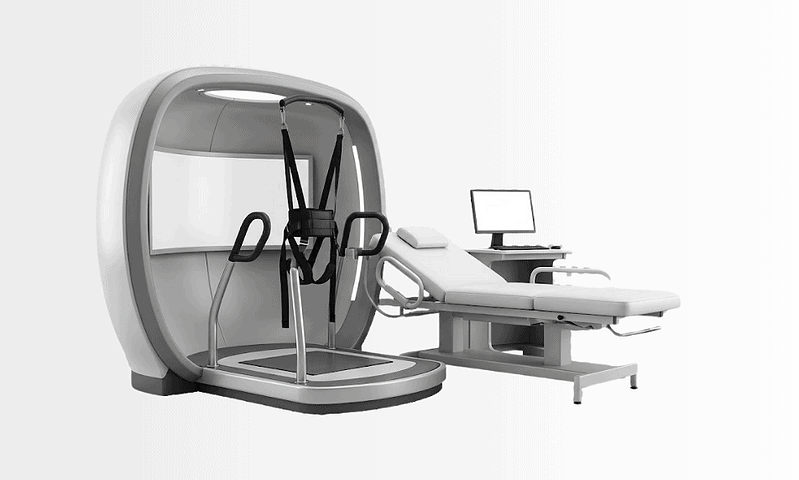
Available at these Hospitals























Patient stories from this unit

Speak with our medical team
Share your case and our international patient team will guide you to the right specialist, free of charge.