Radiation Therapy
Radiation therapy uses precisely planned high-energy beams to destroy cancer cells or shrink tumors while protecting healthy tissue. It may be used alone or with surgery, chemotherapy, or immunotherapy.
Quick answer
Radiation therapy is a cancer treatment that uses high-energy radiation to damage the DNA of cancer cells so they stop dividing and die. It can be delivered from outside the body (external beam), as highly focused stereotactic treatment, or from a source placed inside the body (brachytherapy). Courses range from a single session to several weeks of short daily visits.
What Is Radiation Therapy?
Radiation therapy is a cancer treatment that uses high-energy radiation to damage the DNA of cancer cells. When the damage is severe enough, the cells lose their ability to divide and eventually die. It is one of the most widely used cancer treatments in the world, and it can be given with several different aims: as the main treatment for a tumour, after surgery to lower the risk of the cancer returning, before surgery to shrink a tumour, or to relieve symptoms such as pain, bleeding or pressure when the disease cannot be removed.
A recommendation for radiation therapy often brings mixed feelings. Many patients are relieved that their cancer can be treated with a focused, non-surgical method. At the same time, the idea of receiving radiation raises understandable questions about side effects, fatigue, treatment length and safety. If you are considering treatment abroad, you may have further questions: how your diagnosis will be reviewed, how the plan will be personalised, how healthy tissue is protected, and who coordinates your care if radiation is combined with surgery, chemotherapy, immunotherapy or targeted therapy. This page answers those questions as plainly as the evidence allows.
Modern radiation therapy is far more individualised than many patients expect. Your plan is built from advanced imaging, computer-based dose calculations and specialist review. The team considers the type of cancer, the tumour’s location and stage, your prior treatments, your general health and the sensitivity of nearby organs. In complex cases, the plan is discussed at a multidisciplinary tumour board, where radiation oncologists, medical oncologists, surgeons, radiologists, pathologists and nuclear medicine physicians agree the safest and most effective sequence before treatment begins.
How does radiation therapy work?
Radiation therapy works by breaking the DNA inside cancer cells so that they can no longer copy themselves. Healthy cells in the treatment area are also exposed, but they generally have better repair mechanisms than cancer cells. Radiation oncologists exploit this difference: by splitting the total dose into many small daily fractions, or by shaping a very precise high dose around a small target, they give normal tissue time and space to recover while cancer cells accumulate damage they cannot fix. The effect is not instant. Cancer cells continue to die for weeks and sometimes months after the last session, which is one reason response is assessed at follow-up imaging rather than on the final treatment day.
Radiotherapy, radiation oncology and radiation therapy: what the terms mean
Radiotherapy, radiation oncology and radiation therapy are overlapping terms, and patients often meet all three in the same clinic letter. Radiotherapy and radiation therapy mean the same treatment; radiotherapy is the more common word in British and European usage, radiation therapy in American usage. Radiation oncology is the medical speciality that plans and delivers it. A radiation oncology department typically brings together radiation oncologists, medical physicists, dosimetrists, radiation therapists (the technologists who operate the machines) and specialist nurses. Each role matters: the oncologist prescribes the dose and defines the target, the physicist and dosimetrist calculate how to deliver it safely, and the therapists position you and run every session.
Types of Radiation Therapy
Radiation can reach a tumour in several ways, and the method chosen depends on the cancer type, its size and position, and the goal of treatment. No single technique is best for every case; the technique is fitted to the tumour, not the other way around.
External beam radiation therapy
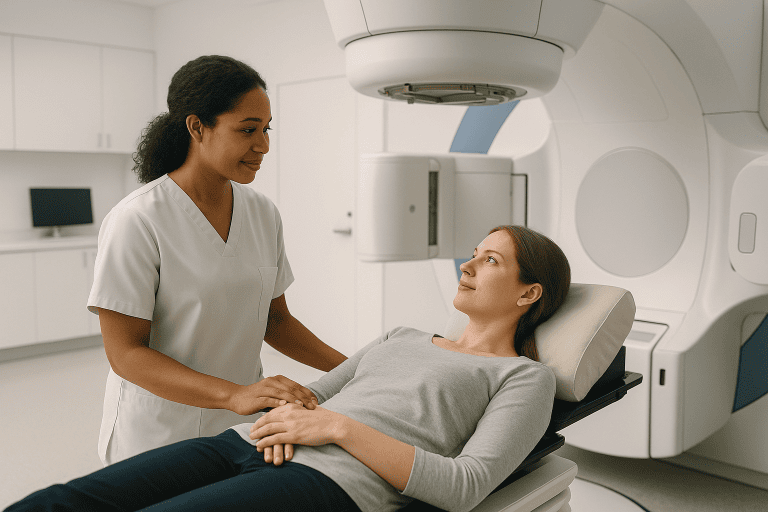
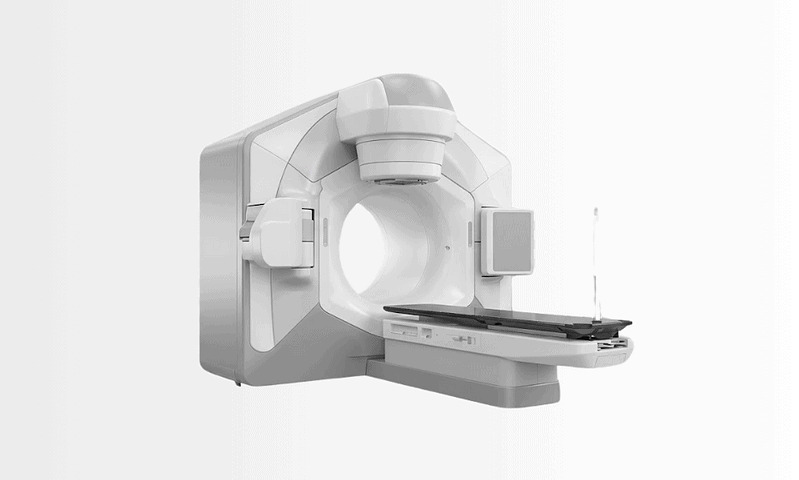
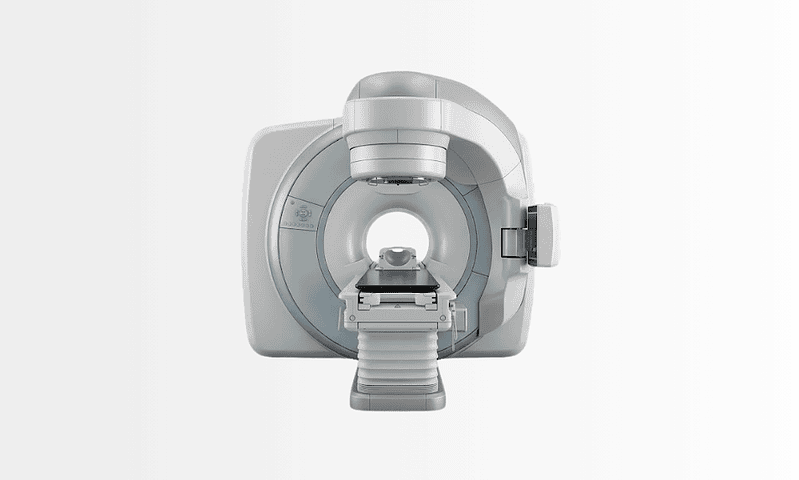
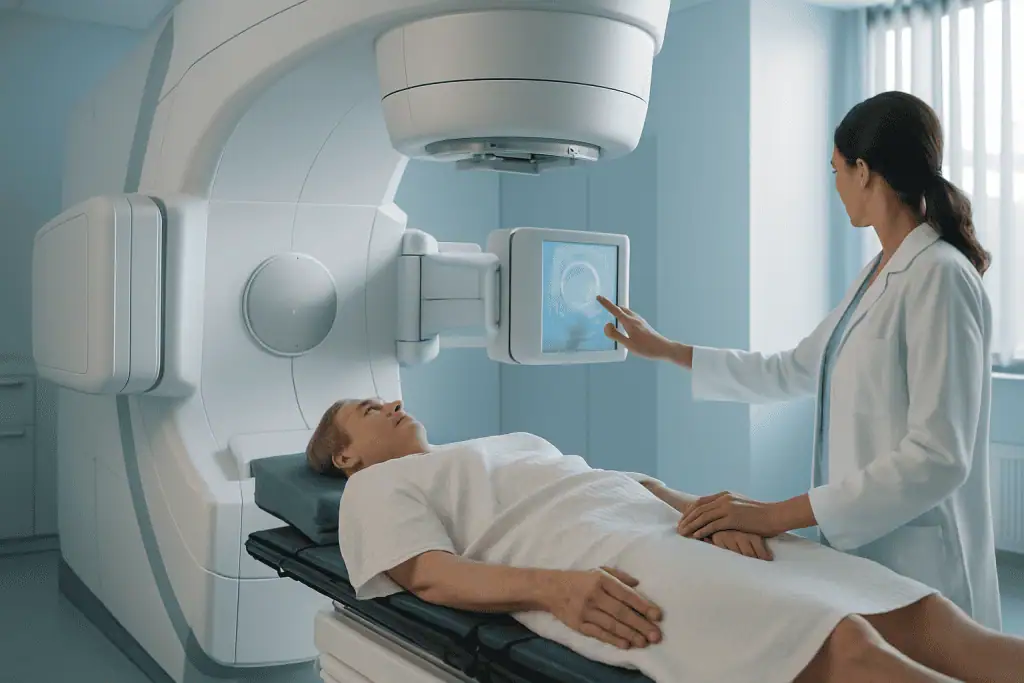
External beam radiation therapy is the most common form. A machine called a linear accelerator directs radiation beams from outside the body toward the tumour, usually from several angles so that the beams overlap on the target while each individual beam passes through as little healthy tissue as possible. You lie on a treatment table, the machine moves around you, and you feel nothing during delivery, no heat, no pressure, no sensation from the beam itself. Sessions are almost always outpatient visits, and most patients drive or travel home afterwards without assistance.
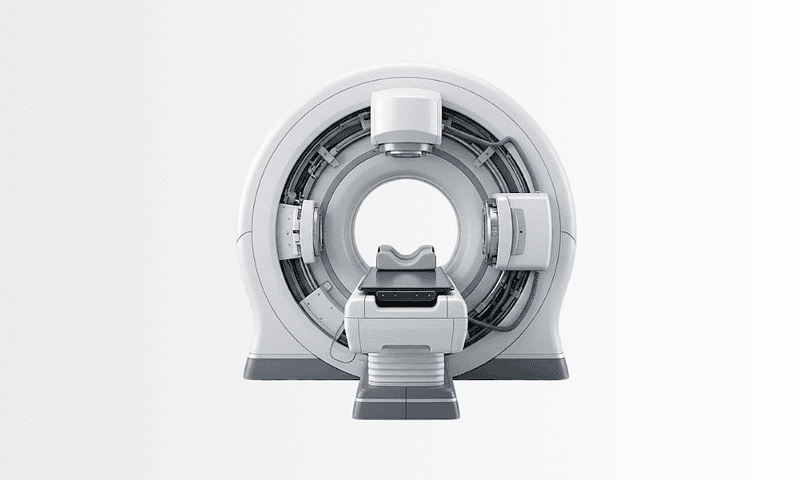
Within external beam treatment, several modern techniques help shape the dose. Intensity-modulated radiation therapy varies the strength of the beam across the treatment field. Image-guided radiation therapy uses scans taken immediately before each session to confirm the tumour’s position. Volumetric arc-based approaches deliver treatment while the machine rotates continuously around you, shortening session times. Electron therapy treats targets close to the skin surface. For tumours that move with breathing, such as some lung and liver tumours, respiratory motion management adjusts delivery to the rhythm of your breath.
Stereotactic radiosurgery and stereotactic body radiation therapy
Stereotactic techniques deliver very high, tightly focused doses to small or well-defined tumours in a small number of sessions, sometimes only one. When used for certain brain or spine lesions, this is called stereotactic radiosurgery; used elsewhere in the body, it is called stereotactic body radiation therapy. Despite the word “surgery”, there is no incision, no anaesthetic in most cases, and no operating theatre. The precision requirements are high, so positioning, immobilisation and imaging checks at each session are especially detailed, and individual appointments may take longer than a standard session.
Brachytherapy (internal radiation therapy)
Brachytherapy, also called internal radiation therapy, places a radiation source inside the body, within or very close to the tumour. Because the dose falls away sharply with distance from the source, brachytherapy can deliver a high dose to the tumour while sparing tissue only a short distance away. It is used for selected cancers, including certain gynaecological, prostate and breast tumours. The source may be temporary, inserted for minutes or hours and then removed, or permanent, as with small implanted seeds that lose their activity over time. Some brachytherapy procedures take place in an operating room or procedure suite, with sedation or anaesthesia and imaging guidance.
How radiation fits with other cancer treatments
Radiation therapy is a local or regional treatment: it acts on the area being irradiated. Systemic treatments such as chemotherapy, hormone therapy, targeted therapy and immunotherapy travel through the bloodstream and act throughout the body. Many treatment plans combine the two approaches, radiation to control the visible tumour, systemic therapy to address microscopic disease that no scan can show. Radiation may also be paired with surgical oncology: given after an operation to sterilise the surgical bed, or before it to shrink the tumour. Chemotherapy is sometimes given during radiation specifically to make cancer cells more sensitive to it. The sequence is not interchangeable; it is set according to evidence-based protocols, the biology of the cancer and your overall condition.
Who May Need Radiation Therapy?
Patients arrive at radiation therapy at very different points in their cancer journey. Some are newly diagnosed and need radiation as the main treatment. Some have had surgery and are advised to have radiation to reduce the risk of the cancer returning in the same area. Some need radiation before an operation to make it more effective or less extensive. Others need it because the cancer has returned, or has spread to a specific site and is causing symptoms there.
Radiation is commonly used in breast cancer, prostate cancer, lung cancer, brain tumours, head and neck cancers, rectal cancer, gynaecological cancers, lymphomas, paediatric cancers and bone metastases, among many other conditions. Whether it is appropriate in your case depends on the diagnosis and your full clinical picture, not on the cancer type alone. Two patients with the same diagnosis can reasonably receive different recommendations because their stage, prior treatment or general health differ.
The symptoms that eventually lead to radiation vary just as widely. A patient with breast cancer may feel entirely well but need radiation after lumpectomy. A man with prostate cancer may have been diagnosed after an elevated prostate-specific antigen test, with no symptoms at all. A patient with a brain tumour may have had headaches, seizures, weakness or vision changes. Someone with a tumour pressing on bone or nerve may have pain or reduced mobility. Radiation can be part of the plan in each situation, but the intent and schedule differ.
Diagnosis comes before any radiation decision, and it usually rests on imaging plus tissue confirmation. Imaging may include ultrasound, mammography, computed tomography, magnetic resonance imaging, positron emission tomography combined with computed tomography, or bone scans. A biopsy is usually needed to confirm the cancer type and reveal features, tumour grade, molecular markers, hormone receptors, that guide the whole treatment strategy. Pathology review matters particularly for patients seeking a second opinion abroad, because every downstream recommendation depends on the diagnosis being right.
Before radiation begins, the radiation oncology team reviews your prior treatments, surgical reports, pathology results, imaging, blood tests, current medications, implanted devices such as pacemakers, and general health. In complex cases the recommendation goes to a tumour board. This review settles four questions: whether radiation should be used at all, what area should be treated, what dose is appropriate, and how radiation fits alongside surgery, chemotherapy or other therapies within the wider cancer treatment plan.
Which is harder on the body, chemo or radiation?
Neither is universally harder; they strain the body in different ways. Chemotherapy circulates through the whole body, so its side effects, nausea, lowered blood counts, whole-scalp hair loss, infection risk, tend to be systemic. Radiation acts on the treated area, so most of its side effects are local: skin changes over the treatment field, a sore mouth after head and neck treatment, bowel irritation after pelvic treatment. Fatigue is common to both. How demanding either treatment feels also depends on dose, schedule, the part of the body involved and your baseline health. When the two are given together, side effects can add up, which is one reason combined schedules are planned and monitored carefully. Comparing them in the abstract is less useful than asking your team what your specific plan is likely to involve.
Conditions and Goals: What Radiation Therapy Is Used For
Radiation therapy is not a single-purpose treatment. It can serve very different goals depending on the cancer type, stage, tumour location and your priorities. A well-designed plan states its intent from the beginning, so you know what the treatment is expected to achieve.
- Treatment with curative intent: radiation may be used with the aim of eliminating the cancer, alone or with other treatments. This is common in selected prostate cancers, head and neck cancers, cervical cancer, certain lymphomas and some lung cancers.
- Adjuvant treatment after surgery: radiation given after an operation lowers the chance of local recurrence when microscopic cancer cells may remain near the surgical site.
- Neoadjuvant treatment before surgery: radiation given first can shrink a tumour, improve the chance of complete removal or preserve organ function: an approach often used in selected rectal cancers and soft tissue sarcomas.
- Organ-preserving treatment: in some cancers, radiation combined with chemotherapy can avoid or reduce the extent of surgery while maintaining cancer control, for example, keeping the voice box in selected laryngeal cancers.
- Palliative treatment: radiation can relieve symptoms of advanced cancer, such as bone pain, spinal cord compression, bleeding, airway obstruction or pressure on nerves and organs.
- Treatment of metastases: radiation may be used for cancer that has spread to limited sites, bone, brain, lung, liver, adrenal gland or lymph nodes, depending on the overall disease pattern.
- Prevention of complications: in selected cases, radiation reduces the risk of serious events, such as fracture of a weakened bone or neurological decline from tumour pressure.
Knowing which of these goals applies to you changes how you should read everything else on this page. A short palliative course and a seven-week curative course are both “radiation therapy”, but they involve different schedules, different side-effect profiles and different definitions of success.
How Radiation Therapy Is Performed, Step by Step
Radiation therapy is a planned process, not a single appointment. The preparation phase matters as much as the treatment itself, because the quality of planning directly determines how accurately the tumour is targeted and how well nearby organs are protected. Expect the following stages.
1. Consultation and treatment decision
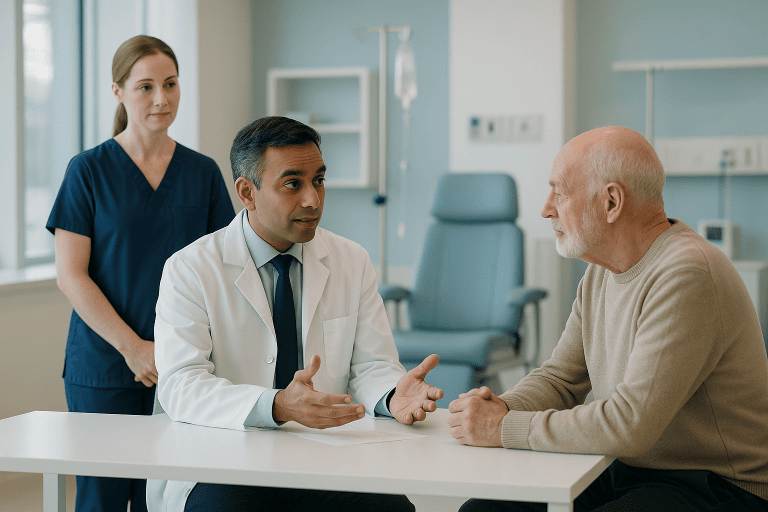
The process begins with a radiation oncologist reviewing your diagnosis, stage, imaging, pathology, prior treatments, medical history, medications, symptoms and goals. For patients arriving from abroad, this step also covers records from home and whether any imaging, laboratory work or pathology review needs repeating before the plan is finalised. The oncologist explains why radiation is being considered, whether the intent is curative or palliative, roughly how many sessions to expect, which side effects are likely, and how the radiation schedule interlocks with any chemotherapy, immunotherapy or planned surgery. If systemic treatment is involved, the timing is coordinated with the medical oncology department rather than decided in isolation.
2. Simulation and mapping
Before treatment starts, you attend a planning session called simulation. You are positioned exactly as you will be for every treatment, and immobilisation devices may be made for you: a customised mesh mask for head, neck or brain treatments, a body mould, cushions or arm supports depending on the area. These devices are not restraints for their own sake: they exist so that your position is reproducible to within millimetres, day after day. Planning imaging follows, usually a computed tomography scan taken in the treatment position. In many cases magnetic resonance imaging, positron emission tomography or your previous diagnostic scans are fused with the planning scan to define the tumour precisely and to identify structures that must receive as little dose as possible: the spinal cord, heart, lungs, kidneys, bowel, bladder, salivary glands, optic nerves or reproductive organs. Small skin marks or tiny tattoo dots are often placed to guide daily alignment.
3. Computer-based planning and quality checks
After simulation, the radiation oncologist outlines the tumour, any surgical bed, relevant lymph node regions and the organs at risk on the planning images. Medical physicists and dosimetrists then build a computer-based plan that sets beam angles, dose distribution and how tightly the dose conforms to the target. This stage typically takes several working days and happens entirely without you present. Before your first session, the plan passes through quality assurance: independent verification by the physics team and review by the radiation oncologist. This step is non-negotiable, because radiation therapy demands precise dose delivery whether the course is one session or thirty-five.
4. The treatment sessions
A typical external beam session follows the same sequence each day:
- The radiation therapists position you on the treatment table using the setup created at simulation, including any mask or mould.
- Imaging is often taken on the machine to confirm alignment before the beam is switched on.
- The staff leave the room but watch and listen to you continuously via camera and intercom; you can speak to them at any time.
- The machine delivers the beam, often moving around you to treat from several angles. You see and feel nothing from the radiation itself.
- You get up and leave. Beam delivery usually takes only a few minutes; the whole appointment is longer because of positioning and verification.
Most curative courses run five days a week, Monday to Friday, with weekends off to let normal tissue recover. Stereotactic sessions take longer per visit because the imaging checks are more exacting. Brachytherapy sessions depend entirely on the technique: some are brief outpatient insertions, others are procedures under sedation with imaging guidance.
How long does a course of radiation therapy take?
The total duration depends on the diagnosis, treatment goal, dose, technique and whether radiation is combined with other therapies. Some palliative courses are completed in one to several sessions. Stereotactic treatments are typically finished within a handful of visits. Curative courses for many cancers run several weeks, with breast, prostate, head and neck, pelvic, brain and lung cancers each having their own standard schedules. Modern evidence has made shorter, higher-dose-per-session courses appropriate for some patients: your oncologist will explain whether that applies to you. If you are travelling for treatment, remember that the calendar includes more than the sessions themselves: consultation, any repeat imaging, simulation, the planning and quality-assurance days, the course itself and usually a short review before you fly home. Ask for the full expected timeline before you book travel, not just the number of fractions.
Side Effects of Radiation Therapy
Side effects of radiation therapy depend on the area treated, the total dose, the number of sessions and your individual sensitivity, which is why two patients on the same machine can have very different experiences. Radiation side effects are overwhelmingly local: they occur where the beam goes, not throughout the body. They also follow a predictable arc, typically building gradually during treatment, peaking around or shortly after the final session, and then improving over weeks.
What are the common side effects of radiation therapy?
Fatigue is the most common side effect across all treatment sites, usually deepening as the course progresses and lingering for some weeks afterwards. Skin changes in the treated area are the second most common: redness, dryness, itching or peeling, similar to sunburn. Beyond those two, side effects track the anatomy. Head and neck treatment may cause mouth soreness, taste changes, dry mouth or swallowing difficulty. Chest treatment may cause temporary throat irritation or cough. Abdominal or pelvic treatment may affect appetite, bowel habits, bladder comfort or fertility, depending on the exact field. Brain treatment may cause scalp irritation, headaches or temporary swelling that needs medication prescribed by your team. Practical daily habits make a real difference to skin comfort during a course: washing the treated area gently with lukewarm water, avoiding perfumed products on the skin in the field, wearing loose clothing over it and protecting it from sun exposure are among the measures care teams typically advise.
Does radiation therapy make you lose your hair?
Only in the treated area. Radiation therapy causes hair loss where the beam passes through hair-bearing skin, so brain or scalp treatment can cause hair loss on the head, and chest-wall treatment can affect chest hair, but radiation to the prostate or breast does not make the hair on your head fall out. This is a key difference from many chemotherapy drugs, which circulate through the whole body and can cause generalised hair loss. Whether hair regrows after radiation depends on the dose the follicles received: after lower doses hair often returns within months, sometimes with a different texture; after high doses to the scalp, loss in that patch can be permanent. Your radiation oncologist can tell you before treatment starts whether your field includes hair-bearing skin and what to expect.
Are you radioactive after radiation therapy?
Not after external beam treatment. The machine delivers radiation while it is switched on; nothing radioactive stays in your body, and you can safely be around family members, including children and pregnant women, immediately after each session. The exception is certain forms of internal radiation. Temporary brachytherapy sources are removed before you leave, but permanent seed implants remain in place and emit low-level radiation for a limited time, so the team gives specific, time-limited precautions where they apply. If no restrictions are mentioned, none are needed.
Managing side effects during treatment
Supportive care is part of radiation treatment, not an afterthought. Depending on your treatment site, the team may arrange skin care advice, nutrition support, pain control, anti-nausea medication, swallowing therapy, dental evaluation before head and neck treatment, physiotherapy, fertility counselling or psychological support. Side effects are reviewed throughout the course, typically at a weekly clinic visit in addition to the daily sessions, and the plan can be adjusted if medically necessary. Patients recovering away from home benefit from clarifying at the outset who monitors which symptoms during and after the course, and how the team can be reached between scheduled review visits. Late effects, changes appearing months or years after treatment, such as tissue firmness, dryness or, rarely, effects on nearby organs, are less common with modern conformal techniques but are part of the consent discussion and of long-term follow-up.
Recovery After Radiation Therapy
Recovery varies with the treatment area and the total dose, but most patients follow a recognisable pattern during and after a course.
| Time Period | What Patients Can Expect |
|---|---|
| Day 1 | The first session includes careful positioning and imaging verification and usually takes longer than later visits. You do not feel the beam during delivery, and most patients leave shortly afterwards. |
| First week | Many patients continue normal routines, including work. Mild fatigue or early skin sensitivity may begin, depending on the treatment area. |
| During treatment | Side effects tend to build gradually. The care team monitors symptoms at review visits, adjusts supportive medication and advises on nutrition, skin care, hydration and activity. |
| First month after treatment | Some side effects peak shortly after the final session before improving. Fatigue may persist for several weeks, especially after longer courses. |
| Longer term | Follow-up visits and imaging assess response and monitor for late effects. Many patients return to their usual activities, with the pace depending on cancer type and any combined treatments. |
How long does it take to recover from radiation therapy?
Most acute side effects settle within a few weeks to a couple of months after the last session, though fatigue can take longer and often improves gradually rather than lifting overnight. Recovery after a short palliative course is usually quicker than after a long curative course, and recovery after treatment to a sensitive area, the mouth and throat, for example, takes longer than after treatment to a limb. Combined treatment adds time: if you received chemotherapy alongside radiation, expect the overall recovery to reflect both. Because cancer cells keep dying after treatment ends, response imaging is usually scheduled weeks to months later, so do not read anything into the absence of an immediate scan. Gentle, regular activity, adequate protein and calorie intake, and realistic pacing consistently help patients through this phase.
Why Timing Matters
Timing can influence outcomes. In some cancers, delaying radiation allows the tumour to grow, spread locally or become harder to treat. After surgery, waiting too long to begin recommended adjuvant radiation can reduce its benefit in certain situations. When radiation is meant to shrink a tumour before an operation, postponement shifts the surgical timeline too. When radiation is needed for symptom relief, delay prolongs avoidable pain, bleeding, fracture risk or organ obstruction. Some situations, spinal cord compression and uncontrolled tumour bleeding among them, are treated in oncology as emergencies, and radiation can form part of expedited treatment once the diagnosis is confirmed.
Early evaluation does not always mean immediate treatment. Sometimes the right decision is careful planning, additional imaging, pathology review or coordination with chemotherapy and surgery first. What early evaluation does secure is the chance for the oncology team to determine the safest sequence, distinguish what is urgent from what can be scheduled, and avoid repeating tests unnecessarily: a distinction that matters even more when travel is involved.
Benefits of Radiation Therapy
What radiation therapy can offer depends on the diagnosis and the goal of treatment, but the following summarises what patients may gain when it is appropriately indicated.
| Benefit | What It Means for You |
|---|---|
| Local tumour control | Radiation targets cancer in a defined area, helping destroy cancer cells or reduce the risk of the cancer returning in that region. |
| Non-surgical treatment option | For some cancers, radiation treats the tumour without an incision, important for patients who are not candidates for surgery or who wish to preserve function. |
| Combination with other therapies | Radiation integrates with surgery, chemotherapy, immunotherapy, hormone therapy or targeted therapy when evidence supports a combined approach. |
| Symptom relief | Palliative radiation can reduce pain, bleeding or pressure caused by tumours, improving comfort and daily function. |
| Organ and function preservation | In selected cancers, radiation helps preserve organs or reduce the extent of surgery while maintaining appropriate cancer control. |
| Personalised planning | Imaging-based planning shapes the dose around the tumour and limits exposure to nearby healthy tissue. |
What Influences Radiation Therapy Outcomes?
Outcomes depend on medical and technical factors together. The type and stage of cancer are the most important: some tumours are highly sensitive to radiation, while others need higher doses or combined treatment. Tumour size, location, lymph node involvement, molecular features, prior treatments, surgical margins and the presence or absence of metastatic disease all shape both the goal and the expected response.
Accurate diagnosis is the foundation. Pathology review confirms the cancer type and identifies markers that change the therapy. High-quality imaging defines the true extent of disease, if the tumour is not fully mapped, radiation may miss areas that need treating or expose tissue that does not. This is exactly why simulation, image fusion, target contouring and physics quality assurance sit at the centre of radiation oncology rather than at its edges.
Your general health matters too. Nutrition, smoking status, diabetes, cardiovascular disease, immune function, any previous radiation to the same area, connective tissue disorders and current medications can all affect tolerance and healing. Patients receiving head and neck radiation often need a dental assessment beforehand and swallowing support during treatment. Pelvic radiation may come with bowel and bladder preparation instructions for each session, because a consistently full or empty bladder changes what sits in the beam path. Radiation near the heart or lungs calls for careful evaluation of baseline function first.
Consistency is a quietly decisive factor. Radiation is usually delivered in repeated fractions, and missed sessions alter the planned biological dose. If treatment must pause because of side effects or illness, the oncology team decides whether the plan needs adjusting. If you are staying away from home for treatment, arrange accommodation and transport so that daily attendance is realistic for the whole course, not just the first fortnight.
What is the success rate of radiation therapy?
There is no single success rate for radiation therapy, and any page that quotes one number for all patients is oversimplifying. Radiation is used across dozens of cancer types, at every stage, with goals ranging from eliminating disease to easing pain, so “success” itself means different things in different plans. The honest answer is that your radiation oncologist can discuss the published evidence for your specific diagnosis, stage and intended treatment, which is far more meaningful than a general figure. A good result is also broader than tumour response alone: it includes preserved function, manageable side effects, maintained nutrition and strength, controlled pain and organised follow-up. For some patients the best achievable outcome is long-term disease control; for others it is symptom relief and better quality of life. Clear discussion of intent at the outset keeps expectations and treatment aligned.
What do patients wish they knew before radiation?
Several themes come up repeatedly. First, the daily sessions themselves are brief and unfelt: the time commitment lies in attending every weekday, not in the treatment itself. Second, fatigue is cumulative: many patients feel fine in week one and are surprised by week four, so pacing plans made early pay off later. Third, side effects often peak after the final session rather than on it, which can feel discouraging if nobody warned you; it is normal. Fourth, small logistics matter, loose clothing over the treated area, following skin care advice exactly, and keeping bladder or bowel preparation consistent for pelvic treatment all make the course easier. Finally, questions asked at the planning stage are the most valuable ones: what the intent is, what the field covers, which effects are expected and which would be unusual.
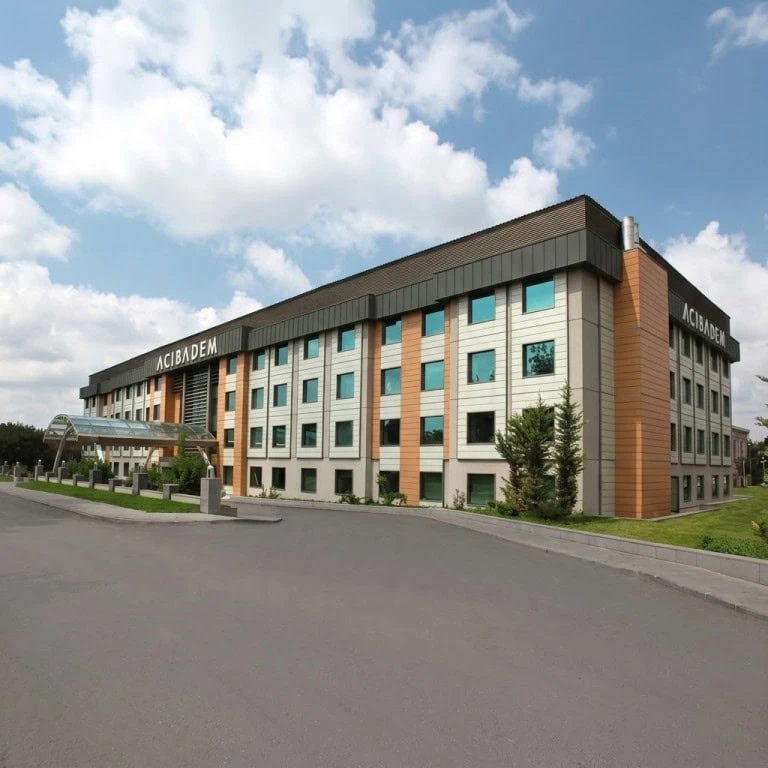
Radiation Therapy Within an Integrated Oncology Programme at Acibadem
Radiation therapy works best when it is not considered in isolation. At Acibadem, it is delivered within integrated oncology programmes where diagnostic imaging, pathology review, medical oncology, surgical oncology, nuclear medicine, interventional radiology, rehabilitation, nutrition and supportive care sit alongside the radiation oncology department. Complex cases are reviewed at multidisciplinary tumour boards, so that the decision to irradiate, and the decision about when, is made with the surgeons and medical oncologists in the same discussion. A patient with rectal cancer, for example, may need coordination between radiation oncology, medical oncology, colorectal surgery, radiology, pathology and nutrition; a patient with a brain tumour may need neurosurgery, neuroradiology, radiation oncology and rehabilitation working to one plan.
Technology matters, but its value lies in how it is used. Modern treatment relies on high-resolution imaging, computerised planning, image guidance at the machine, motion management where needed, individually made immobilisation devices and physics-led quality checks. The specific technique is selected for the tumour and the patient rather than applied uniformly. The same discipline applies to safety processes: dose calculation, patient identification, imaging verification, equipment checks and independent plan review are structured, repeatable steps carried out by radiation oncologists, medical physicists, radiation therapists and nurses working together.
For patients who travel for treatment, Acibadem International coordinates the non-medical layer of a radiation course, appointment scheduling across the multi-week timeline, medical record transfer, interpreter support, and guidance on accommodation within practical reach of the daily sessions. Multilingual support means consent discussions, daily instructions and follow-up plans can be understood in full, with family members included in the conversation. Before departure, patients receive a treatment summary covering the dose delivered, the area treated, side effects that may continue, and the follow-up schedule, so that doctors at home can pick up care without gaps.
What a Radiation Oncology Review Involves
Whether radiation has already been recommended to you or you are weighing a second opinion on whether it is needed at all, it helps to know what a thorough review draws on. Radiation oncologists base their assessment on pathology reports, imaging files in their original digital format, surgical notes where an operation has taken place, details of any prior chemotherapy, immunotherapy or targeted therapy, recent blood tests, a current medication list and a summary of symptoms. With this material, the specialist can assess whether radiation is appropriate, which technique suits the case, how many sessions a course would involve, and how it should be sequenced with other treatments.
For many patients, the hardest part is not understanding the science but making decisions under pressure. A careful, evidence-based discussion reduces that uncertainty. It distinguishes treatment that is urgent from treatment that can be planned over weeks, and both from treatment that may not be necessary at all. Whatever the goal, curative intent, long-term control, symptom relief or simply an independent second view: a sound radiation plan begins with an accurate diagnosis and a team that considers the whole pathway, from the first planning scan to the follow-up visits after the final session.
Preparation
- Before radiation therapy, patients usually have a consultation, imaging scans, and a simulation session to map the exact treatment area. The care team reviews diagnosis, prior treatments, medications, and general health. Patients may receive instructions about skin care, eating, hydration, and whether to arrive with a full or empty bladder depending on the treatment site.
Aftercare
- Most patients can return home after each session and continue many daily activities. The care team monitors fatigue, skin irritation, swallowing, bowel, or urinary symptoms depending on the treated area. Follow-up visits and imaging are scheduled to assess response and manage any delayed side effects.
Frequently Asked Questions
What affects the cost of radiation therapy?
The main cost drivers are the cancer type and location, treatment technique, planning complexity, session count, imaging needs, supportive care, and whether radiation is combined with surgery, chemotherapy, immunotherapy, or other treatments.
How can I get a personalised quote for radiation therapy in Turkey?
You can request a free consultation by sharing your diagnosis, pathology report, imaging results, previous treatment records, and current medical summary. A radiation oncology team can then review your case and prepare a personalised treatment plan and quote.
Does a radiation therapy package usually include everything?
Package contents vary by hospital and case. A package may include specialist consultation, treatment planning, selected imaging review, radiation sessions, and international patient coordination, while additional imaging, medicines, procedures, or unexpected care may be billed separately.
Why can the same diagnosis have different radiation therapy costs?
Patients with the same cancer type may need different techniques, treatment fields, imaging, immobilization devices, or combined therapies. Previous treatments and the distance between the tumor and sensitive organs can also change planning complexity.
Is the cheapest radiation therapy option always appropriate?
No. The appropriate option depends on clinical suitability, safety, technology requirements, and the specialist’s assessment. Patients should compare what is included, the hospital’s accreditation, the oncology team’s experience, and follow-up support, not only the quoted cost.
Medically reviewed by the Acıbadem International Medical Board August 30, 2026
See our medical review board →
Update history
- PublishedJune 8, 2026
- Medical review approvedAugust 30, 2026
- Last content updateAugust 30, 2026
References2
- Radiation Therapy to Treat Cancer cancer.gov
- Radiation Therapy medlineplus.gov
Trusted care for international patients
From the Acibadem Blog

Does External Radiation Therapy Make You Radioactive? Myths About Hugging and Contact
External beam radiation therapy does not make you radioactive. The machine delivers a beam only while it is switched on, and nothing radioactive is…

When Radiation Therapy Is Used Before Surgery, After Surgery or on Its Own
Radiation therapy is used before surgery to shrink a tumor so it can be removed more safely, after surgery to destroy microscopic cancer cells…
Does Radiation Therapy Hurt? What the Beam Feels Like and Where Discomfort Comes From
External beam radiation therapy is not felt while it is being delivered; the beam itself causes no pain, heat or pressure. Discomfort, when it…
External Beam Radiation Therapy: What It Means, What to Expect and When to See a Specialist
External beam radiation therapy directs precisely shaped, high-energy beams from a machine outside the body at a tumor to damage cancer-cell DNA. It is…
How Radiation Therapy Works: Step by Step, in Plain Language
Radiation therapy works by aiming high-energy X-rays, gamma rays or particle beams at a tumor to damage the DNA inside cancer cells so they…
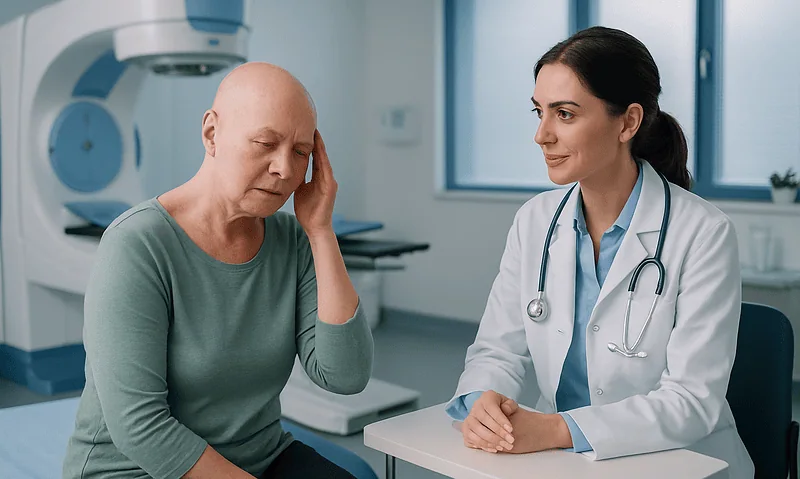
Radiation Therapy Side Effects: What to Expect, How Long They Last and How They Are Managed
Radiation therapy side effects come from damage to healthy cells near the treated area, so they depend on where the beam is aimed. Fatigue…