

Plastic, Reconstructive & Aesthetic Surgery
Reconstructive and aesthetic surgery of the face, breast and body, from microsurgical reconstruction after cancer to rhinoplasty, body contouring and post-weight-loss surgery, performed inside full hospitals.
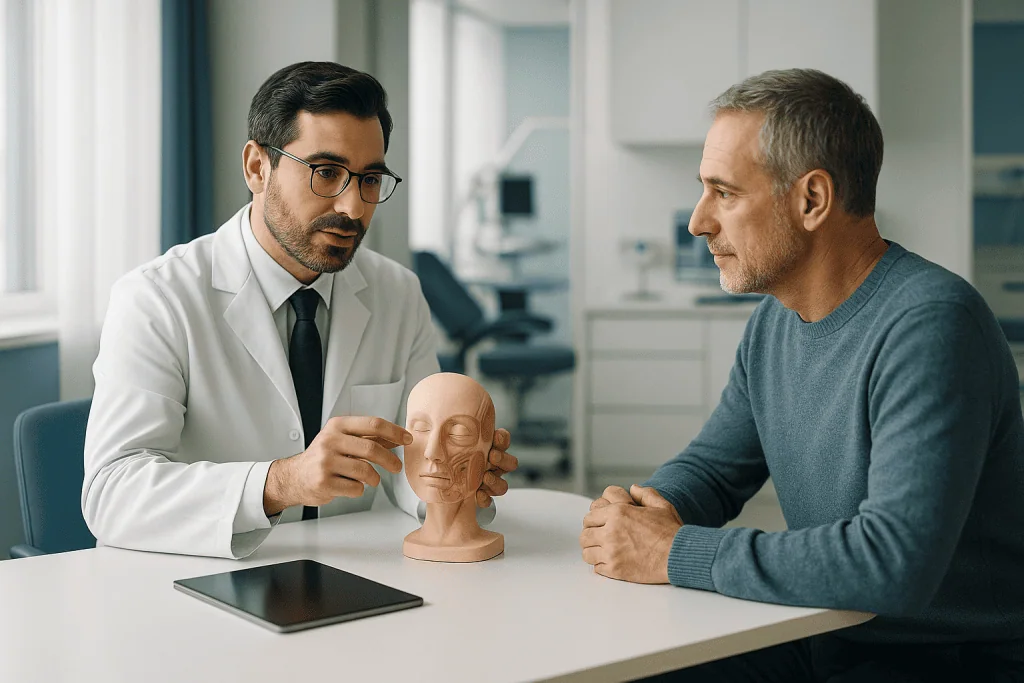
Face, breast and body, two arms of one specialty
Reconstructive surgery restores what disease or injury removed; aesthetic surgery changes a structure that is anatomically normal. The techniques overlap almost completely: the reason for operating does not.
Face
From buccal fat and cheek contouring to brow, neck and ear surgery, assessed by which structure is actually responsible for the concern.
Breast
Augmentation, lift, reduction and reconstruction after cancer: the last planned with the breast health team rather than in isolation.
Body
Contouring, abdominoplasty, arm and buttock surgery, and the reconstructive work that follows major weight loss.
A hospital, not a standalone clinic
Anaesthesia is delivered by hospital anaesthetists whose only job that hour is your airway and your monitoring. Blood products, imaging and intensive care are in the same building, not a transfer away.
For a healthy patient having a short procedure, none of this is visible. It stops being invisible on the rare day something goes wrong, which is the only day it matters.
What we will not do
- Operate on someone the assessment says should wait, or should not have surgery at all.
- Quote a price before a surgeon has reviewed your photographs and history.
- Promise a specific result, a percentage, or a scar you will not be able to see.
- Combine procedures to fill a schedule when the anaesthetic time makes that unsafe.
- Treat body image distress with an operation instead of an assessment.
Who would actually operate
Surgery is done by people, not buildings. Every surgeon has a profile you can read before any decision.
How treatment works when you are flying in
Send photos and history
Standard views and your medical background, reviewed by a surgeon rather than a coordinator.
Surgical plan and written quotation
What is advisable, what is not, and what the figure covers, before you book a flight.
Pre-operative tests on arrival
Bloods, anaesthetic assessment and a face-to-face consultation that can still change the plan.
Surgery and hospital stay
Hospital anaesthetists, on-site imaging and intensive care in the same building.
Follow-up after you fly home
Photograph reviews with your surgeon and coordination with a doctor where you live.
The things a brochure leaves out
Realistic expectations
Surgery changes a structure; it does not deliver a specific outcome on demand. Results vary between people for reasons no technique overrides.
When we say wait
Active smoking, unstable weight, uncontrolled diabetes, a planned pregnancy, each changes the sensible timing.
Red flags after surgery
Breathlessness, chest pain or one-sided calf swelling after surgery can mean a clot in the leg or the lung. Both are treated as hospital emergencies.
Scars are permanent
Incisions are placed to be discreet, not invisible. Scars mature over 12 to 18 months and need sun protection throughout.
Revision is part of the field
Ask what happens if a revision is needed, and expect a realistic answer rather than a guarantee.
Psychological readiness
Where a small feature carries large distress, assessment comes before an operation, not after it.
Jump to what you came for
Quick answer
Plastic, reconstructive, and aesthetic surgery covers procedures that repair defects, restore function, and improve appearance in both congenital and acquired conditions. At Acibadem in Turkey, this unit evaluates each patient individually and provides surgical and non-surgical options for reconstruction, body contouring, facial procedures, breast surgery, hand surgery, and scar management.
Plastic surgery covers two related disciplines: reconstructive surgery, which restores form and function that cancer, injury or a congenital difference has taken away, and aesthetic surgery, which changes a structure that is anatomically normal. The techniques overlap almost completely; the reason for operating does not. At Acıbadem International both are performed inside full hospitals rather than standalone clinics, by surgeons who are prepared to say that an operation is not the right answer, and with the anaesthetic, imaging and intensive-care backup that only matters on the rare day something goes wrong.
This guide is written for people considering surgery abroad. It explains what each procedure actually does and does not do, who is not a good candidate, what the risks and revision rates really look like, what shapes the cost, and how treatment works when you are flying in for it. Where the honest answer is “it depends on your assessment”, we say exactly that, and explain what it depends on.
What we cover
Plastic surgery is two related disciplines under one name, and it helps to know which one you are asking about before you read any further. Reconstructive surgery restores form and function that disease, cancer, trauma or a congenital difference has taken away, rebuilding a breast after mastectomy, closing a defect after tumour removal, repairing a hand after injury, correcting a jaw that does not meet. Aesthetic surgery changes a structure that is anatomically normal because you want it to look different. The techniques overlap almost completely; the reason for operating does not.
That distinction matters practically, not philosophically. Reconstructive work usually has a medical indication, sits inside a wider treatment plan with another specialty, oncology, orthopaedics, gynaecology, dentistry, and is often time-sensitive. Aesthetic work is elective, which means the timing is yours, the decision is reversible up until the day of surgery, and the threshold for saying “not now” or “not at all” should be higher, not lower.
The unit covers both arms:
- Facial surgeryrhinoplasty, facelift and neck procedures, eyelid surgery, otoplasty, chin and jaw contouring, buccal fat removal.
- Orthognathic (jaw) surgeryplanned jointly with orthodontics for bite and skeletal problems, which are functional conditions before they are aesthetic ones.
- Breast surgeryaugmentation, lift, reduction, and reconstruction after cancer treatment, the last of these planned with the breast health team rather than in isolation.
- Body contouringliposuction, abdominoplasty, panniculectomy after major weight loss, fat transfer.
- Reconstructive and microsurgeryfree tissue transfer, hand and nerve surgery, defect closure after cancer, burn and scar reconstruction.
- Non-surgical treatmentsinjectables and energy-based devices, offered where they genuinely fit and declined where they do not.
All of it happens inside a hospital rather than a standalone clinic, what that changes about anaesthesia, monitoring and complication management is set out under anaesthesia and the hospital setting.
Who is a candidate, and who should wait
The most useful thing a surgeon can tell you is not what is possible, but what is advisable for you specifically. A consultation that ends with an operation booked for every single patient who asks is not an assessment. Expect to be told, at least sometimes, that the answer is no, or not yet, or not this procedure.
Factors that are weighed in every case:
- Body weight and stability. Body contouring is planned around a weight you have held for roughly 6–12 months, not a weight you are still moving through. A higher BMI raises anaesthetic risk, wound-healing problems and clot risk; where that threshold sits depends on the procedure, and a limit that is reasonable for eyelid surgery is not the same limit as for abdominoplasty. If you are mid-way through weight loss, surgery is usually better after, not during.
- Smoking, including vaping and nicotine replacement. Nicotine constricts the small vessels that keep skin flaps alive. In procedures that lift skin, facelift, abdominoplasty, breast lift, any flap, smoking measurably increases the risk of wound breakdown and tissue death at the incision edges. You will be asked to stop for a defined period before and after surgery, and some procedures are declined outright while you smoke. This is not moralising; it is the single modifiable factor with the clearest effect on outcome.
- Medical conditions and medication. Diabetes and its control, cardiac and respiratory disease, autoimmune conditions, previous clots, bleeding disorders. Blood thinners, hormonal treatments, GLP-1 weight-loss medication (which affects fasting and anaesthesia), high-dose supplements and herbal preparations all need declaring, several of them affect bleeding and are stopped on a schedule agreed with your own physician, not by us alone.
- Previous surgery and scarring in the same area, which changes blood supply, technique and what is realistically achievable.
- Life timing. Planned pregnancy after abdominoplasty, or breastfeeding after breast surgery, changes the sensible sequence. Neither is a prohibition; both are conversations to have before, not after.
Expectations are assessed as carefully as anatomy. Surgery changes a structure. It does not deliver a specific outcome on demand, and results vary from person to person for reasons, skin quality, healing biology, underlying bone, that no technique overrides. If what you are describing is a small physical feature carrying a large amount of distress, if you have had repeated procedures without feeling satisfied, or if the concern is one that others say they cannot see, the appropriate next step is a psychological assessment for body dysmorphic disorder: the structured evaluation the psychiatry unit provides, not an operation. Surgery in that situation often fails to relieve the distress and can deepen it, which is why assessment comes first.
Buccal fat removal
The buccal fat pad is a discrete, encapsulated cushion of fat sitting deep in the cheek, between the facial muscles, distinct from the subcutaneous fat just under the skin. Removing part of it slightly narrows the lower cheek and can make the area beneath the cheekbone appear more hollow. It is done through a small incision inside the mouth, usually under sedation or general anaesthesia, and takes well under an hour. Recovery is dominated by swelling for the first one to two weeks, with a soft diet and mouth rinses in the early days.
Two things about this procedure are more important than the technique itself.
The fat does not grow back. Once part of the pad is removed it is gone permanently, and the change becomes more pronounced with age rather than less. Faces lose deep facial volume through the forties, fifties and beyond; a face that has already had that compartment reduced can, over time, read as gaunt or hollowed in a way that is difficult to correct. Restoring it later means fat grafting or fillers, which is a different operation with its own variability. For that reason it suits a narrower group than its popularity suggests.
Fullness in the cheek is not always buccal fat. A round lower face may come from jaw width and masseter muscle bulk, from subcutaneous fat, from skin laxity, from fluid retention, or simply from a face that is still maturing. Removing the buccal pad does nothing for any of these, and in some cases makes the underlying issue more obvious. Assessment is about identifying which structure is responsible, not about assuming.
Who is usually advised against it:
- People with a naturally thin or already-hollow midface.
- Very young patients whose facial fat distribution is still changing: a fuller face in the early twenties often narrows on its own.
- Anyone whose main concern is jawline definition rather than cheek volume, where jaw or neck procedures address the actual anatomy.
- Anyone with significant skin laxity, where volume removal can worsen rather than improve contour.
Risks include bleeding, infection, asymmetry between the two sides, and, uncommonly but importantly, injury to branches of the facial nerve or the parotid duct, which run near the operative field. Over-resection is a recognised complication and is far harder to reverse than under-resection, which is why a conservative removal is the norm. The degree of change is modest by design, and how much it shows on your face depends on your own bone structure and soft tissue.
Deep plane and SMAS facelift
Facial ageing is not only a skin problem. Beneath the skin lies the SMAS: a fibrous, muscular layer that supports the cheek and neck tissues and that descends with time, taking the midface and jawline with it. Every credible facelift technique addresses this layer. The differences between them lie in how.
In a SMAS facelift, the skin is lifted off the SMAS, and the SMAS is then tightened, folded or partially removed and repositioned separately, with the skin redraped over it. It is a well-established, adaptable operation with a long track record, and for many patients it does exactly what is needed.
In a deep plane facelift, the dissection goes beneath the SMAS itself, releasing the ligaments that tether the cheek to the underlying bone, so skin and SMAS are moved as one composite unit. Because the tension is carried by the deeper layer rather than the skin, the technique is often chosen for pronounced midface descent, deep nasolabial folds and jowling. It is a more anatomically demanding dissection performed close to the facial nerve branches, and it takes longer in theatre.
Neither approach is universally superior; the honest position is that surgeon experience and the match between technique and your particular anatomy matter more than the label. What is being lifted, how much laxity there is, the quality and thickness of your skin, the shape of the bone underneath and whether the neck needs separate treatment (platysma work, submental liposuction) all steer the decision. Many patients also need volume restored or eyelid surgery addressed at the same time; a lift repositions tissue, it does not replace lost volume or change skin texture.
Practically: expect several hours of surgery under general anaesthesia, an overnight stay, drains in some cases, and marked swelling and bruising for the first two weeks with a slower resolution over the following months. Incisions run around the ear and into the hairline, and the scars mature over 12 to 18 months. Sensation around the ears and cheeks is often altered for weeks to months.
Risks include haematoma: the most common early complication, and the reason for sudden one-sided swelling with tightness and pain, along with infection, skin-edge healing problems (substantially more likely in smokers), asymmetry, hair-line changes, widened scars, and temporary or, rarely, lasting weakness of a facial nerve branch. Results differ from person to person, and ageing continues after surgery.
Rhinoplasty
The nose is the one part of the face where appearance and breathing share the same anatomy, which is why rhinoplasty is rarely a purely cosmetic operation. A deviated septum, collapsed internal valves or enlarged turbinates can obstruct airflow, and the cartilage and bone that create the external shape are the same structures that hold the airway open. Assessment therefore includes how you actually breathe, each side separately, at rest and on exertion, not only how the nose looks. Where a functional problem is present, it is treated in the same operation as a septorhinoplasty, and complex airway or sinus problems are assessed jointly with our ENT department.
Technique is chosen for the nose in front of us. An open approach uses a small incision across the columella for direct exposure and leaves a fine external scar; a closed approach works entirely through the nostrils. Ultrasonic (piezo) rhinoplasty uses a vibrating instrument that cuts bone while sparing surrounding soft tissue, which allows more controlled reshaping of the bony vault; it does not eliminate swelling or bruising, and it does not make the operation risk-free. Preservation techniques keep more of the natural dorsal structure where the anatomy allows. Cartilage grafts, usually from your own septum, sometimes ear or rib, are often needed to support the tip or rebuild a weakened airway, particularly in revision cases and in thicker-skinned noses.
The recovery timeline is longer than most people expect. A splint stays on for about a week, bruising around the eyes settles over one to two weeks, and you will look socially presentable well before the nose is settled. Swelling resolves in stages over 12 months and, in thick skin or after revision, up to 18 months or more. Nasal congestion in the first weeks is normal; heavy lifting, contact sport and glasses resting on the bridge are restricted for a defined period.
On revision, the realistic position: a proportion of rhinoplasties worldwide need a second procedure, because healing, scar contracture and the behaviour of cartilage over time are not fully controllable by any technique or any surgeon. Revision surgery is harder, scarred tissue, depleted cartilage, sometimes a compromised airway, and is not considered before the tissues have fully settled, generally at least 12 months. Other risks include bleeding, infection, breathing that is worse rather than better, asymmetry, irregularities you can feel or see, altered smell, and problems related to graft donor sites. What the nose can become is limited by your skin thickness, your existing cartilage and your facial proportions, and results vary between individuals.
Jaw surgery (orthognathic surgery)
Jaw surgery moves the upper jaw, the lower jaw, or both, when the bones themselves, not only the teeth, sit in the wrong relationship to each other. Patients find it under many names: underbite surgery, overbite correction, double jaw surgery. The clinical term is orthognathic surgery, and it belongs closer to the reconstructive side of this unit than the aesthetic one. The face does change, sometimes considerably, but the reason to operate is usually function: how you bite, chew, breathe and speak. If your concern is only the profile and your bite is sound, the honest answer is often that a smaller operation, or none, fits better.
The situations we most often assess:
- Skeletal Class III (underbite)the lower jaw sits ahead of the upper, or the upper jaw is underdeveloped; braces alone can camouflage mild cases but cannot move bone.
- Skeletal Class II (retruded lower jaw)a receding chin and deep bite that originate in jaw position rather than in the chin point alone.
- Open bitethe front teeth never meet, which affects biting and speech and tends to relapse if treated with orthodontics alone.
- Facial asymmetryone side of the jaw grown longer or shorter, often with a deviated chin and a canted bite.
- Obstructive sleep apnoeain selected patients, advancing both jaws enlarges the airway. This is decided with sleep medicine on the basis of a sleep study, not on the basis of appearance.
Planning is shared work. In most cases orthodontics comes first, commonly a year or more of braces to align the teeth into the position the new jaw relationship will need, then surgery, then a finishing orthodontic phase. Some cases suit a surgery-first sequence. Planning uses CT imaging and three-dimensional simulation to design the movements and the surgical splints; the simulation shows the planned skeletal movement, not a promise about how your face will look. Our maxillofacial and orthodontic colleagues in dental and oral health are part of the assessment from the first consultation.
Recovery is longer than most people expect. Swelling is heaviest in the first two weeks and continues to settle for months; a soft or liquid diet is usual for four to six weeks; guiding elastics are worn between the teeth. Numbness of the lower lip and chin from the inferior alveolar nerve is common after lower jaw surgery, usually improves over months, and can be permanent. Other risks include bleeding, infection, an unfavourable bone split, plates that need later removal, relapse of the correction, temporomandibular joint pain, and the possibility of revision surgery.
Eyelid surgery, ear surgery and chin implants
These three operations are grouped here because they are usually shorter procedures done on well people, and because in each of them the first task is to separate a cosmetic complaint from a medical one. That distinction changes the operation.
Blepharoplasty (eyelid surgery) addresses excess upper lid skin and lower lid bulging or hollowing. Before planning anything, we test whether the problem is skin or muscle. A drooping upper lid caused by a stretched levator muscle is ptosis, and removing skin will not correct it, ptosis needs a different operation on the muscle, and when the lid obstructs the visual field it is a functional problem, not a cosmetic one. We also ask about dry eye, previous laser vision correction and thyroid disease, because each of them changes the risk and sometimes the answer. Lower lid surgery may involve repositioning fat rather than removing it, and often a supporting stitch at the outer corner, because taking too much can pull the lid down.
Otoplasty (ear surgery) reshapes the cartilage and recreates the fold of a prominent ear. In children it is usually considered from around age five or six, when ear growth is largely complete and before the school years make it a daily subject. Ears can partially return towards their previous position, sutures can become palpable or work loose, and asymmetry between the two sides is possible: the two ears are never identical to begin with.
Chin implant or genioplasty adds projection to a weak chin, either with an implant or by moving the patient’s own chin bone forward. Which one suits you depends on the bite: a receding chin with a normal bite is often an implant question, while a receding chin with a Class II bite may really be a jaw question, and treating only the chin point leaves the underlying problem in place. Implants can shift, become infected and need removal, and can cause bone resorption over time.
Risks across all three include bleeding, haematoma, infection, asymmetry, altered or lost sensation, unfavourable scarring and the possibility of a second operation. Severe pain with rapid swelling and any loss or dimming of vision after eyelid surgery is an emergencyit can indicate bleeding behind the eye.
Liposuction and lipo 360
Liposuction is a contouring operation, not a weight-loss method. It does not treat obesity, it does not remove the visceral fat that sits around the organs and drives metabolic risk, and it is not a substitute for the medical or surgical treatment of weight. It suits localised fat deposits that have not responded to a stable diet and exercise in someone already near their usual weight. If your main goal is to weigh less, the conversation belongs with our bariatric and metabolic surgery colleagues first.
The second thing to understand is skin. Liposuction removes fat from under the skin; it does not tighten the skin that was draped over it. Where skin quality and elasticity are poor, after pregnancies, after major weight loss, with age, removing fat can leave laxity or irregularity, and the honest recommendation may be an excisional operation such as a tummy tuck instead of, or in addition to, suction.
Lipo 360 simply means treating the trunk circumferentially in one session, abdomen, waist, flanks and lower back, sometimes the bra roll, instead of one isolated area. It exists because fat removed from the front alone can look disconnected from an untreated back. But a larger treated area means more fluid shifts, longer time under anaesthesia and a heavier recovery, so it is a decision about physiology as much as about shape.
Several technologies are in routine use: traditional suction-assisted liposuction, power-assisted cannulas, ultrasound-assisted systems and laser-assisted devices. They differ in how they handle fibrous tissue and in surgeon preference; none of them removes the need for judgement about how much can reasonably be removed in one operation. Large-volume aspiration changes the risk profile, fluid balance, body temperature, monitoring, and is a reason for an overnight stay rather than a same-day discharge. The volume is decided by your anatomy and health, not by the amount a patient asks for.
Known complications include contour irregularity, dents, waviness and asymmetry, the commonest reasons for dissatisfaction and for revision, as well as prolonged swelling, seroma, persistent numbness, pigment change at cannula entry points, thermal injury with energy-based devices, skin necrosis, infection and venous thromboembolism. Smoking impairs wound healing and raises those risks. Where liposuction is combined with fat grafting to the buttock, the specific hazard of fat embolism applies and is discussed in that section.
Swelling and firmness continue for months, and the contour keeps changing over roughly three to six months, so the shape at week two says little about the shape at month six. What each person gains from the same operation differs. Fat cells removed do not come back, but the remaining cells can enlarge, so later weight gain will change the result.
Tummy tuck (abdominoplasty)
An abdominoplasty removes excess lower abdominal skin and, in most cases, repairs diastasis recti: the separation of the vertical abdominal muscles that follows pregnancy or significant weight change. That repair is the part liposuction cannot do: if the abdomen protrudes because the muscle wall has stretched, suction of fat will not flatten it. Equally, if the muscles are intact and the skin is good, a full abdominoplasty may be more surgery than the problem needs.
The scar is permanent, and its position is part of the plan. A full abdominoplasty leaves a horizontal scar low across the lower abdomen, placed within underwear or swimwear lines where the anatomy allows, plus a scar around the navel where it is brought through to its new position. A mini abdominoplasty, for laxity confined below the navel, uses a shorter scar and does not reposition the navel. After massive weight loss, where the excess runs sideways as well as down, a vertical scar may be added: a deliberate trade of a visible midline scar for a flatter waist, and one you should decide on with the drawings in front of you.
Two things are worth settling before booking. If you have an umbilical or incisional hernia, it can often be repaired during the same operation with our general surgery colleagues, so it should be imaged beforehand rather than found during surgery. And if you are planning a pregnancy, understand that a later pregnancy can stretch the muscle repair again; some patients still choose to proceed, but they choose it knowing that.
Panniculectomy after major weight loss
A panniculectomy removes the apron of skin and fat, the pannus, that hangs over the pubic area and sometimes the thighs after major weight loss. It is a different operation from a tummy tuck, and the difference matters when you are deciding what to ask for. A panniculectomy removes the overhang; it does not repair the muscle wall, reposition the navel or shape the waist. Its indication is usually functional rather than aesthetic: chronic rashes and intertrigo in the fold, recurrent skin infections or ulceration, difficulty with hygiene, interference with walking, urination or clothing, and back strain from the weight of the tissue.
Timing is the part patients most often want to shorten and the part we most often ask them to respect. We look for a weight that has been stable for roughly twelve to eighteen months, whether it was reached through bariatric surgery, medical treatment including GLP-1 medication, or diet alone. Operating while weight is still falling produces new redundant skin and a second operation. Nutritional status is checked and corrected first, protein, iron, vitamin B12 and vitamin D, because deficiency after weight-loss surgery directly impairs wound healing. Where you have had bariatric surgery, our bariatric and metabolic surgery colleagues are part of that assessment rather than a separate appointment.
If you also want the abdominal wall repaired and the waist reshaped, that is an abdominoplasty or, if the excess continues around the back, a circumferential body lift. Those are longer operations with more scarring, and in patients with several risk factors they are often deliberately staged rather than combined.
The specific risks reflect the tissue involved: wound healing problems at the lowest and most tensioned part of the incision, seroma, common enough that drains are routine, infection, skin necrosis, wound separation, bleeding that may require transfusion when the resected tissue is heavy, and venous thromboembolism. Scars are long and mature slowly. Smoking and uncontrolled diabetes raise every one of these risks.
On reimbursement we make no assumptions and give no assurances. We can document the functional problem, clinical photographs, the dermatological record, the treatments already tried, and whether any of that is accepted is entirely a matter between you and your insurer or health system, under your own policy.
Fat transfer and the “Brazilian butt lift”
Fat transfer moves your own fat from one place to another: it is harvested with liposuction, processed, and re-injected in small amounts. It is used for the face, the breast (often after reconstruction), the hands, and the buttocks: the last of which is marketed as the “Brazilian butt lift”, or BBL. We treat this operation differently from the others on this page, because the honest reason is safety rather than technique.
Gluteal fat grafting has a documented risk of fat embolism: if fat enters one of the large veins in the gluteal muscle, it can travel to the lungs or heart. This is the reason multi-society guidance changed practice worldwide. What that guidance means in the operating room, and what we follow:
- Subcutaneous plane onlyfat is placed in the fatty layer above the muscle. The gluteal muscle itself is not injected. There is no volume “bonus” worth crossing that line for.
- Cannula direction and sizethe cannula stays angled away from the deep tissue, and a larger, blunt cannula is used rather than a fine one that can enter a vein.
- Intraoperative ultrasound guidance, so the plane being injected is seen rather than assumed.
- No injection while withdrawing blindly at depth, and no “extreme” volume requests. Some requests we decline outright.
Beyond that, expectations matter. A proportion of transferred fat does not survive; how much varies from person to person and cannot be predicted for you in advance, which is why some patients need a second session and some are advised against the operation entirely because they have too little donor fat. Weight changes after surgery change the result, since grafted fat behaves like the fat it came from. Pressure and sitting restrictions in the early weeks are part of the plan, not an optional extra.
Breast augmentation with implants
Breast augmentation increases breast volume, usually with a silicone implant and sometimes with fat transfer instead of or alongside one. The consultation is mostly about three decisions, implant type, size and shape, and where the implant sits, and each of them is a trade-off rather than a “best” option.
- Implant placementabove the muscle (subglandular), under the muscle (submuscular), or partially under it (dual plane). Placement is chosen from how much breast tissue and soft-tissue cover you have, not from preference alone. Under-the-muscle placement usually means more early discomfort; above-the-muscle placement can show implant edges in thin patients.
- Implant surface and shaperound or anatomical, smooth or textured. Surface type is part of the BIA-ALCL discussion below.
- Sizelimited by your chest width, skin quality and tissue cover. An implant wider than your breast base does not produce a stable result, and very large implants put long-term load on the tissue.
Implants are not lifetime devices. This is the single most important sentence in this section. At some point, the timing differs widely between people, an implant may need to be exchanged or removed because of rupture, capsular contracture, position change, or simply because your priorities change. Plan for the possibility of further surgery, not for a one-time operation.
Known risks include capsular contracture (the scar capsule around the implant tightening, causing firmness, distortion or pain, sometimes needing reoperation), rupture, rippling, altered nipple sensation, asymmetry, infection, and difficulty breastfeeding in some cases. BIA-ALCLbreast implant-associated anaplastic large cell lymphoma, is a rare lymphoma of the capsule, associated mainly with textured implants; it usually presents years later as a sudden late swelling (fluid collection) around one implant, and it is treatable when identified early, which is exactly why late swelling must be investigated rather than watched. Some patients also report a cluster of systemic symptoms often called breast implant illness; we discuss it openly rather than dismissing it.
Implants do not remove the need for breast screening. Tell every radiologist you have implants so that appropriate imaging views are used. If you carry a personal or family history of breast cancer, that conversation belongs with breast health before an aesthetic plan is made.
BIA-ALCL is rare, and it is not breast cancer: it is a lymphoma of the scar capsule around an implant, associated mainly with textured surfaces. Rare is not the same as impossible, and the follow-up does not have an end date: any late swelling, a fluid collection, a lump or a change in shape years after surgery needs assessment rather than reassurance. That is the reason implants are a long-term relationship with a surgical team, not a single operation.
Breast lift and breast reduction
A breast lift (mastopexy) repositions the breast tissue and the nipple higher on the chest and removes excess skin; it does not add volume. A breast reduction removes breast tissue as well as skin. Which one you need depends on a simple question we answer at the examination: is the problem position, volume, or both?
If you want both lift and more upper-pole fullness, a lift with an implant may be discussed, but combining them raises the complication rate compared with either alone, and in some patients we prefer to stage the two operations. If your main complaint is that the breast sits low with adequate volume, an implant is not the answer to that on its own.
Reduction is frequently a functional operation rather than a cosmetic one. Long-standing neck, shoulder and upper-back pain, bra-strap grooving, rashes in the fold, restricted exercise and postural change are the reasons most patients come. Symptom relief is common but not universal, and how much your pain improves cannot be promised in advance, particularly where degenerative spine changes are also present.
Both operations leave permanent scars, in a pattern (around the areola, vertically, and often in the fold) that depends on how much skin must be removed. Scars mature over 12 to 18 months and their final appearance varies with skin type and healing; keloid and hypertrophic tendency should be declared at consultation. Other risks include altered or lost nipple sensation, wound healing problems at the junction of the incisions, asymmetry between sides, fat necrosis (firm lumps), and, rarely, compromise of the nipple’s blood supply, a risk that is higher in smokers, in diabetics, and in very large reductions.
Breastfeeding: many people breastfeed after reduction or lift, but the ducts and nerves can be affected and a reduced or absent milk supply is possible. If you are planning pregnancy in the near future, say so, pregnancy and feeding will also change the result you have paid for surgery to achieve. Age matters too: in adolescents we wait for breast development to be stable. Depending on your age and family history, a mammogram or ultrasound is arranged before surgery, and all removed tissue is sent for pathology.
Breast reconstruction after cancer surgery
Breast reconstruction rebuilds the breast after a mastectomy or after breast-conserving surgery has left a significant defect. It sits on the reconstructive side of this unit and is planned with the oncology and breast health teams, never separately from them. Cancer treatment leads; reconstruction is fitted around it, not the reverse.
The first decision is timing:
- Immediate reconstructionperformed at the same operation as the mastectomy. It usually gives better skin quality and avoids a period without a breast, but it is not suitable for everyone, particularly where radiotherapy is likely or where the tumour situation is still being defined.
- Delayed reconstructionperformed months or years after cancer treatment finishes. It allows radiotherapy and drug treatment to be completed first, and is often the safer sequence when radiotherapy is planned, because radiotherapy affects both implants and grafted tissue.
The second decision is the method. Implant-based reconstruction, sometimes with a tissue expander first, is a shorter operation with no second surgical site, but carries the implant issues described above, capsular contracture, rupture, the need for future revision, and behaves less predictably in irradiated skin. Autologous reconstruction uses your own tissue, most often abdominal tissue as a DIEP flap, and also latissimus dorsi, TUG or PAP flaps. It is longer surgery with a donor-site scar and its own recovery, but the tissue is living and ages with you, and it tolerates radiotherapy better. In some patients the two approaches are combined, and fat grafting is often used later for contour refinement.
Free-flap reconstruction depends on the microsurgical anastomosis staying open; partial or complete flap loss is a recognised complication, which is why the first days are monitored closely. Other risks include infection, delayed wound healing at the donor site, abdominal wall weakness or bulge after abdominal flaps, and fat necrosis. Smoking substantially increases flap and wound complications and must stop well before surgery.
Symmetry with the other breast is usually the last stage, and may involve a lift, reduction or augmentation on that side. Nipple and areola reconstruction, where wanted, comes later still. Reconstruction restores shape and clothed contour; sensation is usually reduced, and the reconstructed breast does not feel or behave exactly like the breast it replaces. Say that out loud in the consultation, and hear the answer, before you choose a method.
Combined procedures (“mommy makeover”)
“Mommy makeover” is a marketing term for combining body procedures in one anaesthetic, typically a tummy tuck with breast surgery, often with liposuction added. The appeal is obvious: one admission, one recovery, one period away from home. The clinical reality is that the risks add up as the operating time grows, and the decision is made on your physiology, not on your schedule.
What increases when procedures are combined:
- Anaesthetic timelonger operations mean more fluid shifts, more heat loss, and a higher demand on the heart and lungs.
- Venous thromboembolism riskthe risk of clots in the legs and lungs rises with prolonged surgery and with abdominal procedures in particular. Chemical and mechanical prophylaxis and early walking are standard, not optional.
- Blood loss and fluid balance, especially where significant liposuction volume is involved.
- Wound healing demandseveral healing surfaces at once, in someone who is less mobile than after a single procedure.
Because of this, we set boundaries. Where total operating time would become excessive, where BMI is raised, where you smoke, or where you have cardiac, respiratory, clotting or diabetic issues, the operation is split into two stagesusually with a few months between them. It is also split when a procedure that must be done well (a reconstruction, a hernia repair) would be compromised by fatigue late in a long list. Staging is a clinical judgement made at assessment; it is not a matter of preference, and it is not negotiable at the last minute.
Timing matters as much as combination. We ask for weight to be stable, for at least six months, often longer, after childbirth and after breastfeeding has finished, and for any planned future pregnancy to be discussed honestly, because pregnancy after a tummy tuck will change the abdominal result. Recovery from a combined procedure is longer and more restricted than most people expect: you will need real help at home, particularly with small children, since lifting is limited for weeks. If you are travelling for surgery, a combined operation lengthens the stay and the period before you are cleared to fly.
Labiaplasty and intimate surgery
Most women who ask about labiaplasty come with a physical complaint rather than a picture: labial tissue that catches or chafes in tight clothing, discomfort when cycling or exercising, pain during intercourse, or difficulty keeping the area clean and dry. Those symptoms are what the operation is designed to address. If the reason for asking is something you have read about how this part of the body is “supposed” to look, the honest answer is that the normal range is very wide, that a difference between the two sides is ordinary anatomy rather than a defect, and that an operation is not the right response to that concern.
Assessment is deliberately slow here. You are examined by the plastic surgeon, and where the history points elsewhere we ask a gynaecology colleague to see you first, skin conditions such as lichen sclerosus, recurrent infection, hormonal changes, pelvic floor weakness or prolapse after childbirth can produce discomfort that surgery on the labia will not solve. Treating the actual cause comes before any decision to operate. We do not perform these procedures as a routine aesthetic request in girls under 18; anatomy is still changing through adolescence, and the rare exceptions are congenital or clearly functional problems assessed jointly with paediatric and gynaecology specialists.
What you should know before consenting:
- Tissue that is removed cannot be put back. Over-resection is the complication that is hardest, and sometimes impossible, to correct, which is why conservative planning is the rule.
- Possible complications include wound separation along the suture line, bleeding or haematoma, infection, scar tenderness, altered or reduced sensation, asymmetry, and symptoms that persist despite technically sound surgery.
- Recovery is measured in weeks. Swelling and bruising are expected; intercourse, tampons, swimming and strenuous exercise are restricted for a period your surgeon specifies.
- Energy-device “rejuvenation” treatments are marketed heavily elsewhere. The evidence behind them is limited, and we will say so rather than sell them to you as an equivalent to surgery.
Male aesthetic and gynaecomastia surgery
Gynaecomastia, enlargement of male breast tissue, is the most common reason men are referred to the unit, and it is the clearest example of why a diagnosis has to come before an operation. Breast tissue in men enlarges for reasons that are frequently treatable without surgery, and operating without looking for them means the underlying problem is left in place. Investigation is not optional here: history, examination, hormone and liver function blood tests, and imaging where indicated.
The causes we look for before discussing surgery:
- Medication and substancesanabolic steroids, some antipsychotics and antidepressants, spironolactone, cimetidine, finasteride, alcohol and cannabis are all recognised triggers.
- Endocrine and organ diseaselow testosterone, thyroid disorders, liver or kidney disease, and rarely testicular or adrenal tumours.
- Pubertyadolescent gynaecomastia frequently settles on its own, so watchful waiting is usually the right advice rather than early surgery.
- True gland versus fatfirm tissue under the nipple behaves differently from generalised fatty enlargement, and the two need different operations.
A one-sided, hard, fixed lump, nipple discharge, skin dimpling or an enlarged lymph node in the armpit is investigated as a possible breast cancer, which does occur in men. That pathway takes priority over any cosmetic plan.
Where surgery is appropriate, it usually combines removal of glandular tissue with liposuction of the surrounding chest. After major weight loss, skin excess may also need to be excised, which places longer scars on the chest and sometimes repositions the nipple. Recognised complications include haematomasudden one-sided swelling with tightness and paincontour irregularity or a depressed “saucer” area if too much tissue is taken, changed nipple sensation, asymmetry, and recurrence if steroid use continues.
Men also make up a growing share of rhinoplasty, eyelid and body contouring patients. Male rhinoplasty planning differs: the dorsal profile is usually kept stronger, thicker skin takes longer to settle, and expectations have to allow for that. Where thinning hair is part of the picture, our colleagues in hair transplant assess it separately rather than bundling it into a single “package”.
Non-surgical treatments and where they stop
Injectables, energy devices and skin treatments have a real place, and part of an honest consultation is telling you which of them can help you and which cannot. The consistent rule is this: non-surgical treatments change skin quality, volume and muscle activity. They do not remove skin. When the problem is loose, excess or hanging tissue, no device on the market substitutes for excising it, and any clinic telling you otherwise is selling rather than advising.
What is offered, and its honest limits:
- Botulinum toxin softens lines produced by muscle movement. The effect is temporary and repeat treatment is needed. Possible effects include eyelid or brow droop, asymmetry, headache and bruising.
- Hyaluronic acid fillers restore volume and support. The serious risk, though uncommon, is injection into or compression of a blood vessel, which can cause skin loss and, in the periocular region, visual loss, which is why we treat the availability of immediate management, including hyaluronidase, as part of the standard of care. Delayed swelling and nodules can also occur months later.
- Radiofrequency microneedling, HIFU and fractional lasers improve texture and mild laxity over a course of sessions. Response varies considerably between individuals, and skin type influences both technique choice and the risk of pigment change.
- Helium plasma radiofrequency (Renuvion) is applied under the skin, usually alongside liposuction, to address mild to moderate laxity. It is an adjunct, not an alternative to a tummy tuck or a facelift, and because it delivers heat under the skin it carries risks of thermal injury, burns and contour irregularity.
- Medical skin treatmentprescription topicals, peels and pigment protocols, supports every surgical plan and is often what a patient actually needs first.
Two further points. Non-surgical does not mean without recovery: swelling, bruising and days when you would rather not be seen are normal, and we will tell you what to expect rather than describe it as nothing. And these treatments are medical procedures, in our hospitals they are performed by doctors, in a clinical setting, with the same consent, allergy and medication review as surgery.
Renuvion (also sold as J-Plasma) is a helium plasma and radiofrequency device applied under the skin through small entry points, usually at the same time as liposuction, to tighten the tissue the fat has been removed from. It is worth being precise about what it is not: it does not remove loose skin, and it is not an alternative to a tummy tuck, a facelift or a breast lift. Where there is genuine skin excess or muscle separation, a device applied under that skin cannot fix it, and offering it as a substitute sets up a disappointment. Because it works by heating tissue, the risks are thermal, burns, contour irregularity and prolonged swelling, and it is declined where the assessment says surgery is the honest answer.
Reconstructive and microsurgery
Reconstructive surgery is the clinical backbone of the unit, and it is the part of the work that shapes how we operate on everything else. Microsurgery means joining blood vessels and nerves of one to three millimetres under an operating microscope, so that living tissue can be moved from one part of the body to another to rebuild what disease, cancer or trauma has removed. These are long operations, planned with the specialties that own the underlying disease, and they are the reason a plastic surgery unit belongs inside a hospital rather than beside one.
The main areas of work:
- Free flap reconstruction after cancerrebuilding the jaw with bone from the fibula after head and neck tumour surgery, resurfacing defects with tissue from the thigh, and closing complex wounds after tumour removal, planned with the operating oncological team.
- Breast reconstructionincluding abdominal tissue (DIEP) and other autologous options, sequenced around the oncology plan agreed with breast health.
- Hand and upper limb surgerytendon and nerve repair, replantation after amputation injuries, nerve transfers for brachial plexus injury, and reconstruction after burns or contracture.
- Lymphoedema surgerylymphaticovenous anastomosis and vascularised lymph node transfer, offered to selected patients as part of a programme that includes compression and physiotherapy. It aims to reduce symptoms and infection episodes; it is not a cure, and we describe it that way.
- Complex and chronic woundspressure sores, diabetic foot wounds and radiation injury, managed with endocrinology, infectious diseases and vascular surgery rather than by the plastic surgeon alone.
The risks are proportionate to the size of the surgery. Flaps are monitored intensively in the first 72 hours because a clot in the joined vessels requires an immediate return to theatre; despite this, partial or complete flap loss can occur, and the donor site carries its own healing, weakness and scarring consequences. Some of this work is time-critical: a severed finger or hand needs emergency assessment.
Anaesthesia and what a hospital setting means
Elective surgery is safest when the assessment before it is taken as seriously as the operation. Every patient is seen by an anaesthetist, graded by ASA physical status, and worked up according to age, medical history and the length of the planned procedure. Where there is cardiac, respiratory, thyroid or clotting history, cardiology, pulmonology or haematology colleagues are involved before a date is confirmed, and it is entirely normal for that review to change the plan: a shorter operation, a staged one, or a decision not to proceed at all.
Things we ask about specifically, because they change management:
- Medicationanticoagulants and antiplatelets, hormonal contraception and hormone therapy, and GLP-1 weight loss injections, which affect gastric emptying and require adjusted fasting instructions.
- Smoking and nicotine in any form, which impairs wound healing and increases the risk of tissue and skin loss; stopping well before surgery is a condition, not a suggestion.
- Sleep apnoea, BMI and airway history, which influence both the anaesthetic technique and the level of monitoring afterwards.
- Previous anaesthetic problems in you or your family, including malignant hyperthermia and severe nausea.
Smaller procedures may be done under local anaesthesia, or with IV sedation combined with local anaesthesia, where you breathe on your own but are drowsy and comfortable. Larger body and combined procedures are done under general anaesthesia. Sedation is not automatically the gentler option: it still requires airway management, full monitoring including capnography, and an anaesthetist whose only job is you.
The difference between a hospital and a standalone cosmetic clinic is visible only when something goes wrong. Operations here take place in hospital theatres with blood products available, an in-house intensive care unit, cardiology and interventional radiology on site, and a resident team around the clock. Clot prevention is routine, risk scoring, compression, early mobilisation, and anticoagulation where indicated, because long or combined operations raise that risk.
What patients usually want to know about IV sedation is what it feels like. You are not fully unconscious: you breathe on your own, you can respond if spoken to, and most people remember little or nothing of the procedure afterwards. It suits shorter, localised work, buccal fat removal, eyelid surgery, small revisions, and it is delivered by an anaesthetist with the same monitoring as general anaesthesia: oxygen saturation, heart rhythm, blood pressure, and someone whose only job is watching them. The depth is a spectrum rather than a switch, which is exactly why the person controlling it should not also be the person operating.
Risks, complications and the honest truth about revision
Every operation in this unit carries risk, including the ones described as routine. Some risks belong to surgery and anaesthesia in general; others belong to the specific procedure you are considering. Your surgeon is required to go through both with you before you consent, and you should leave that conversation able to repeat the main risks back in your own words.
Risks that apply across plastic surgery include:
- Bleeding and haematomaa collection of blood under the skin, sometimes needing a return to theatre to drain it.
- Infection and wound healing problemsincluding skin edge breakdown or necrosis, markedly more likely in smokers and in poorly controlled diabetes.
- Seromafluid collection after body contouring, which may need repeated drainage.
- Venous thromboembolismclot in the leg (DVT) or lung (PE), the risk that most influences how we plan long operations, combinations and your flight home.
- Scarring, asymmetry and altered sensationscars are permanent and how they mature is individual; numbness can last months and is not always fully reversible.
Procedure-specific risks are described in the sections above and are not interchangeable: fat embolism after gluteal fat transfer, capsular contracture and BIA-ALCL with breast implants, contour irregularity and skin laxity after liposuction, loss of vision after eyelid surgery, nerve injury in facelift and jaw surgery.
On revision: it is a normal part of this specialty, not a scandal. In rhinoplasty in particular, surgeons discuss the possibility of a second operation before the first one, because cartilage and scar tissue behave differently in every nose. Tissues usually need around twelve months to settle before a revision can be judged sensibly, and a revision is a new operation with its own anaesthetic and its own risks. Ask, in writing and before you book, what your surgeon’s revision policy covers, what it excludes, and who pays for theatre, implants and hospital stay if a second procedure is needed.
Recovery, week by week
Recovery is the part patients underestimate most. The operation takes hours; returning to how you feel and look normally takes months. Below is the general shape of it: your surgeon’s instructions for your procedure always override this outline.
- Days 1–7. Swelling and bruising build before they fade, usually peaking around day two or three. Pain is managed with prescribed medication. Drains, if used, come out when output drops. You are asked to walk short distances from the first day, because early mobilisation is one of the main defences against clots. Sleeping position matters: head elevated after facial surgery, flexed at the hips after abdominoplasty.
- Weeks 2–4. Bruising settles, swelling remains. Many people doing desk work return in this window after facial or breast procedures; body contouring often takes longer. Compression garments after liposuction or abdominoplasty are typically worn for four to six weeks, sometimes longer. Lifting, straining and driving are restricted until your surgeon clears you.
- Weeks 6–12. Gradual return to exercise, starting with walking and building up under instruction. Scars enter their red, firm phase: this is expected, not a sign that something has gone wrong. Numbness and odd sensations such as tingling or shooting twinges are common as nerves recover.
- Months 3–18. Residual swelling continues to resolve, particularly in the nose and after 360-degree contouring, and the final shape declares itself late. Scars soften and pale over roughly twelve to eighteen months.
Expect an emotional dip in the first fortnight. Swelling, bruising, fatigue and a body that does not yet look like the plan make many people question their decision at around day five. It is common, and it is temporary in most cases.
What determines the cost
We do not publish figures for surgery, and you should be cautious of anyone who does. A number attached to a procedure name means very little until someone has examined you, because the same operation can be a two-hour procedure in one patient and a five-hour reconstruction in another. What we can do is be transparent about what actually moves the price.
- The operation itselfcomplexity, expected theatre time, and whether it is a primary procedure or a revision working through previous scar tissue.
- Combinationscombining procedures changes the theatre and hospital-stay component of a quotation, but whether they can be combined at all is a safety decision, and any figure follows an assessment.
- Anaesthesiasedation versus general anaesthesia, and how long you are under.
- Devices and materialsimplants, meshes, specialised sutures, energy platforms.
- Hospital careday case versus overnight, number of nights, level of monitoring, and the fact that a full hospital carries the standby capacity that an office-based clinic does not.
- The surrounding carepre-operative tests and clearance, garments, dressings, follow-up visits, and any imaging you need afterwards.
When you compare quotations between hospitals or countries, compare what is inside them. One quotation may cover only the surgeon’s fee; another may include theatre, implants, hospital stay and follow-up. A headline figure with a low number and a long list of exclusions is not a lower total, it is a less complete quotation.
Whether any part of your treatment is reimbursable is decided by your insurer or health system, not by us, reconstructive procedures with a clear medical indication are treated differently from aesthetic ones in most countries. Ask your insurer in writing, before you travel, exactly what documentation they will require. We can supply operative and clinical records; we cannot promise any outcome to a claim.
Ask for your quotation in writing, itemised, after an assessment. If a price is offered to you before anyone has seen you, treat it as marketing rather than a plan.
Coming to Turkey for surgery
Most patients we see from abroad make first contact with photographs and a video call, then travel once for assessment, surgery and the early follow-up. That works, but it works best when everyone is honest about its limits.
Procedure-specific guides for international patients sit alongside this page and answer the questions people ask before booking a consultation: deep plane facelift in Turkey, neck lift, brow lift, chin implant and thigh lift. They describe the same hospital pathway, the same surgeons and the same honest limits set out below.
A remote assessment is a screening step, not a diagnosis. We usually ask for standardised photographs, front, both profiles, obliques, and for body procedures the relevant views in fitted clothing, plus your medical history, medications, previous operative notes and any imaging. From these your surgeon can say whether you are broadly a candidate, what would be technically involved, and what the realistic alternatives are. The definitive plan is made in person, after an examination, and it can change on that day. If it changes in a way you did not agree to, the correct answer is to postpone, not to proceed.
Practical points to plan around:
- Length of stay. Facial and breast procedures commonly need around a week in Istanbul; larger body contouring, combinations and reconstructive work need longer. Your surgeon sets the date you may fly, and it is a clinical decision, not a booking preference.
- Flying. Long-haul travel too soon after surgery adds to clot risk, and pressure changes are uncomfortable after nasal and facial procedures. Expect advice on compression stockings, an aisle seat, hydration and moving regularly, and expect to be told to delay your flight if healing is not where it should be.
- A companion. Bring someone. After general anaesthesia you cannot be discharged to an empty hotel room, and the first days are physically awkward in ways that are hard to manage alone.
- Follow-up at home. Before you leave we agree who removes sutures or drains if that falls after your departure, what the wound should look like at each stage, how to reach the team, and how a local doctor can contact us. Arrange that local contact before you travel, not after.
Finally, do not build a holiday around the operation. Sun, sea, hammams and long sightseeing days conflict with early healing, and patients who plan both usually compromise the surgery.
How to choose a surgeon and a hospital
This checklist is not about us. Use it wherever you are considering surgery, including at home, if a provider cannot answer these questions plainly, that is your answer.
- Is the surgeon board certified in plastic, reconstructive and aesthetic surgery? Not “cosmetic surgery”, not a related specialty, not a certificate from a course. Ask for the qualification and the registering body, and verify it independently.
- Who will actually perform the operation? Ask for the operating surgeon by name and get it in writing. Ask who else will be in theatre and what they will do. In some markets the surgeon you consult is not the surgeon who operates; you are entitled to know before you consent.
- Where does the operation take place? A licensed hospital with an anaesthesiology department, blood products, imaging and intensive care behind it is a different setting from an office-based room. Ask what happens if you bleed at three in the morning, and ask to be shown, not told.
- Who gives the anaesthetic? A qualified anaesthesiologist, present throughout, with full monitoring. Ask about your ASA assessment and what pre-operative tests are required.
- What does the consent document say? It should list the specific risks of your procedure, the alternatives including doing nothing, and what is not being promised. If it is a one-page signature form, ask for more.
- What is the plan for complications? Who you call, in which language, at what hour; what is covered; what happens if the problem appears after you have flown home; whether records, implant cards and lot numbers are given to you as standard.
- How does the consultation feel? A surgeon who tells you what an operation cannot do, who declines a request, or who suggests waiting is showing you their judgement. Pressure to decide today, discounts that expire, or a promised result should end the conversation.
Take the answers away and read them somewhere quiet. Surgery you have thought about for a month is almost always a better decision than surgery booked in an afternoon.
Frequently Asked Questions
What is the difference between plastic surgery and cosmetic surgery?
Plastic surgery is the whole specialty. It covers reconstruction after cancer, trauma, burns and congenital differences, as well as operations done to change appearance. Cosmetic surgery is the part performed in someone who has no functional problem. The training is the same; the indication is different. In practice the line blurs: a nose operation may correct breathing and shape in the same sitting, and a breast reconstruction is both.
Is plastic surgery in Turkey safe?
“Turkey” is not the unit of safety: the hospital, the surgeon and the anaesthesia team are. Ask where the operation actually takes place, whether that building has an intensive care unit, blood products and other specialties on site, who gives the anaesthetic, and what the surgeon’s board certification is. Those answers vary enormously between providers here, as they do anywhere. If a provider will not answer them in writing before you travel, that is information in itself.
What is the difference between having surgery in a hospital and in a private clinic?
A private clinic can be entirely appropriate for small procedures under local anaesthesia. The difference shows when something goes wrong. A hospital has intensive care, blood products, a cardiologist and an internal medicine team in the same building, and staff overnight. A day clinic may have none of these and will transfer you elsewhere. For general anaesthesia, long or combined operations, or any heart, lung or clotting condition, the setting matters.
Am I a suitable candidate for aesthetic surgery?
Suitability is medical before it is aesthetic. It depends on a stable weight, controlled blood pressure and blood sugar, your medication and clotting history, whether you smoke, and your body mass index. It also depends on what you expect: surgery changes a body part, not a life situation. If distress about a perceived flaw dominates your daily life, the first step is a psychological assessment rather than an operation, body dysmorphic disorder is not treated by surgery.
Can I have surgery if I smoke?
Sometimes, but not without changing the plan. Nicotine narrows small blood vessels and carbon monoxide reduces oxygen delivery, so smokers have far more wound healing problems, infections and skin or nipple necrosis, particularly after facelift, abdominoplasty, breast lift and reduction. Most surgeons ask you to stop at least four weeks before and four weeks after, including vapes, patches and gum, since nicotine itself is the problem. Some operations are declined until you have stopped.
Is there an age limit for aesthetic surgery?
There is no single number. The lower limit is set by growth: rhinoplasty is usually deferred until facial growth is complete, roughly 17 in girls and 18 in boys, and any patient under 18 needs guardian consent and a clear indication. The upper limit is not age but fitness, heart and lung function, medication, mobility and how well you would tolerate a long anaesthetic. A healthy 68-year-old may be a better candidate than an unwell 40-year-old.
Is buccal fat removal permanent, and can it make you look older as you age?
It can. The buccal fat pad is one of the volumes the face loses naturally with age, so removing it from a young, already slim face may look sharper at 25 and hollow at 45. The pad does not grow back, and adding volume later means fat grafting or fillers rather than reversal. In thin faces, taking a conservative amount, or none, is often the honest recommendation.
What is the difference between a deep plane facelift and a SMAS facelift?
Both address the SMAS, the fibrous layer beneath the skin. In a SMAS facelift the skin is lifted off that layer and the SMAS is tightened or partly removed separately. In a deep plane technique the surgeon works underneath it, releasing the retaining ligaments and moving skin and deeper layer as one unit. Deep plane suits some faces, particularly heavier midfaces, but it is longer surgery close to the facial nerve. Neither is automatically better.
How long does a facelift last?
Longer than a year, less than forever, and the honest answer is that it varies. A facelift repositions tissue at one moment; ageing continues from that moment. Many people find the change still recognisable several years later, while skin quality, sun exposure, smoking, weight swings and genetics move that figure in both directions. Nobody can tell you a number in advance, and a provider who offers one is guessing.
Is rhinoplasty painful?
Most patients describe pressure, blockage and a heavy face rather than sharp pain, and the first two nights are the hardest part. Simple analgesia usually covers it; the congestion from internal swelling and splints tends to bother people more than the incisions do. Pain is individual, though, and some patients need stronger medication.
When can I fly after rhinoplasty?
Most surgeons clear short flights once the splint is off, usually around day seven to ten, but that is your surgeon’s decision rather than a rule. Cabin pressure does not damage the repair; swelling and congestion simply feel worse. On any flight over four hours, walk, hydrate and use compression stockings if advised.
What is the difference between rhinoplasty and septorhinoplasty?
Rhinoplasty changes the external shape of the nose. Septorhinoplasty does that and straightens the septum, the partition inside the nose, in the same operation, so it addresses breathing as well as appearance. Many noses need both: a deviated septum often accompanies a crooked external nose, and correcting only the outside can leave you obstructed. Turbinate reduction is sometimes added. Which operation applies is decided by examining inside the nose, not from a photograph.
Does jaw surgery change the shape of my face?
Yes: that is what it does. Orthognathic surgery moves the upper jaw, the lower jaw or both, so chin projection, cheek support, lip position, the nose base and the way your teeth meet all change together. Planning is done jointly with an orthodontist, usually with 3D imaging, and braces are normally needed before and after. The scale of change depends on the movement planned, and numbness of the lower lip or chin can persist for months.
How long does recovery from jaw surgery take?
Expect weeks for the visible part and months for the rest. Swelling peaks in the first week and settles substantially over six to eight weeks, though subtle swelling lasts far longer. You will be on a soft or liquid diet for around six weeks, often with guiding elastics, and the bone takes about three months to consolidate. Orthodontic finishing usually continues for six to twelve months after the operation.
Is liposuction a way to lose weight?
No. Liposuction removes localised fat deposits to change contour; it is not a treatment for obesity and it does not improve blood sugar, cholesterol or blood pressure the way weight loss does. The volume that can be safely removed in one session is limited, and exceeding it raises the risk of fluid shifts and serious complications. It works best in people already near a stable weight with pockets that resist diet and exercise.
What is Lipo 360 and how is it different from standard liposuction?
Lipo 360 is a marketing term for treating the whole circumference of the trunk, abdomen, flanks and lower back, in one session rather than one or two areas. The technique is the same; the exposure is not. More surface area means longer anaesthesia, more fluid given and removed, wider bruising and a slower recovery. Contour irregularity, asymmetry and loose skin are the usual disappointments, and skin quality decides how much the shape actually improves.
Will the fat come back after liposuction?
The fat cells removed do not come back, but the ones left behind can enlarge. If you gain weight afterwards you will still gain it, often in a different distribution, because the treated area now holds fewer cells than untreated areas. That can look disproportionate. Liposuction rewards a stable weight; it does not protect you against weight gain, and the shape is usually judged at around six months, once swelling has resolved.
What is the difference between a tummy tuck and a panniculectomy?
A panniculectomy removes the overhanging apron of skin and fat below the navel and nothing else: a functional operation, often after major weight loss, for recurrent rashes, skin infections and hygiene problems. An abdominoplasty also removes skin, but repositions the navel, tightens the abdominal wall and shapes the waist. Both leave a long horizontal scar. Which is appropriate depends on your anatomy, your goal, and whether muscle separation is present.
Can a tummy tuck repair separated abdominal muscles (diastasis recti)?
Yes: the muscle repair, or plication, is a standard part of a full abdominoplasty: the separated edges of the rectus muscles are brought back to the midline and sutured. The aim is better core support and waist shape; how much each person gains varies. It is not a cure-all: physiotherapy still matters, and a later pregnancy or significant weight gain can separate the repair again. Whether you truly have diastasis is confirmed on examination, sometimes with ultrasound.
How long after weight loss surgery should I wait for body contouring?
Usually once your weight has been stable for at least six months, which after bariatric surgery generally means twelve to eighteen months post-operatively. Operating earlier means contouring a body that is still changing. Nutritional status matters just as much: protein, iron, vitamin B12, folate and vitamin D are checked, because deficiencies after bariatric surgery impair wound healing. Smoking, anaemia and untreated reflux are all reasons to delay rather than proceed.
Is a Brazilian butt lift (BBL) dangerous?
It carries the highest mortality risk of any aesthetic operation, and the reason is fat embolism, fat entering the large gluteal veins and travelling to the lungs. The risk is reduced, not removed, by injecting only above the muscle, using blunt cannulas, ultrasound guidance and limited volumes, which is why this operation belongs in a hospital. Sudden breathlessness, chest pain or feeling faint during or after surgery is an emergency.
Do breast implants need to be replaced?
Implants are not lifetime devices, but there is no fixed replacement date, and routine exchange without a reason is not recommended. They are replaced when something happens: rupture, capsular contracture, hardening and distortion of the scar capsule, malposition, or a change in what you want. Periodic surveillance imaging, usually ultrasound or MRI, is advised. Textured implants have been linked to BIA-ALCL, a rare lymphoma arising in the capsule. Persistent late swelling or a lump must be investigated promptly.
What is the difference between a breast lift and a breast augmentation?
A breast lift (mastopexy) raises the breast tissue and nipple and removes excess skin; volume stays roughly the same. Augmentation adds volume with an implant or fat but does not lift a breast that has descended. The two are often combined, which is longer surgery with more scars. Where the nipple sits relative to the breast fold largely decides which you need.
Can breast reconstruction be done at the same time as cancer surgery?
Sometimes. Immediate reconstruction, during the same operation as the mastectomy, preserves the skin envelope and avoids a second recovery, and it is standard practice for selected patients. It is not always right: if radiotherapy is planned, if the tumour is locally advanced, or if you smoke or have significant comorbidity, a delayed or staged approach is often safer. The decision is made by the tumour board with our breast surgery team.
Is it safe to combine several procedures in one operation, and how long can that operation last?
It can be, within limits, and the limit is time under anaesthesia. Longer operations mean more blood loss, cooling and a higher risk of deep vein thrombosis and pulmonary embolism, so many surgeons cap a combined session at around six hours and stage the rest. Your age, weight, clotting history and heart and lung function move that ceiling.
Is Renuvion the same as a tummy tuck or facelift?
No. Renuvion is a device applied under the skin, usually alongside liposuction, to tighten the tissue that fat has been removed from. It does not cut away loose skin and it does not repair separated muscle, which is what a tummy tuck does, or reposition deeper facial layers, which is what a facelift does. Where there is real skin excess, it is not a substitute, and offering it as one usually ends in disappointment. Its own risks are thermal: burns, contour irregularity and prolonged swelling.
What is IV sedation, and how is it different from general anaesthesia?
Under IV sedation you breathe on your own and can respond if spoken to, but you are drowsy and most people remember little of the procedure. Under general anaesthesia you are fully unconscious and your breathing is supported. Sedation suits shorter, localised work such as buccal fat removal or eyelid surgery. It is not automatically the safer choice: it needs the same monitoring and the same anaesthetist, because sedation depth is a spectrum rather than a switch.
Will I have visible scars, and do they fade?
Yes. Any incision through the full thickness of skin leaves a permanent scar; the skill lies in where it is placed and how it is closed, not in avoiding one. Scars are typically red and firm for the first months and usually soften and pale over twelve to eighteen months, but they do not disappear. Genetics, skin tone, tension, infection and sun exposure all affect the outcome, and some people form hypertrophic or keloid scars.
When can I go back to work and to exercise?
It depends on the operation and on what your work involves. Desk work is often possible after one to two weeks following facial or breast surgery, and later after abdominoplasty or large-volume liposuction. Walking starts on day one; strenuous exercise, heavy lifting and core work usually wait around six weeks, and full return to sport can take longer. Returning too early risks bleeding, wound separation and a worse scar, so treat these as ranges.
How long do I need to stay in Turkey after surgery?
For most body and breast operations, plan on seven to fourteen days after surgery. That covers the first dressing changes, drain removal if drains are used, suture removal, and a final check that you are fit to fly. Facial procedures and rhinoplasty are often at the shorter end, abdominoplasty and combined procedures at the longer. Book flexible tickets: if healing is slower than expected, the review appointment decides when you travel, not the ticket.
What happens if I need a revision or have a complication after I fly home?
Ask before you book, and expect a realistic answer rather than a guarantee. Complications happen even to careful surgeons. Our practice is to keep your surgeon reachable, review photographs and reports remotely, and coordinate with a doctor where you live, anything urgent is treated locally and immediately, not on a plane. Revisions are assessed case by case; what is covered should be set out in writing before you travel.
Conditions We Treat
Rhinoplasty cost in Turkey · Facelift costs · Liposuction costsledger-based guide ranges, or browse the full Turkey Medical Price Index.
Medically reviewed by the Acıbadem International Medical Board September 26, 2026
See our medical review board →
Update history
- PublishedJune 7, 2026
- Medical review approvedSeptember 26, 2026
- Last content updateSeptember 25, 2026
References4
- Rhinoplasty plasticsurgery.org
- Liposuction nhs.uk
- Breast enlargement (implants) nhs.uk
- Breast Reconstruction plasticsurgery.org
Add us as a Preferred Source to see more of our trusted health content across Google Search, AI Overviews and Discover.
Treatments in Plastic, Reconstructive & Aesthetic Surgery
Specialists in this Unit

Aesthetic Plastic & Reconstructive Surgery
Prof. Mehmet Veli Karaaltın, MD

Aesthetic Plastic & Reconstructive Surgery
Assoc. Prof. Erdem Güven, MD

Aesthetic Plastic & Reconstructive Surgery
Assoc. Prof. Ahmet Küçükçelebi, MD
Aesthetic Plastic & Reconstructive Surgery
Assoc. Prof. Mehmet Altıparmak, MD

Aesthetic Plastic & Reconstructive Surgery
Asst. Prof. Berkhan Yılmaz, MD





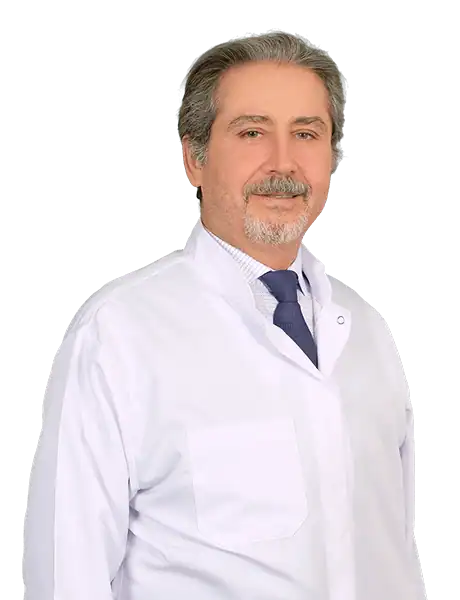


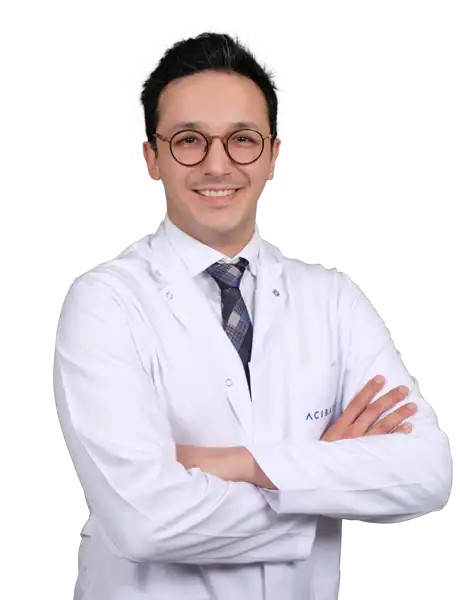
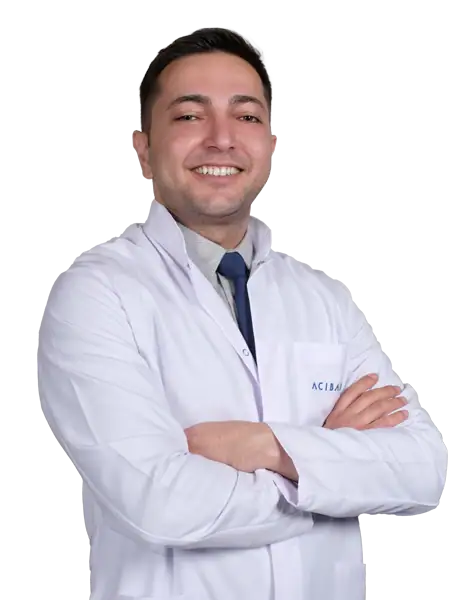
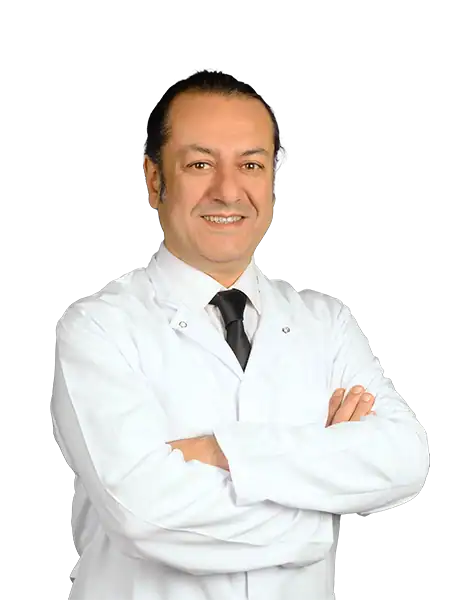


Available at these Hospitals














Patient stories from this unit
Comparison guides for this specialty
Speak with our medical team
Share your case and our international patient team will guide you to the right specialist, free of charge.