

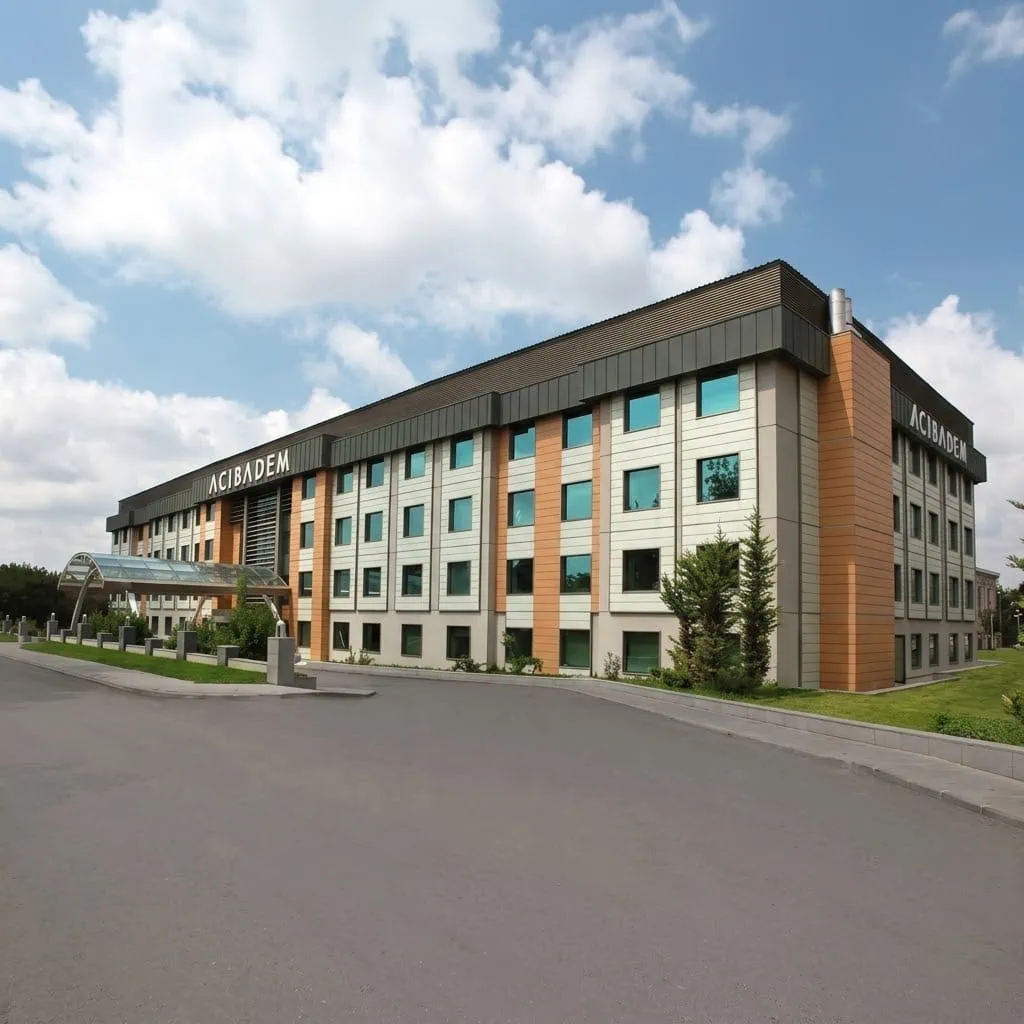
Acibadem Kayseri Hospital
Acibadem Kayseri Hospital provides multidisciplinary medical care, diagnostics, and inpatient services in Kayseri, Türkiye.
Get directions →
Acibadem Kayseri Hospital at a Glance
Acibadem Kayseri Hospital is the group's campus in Central Anatolia: a 22,000 m² hospital of 104 beds, 28 intensive-care beds and 6 operating theatres, built as two structures: a modern smart-building block and a restored historical building whose floors carry ophthalmology, medical oncology, dermatology, plastic surgery and nutrition clinics alongside a conference and exhibition hall. Serving Kayseri and the cities around it across all medical departments, the campus carries named weight in cancer-focused units,…
The Hospital in Numbers
Rooms & Suites
Choose a room type to see it, every room shares the same clinical infrastructure; suites add space and comfort for companions.
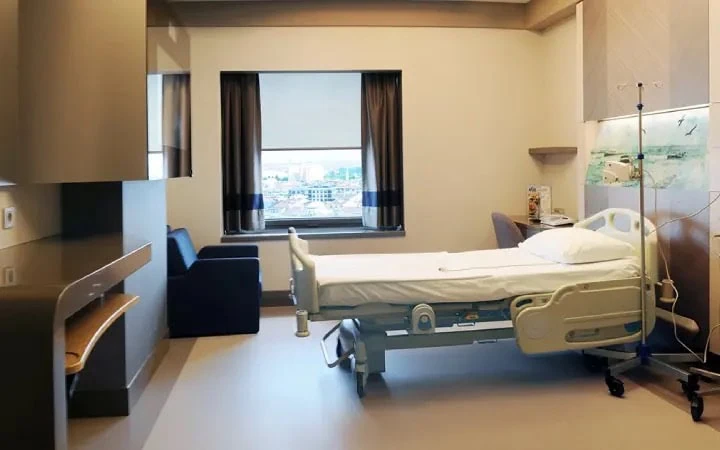 Standard Room
In-Room Features
- Electronic patient-controlled bed
- Spacious bathroom with seat
- Individually adjustable climate control
- Digital assistant service
- Integrated nurse call system
- Personal safe
- Minibar
- Sofa bed for companion
Accessible RoomIn-Room Features
- Electronic patient-controlled bed
- Spacious bathroom with seat
- Individually adjustable climate control
- Digital assistant service
- Integrated nurse call system
- Personal safe
- Minibar
- Sofa bed for companion
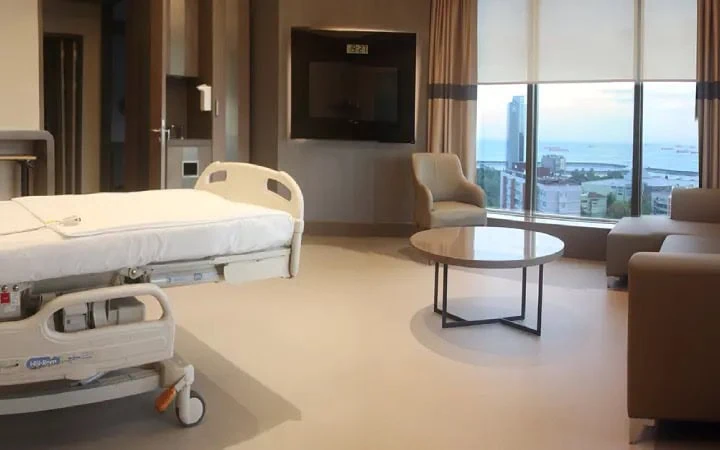 Suite
SuiteIn-Room Features
- Electronic patient-controlled bed
- Spacious bathroom with seat
- Individually adjustable climate control
- Digital assistant service
- Integrated nurse call system
- Personal safe
- Minibar
- Sofa bed for companion
- Companion dining and rest area
Facility Highlights
A restored historic hospital building and a smart main building; the historic wing also hosts conferences and exhibitions.
Cancer diagnosis and treatment units, medical oncology and a multidisciplinary approach.
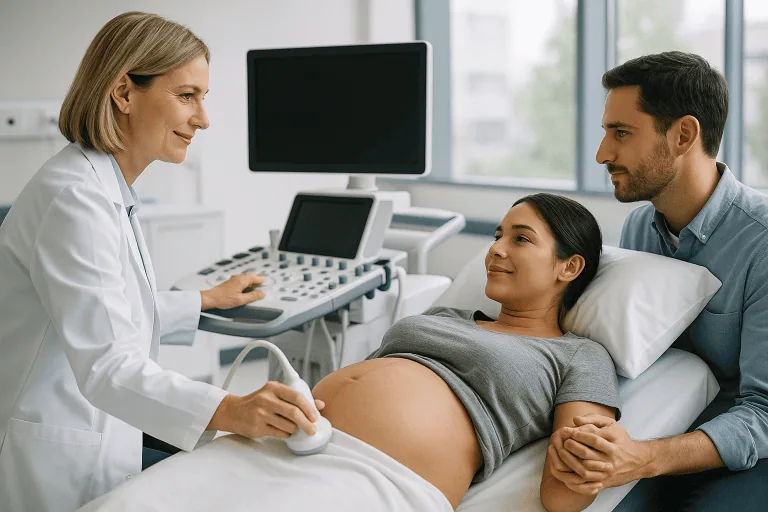
IVF centre, obstetrics with 1 labor room and 1 delivery room, breast health and menopause clinics.
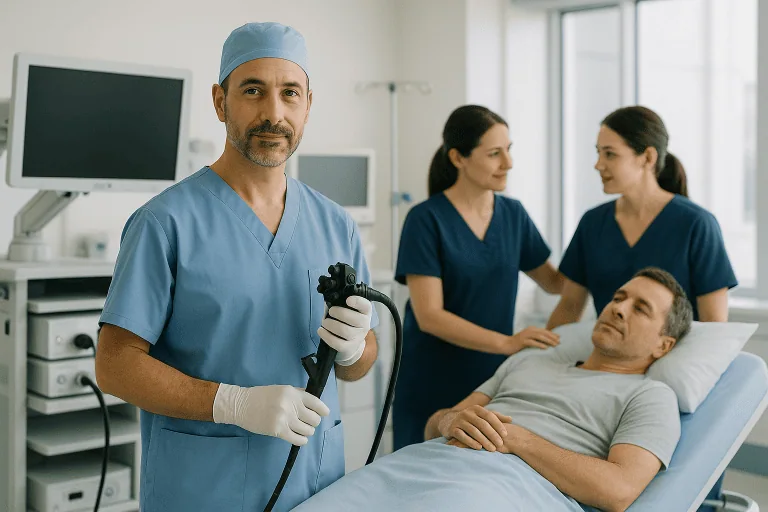
4-bed endoscopy unit with 2 procedure rooms.
Separate ambulance and walk-in entrances; decontamination area for chemical, nuclear and biological risks.
9 neonatal intensive care beds alongside the general intensive care unit.
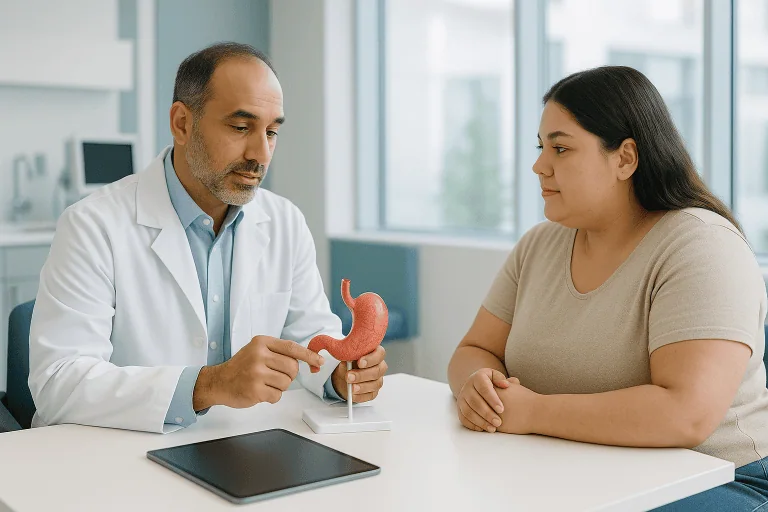
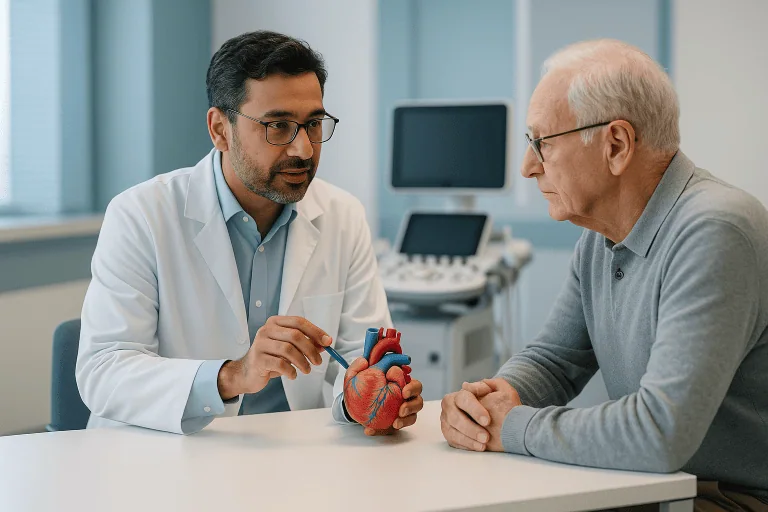
Heart health, obesity, sleep disorders, Crohn's and colitis, ophthalmology, dermatology and plastic surgery.
Opposite the Seyyid Burhanettin Tomb; reached from the airport, university, bus terminal, Boğazköprü and Sivas-Malatya roads.
Amenities & Visiting Guide
- Parking
- Cafeteria
- Prayer room
- Hairdresser
- ATM
Acibadem Kayseri Hospital, in depth
Acibadem Kayseri Hospital is the group’s campus in Central Anatolia: a 22,000 m² hospital of 104 beds, 28 intensive-care beds and 6 operating theatres, built as two structures: a modern smart-building block and a restored historical building whose floors carry ophthalmology, medical oncology, dermatology, plastic surgery and nutrition clinics alongside a conference and exhibition hall. Serving Kayseri and the cities around it across all medical departments, the campus carries named weight in cancer-focused units, an In Vitro Fertilisation Center, cardiology, obesity and breast health units and a sleep disorders clinic: the serious medicine of a regional capital, kept in the region.
What this building is organised around
Kayseri’s brief was the standard regional promise: Central Anatolia’s families should not have to travel for group-standard medicine, delivered with a local accent: the campus keeps a piece of the city’s architectural memory in service, its historical building working daily as clinic floors rather than standing as ornament. The clinical weighting matches what a regional capital consults: cancer units with tumour-board planning behind them, fertility treatment, heart diagnostics, the breast and obesity units of preventive-minded modern medicine, and a sleep clinic for the diagnostics of the night, with 28 intensive-care beds giving the serious floors their depth.
Quality and safety: the honest frame
The hospital runs on the Acıbadem group’s single quality system, surgical checklists, medication-safety routines, infection control and credentialing audited across the group, with diagnostics through the group’s ISO-accredited laboratory network. Five Acıbadem hospitals in Türkiye hold JCI accreditation (Maslak, Altunizade, Atakent, Kent and Adana); Kayseri runs on the same protocols those audits examine, and this page says that plainly rather than borrowing a badge. The smart-building infrastructure monitors the modern block continuously: the same engineering discipline the group builds everywhere.
The cancer-focused units
The campus’s medical units focusing on cancer bring the medical oncology unit’s tumour-board medicine to Central Anatolia, systemic treatment planned by panel and delivered locally, with breast health carrying the diagnostic pathway imaging-to-biopsy and honest triage of findings. The boundary is stated as everywhere: the rare plan needing a heavy installation, radiotherapy machines, radiosurgery, is routed within the group and told why, with the file travelling ahead. For the region’s common cancer medicine, the pathway from suspicion to systemic treatment runs at home.
Fertility, hearts and the preventive units
The In Vitro Fertilisation Center anchors the fertility pathway in the region: the unit guide’s honest success framing applying in full, with gynaecology and obstetrics behind it. Cardiology carries the region’s heart diagnostics, the obesity unit works with the honest framing the bariatric guide insists on (the group’s metabolic surgery centres live at Ataşehir and Altunizade, and routing is stated), and the sleep disorders clinic answers the night’s questions, apnoea above all, with monitored studies.
The historical building, specialist clinics with a memory
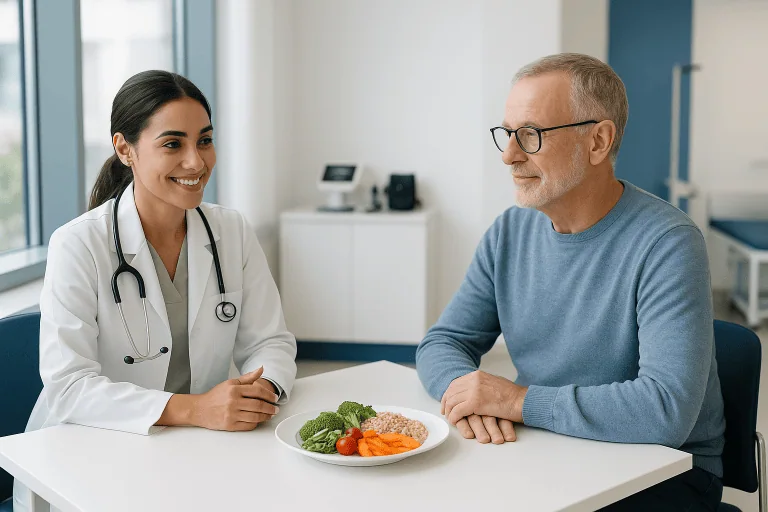
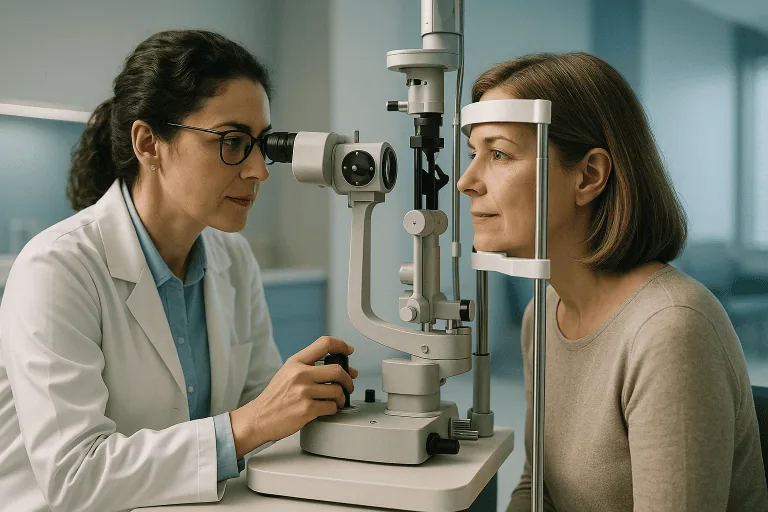
The campus’s second structure is its signature: a historical building restored into working clinic floors for ophthalmology, medical oncology, dermatology and dermocosmetic practice, plastic, aesthetic and reconstructive surgery and nutrition and dieteticsplus a conference and exhibition hall that keeps the building in the city’s civic life. Medicine in a building with a past is not a gimmick here; it is the campus telling its city that the hospital belongs to it.
Everyday specialist medicine for Central Anatolia
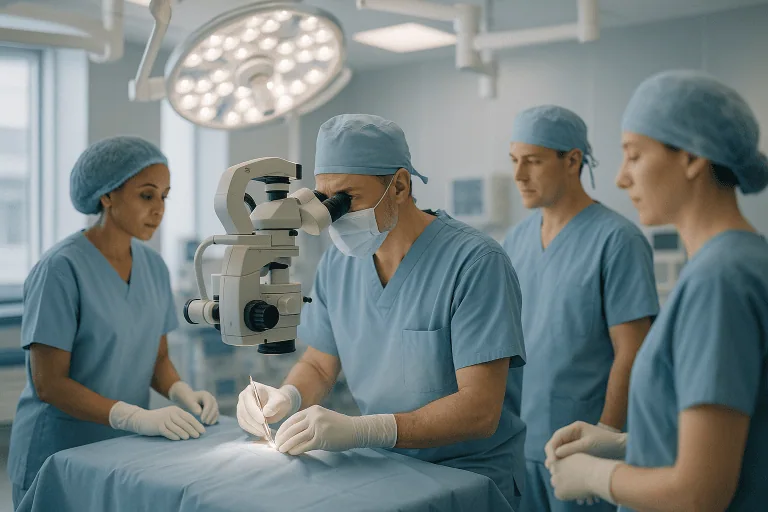
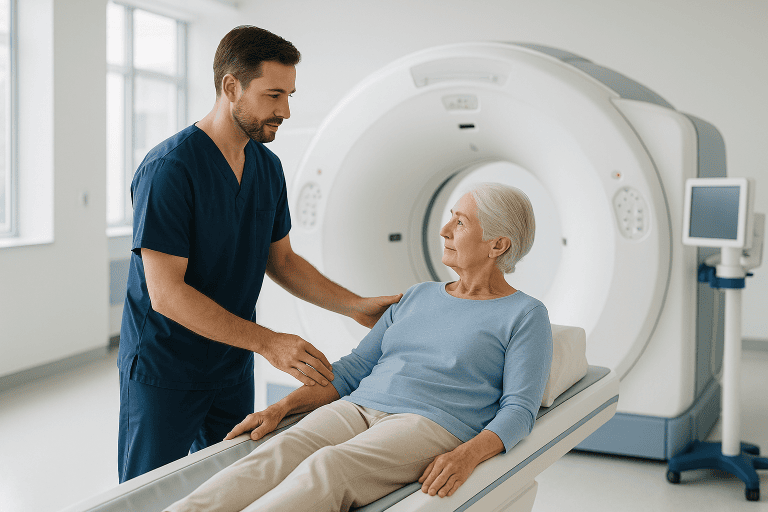
Around the named units, the hospital renders diagnosis and treatment across all medical departments, internal medicine, general surgery, orthopaedics, paediatrics, urology, ENT, neurology, with same-visit diagnostics through the group’s laboratories and imaging floors, and the referral honesty running both ways: the rare flagship-only case travels with its file; the common case is treated where the patient lives.
Technology, honestly framed
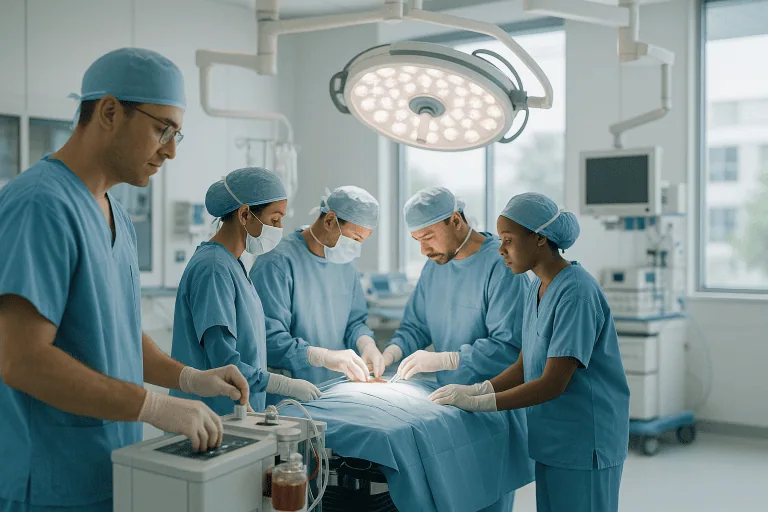
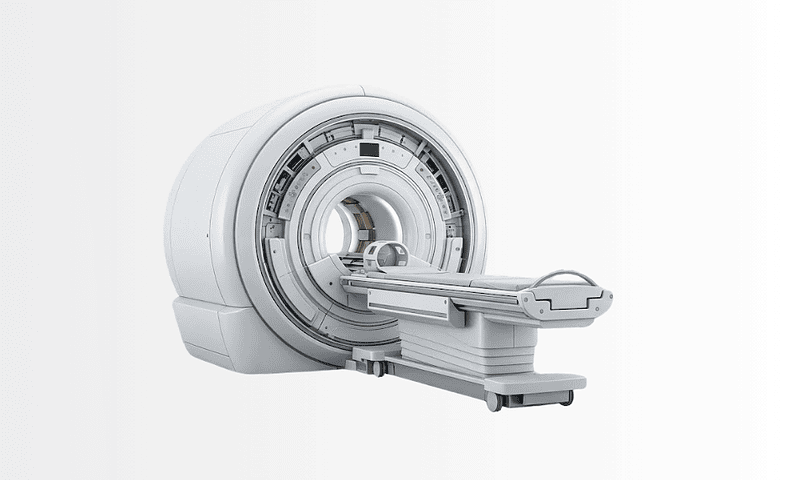
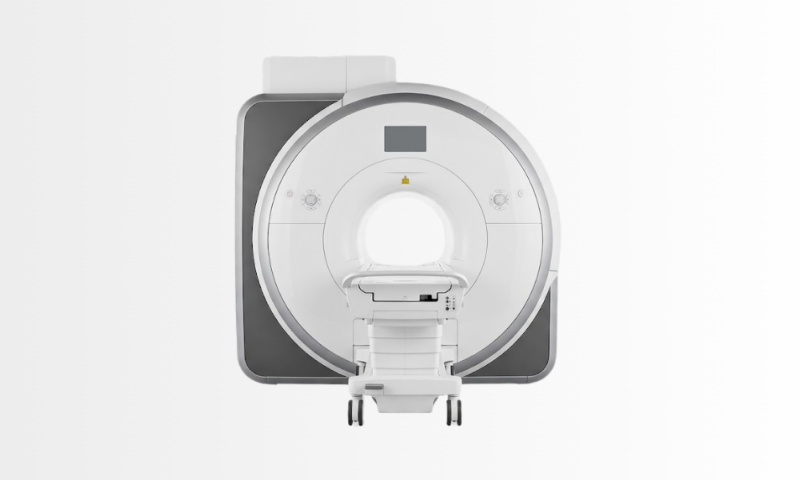
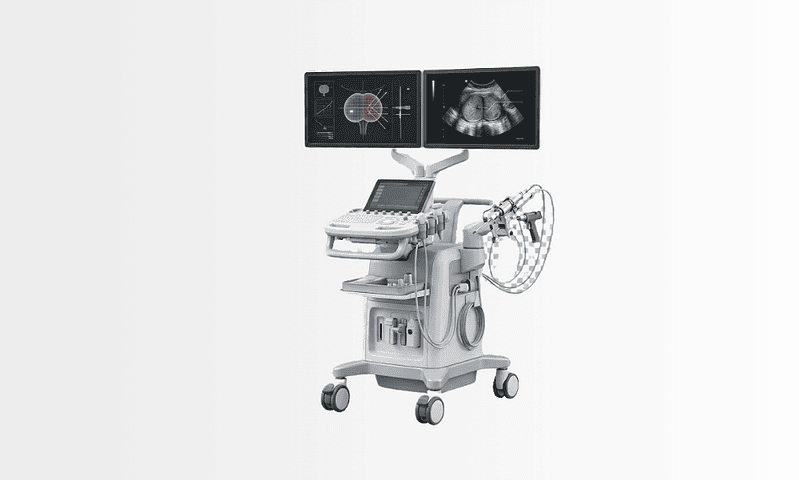
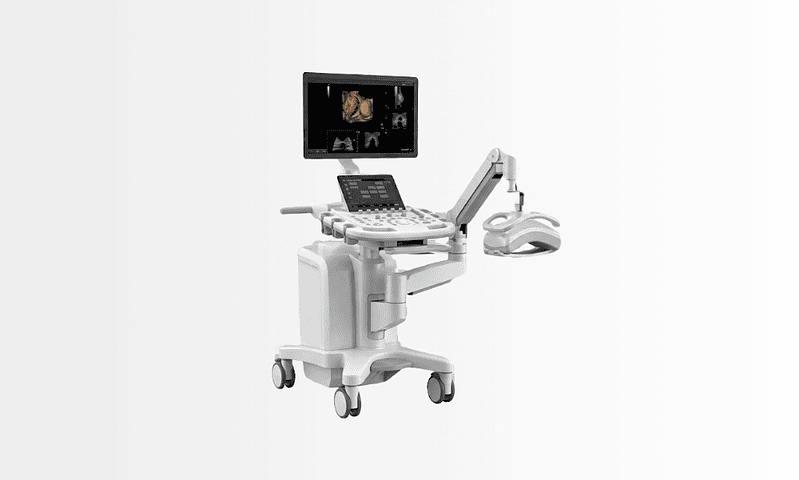
The installation matches the role: six theatres, 28 intensive-care beds, modern imaging, smart-building monitoring and the group’s laboratory network, with the standing honesty about everything else: when a plan genuinely needs a machine this campus does not house (MR-Linac at Maslak, Gamma Knife and Tomotherapy at Altunizade, flagship transplant and congenital-heart floors), the coordinators route you there and say why.
International patients in Central Anatolia
The group’s records-first process applies exactly as at the flagships: reports and imaging reviewed before travel, a written plan and cost estimate, interpreter support (English routinely, other languages arranged), and discharge notes written for the doctor continuing care at home. Kayseri’s honest international profile is the regional capital’s own: the diaspora returning for planned care, fertility treatment, a cancer course near family, a proper check-up, and Cappadocia’s visitors nearby when a journey meets an emergency.
Getting here
The hospital serves Kayseri and the surrounding cities, with the full address, map link and phone in the identity card at the top of this page. Kayseri’s airport connects the city domestically and seasonally beyond, the region’s roads converge on the city, and the coordinators arrange transfers for planned visits as standard.
How to decide whether Kayseri is your hospital
Choose Kayseri when Central Anatolia is yours and the medicine is here, which for the region’s common serious cases it is: cancer treatment through the tumour board, fertility care, heart diagnostics, breast and obesity medicine, sleep studies, eye and skin and reconstructive surgery, and the everyday whole of specialist care. Choose a flagship when your case needs an installation that genuinely lives only there, and expect that sentence early, file included. A regional hospital honest about that boundary is what makes its local completeness believable.
Frequently asked questions
How big is Acibadem Kayseri Hospital?
22,000 m² with 104 beds, 28 intensive-care beds and 6 operating theatres, across a modern smart building and a restored historical building.
What is the historical building used for?
Working clinic floors, ophthalmology, medical oncology, dermatology, plastic surgery and nutrition, plus a conference and exhibition hall that keeps it in the city’s civic life.
What is the hospital best known for?
Cancer-focused units with tumour-board planning, an IVF centre, cardiology, obesity and breast health units and a sleep disorders clinic: a regional capital’s serious medicine, kept local.
Is the hospital JCI-accredited?
Honestly: the JCI-accredited Acıbadem hospitals in Türkiye are Maslak, Altunizade, Atakent, Kent and Adana; Kayseri runs on the same group-wide audited protocols with ISO-accredited laboratories behind its diagnostics.
Is there a 24-hour emergency service?
Yes, around the clock at group standard, with theatres and intensive care in the same building.
Can cancer be treated in Kayseri?
The common pathway, diagnosis, surgery, systemic treatment planned by tumour board, runs locally through the cancer-focused units; the rare plan needing a heavy installation is routed within the group and told why.
Is IVF available in Kayseri?
Yes: the campus houses an In Vitro Fertilisation Center, with the fertility unit guide’s honest success framing applying in full.
Is there a breast health unit?
Yes, imaging, biopsy and honest triage of findings, with tumour-board planning behind any diagnosis that needs it.
What does the sleep disorders clinic do?
Monitored sleep studies for the night’s diagnoses, apnoea above all, with the treatment pathway carried onward by the relevant units.
Is obesity treated at this campus?
The obesity unit manages medical weight treatment honestly; metabolic surgery itself is centred at Ataşehir and Altunizade, and the routing is stated openly rather than discovered late.
Is eye surgery available?
Yes, ophthalmology runs in the historical building’s clinic floors, with the unit guide covering the common surgical range honestly.
Is plastic and reconstructive surgery performed here?
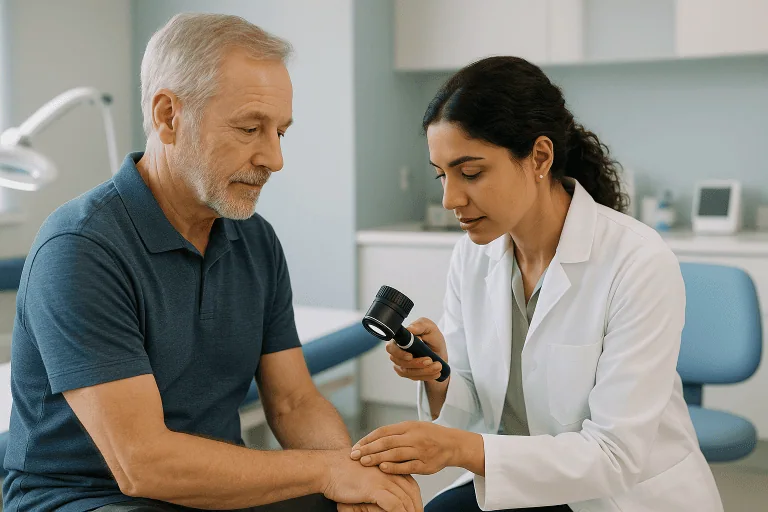
Yes, plastic, aesthetic and reconstructive surgery is among the campus’s named units, alongside dermatology and its dermocosmetic practice.
Which regions does the hospital serve?
Kayseri and the surrounding cities of Central Anatolia, with Cappadocia’s visitors nearby when travel meets an emergency.
Do international patients use this hospital?
Yes, most often the region’s diaspora returning for planned care, through the group’s records-first process: remote review, a written plan and estimate, interpreter support, and a written handover home.
Which languages are supported?
English routinely, with other languages arranged through the international office.
How does the records-first process work?
Reports and imaging reviewed remotely, a written plan and cost estimate, and scheduling coordinated so the visit is as short as the medicine allows.
Which insurances does the hospital accept?
Many private insurers, and Turkish social security in defined scopes; confirm your coverage in writing before planned care.
How does payment work?
A written estimate precedes planned care; for emergencies, treatment comes first and paperwork is sorted with you or your insurer after stabilisation.
Can my companion stay with me?
Yes, rooms accommodate companions, and intensive care has its own explained visiting protocol.
Which airport serves the hospital?
Kayseri’s airport, connected domestically year-round; transfers for planned visits are arranged by the coordinators as standard.
Can I get laboratory tests and imaging done quickly?
Yes, same-visit diagnostics through the group’s ISO-accredited laboratory network and on-site imaging, readable at every Acıbadem campus.
Do you repeat tests I already had?
Only for a stated reason, existing studies are integrated wherever usable, exactly as across the group.
Can I get a second opinion here?
Yes, including written records-based opinions without a visit; where the question belongs to a flagship subspecialist, the coordinators place it there and say so.
Are births attended at this hospital?
Gynaecology and obstetrics serve the region’s families across all departments’ support, with the coordinators confirming current arrangements for each pregnancy honestly.
Can children be seen here?
Yes, paediatric clinics for the region’s families and children’s emergencies at any hour, with complex paediatric programmes routed within the group honestly.
What happens if my case needs a machine Kayseri does not house?
The coordinators route you within the group: MR-Linac at Maslak, Gamma Knife and Tomotherapy at Altunizade, flagship transplant and congenital-heart floors, with transport coordinated and the reason stated.
Will my doctor at home receive a handover?
Always, discharge notes and planned-care summaries are written for the clinician continuing your care, with imaging and laboratory data included.
What should I bring to a planned visit?
Reports and scans in any language, a complete medication list including supplements, and your written questions: the records-first rule.
How fast is scheduling for planned care?
Coordinator-managed and quick; the honest variable is whether your records arrive before you do.
Why choose Acibadem Kayseri over travelling west?
Because the region’s serious medicine, tumour-board cancer care, IVF, heart diagnostics, breast health, sleep studies, is already here at group standard, in a campus that kept the city’s memory in service; the rare case needing Istanbul’s installations is named early and routed with its file.
Medical Units at This Hospital
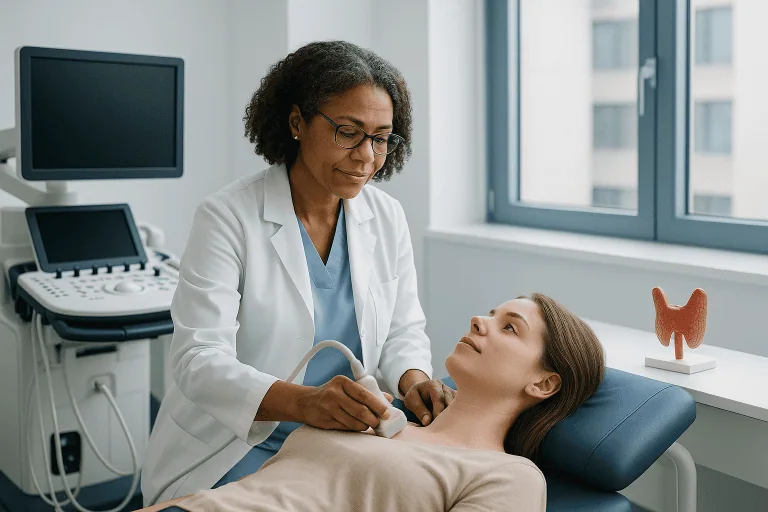
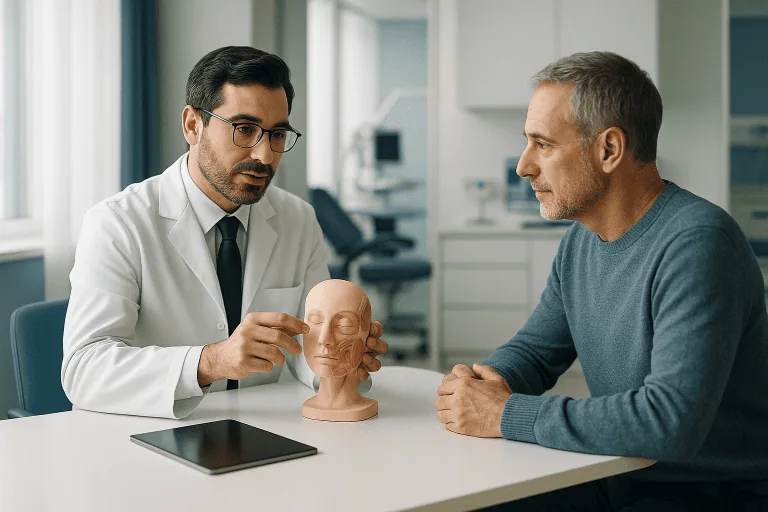
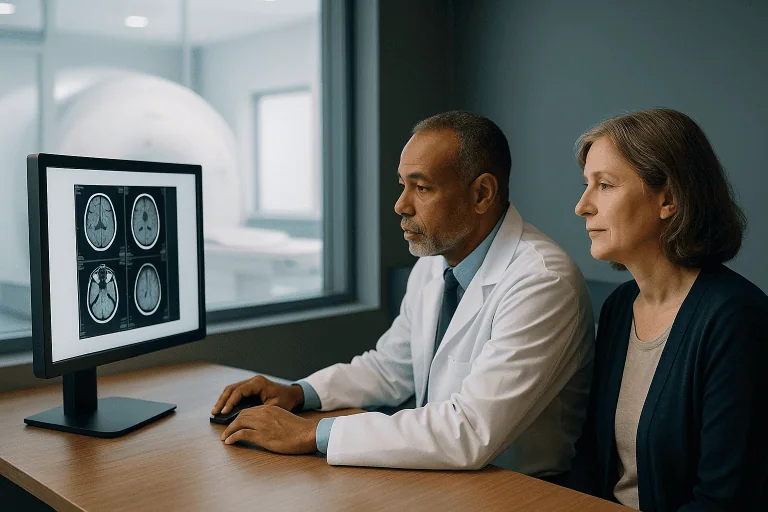
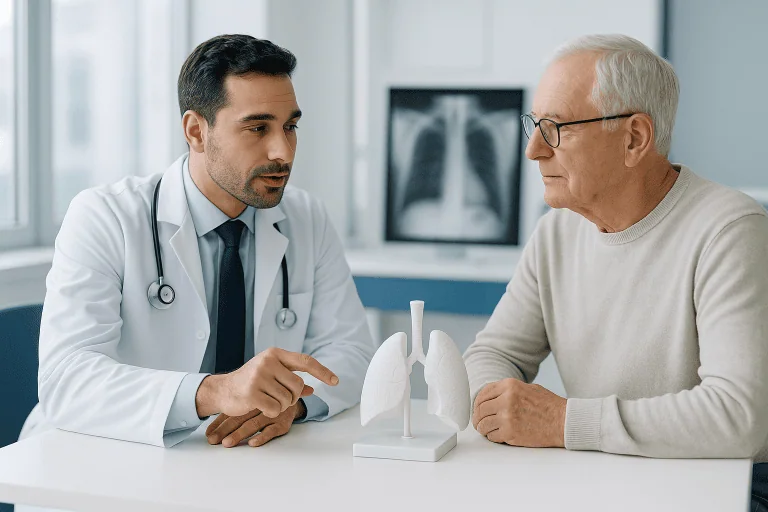
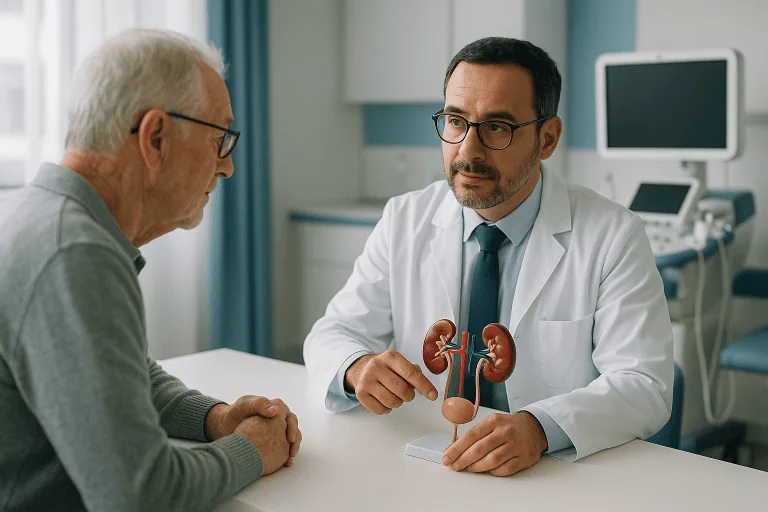
Every department that sees patients here, each one opens its own page with the team, technologies and treatments.

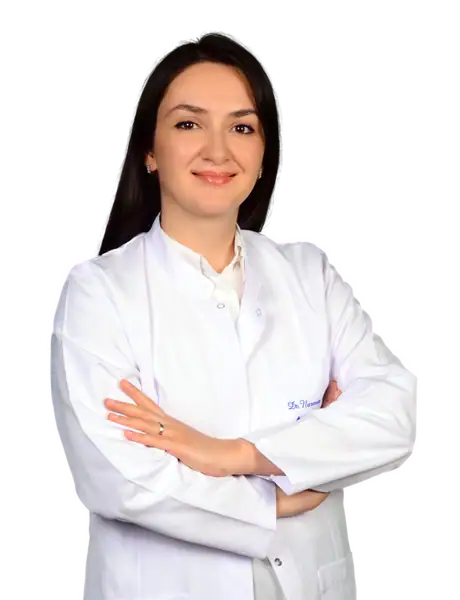
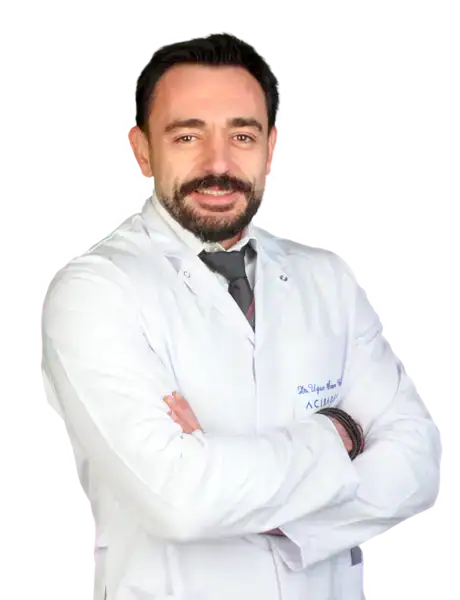
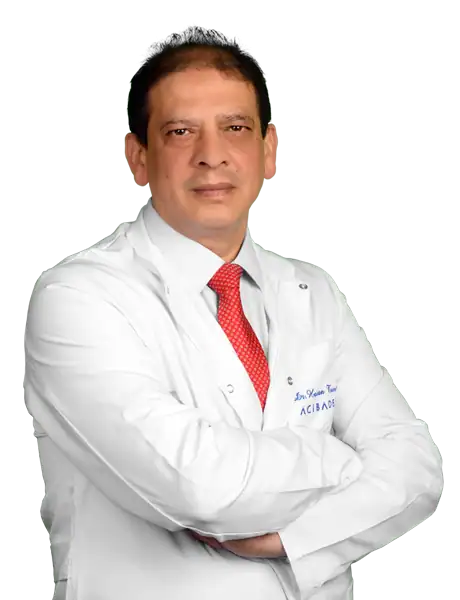
Doctors at This Hospital, Field by Field
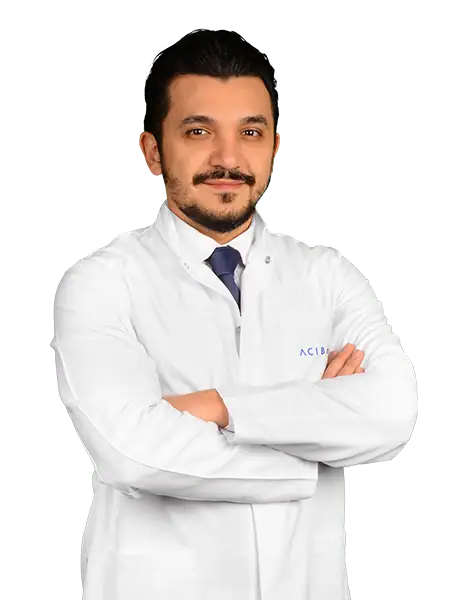
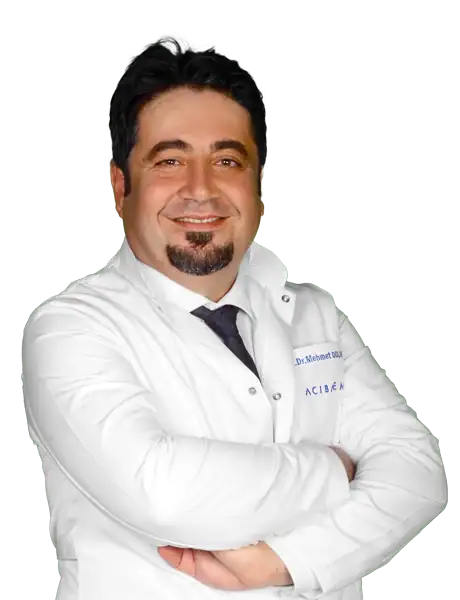
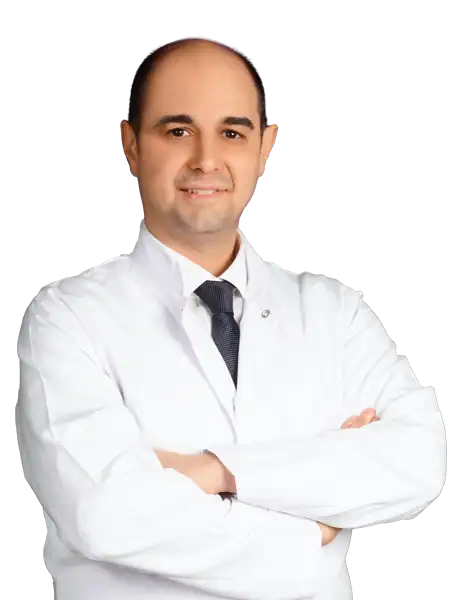
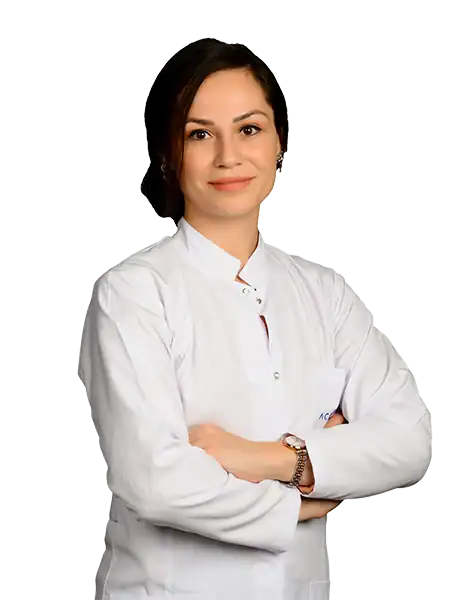
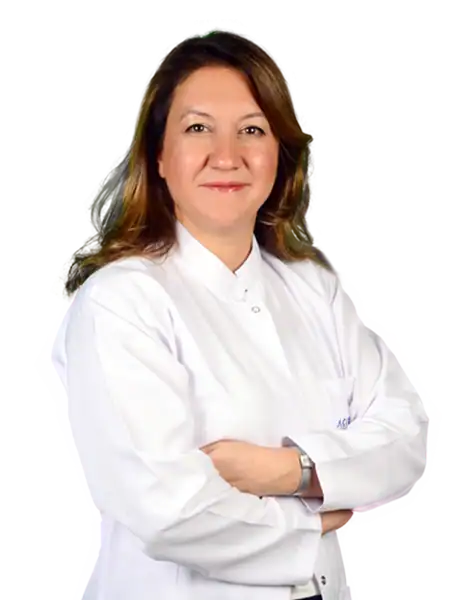
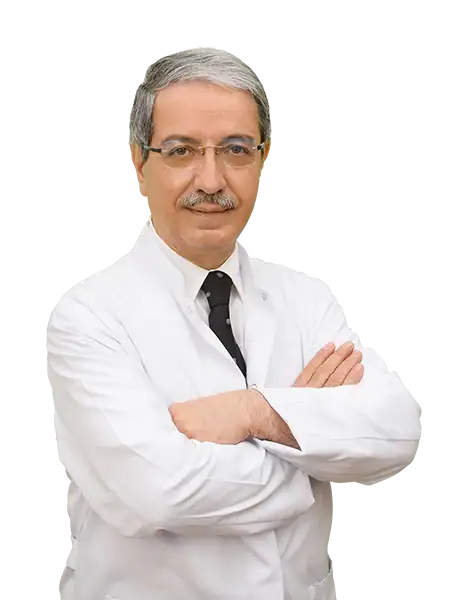
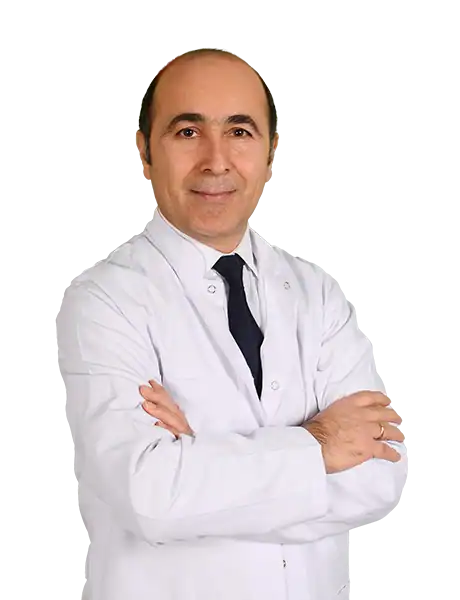
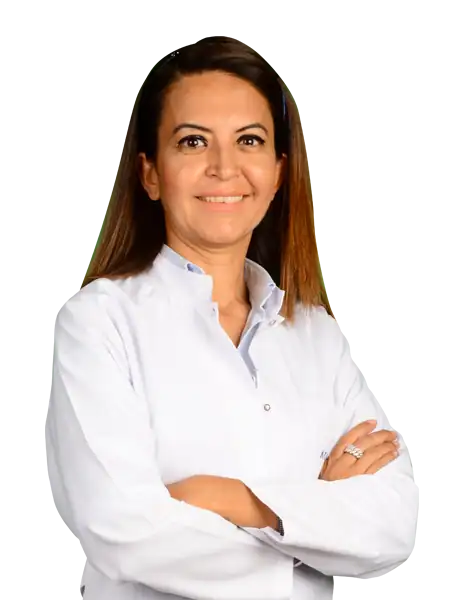
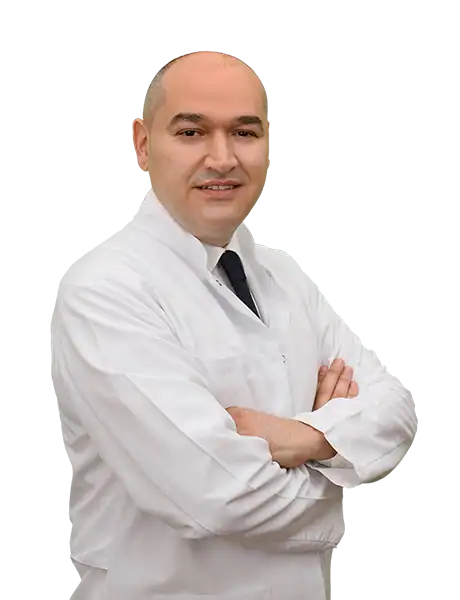
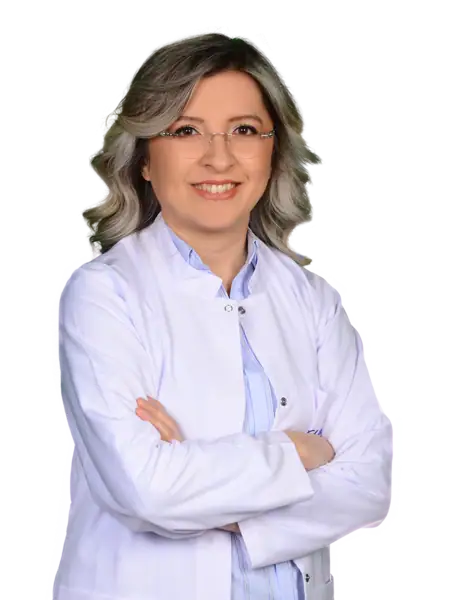
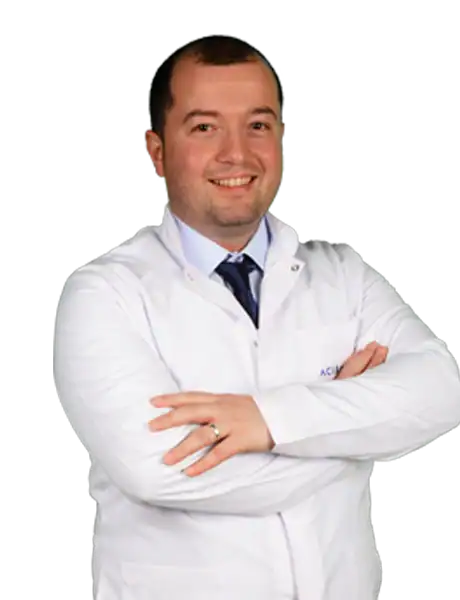
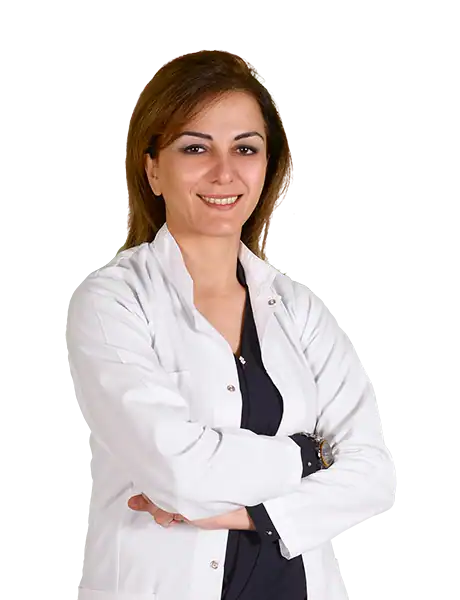
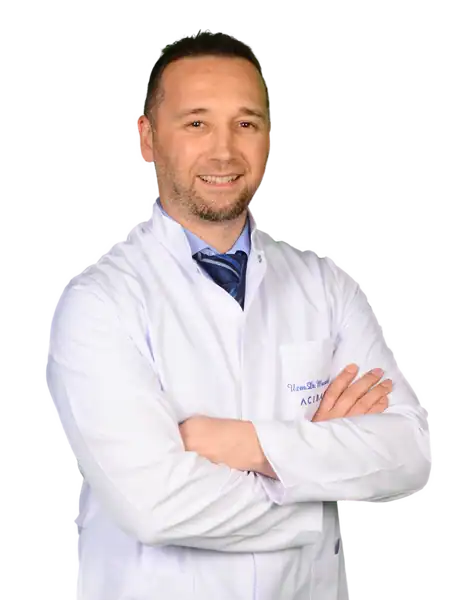
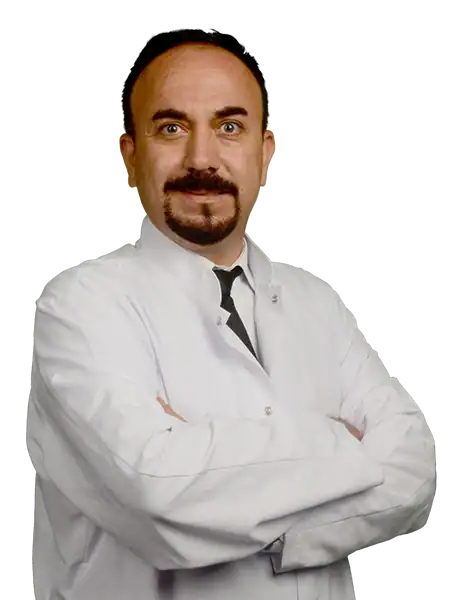
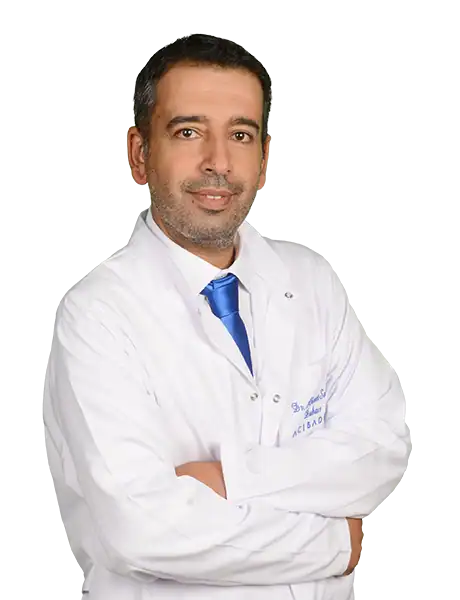
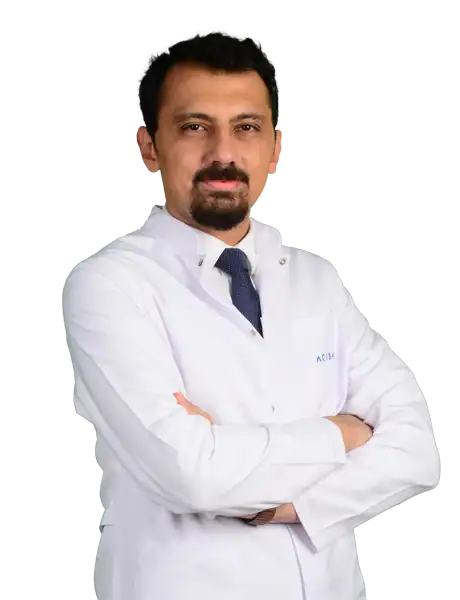
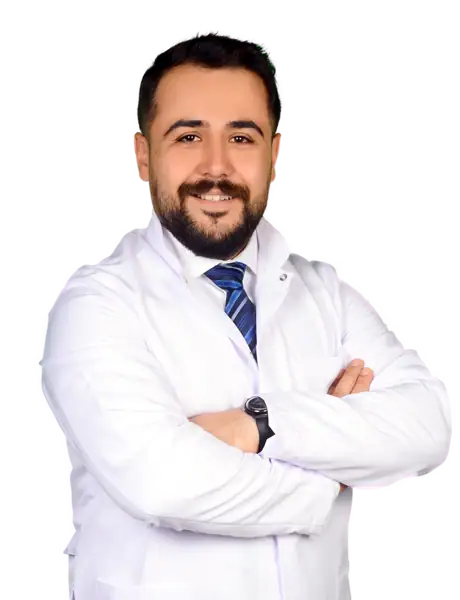
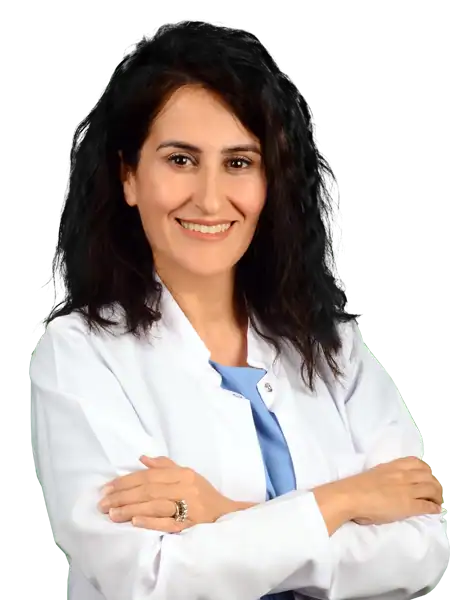
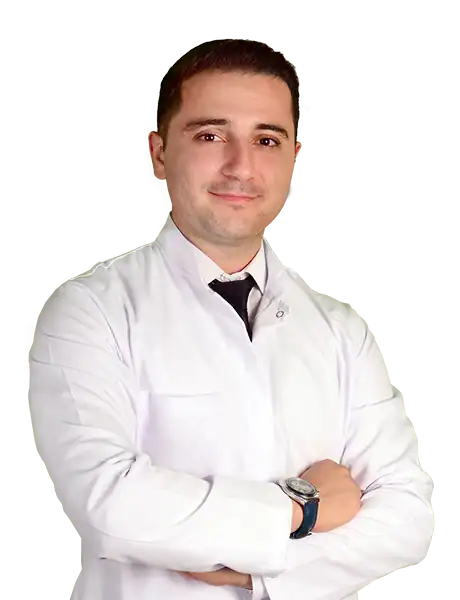
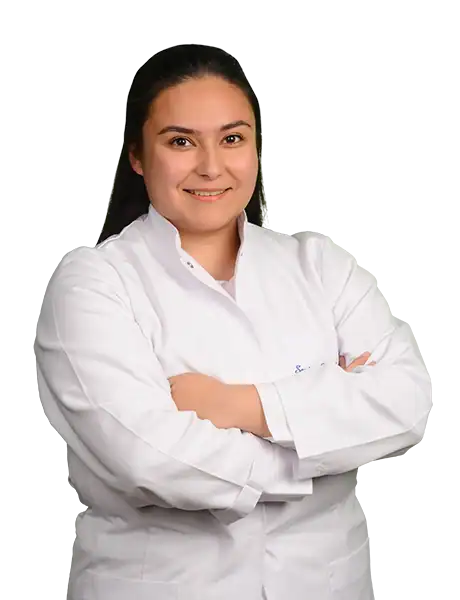
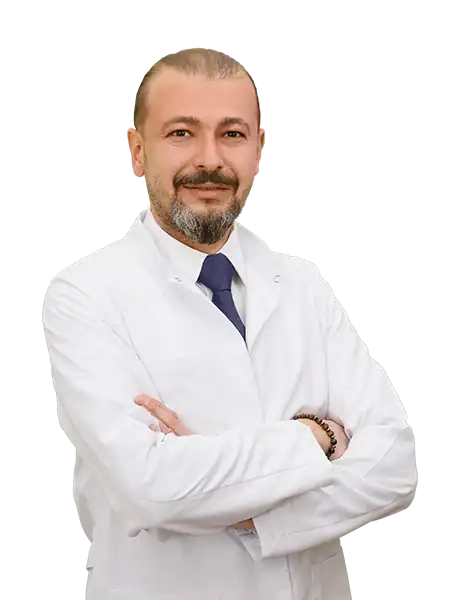
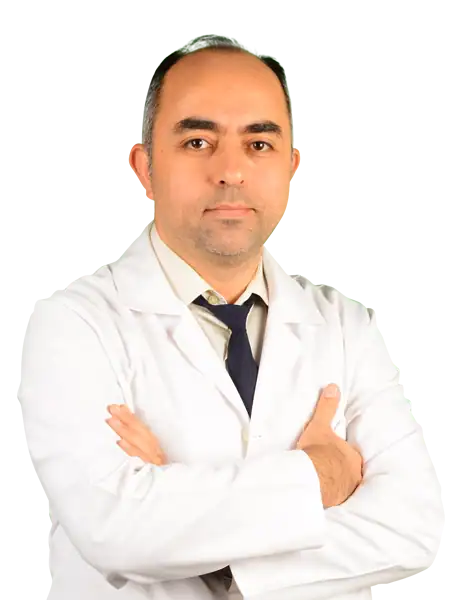
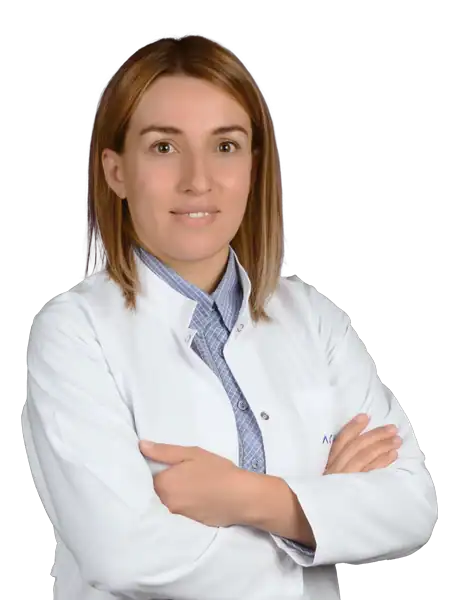
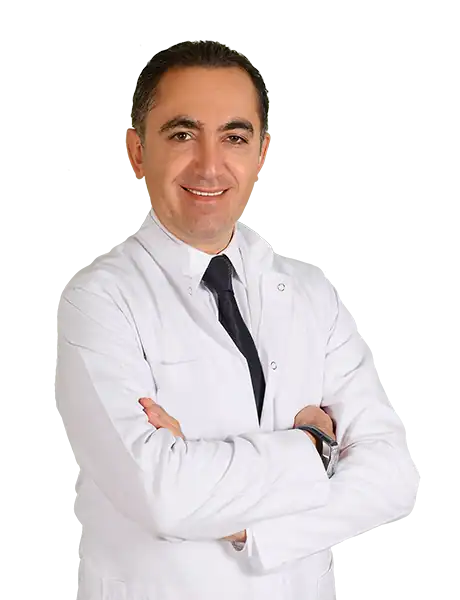
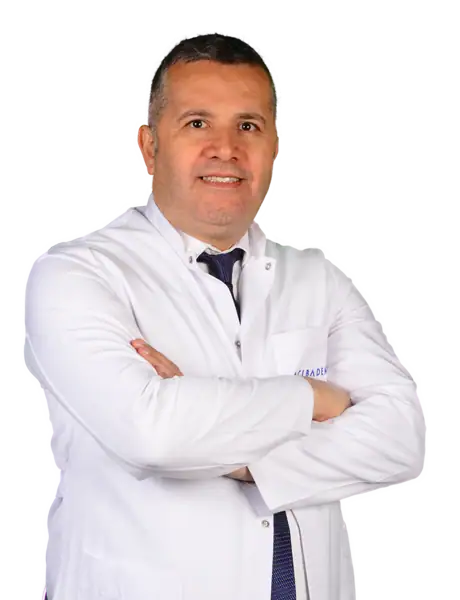
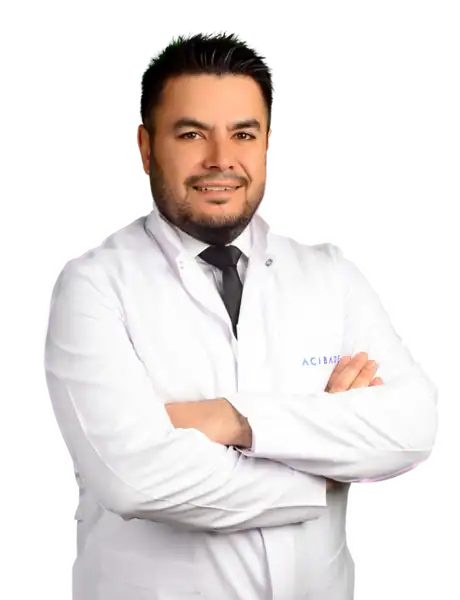
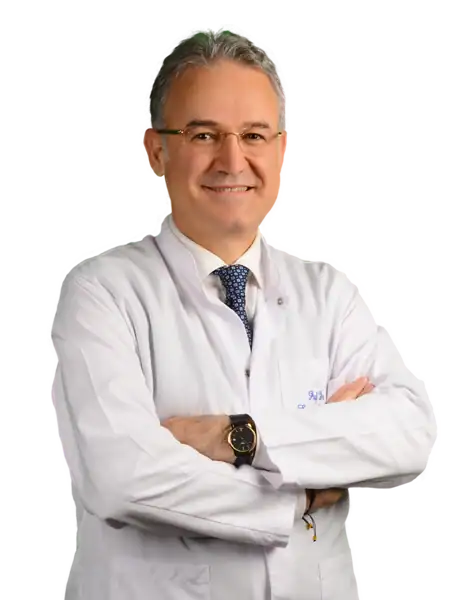
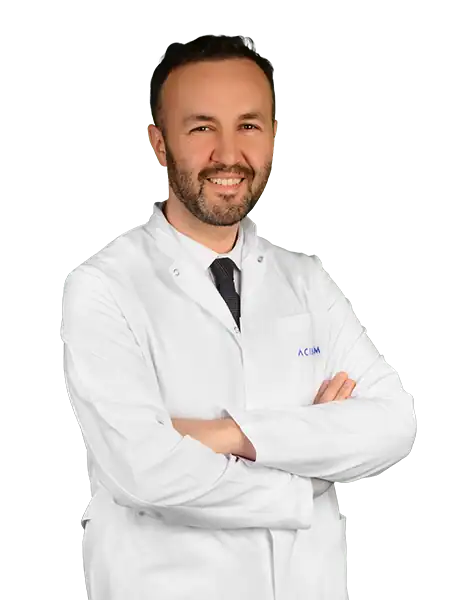
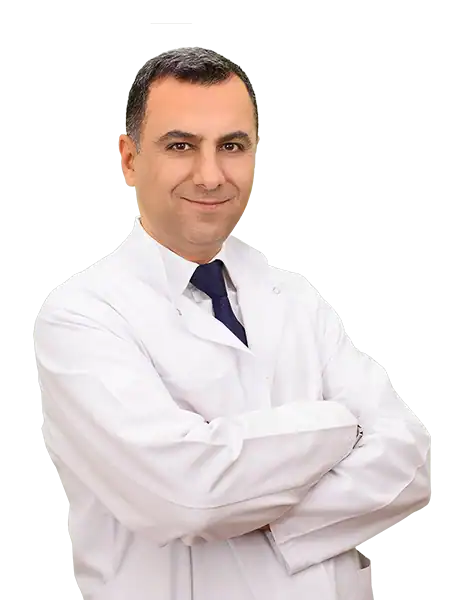
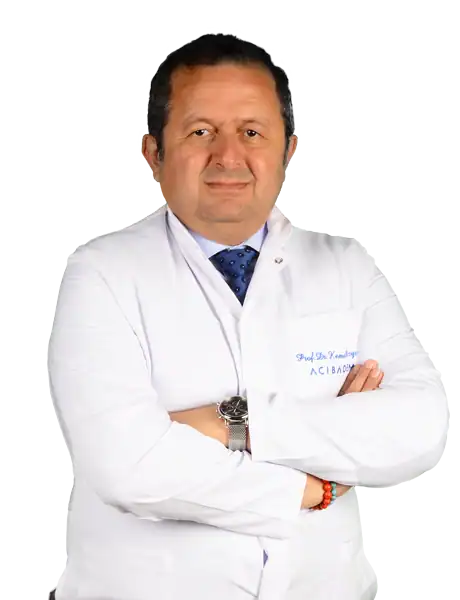
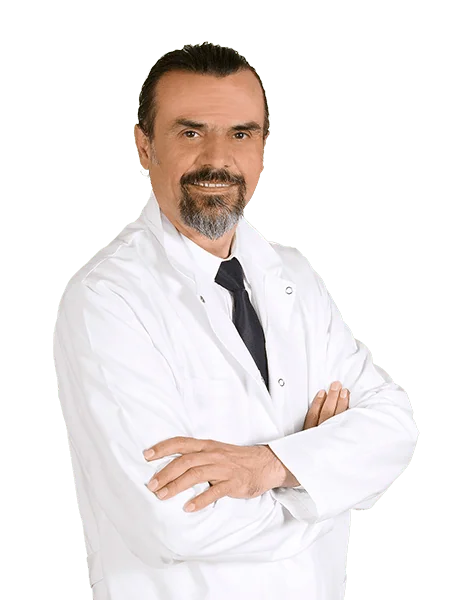
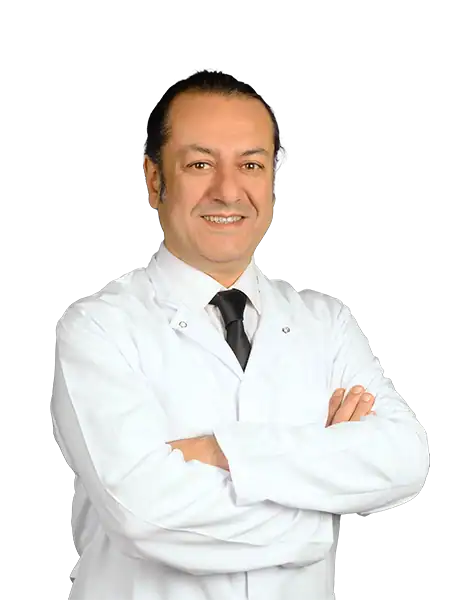
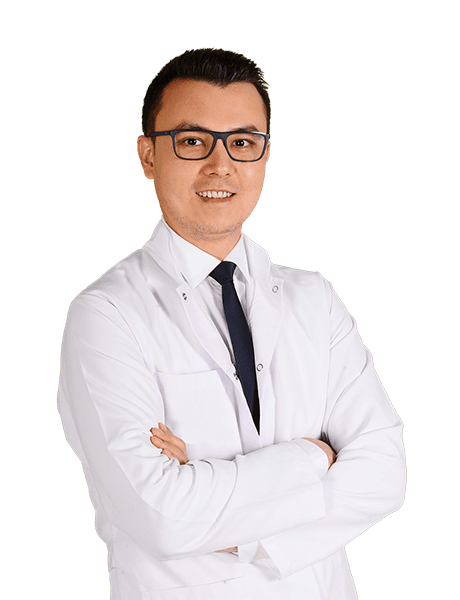
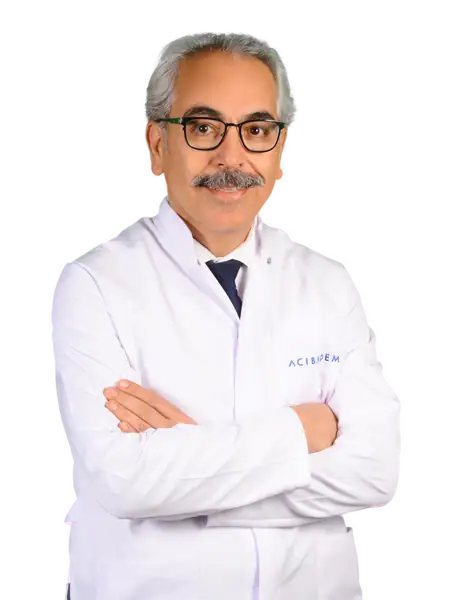
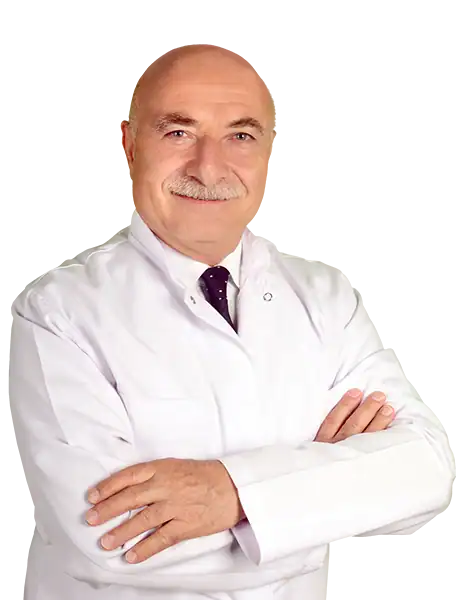
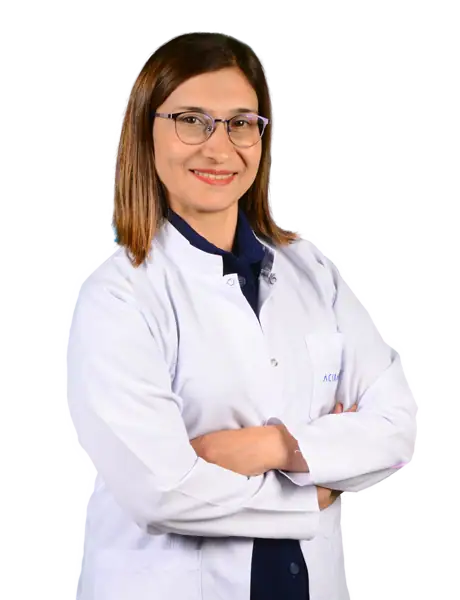
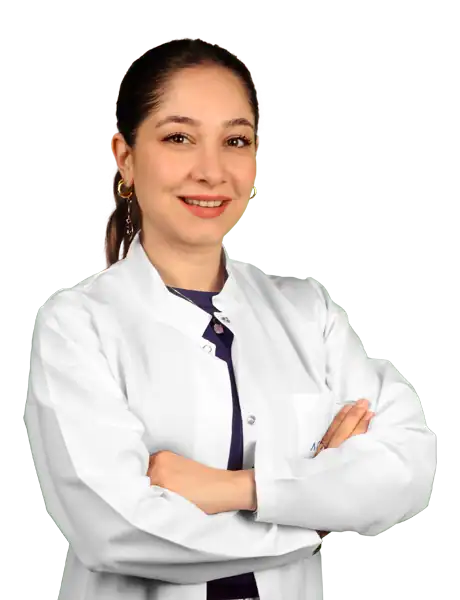
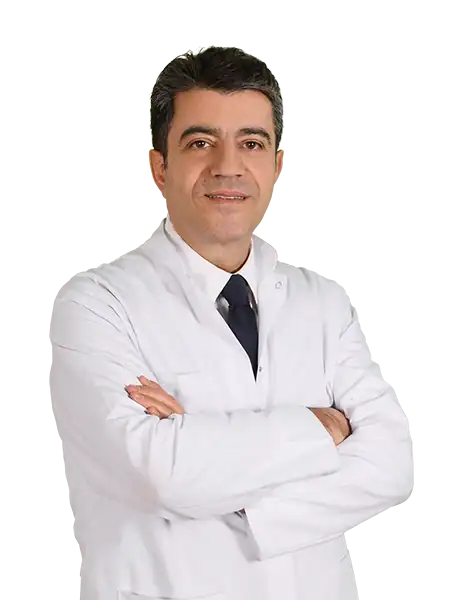
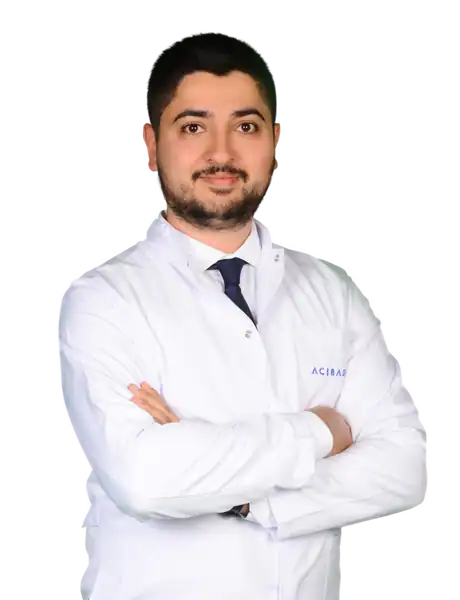
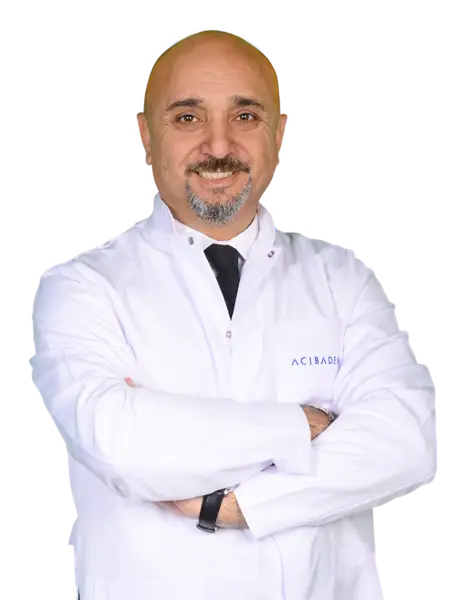
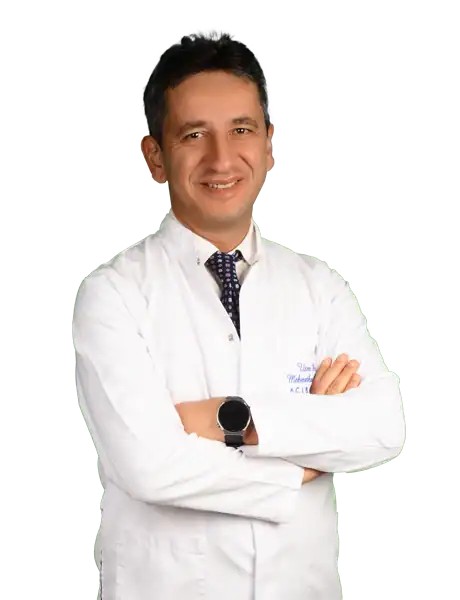
Choose a field to see every specialist who practises here in that department. All 99 doctors are listed.


























Medical Technologies at This Hospital
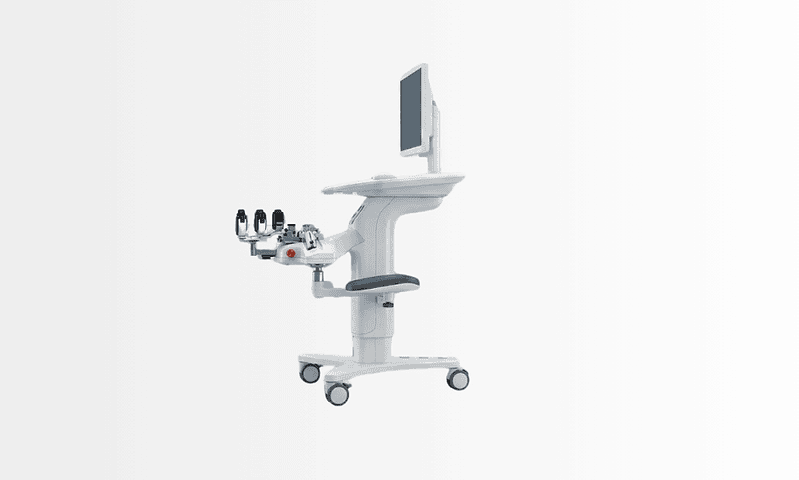
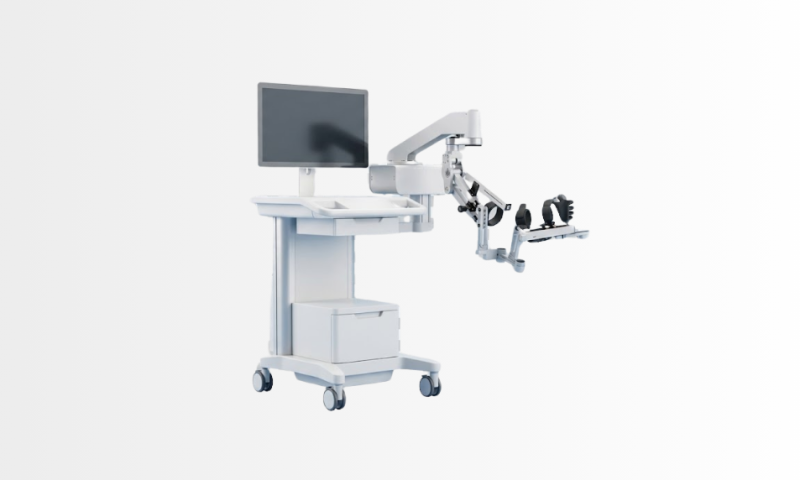
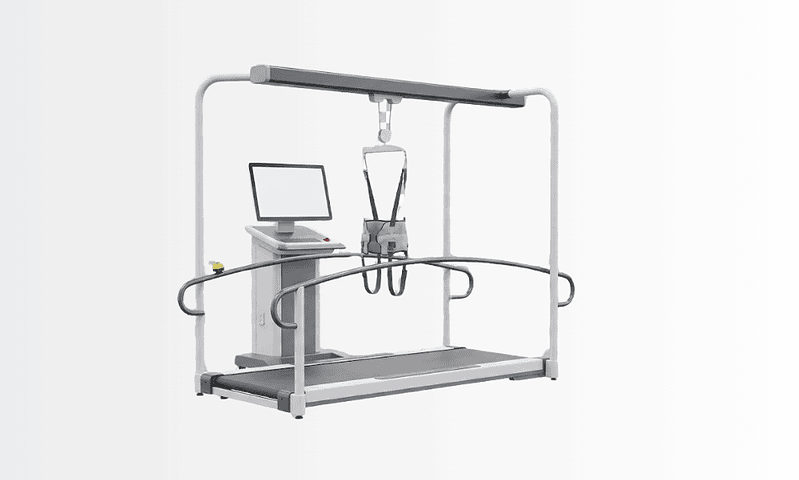
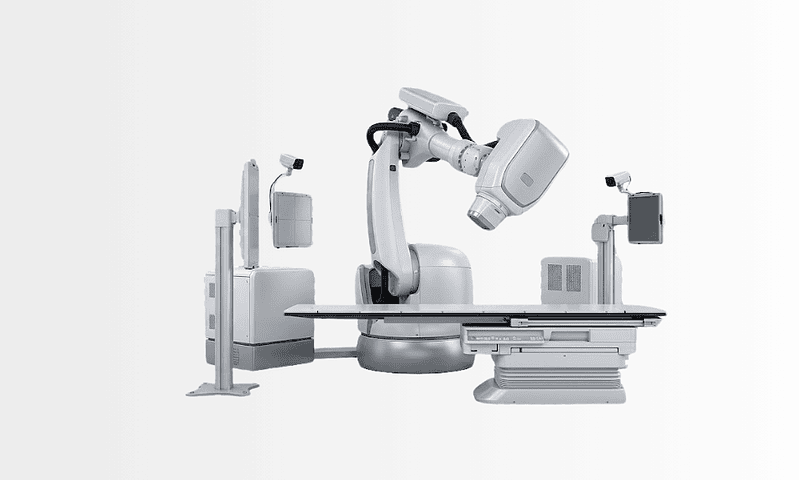
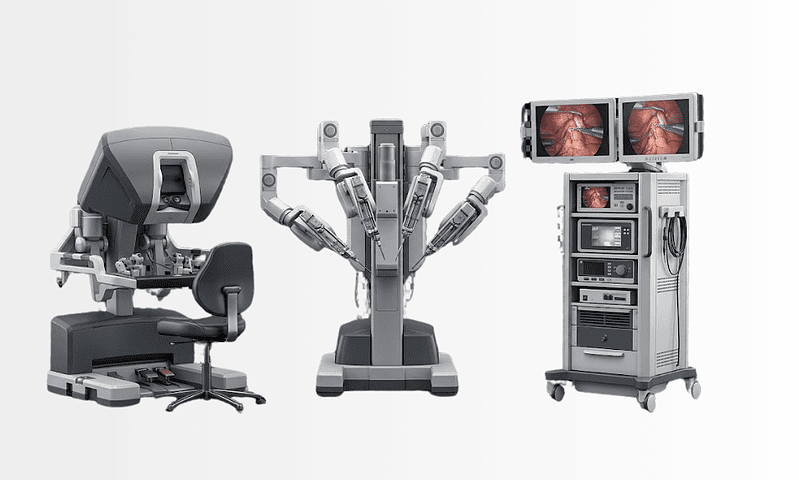
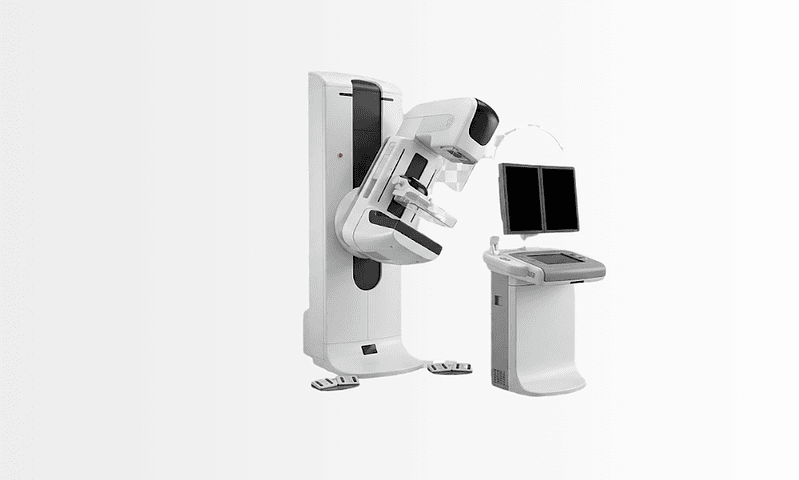
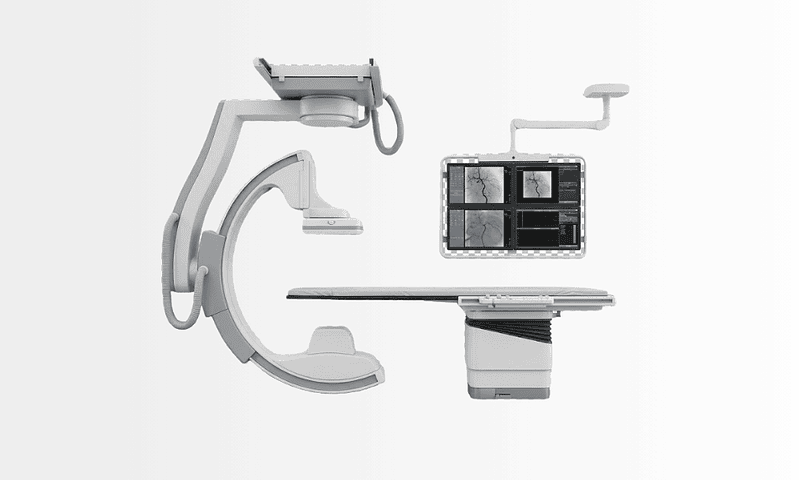
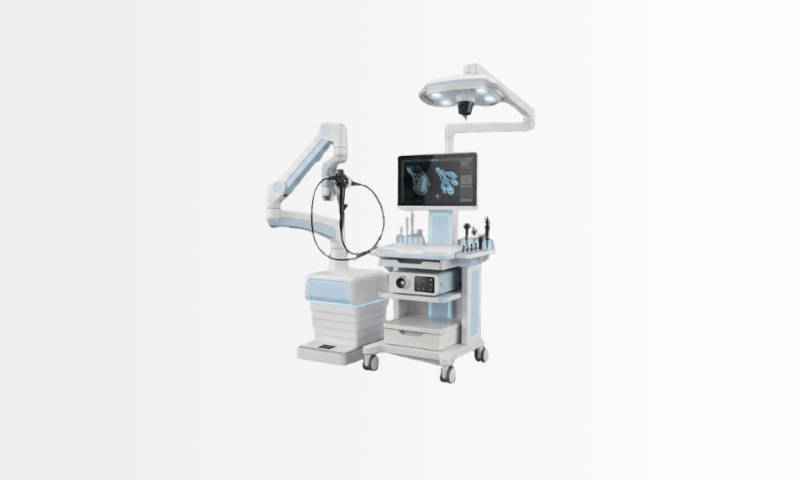
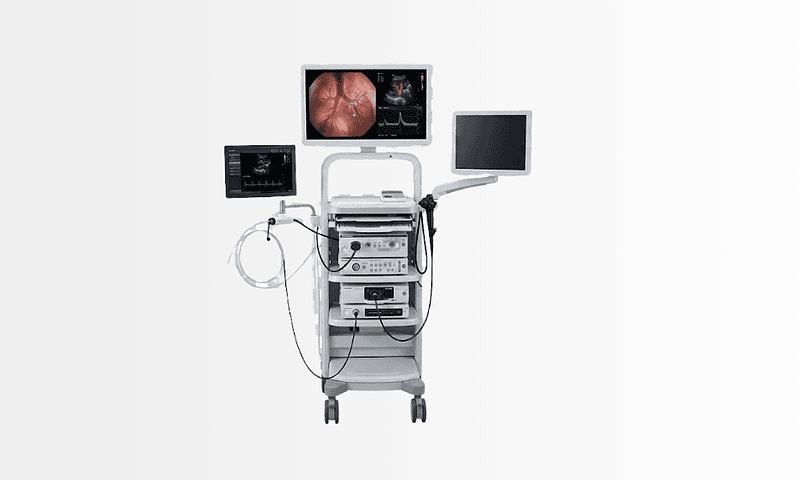
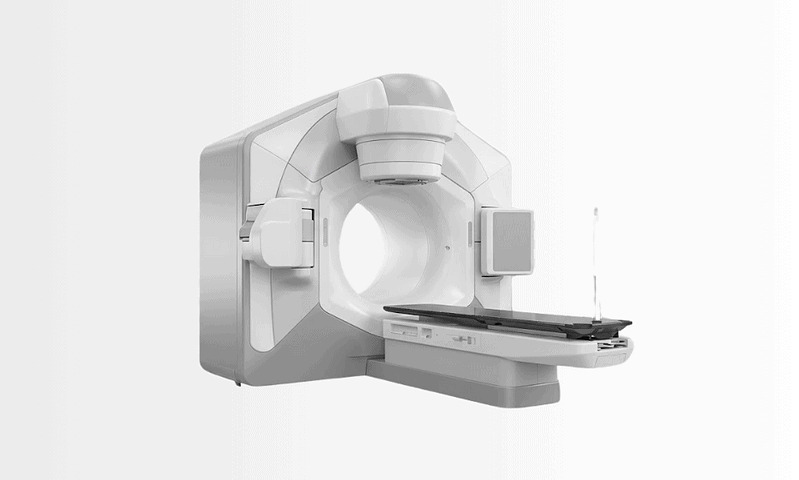
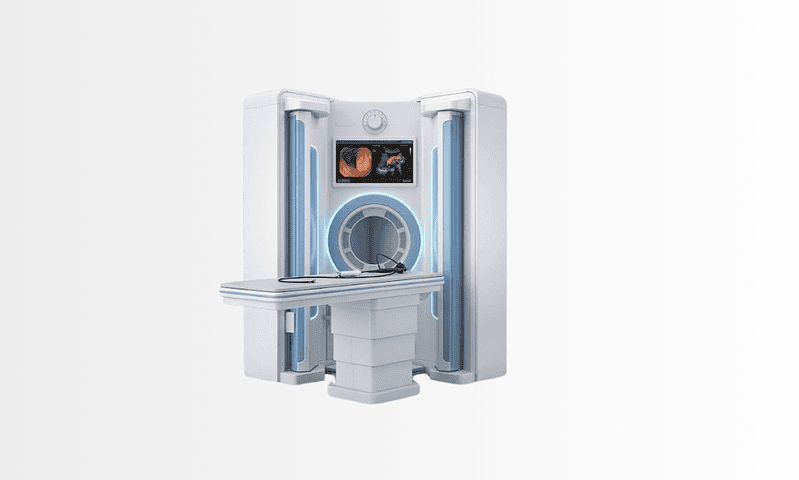
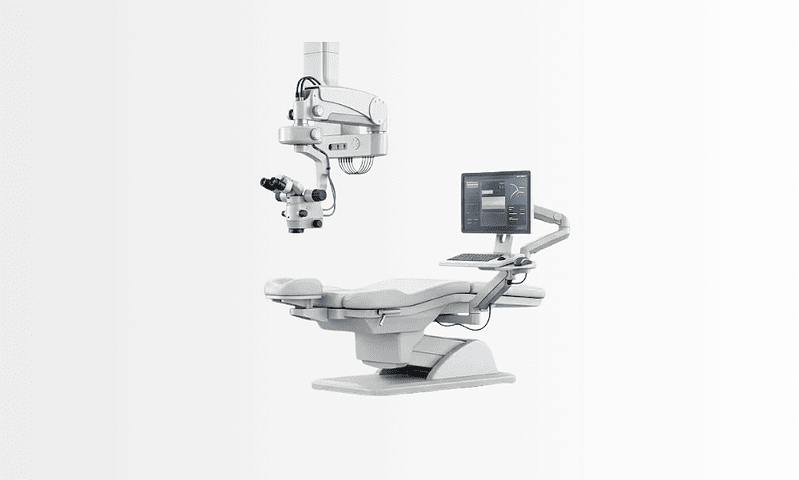
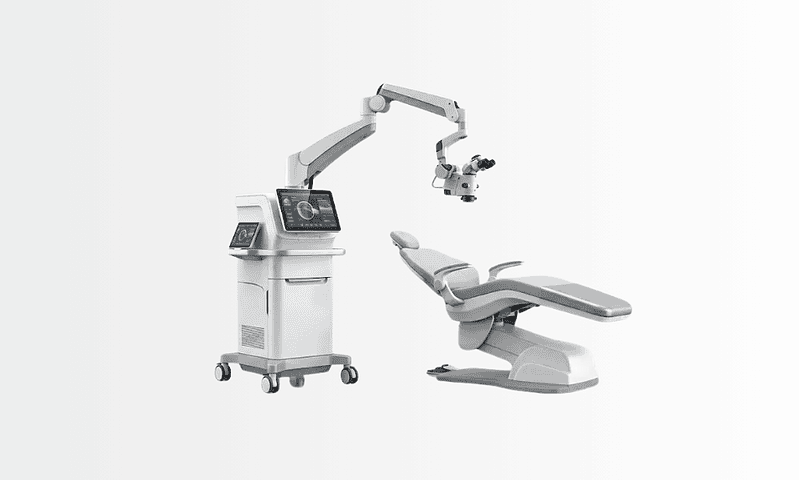
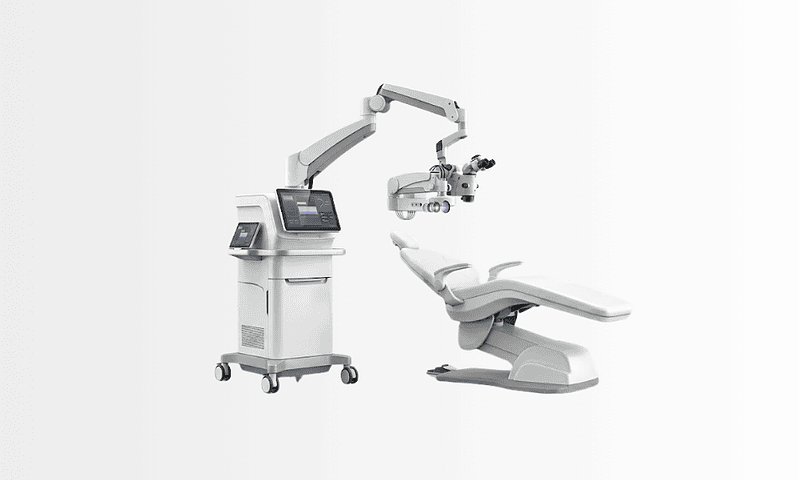
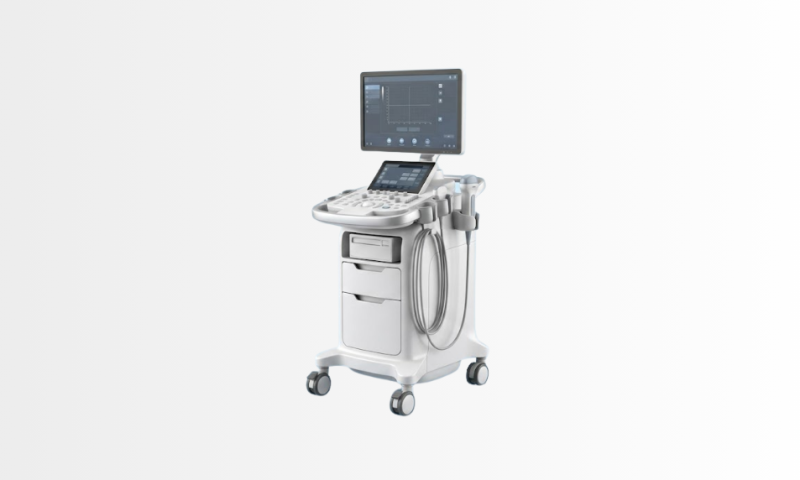
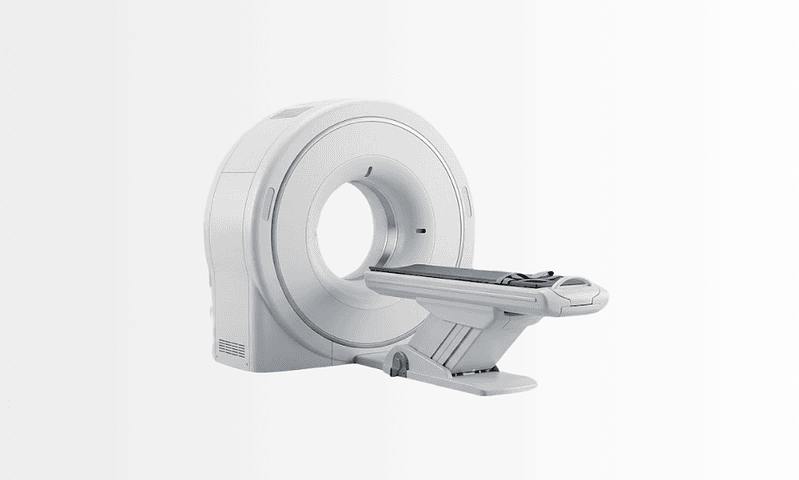
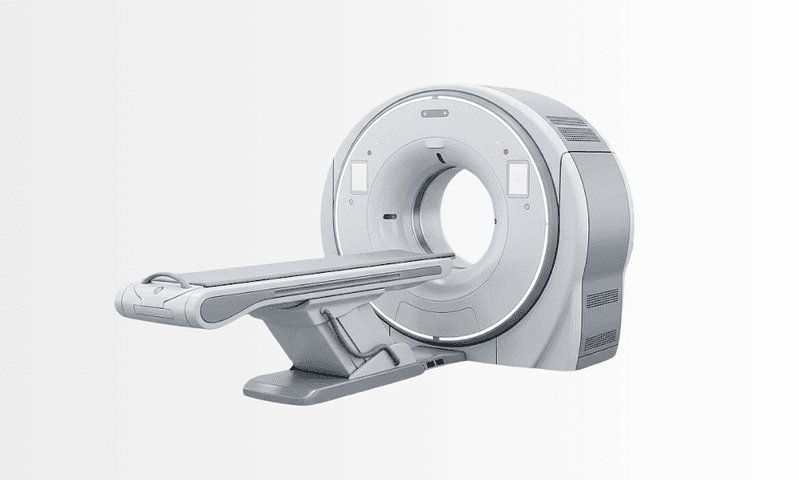
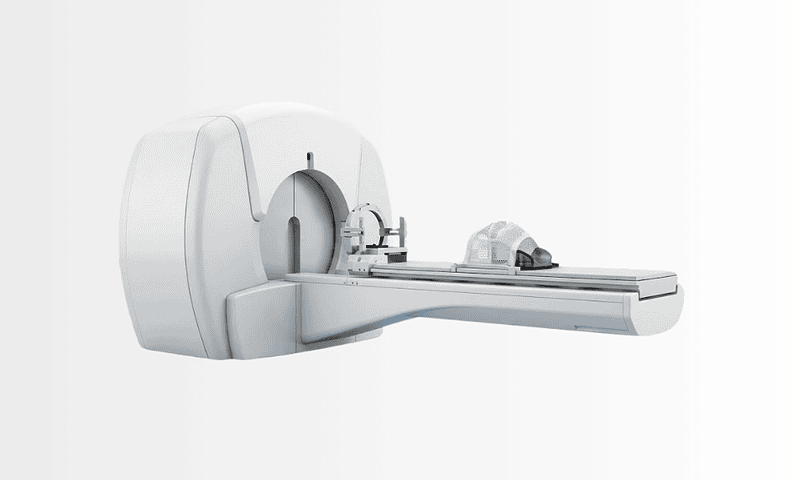
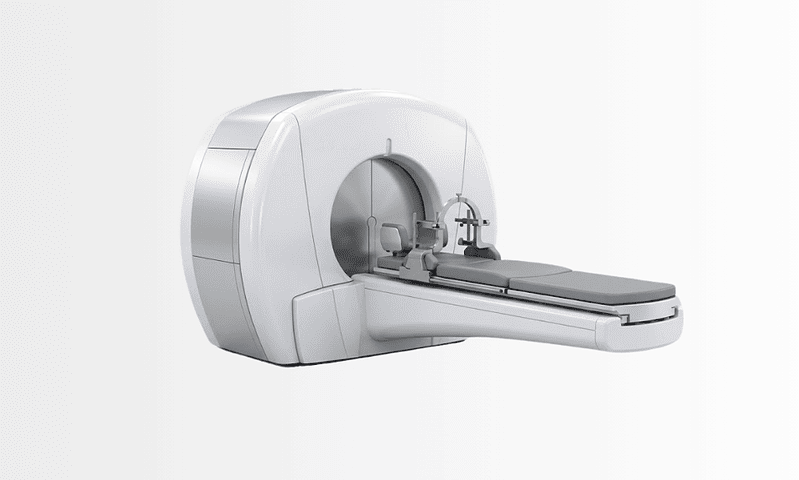
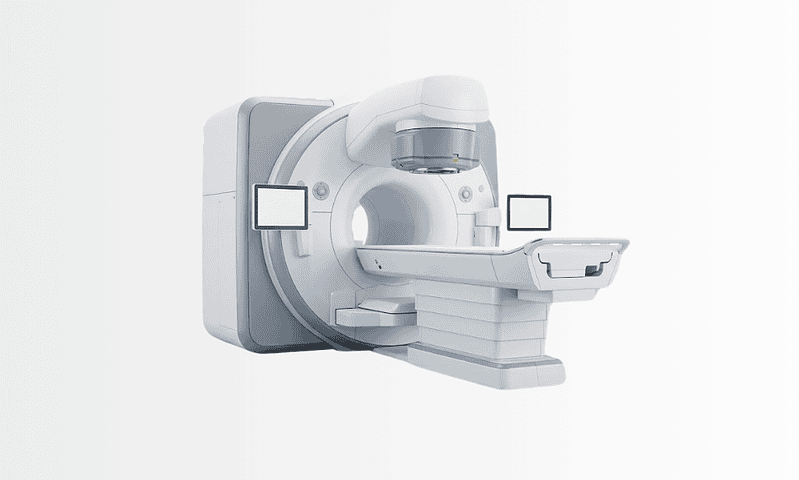
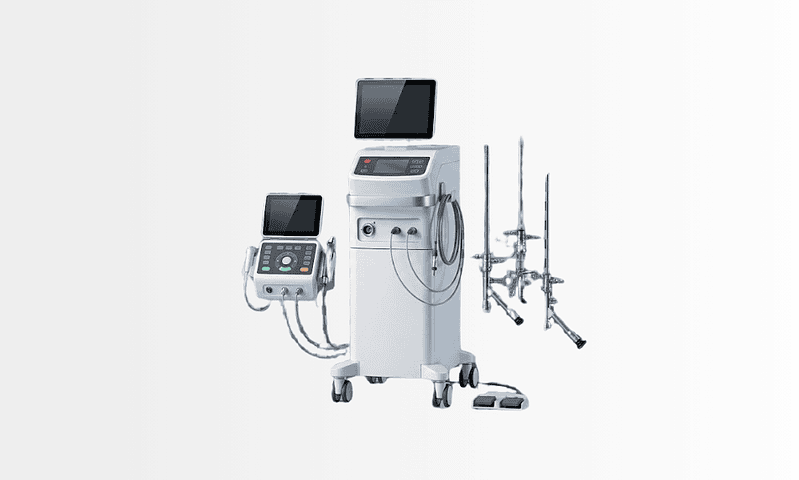
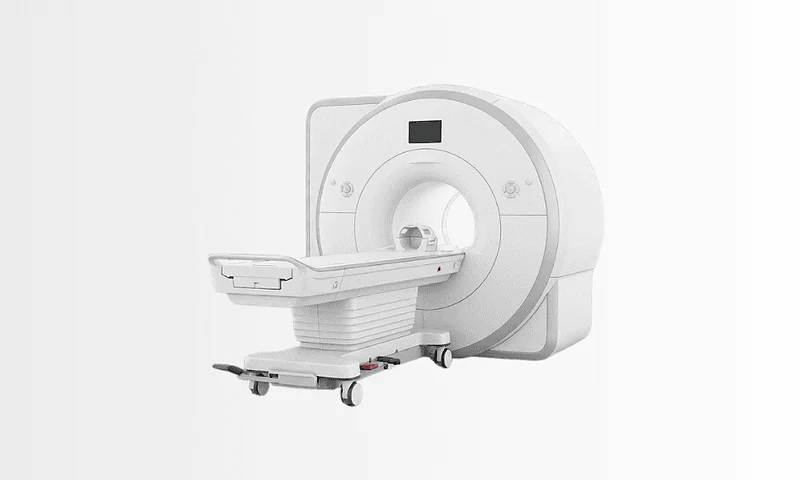
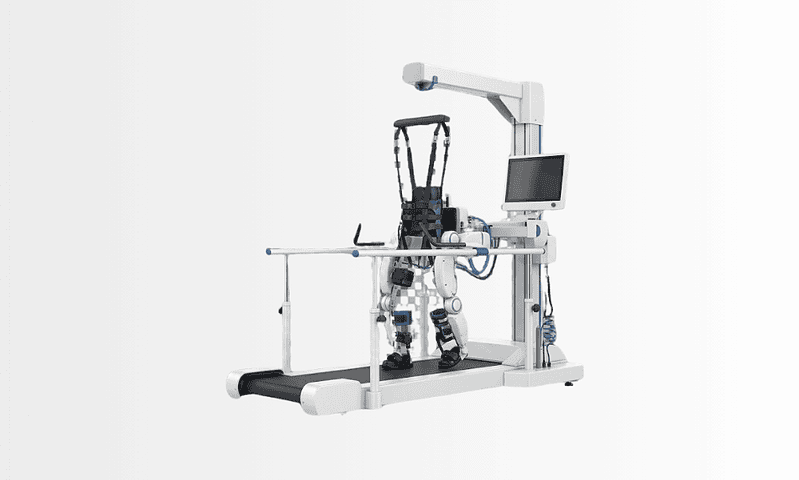
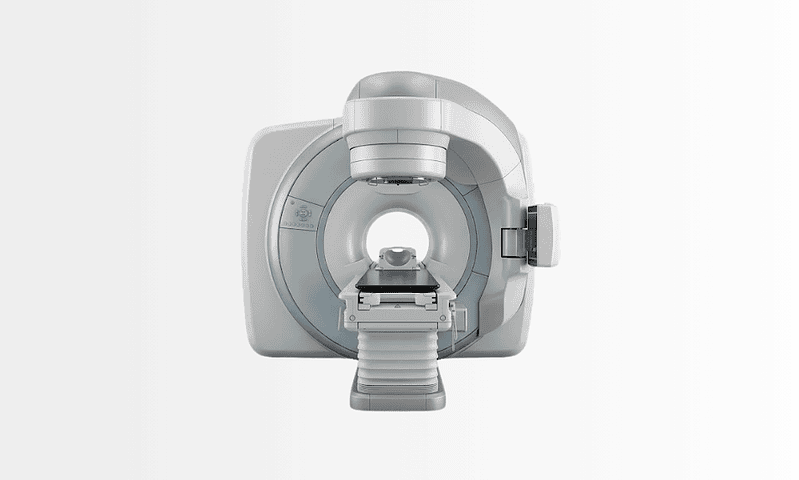
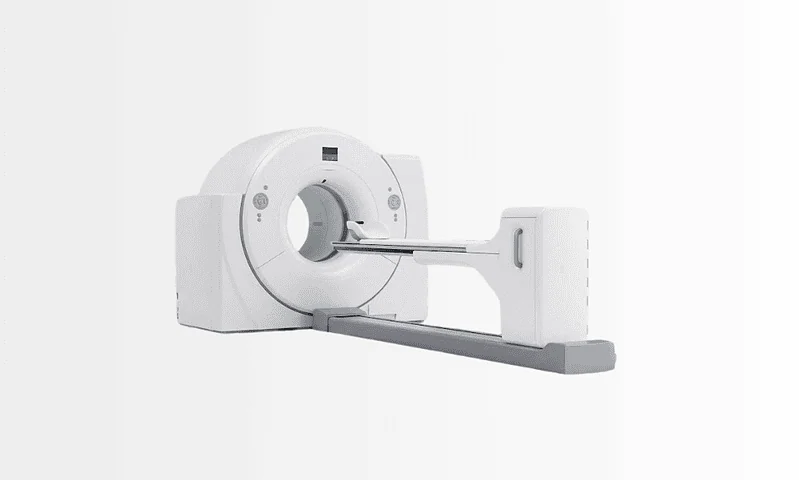
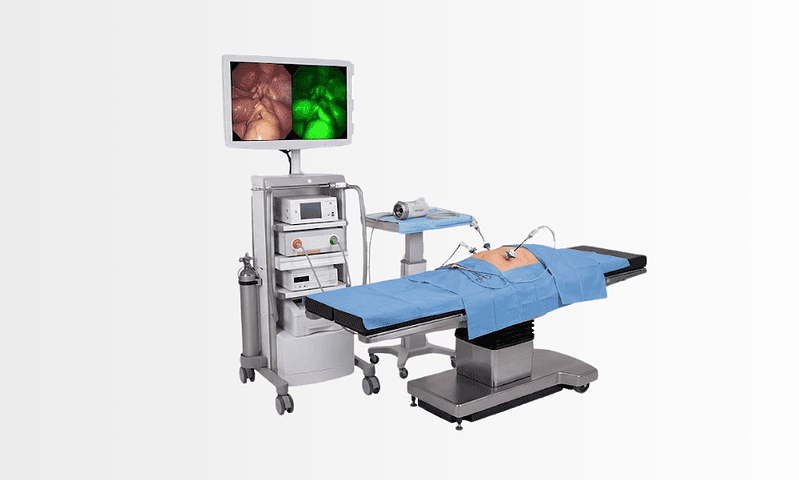
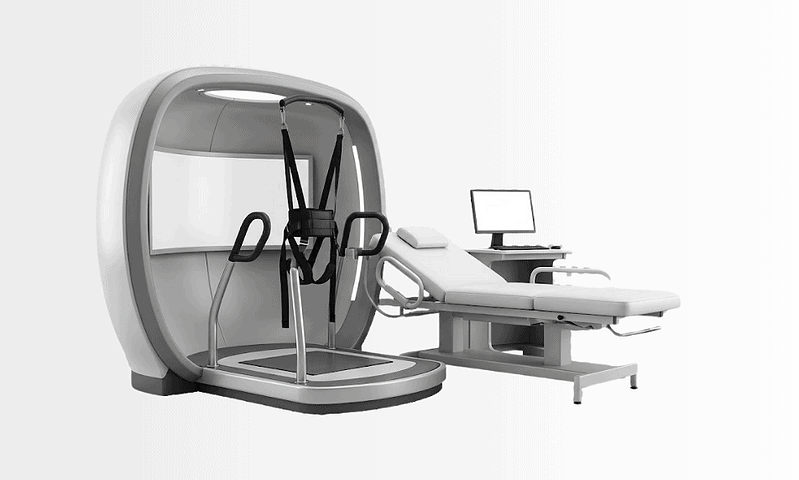
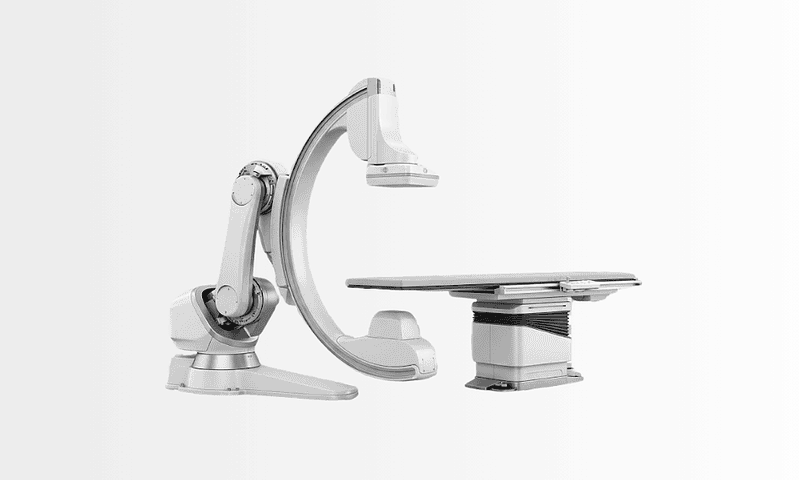
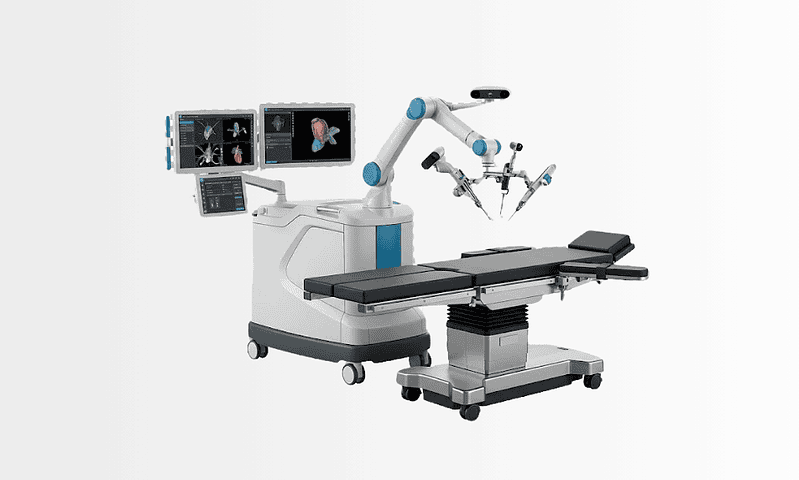
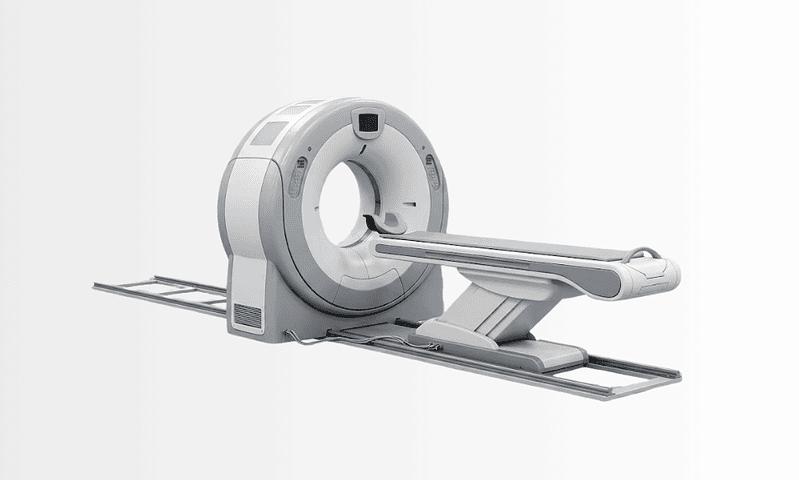
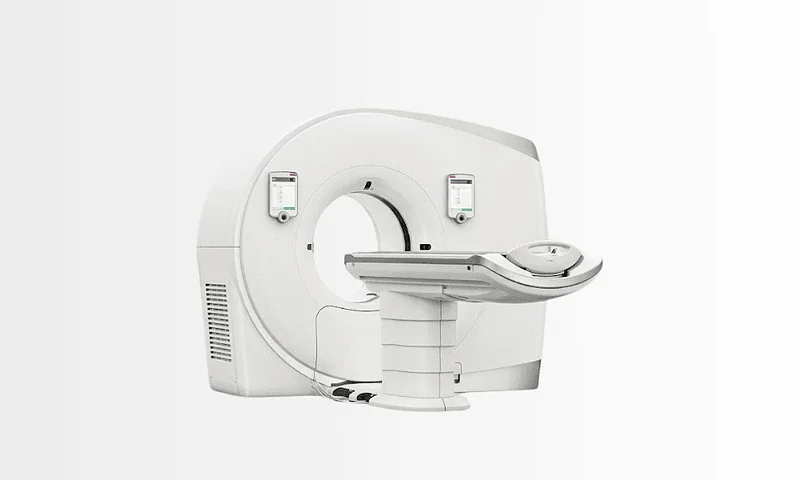
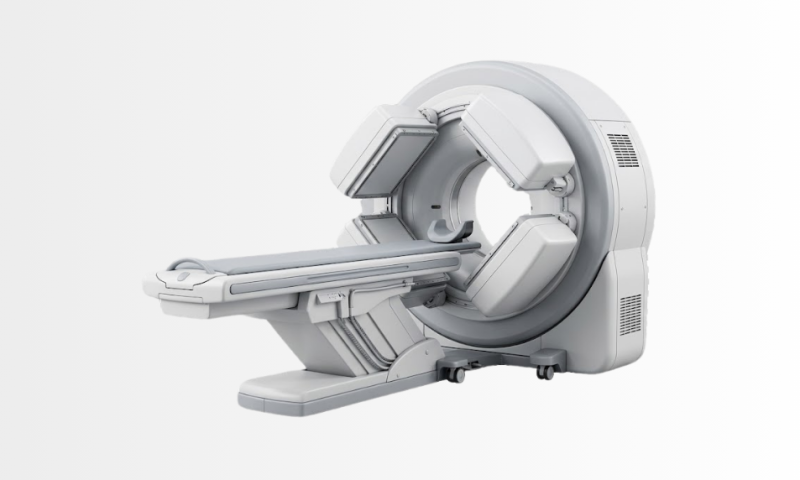
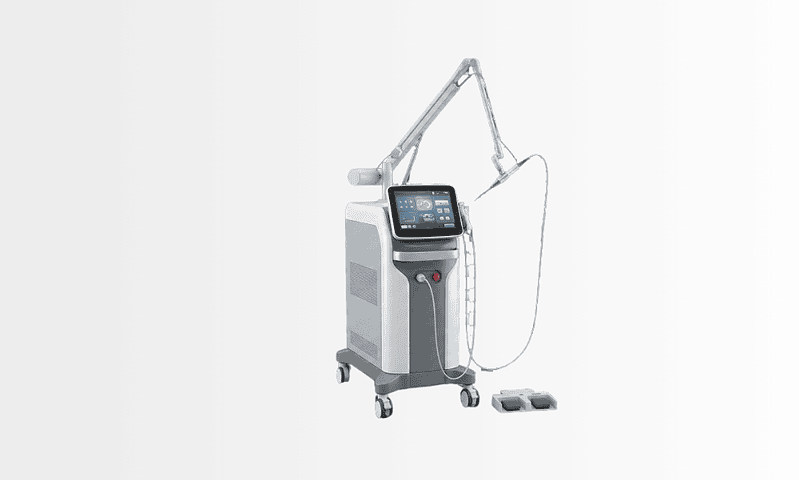
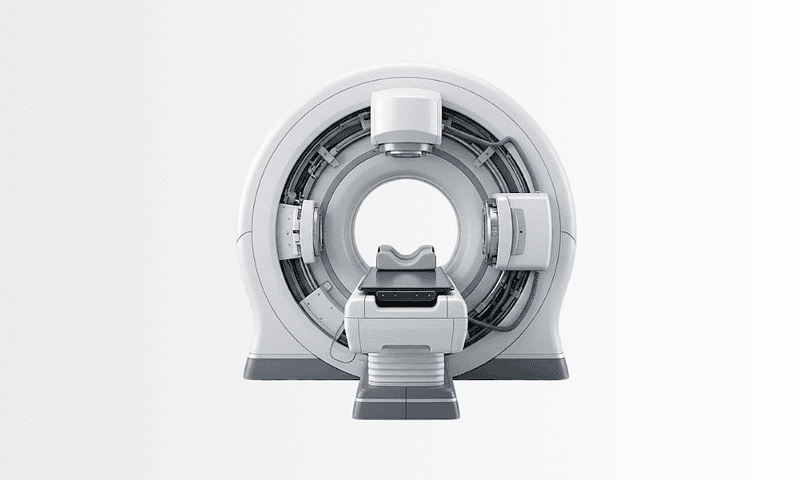
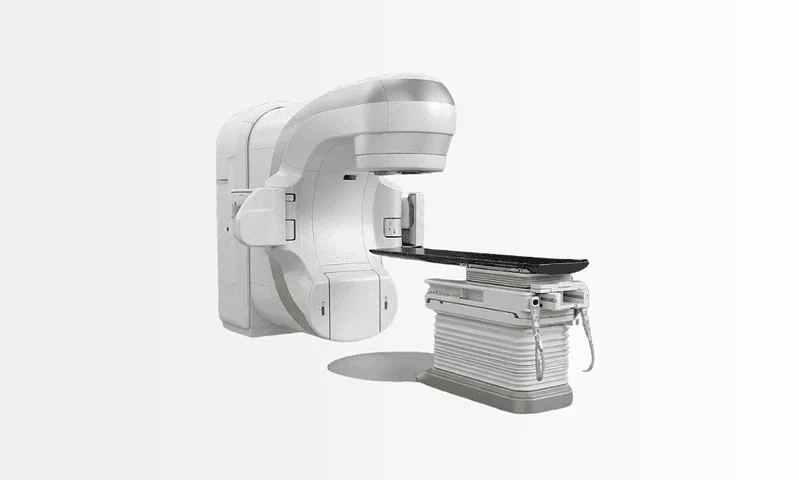
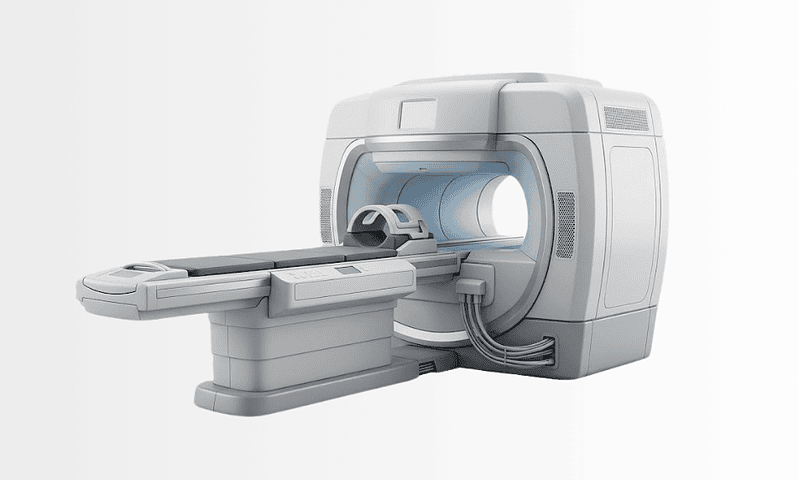
The imaging, radiotherapy, surgical and rehabilitation platforms installed here.
Send your reports: a physician-reviewed plan comes back before you travel.
Free · No obligation · Reply within 24 hours