

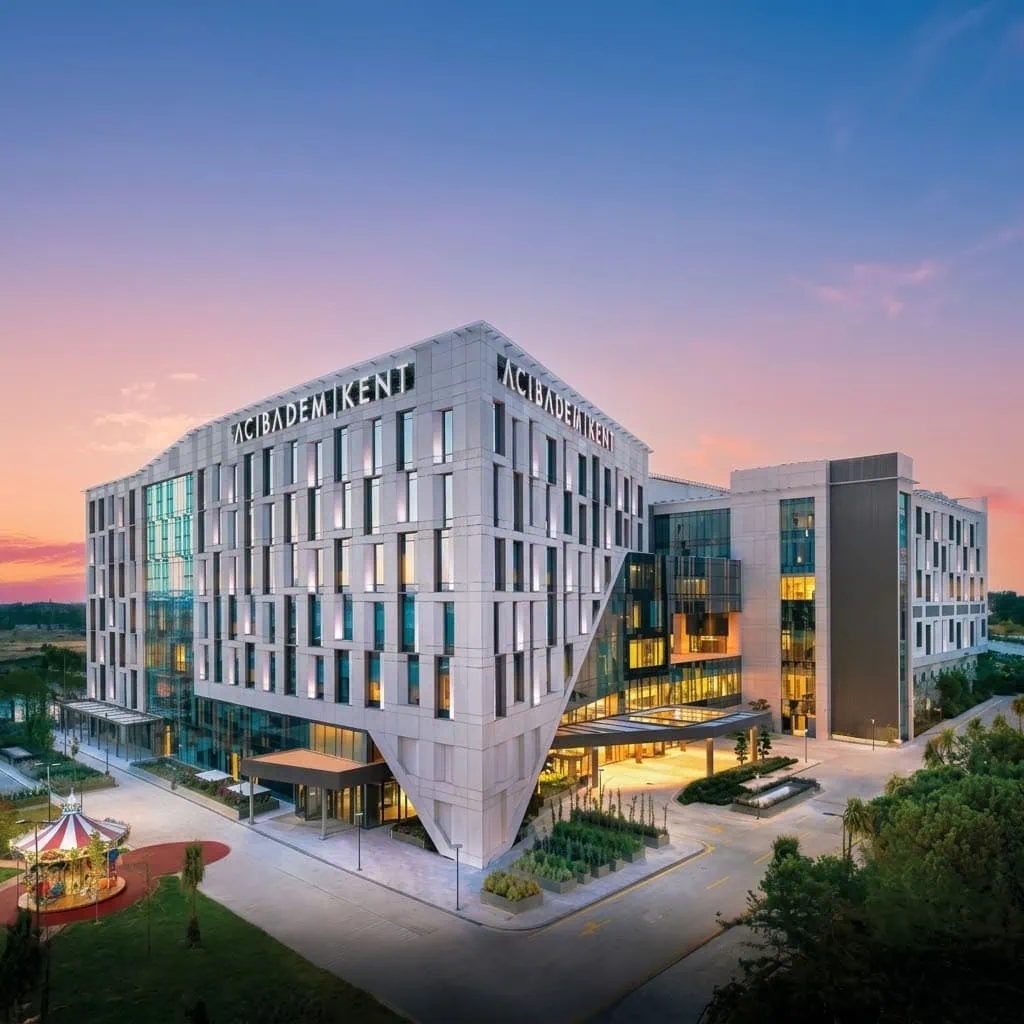
Acibadem Kent Hospital (Izmir)
Overview of Acibadem Kent Hospital in Izmir, Türkiye, including its role within Acibadem Healthcare Group and patient services.
Get directions →
Acibadem Kent Hospital (Izmir) at a Glance
Acibadem Kent Hospital is the Acıbadem group's Aegean flagship: a JCI-accredited hospital of 89,000 m² in İzmir with 272 beds and 12 operating theatres: a long-established İzmir institution that joined the group and now runs on its systems, staffed by professors whom several of this platform's unit guides name among their leads. Its meaning for patients is simple: the group's flagship standard, tumour boards, subspecialist pathology, the records-first international process, without flying…
The Hospital in Numbers
Rooms & Suites
Choose a room type to see it, every room shares the same clinical infrastructure; suites add space and comfort for companions.
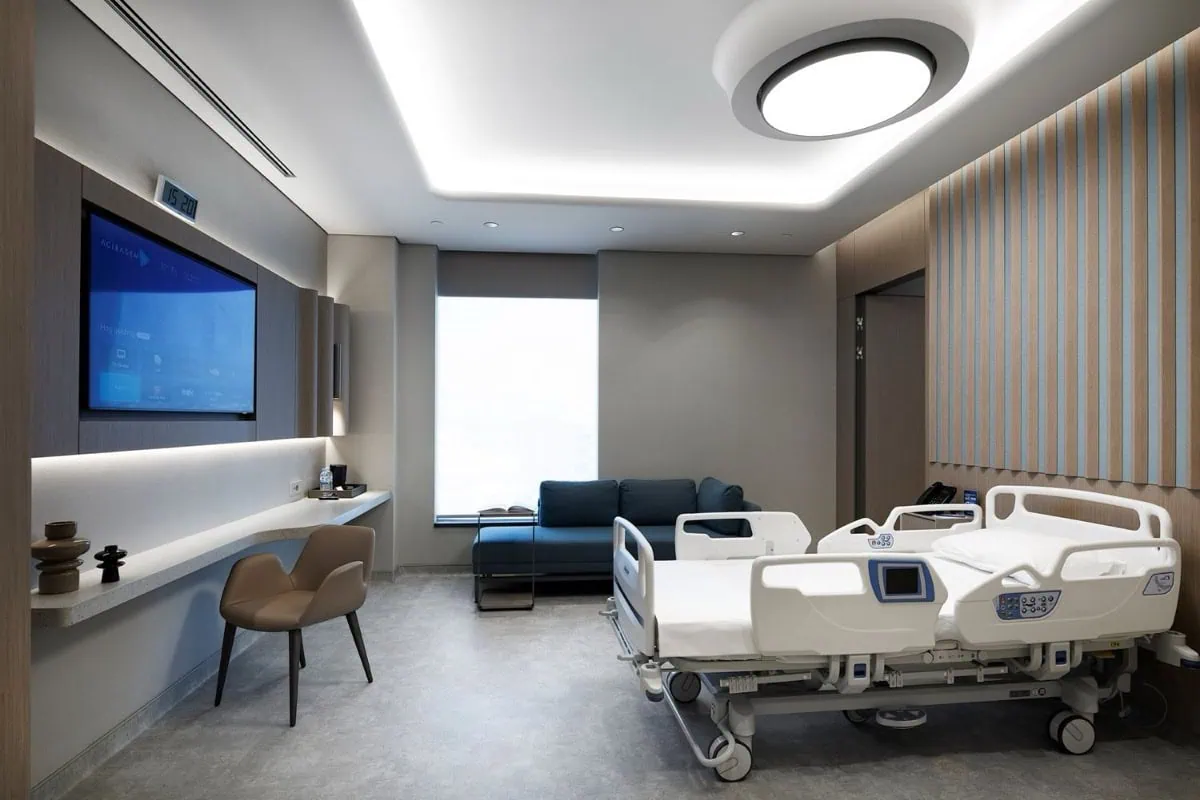 Standard Room
In-Room Features
- Electronic patient-controlled bed
- Smart toilet system
- Spacious bathroom with seat
- Individually adjustable climate control
- Smart TV
- Digital assistant service
- Integrated nurse call system
- Scene lighting and room automation
- Personal safe
- Minibar
- Sofa bed for companion
Accessible RoomIn-Room Features
- Electronic patient-controlled bed
- Individually adjustable climate control
- Smart TV
- Digital assistant service
- Integrated nurse call system
- Scene lighting and room automation
- Personal safe
- Minibar
- Sofa bed for companion
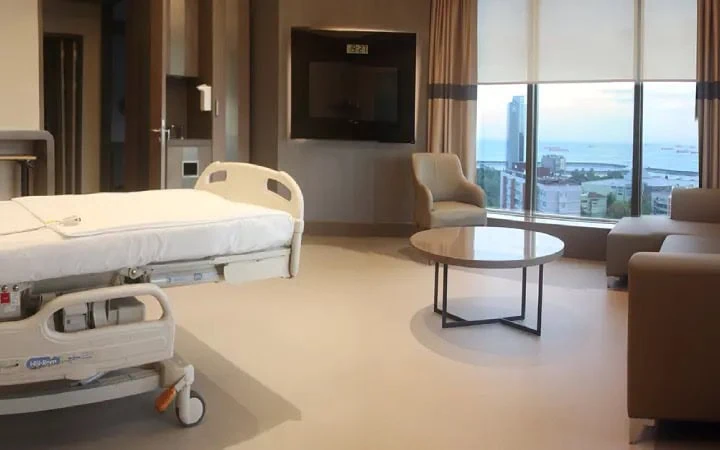 Deluxe Room
In-Room Features
- Electronic patient-controlled bed
- Smart toilet system
- Spacious bathroom with seat
- Individually adjustable climate control
- Smart TV
- Digital assistant service
- Integrated nurse call system
- Scene lighting and room automation
- Personal safe
- Minibar
- Kitchenette
- Sofa bed for companion
- Companion dining and rest area
- Companion bathroom
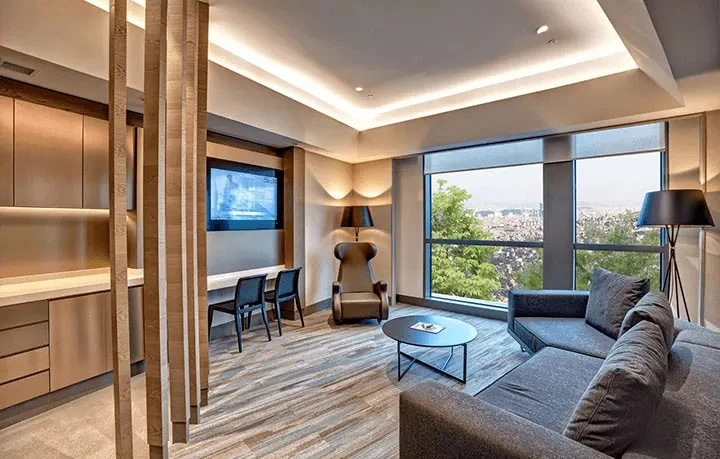 Luxury Room
In-Room Features
- Electronic patient-controlled bed
- Smart toilet system
- Spacious bathroom with seat
- Individually adjustable climate control
- Smart TV
- Digital assistant service
- Integrated nurse call system
- Scene lighting and room automation
- Personal safe
- Minibar
- Kitchenette
- Sofa bed for companion
- Companion dining and rest area
- Companion bathroom
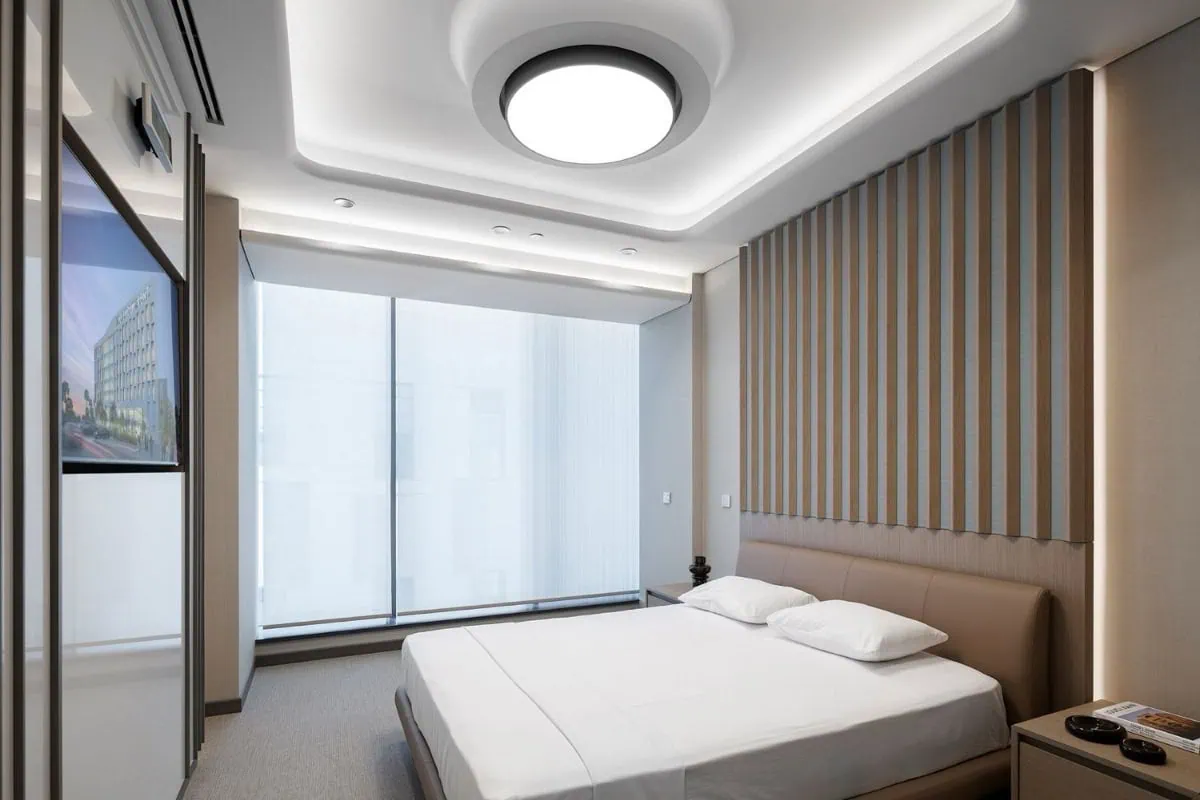 King Suite
In-Room Features
- Electronic patient-controlled bed
- Smart toilet system
- Spacious bathroom with seat
- Individually adjustable climate control
- Smart TV
- Digital assistant service
- Integrated nurse call system
- Scene lighting and room automation
- Personal safe
- Minibar
- Kitchenette
- Sofa bed for companion
- Companion dining and rest area
- Separate companion bedroom
- Companion bathroom
Facility Highlights
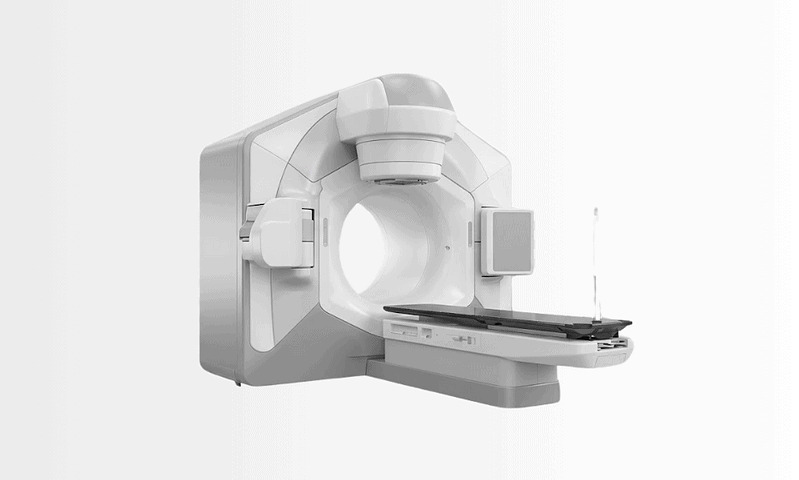
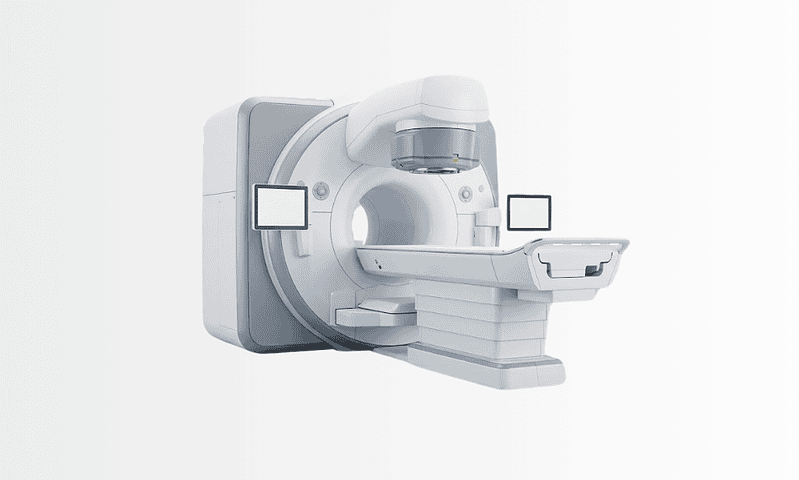
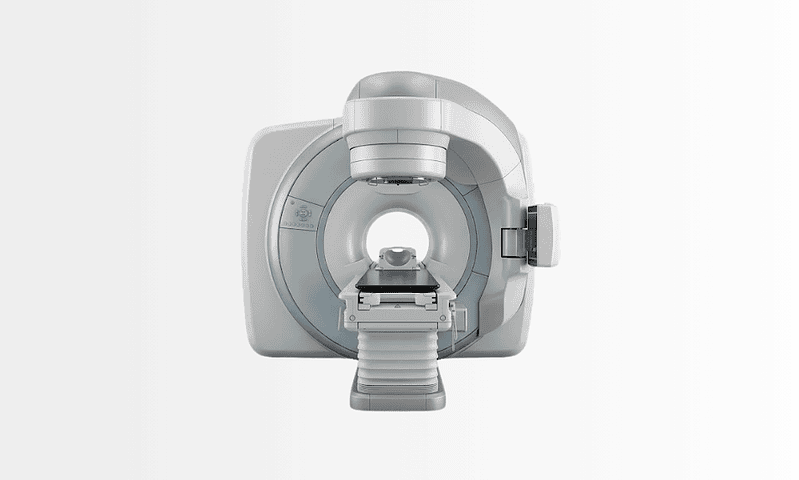
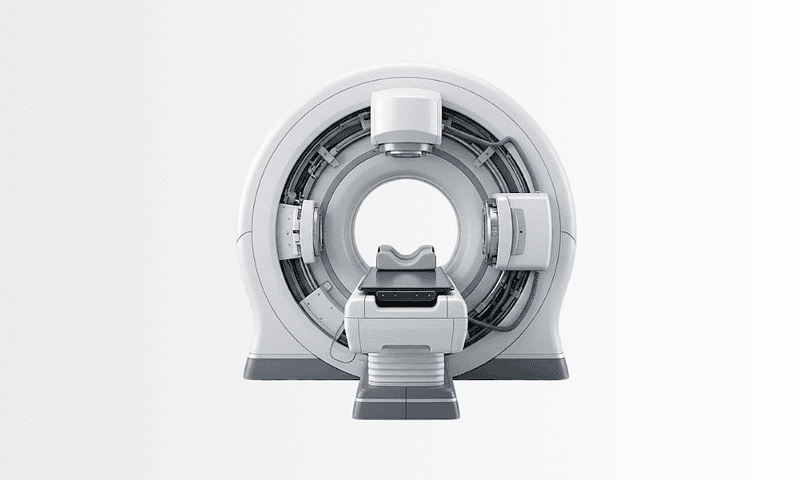
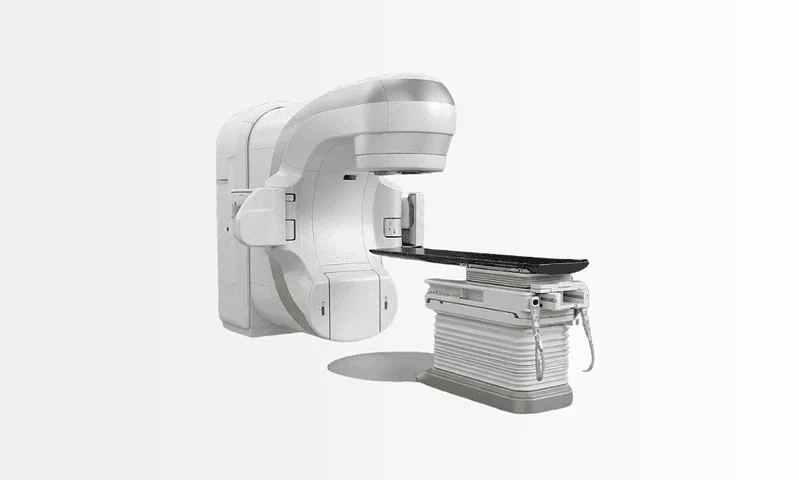
Cancer care under one roof since 2019 in 18,000 m²: medical oncology, radiation oncology, nuclear medicine and oncologic surgery; TrueBeam and Ethos radiotherapy.
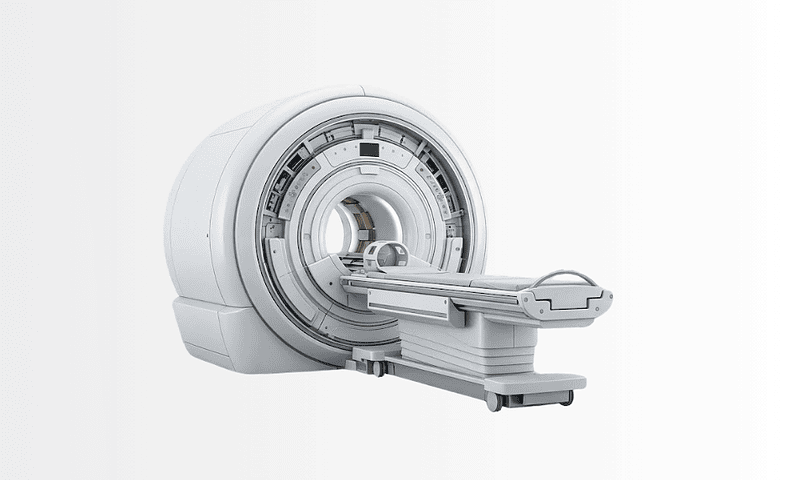
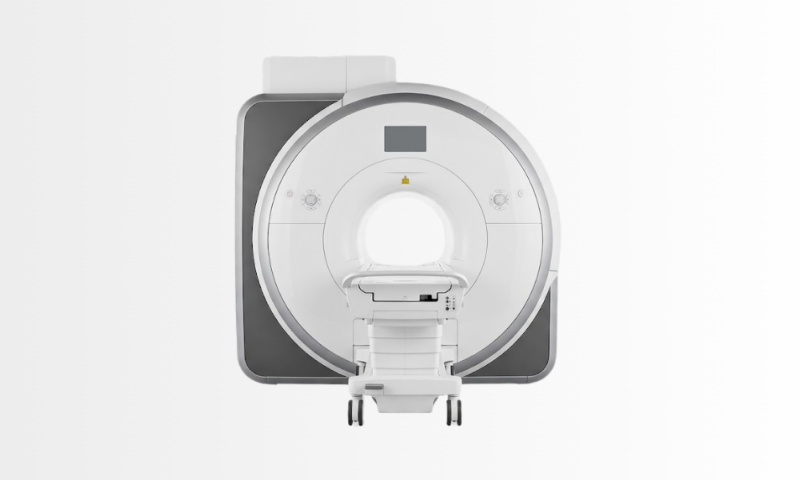
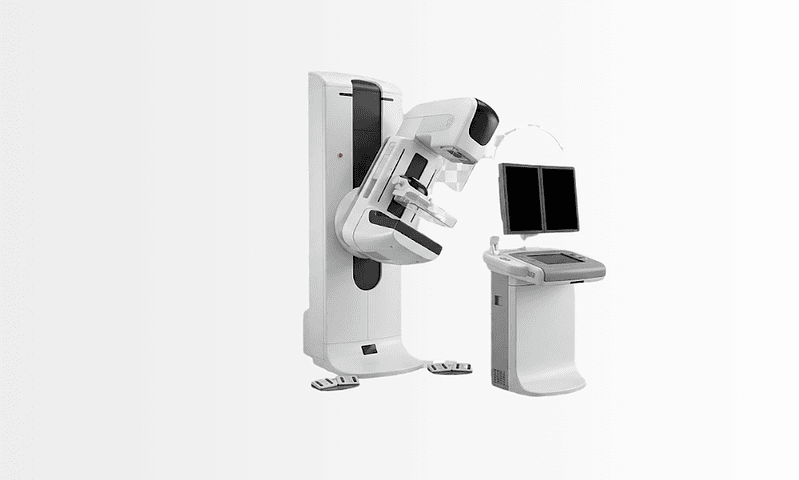
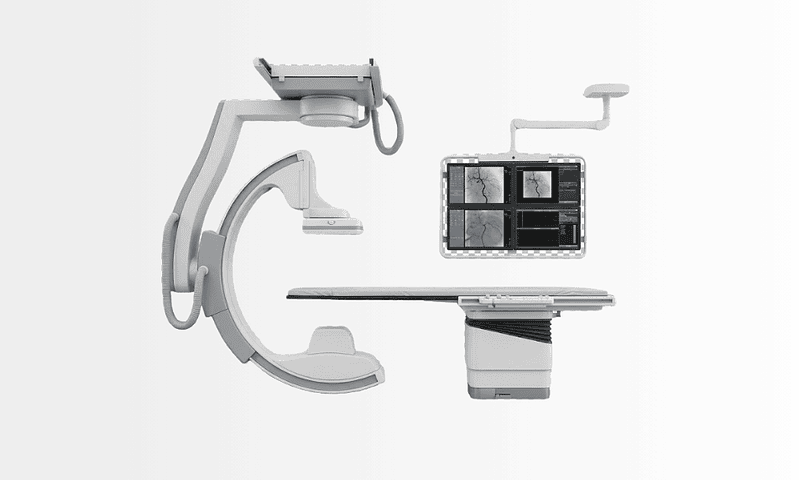
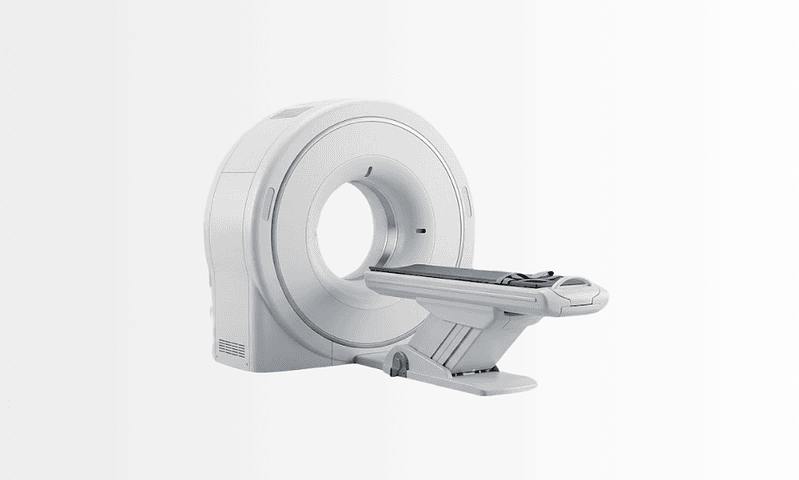
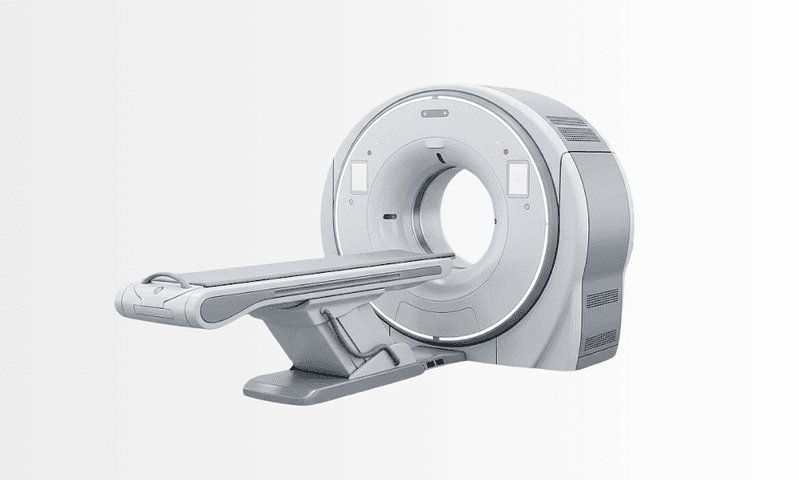
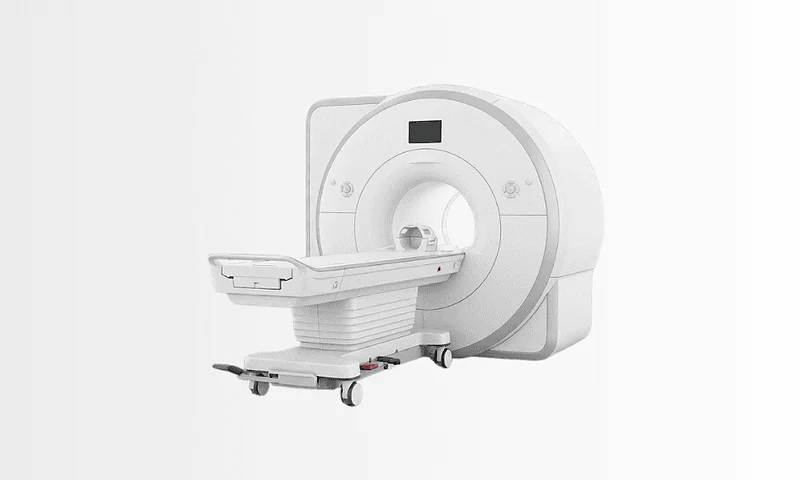
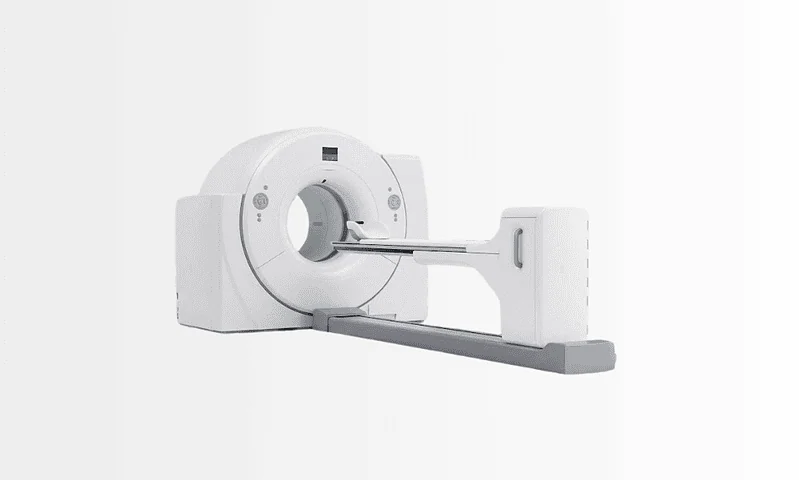
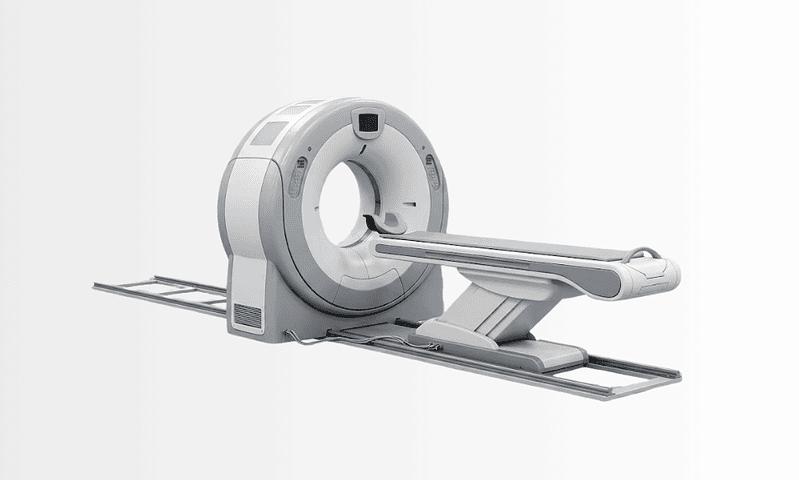
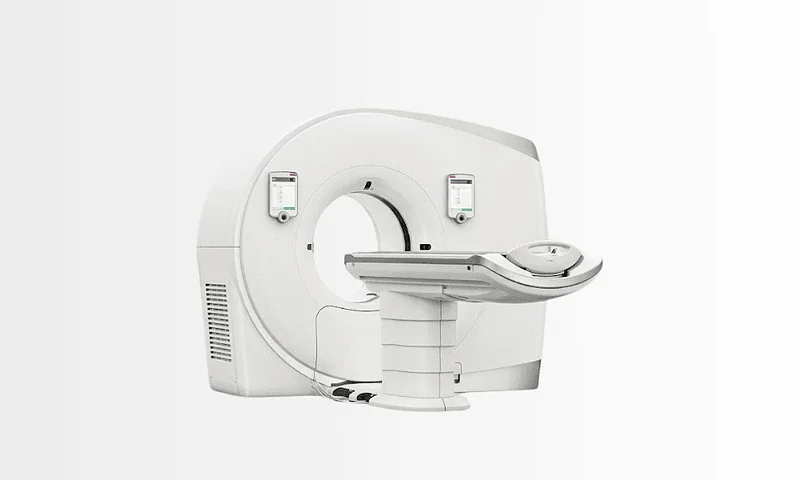
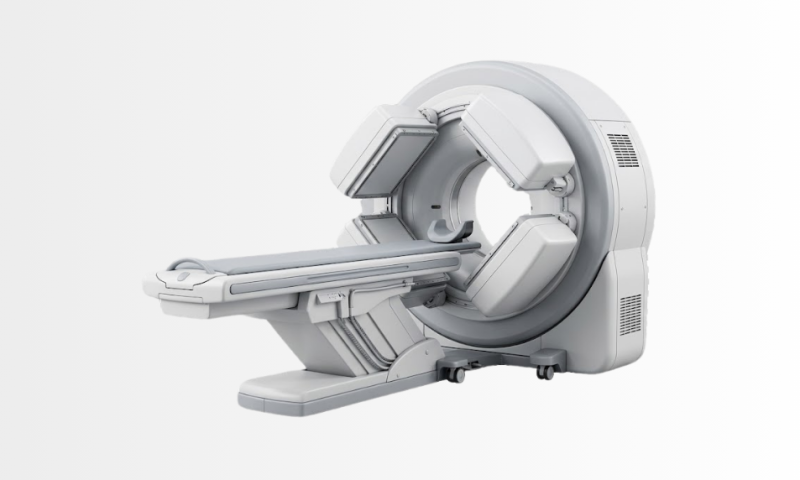
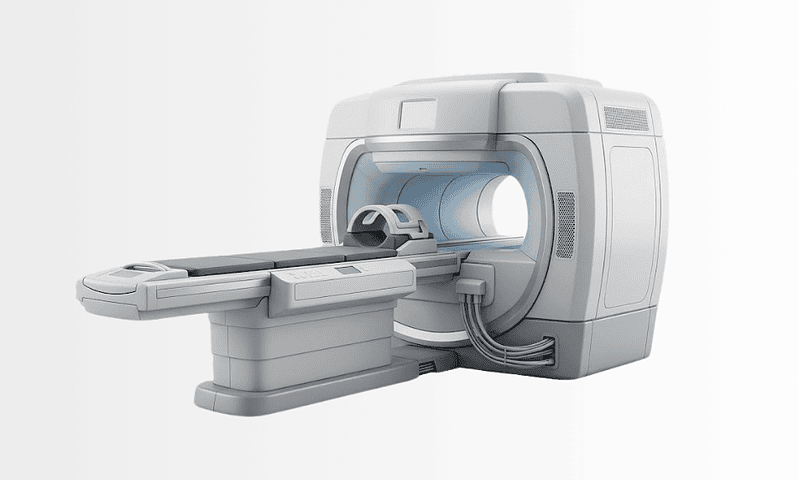
3-Tesla and 1.5-Tesla MRI, PET-CT, SPECT-CT, whole-body MRI, 3D tomosynthesis digital mammography, CT, digital fluoroscopy and bone densitometry.
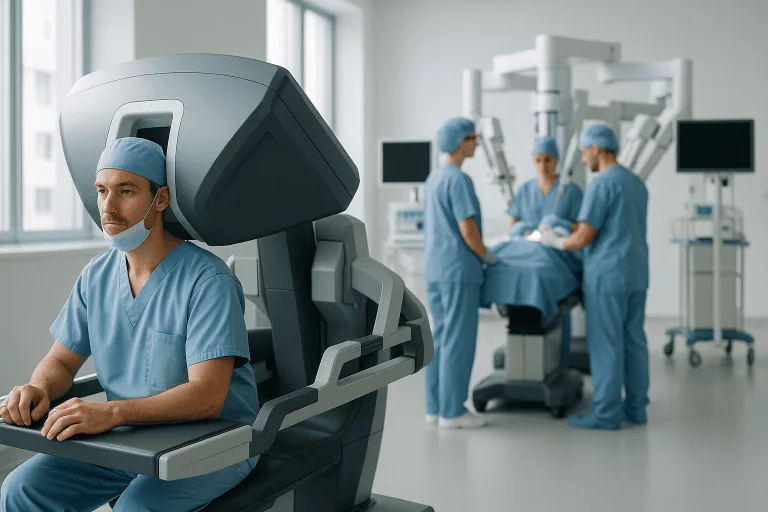
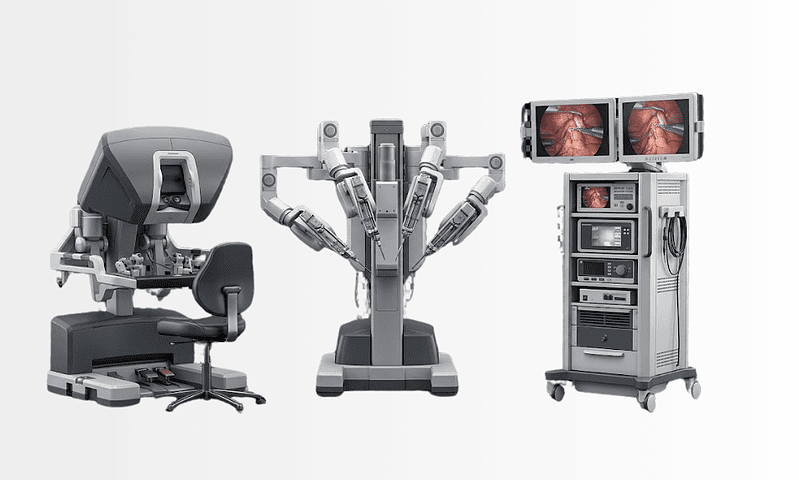
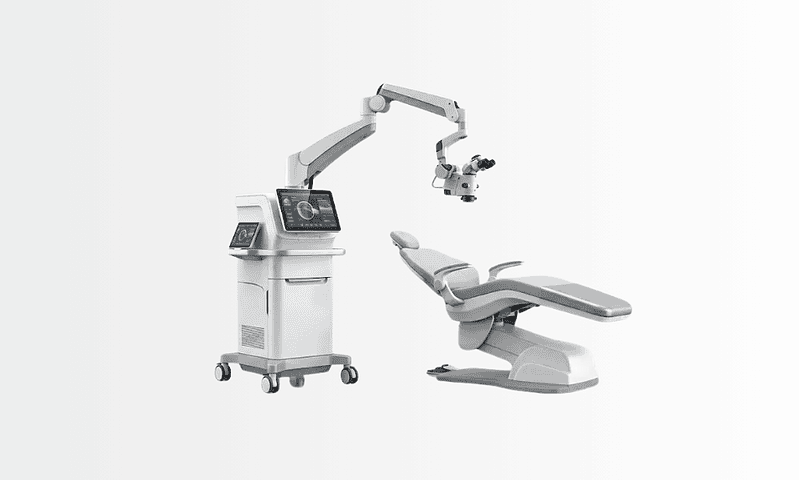
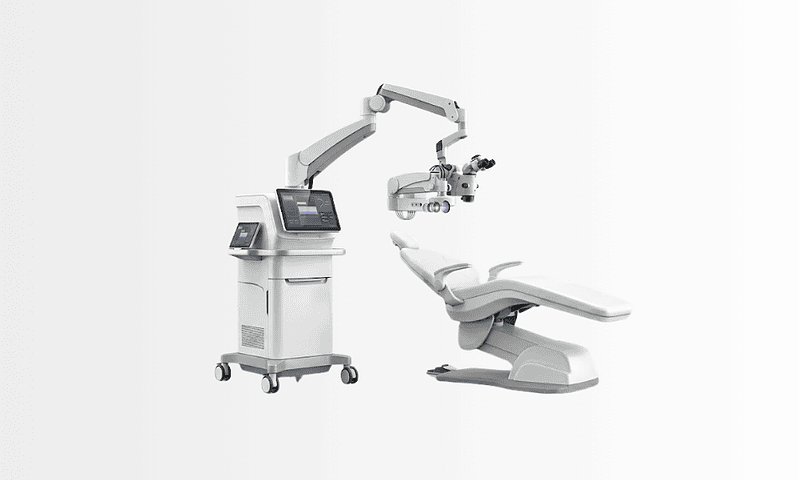
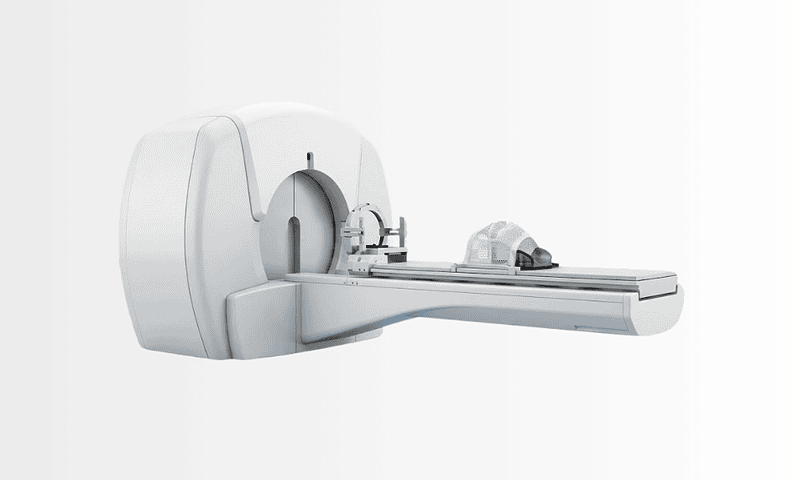
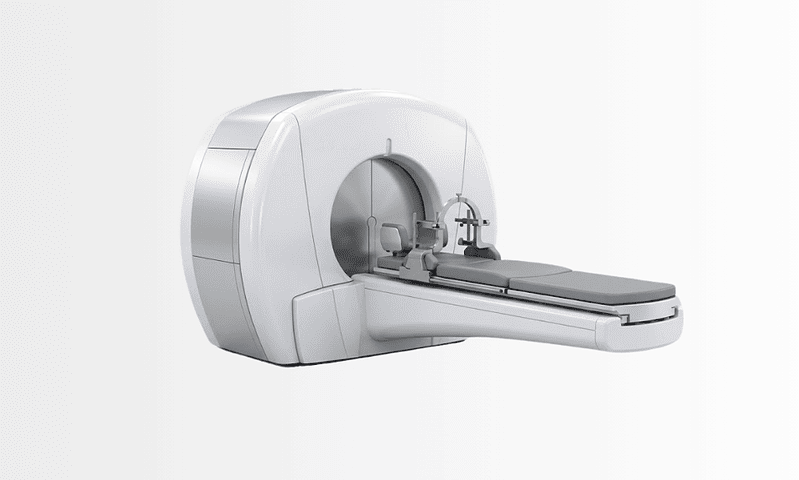
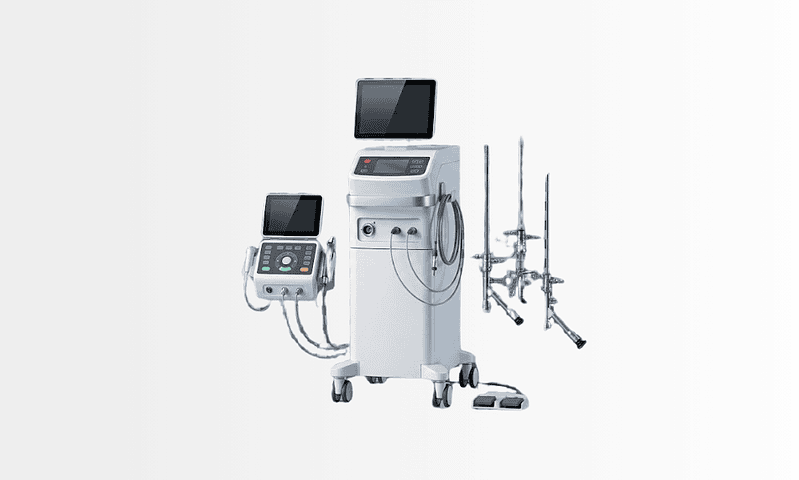
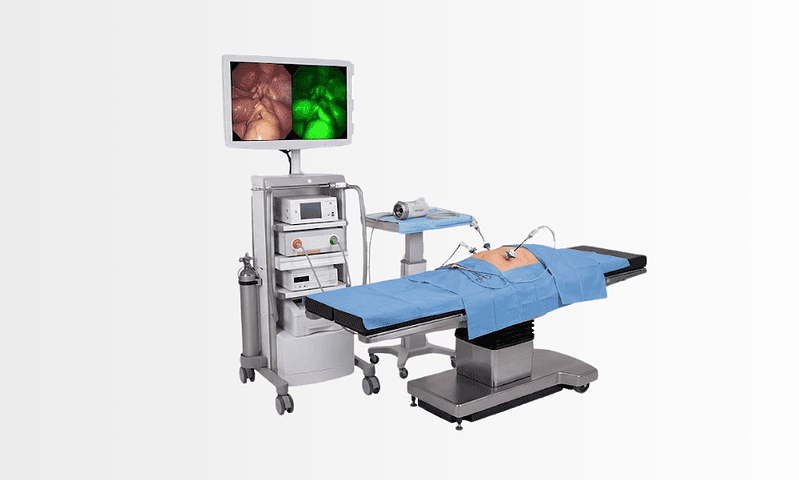
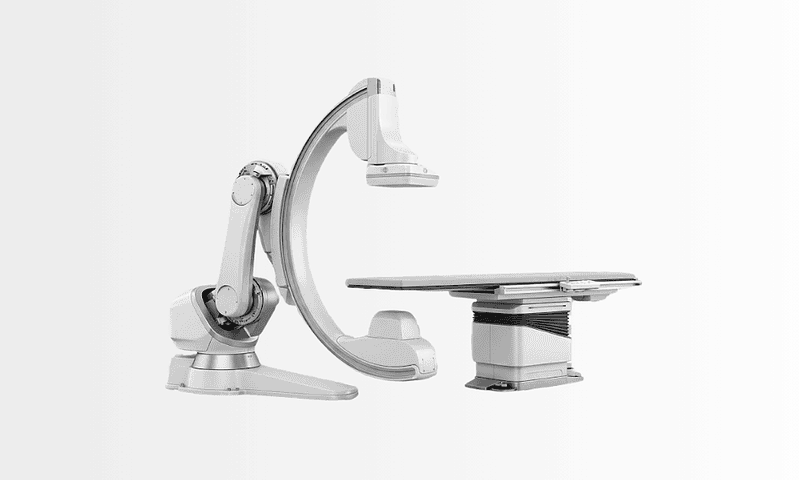
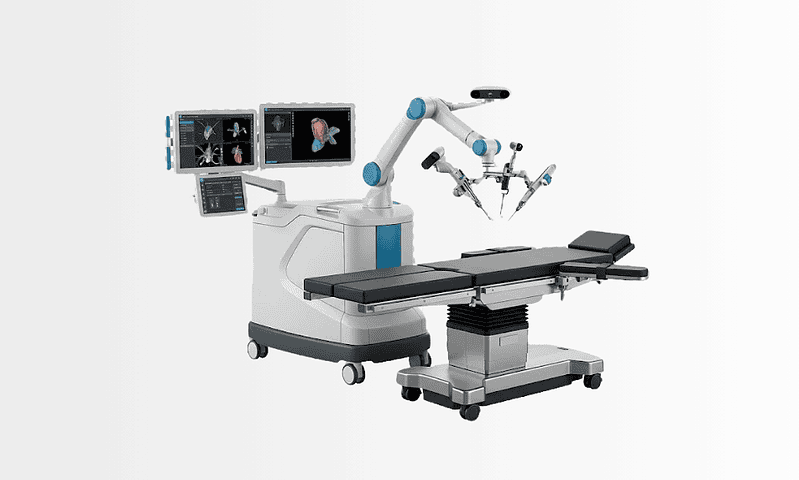
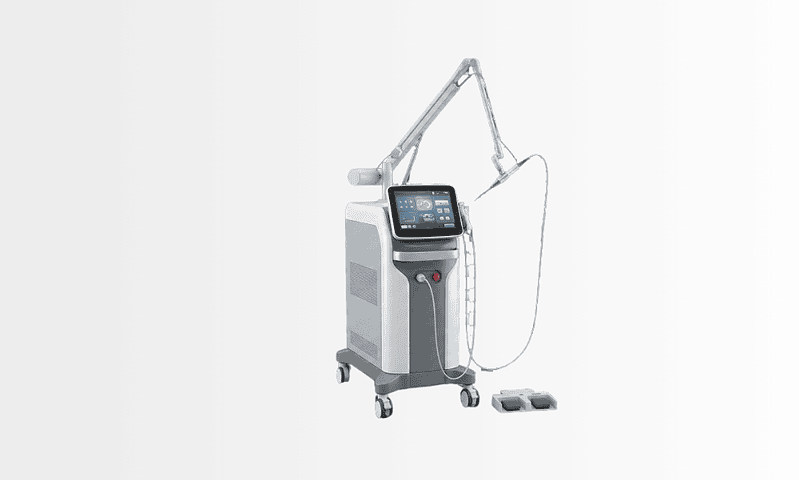
Da Vinci Xi robotic surgery, DSA angiography, O-Arm surgical imaging, surgical navigation and Gamma Knife Esprit; HoLEP, Thulium and MonaLisa Touch lasers.
Aortic surgery, neurosurgery, organ transplant and oncologic surgery, backed by cardiology and advanced intensive care.
2 delivery rooms, 2 labor rooms and 12 neonatal intensive care beds; water-birth bed and mother-and-baby-friendly practices.
Tertiary-level general intensive care unit and a 24-hour emergency department on the 89,000 m² campus.
Established in Çiğli, İzmir in 2004; serves the city and patients arriving from the surrounding provinces.
Joined the Acıbadem group on 14 February 2023 and runs on the group's shared quality system.
Amenities & Visiting Guide
- Parking
- Cafeteria
- Prayer room
Acibadem Kent Hospital (Izmir), in depth
Acibadem Kent Hospital is the Acıbadem group’s Aegean flagship: a JCI-accredited hospital of 89,000 m² in İzmir with 272 beds and 12 operating theatres: a long-established İzmir institution that joined the group and now runs on its systems, staffed by professors whom several of this platform’s unit guides name among their leads. Its meaning for patients is simple: the group’s flagship standard, tumour boards, subspecialist pathology, the records-first international process, without flying to Istanbul, serving Türkiye’s third city, the Aegean coast’s large international community, and patients from the Balkans and beyond for whom İzmir is the closer door. This guide covers the whole campus, with the live numbers, rooms and visiting rules in their own dedicated sections of this page.
What this building is organised around
Kent’s 89,000 m² carry a genuinely broad flagship: cardiovascular surgery and cardiology, neurosurgery, a radiation oncology floor, IVF, and the full medical layer, endocrinology, pulmonology, nephrology, rheumatology, infection, psychiatry, that complex patients need around their main problem. The campus’s special character is seniority: an unusual concentration of professor-level leads for a hospital outside Istanbul, including names the unit guides list among their eight: the consultation-liaison psychiatry doyen, the endocrinology professor, thoracic surgery’s Aegean lead, neurosurgery’s Kent professor and more. For the Aegean’s residents, Turkish and international alike, that seniority is the honest reason this campus exists at flagship scale.
JCI accreditation, and what it actually promises you
Acibadem Kent Hospital holds Joint Commission International accreditation, one of five Acıbadem hospitals in Türkiye that do, meaning care processes audited on site, in cycles, against hundreds of measurable standards: surgical checklists, medication safety, infection control, credentialing and the reporting culture that catches problems early. The group’s ISO-accredited laboratory network stands behind the diagnostics. Accreditation makes a hospital inspectable rather than infallible, and for the international residents of the Aegean coast who use this campus as their permanent hospital, inspectable is exactly what a home hospital should be.
Heart: surgery and catheter laboratory
The cardiovascular surgery unit counts Kent among its campuses, bypass, valve repair and replacement, and the aortic and peripheral vascular work its guide describes, while cardiology’s catheter laboratory covers stents, ablation and the structural options. The heart-team method both guides describe applies here as everywhere in the group: the recommendation is weighed at one table, and the deliberate independence of the two units is the built-in safeguard.
Neurosurgery and neurology
The neurosurgery unit’s Kent professor carries brain and spine surgery on this campus: the ACDF, disc and fusion work, and the cranial surgery, that unit’s guide walks through honestly, with neurology covering stroke, epilepsy, movement disorders and the memory clinic. When a lesion is better served by radiosurgery, the honest routing the guides describe applies: Gamma Knife lives at Altunizade, candidacy is usually decidable from your MRI without travel, and the coordinators arrange the Istanbul step only when it genuinely earns its place.
Cancer care and the radiation floor
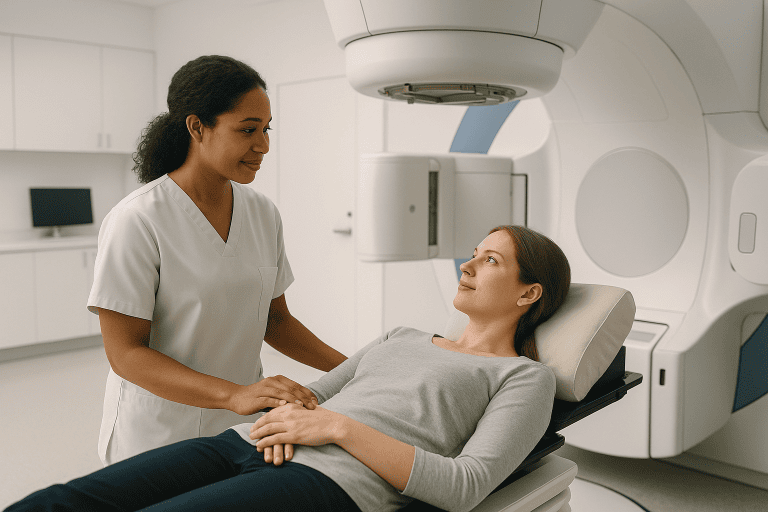
Kent runs a full cancer system on the Aegean: medical oncology under the group’s tumour-board method, a radiation oncology floor whose Kent-labelled lead appears in that unit’s guide, nuclear medicinewhose own guide lists Kent among its campuses, for staging and radionuclide therapy, and pathology’s Kent professor reading the diagnoses. The practical meaning: an Aegean cancer patient gets staging, board review, chemotherapy and radiotherapy in one city, with the radiation guide’s honest schedule arithmetic, the course is the trip, applying to İzmir exactly as to Istanbul.
The medical layer: hormones, lungs, kidneys, joints, mind
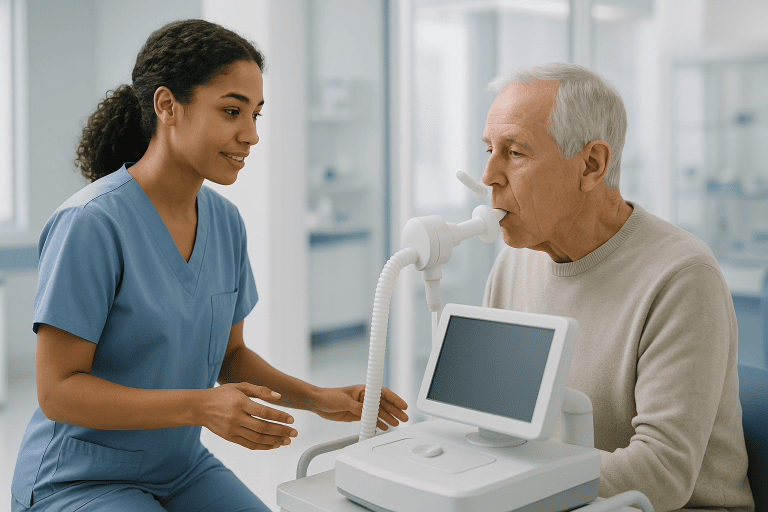
This is where Kent’s professor-density shows. Endocrinology’s İzmir Kent professor anchors the thyroid, diabetes and hormone work that unit’s guide describes. Thoracic surgery’s Aegean lead operates here with pulmonology behind him. Psychiatry’s Kent professor is the consultation-liaison doyen the psychiatry guide names, mental health woven into medical care, which matters on a campus this size. Nephrology, rheumatology, infectious diseases and internal medicine complete the layer, with paediatrics and paediatric surgery for children and IVF for the Aegean’s fertility patients, each guide labelling its Kent leads by name of campus.
Technology, honestly framed
Kent’s installation covers what a flagship needs, modern operating theatres, a radiation oncology floor, nuclear medicine, full imaging, and the platform’s standing rule applies without exception: the plan chooses the technology. When a plan genuinely needs a machine that lives in Istanbul, the MR-Linac at Maslak, the Gamma Knife at Altunizade, the coordinators say so and arrange it, usually after the candidacy question has been answered from your existing imaging without a flight. What Kent uniquely offers is not a machine but geography: flagship medicine within reach of the whole Aegean.
The international patient service, step by step
The group’s fixed process runs here with Kent’s own team, with one Aegean-specific note: alongside the fly-in patients the other flagships serve, this campus is the standing hospital for the international residents of İzmir, Çeşme, Kuşadası and the coast, expatriates and long-stay visitors whose care is continuous rather than episodic. The steps are the same: records through secure channels and remote review with a written plan, honest cost estimate and an honest answer on whether a visit is needed at all; coordinator-managed scheduling; interpreter support through consultations and consent (English, German, Russian, Arabic and French routinely: German and English being the coast’s daily languages); and departure with a written summary, your imaging and data, and a follow-up plan addressed to whoever continues your care, at home abroad, or here, if here is home.
The standing honesty notes apply: written estimates become exact after examination, transparency, not a to-the-lira quote; payment, insurer and guarantee-letter questions are settled in writing before treatment.
Getting here, staying nearby
The hospital is in İzmir, served by Adnan Menderes Airport’s direct connections to Istanbul, Europe and seasonal routes across the continent, with transfer arranged by the international office as standard. For the coast’s residents the campus is a drive, not a flight, which is its point. Hotels of every class and İzmir’s everyday city surround it; for treatment courses measured in weeks, accommodation guidance is part of planning, and the Aegean’s climate makes companion stays gentler than most medical trips anywhere.
How to decide whether Kent is your hospital
Choose Kent when you live on or near the Aegean, resident, expatriate or within a short flight, and your case fits a genuine flagship: heart surgery and cardiology, brain and spine, a full cancer pathway, IVF, or the multi-condition medicine its professor-level leads carry. Choose Istanbul when the guides say a specific installation decides your case: MR-Linac at Maslak, Gamma Knife and the genetics centre at Altunizade, the metabolic surgery programme at Ataşehir and Altunizade, congenital heart surgery at Atakent, and expect the coordinators to say so unprompted, because honest routing is how the group works. A records-based written opinion remains a complete outcome from this campus as from every other.
Frequently asked questions
How do international patients start treatment at Acibadem Kent Hospital?
Records first: reports and imaging reviewed remotely, a written plan and cost estimate follow, and a visit is booked when the plan justifies it, coordinated by the campus’s own international team.
Which languages are supported?
English, German, Russian, Arabic and French routinely: German and English being the Aegean coast’s daily second languages, with other languages arranged on request.
Is Kent JCI-accredited?
Yes, one of the five JCI-accredited Acıbadem hospitals in Türkiye, with the group’s ISO-accredited laboratories behind its diagnostics.
How big is the hospital?
89,000 m² with 272 beds and 12 operating theatres, flagship scale, in İzmir.
Why choose İzmir over Istanbul for treatment?
When your case fits this campus’s flagship range, İzmir means the same group standard with shorter travel, and when a specific Istanbul installation would genuinely change your outcome, the coordinators say so and arrange it.
Is this the group’s hospital for Aegean residents and expatriates?
Yes, for İzmir, Çeşme, Kuşadası and the coast’s international community, Kent is the standing flagship: continuous care rather than a one-off medical trip.
Does Kent perform heart surgery?
Yes, bypass, valve and vascular surgery with cardiology’s catheter laboratory alongside, and the heart-team method deciding between them at one table.
Is brain and spine surgery available?
Yes: the neurosurgery unit’s Kent professor operates here, with neurology covering the medical side; radiosurgery candidacy, when relevant, is usually decided from your MRI before any Istanbul step.
Can cancer be fully treated at Kent?
Yes, staging through nuclear medicine, tumour-board planning, chemotherapy, a radiation oncology floor and subspecialist pathology, all in one city; the radiation guide’s schedule honesty applies to course lengths.
Is IVF available in İzmir?
Yes, within Turkish law, which permits treatment using a couple’s own cells; the IVF guide states the legal boundaries plainly before anyone plans travel.
Can children be treated here?
Yes, paediatrics and paediatric surgery both count Kent among their campuses, with the children’s guides’ honesty applying in full.
What makes Kent’s medical staff notable?
Professor-density: several unit guides name their İzmir Kent leads among the eight physicians fronting the unit, endocrinology, thoracic surgery, psychiatry’s consultation-liaison doyen, neurosurgery, pathology and more.
What imaging is on site?
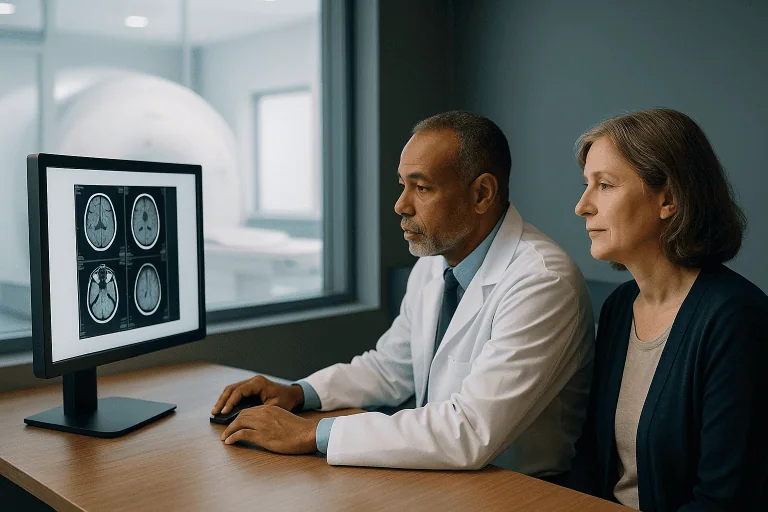
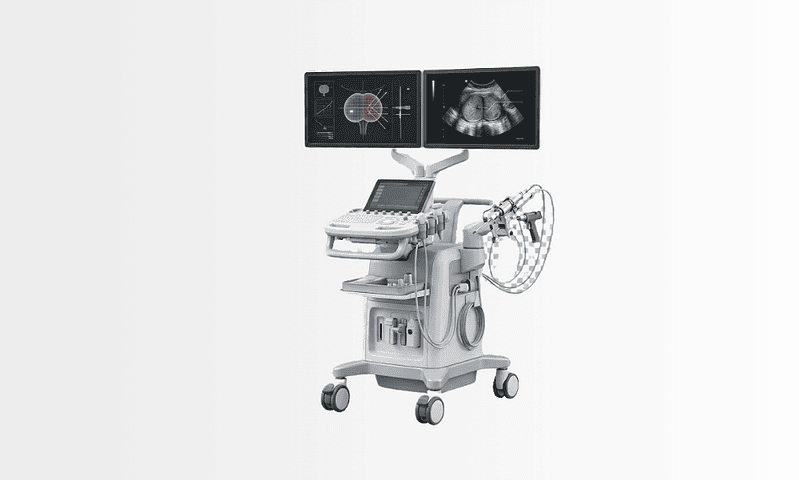
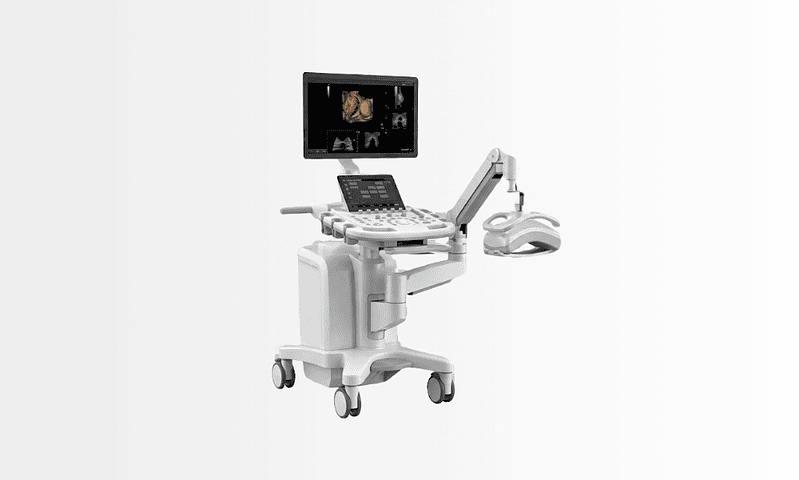
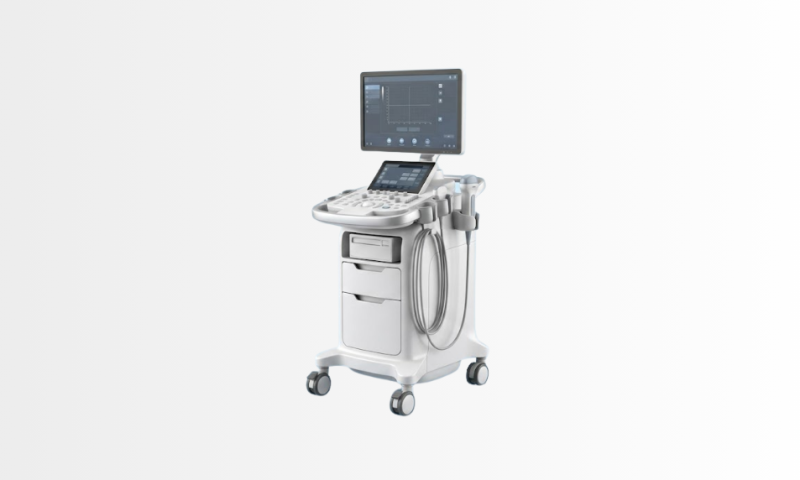
Modern MRI, CT and ultrasound, nuclear medicine including staging scans, and interventional radiology, with your existing imaging re-read as standard rather than repeated by default.
Do you repeat tests I already had?
Only for a stated reason, usable existing studies are integrated, and any repeat is explained rather than assumed.
How fast is scheduling?
Coordinator-managed, with medical fast-tracking where needed; the variable that actually compresses a trip is your records arriving before you do.
How long will treatment take?
The written plan states it: consultations and diagnostics compress into days, operations typically into one to two weeks including checks, radiotherapy courses run over weeks by design.
Can my companion stay with me?
Rooms are designed for companions, and the visiting rules on this page state current arrangements; intensive-care settings have their own explained protocols.
Which airport do I use?
İzmir Adnan Menderes, direct to Istanbul and much of Europe, with transfer arranged as standard by the international office.
Is İzmir practical for a longer treatment stay?
Genuinely: an easy coastal city, hotels of every class near the campus, and a climate that makes weeks-long companion stays gentler than most medical travel anywhere.
How does payment work for international patients?
Written estimate before treatment; payment methods, insurers and guarantee letters confirmed case by case in writing by the international office.
Does the hospital work with international insurers?
Case by case and in writing for your specific treatment, including the coast-resident insurers the campus deals with routinely.
Can I get a second opinion without visiting?
Yes, written, records-based second opinions are standard, and imaging-heavy questions in particular travel better as data than as patients.
Will my doctor at home receive a handover?
Always: a written summary, your imaging and laboratory data, and a follow-up plan addressed to whoever continues your care.
What should I bring to a first visit?
Every report and scan in any language, a complete medication list including supplements, and your written questions, records are the most valuable luggage.
Is emergency care available on site?
Yes: a full round-the-clock emergency service with a flagship’s theatres and intensive care behind it, which for the coast’s residents is much of the point.
Do the doctors here appear in the unit guides?
Yes: the guides label each lead’s campus, and the İzmir Kent-labelled professors in endocrinology, thoracic surgery, psychiatry, neurosurgery, pathology and other units practise here.
What if an Istanbul campus suits my case better?
The coordinators say so unprompted and arrange it: MR-Linac at Maslak, Gamma Knife and genetics at Altunizade, metabolic surgery at Ataşehir/Altunizade, congenital hearts at Atakent.
Can ongoing conditions be managed here long-term?
Yes: that is the campus’s second identity: standing care for the region’s residents, with the group’s systems, records and specialists in continuous rather than episodic mode.
Is a records review enough if I am unsure treatment is needed?
Often: a written opinion is a complete outcome, and “no treatment needed” or “manage this at home with your doctor” are answers this platform treats as services.
Why choose Acibadem Kent over other hospitals in İzmir?
For what this page can evidence: the Aegean’s JCI-accredited flagship: 89,000 m², professor-led units named in the group’s own guides, a complete cancer pathway, heart and neurosurgery, running the same records-first international process as the Istanbul flagships.
Medical Units at This Hospital
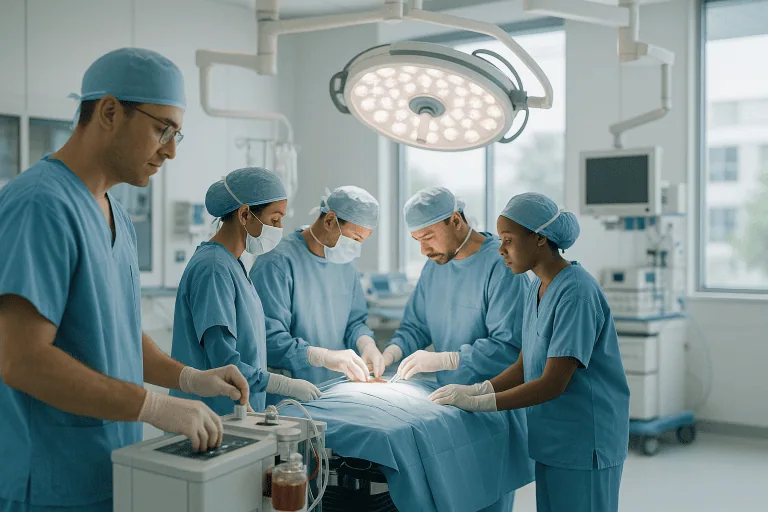
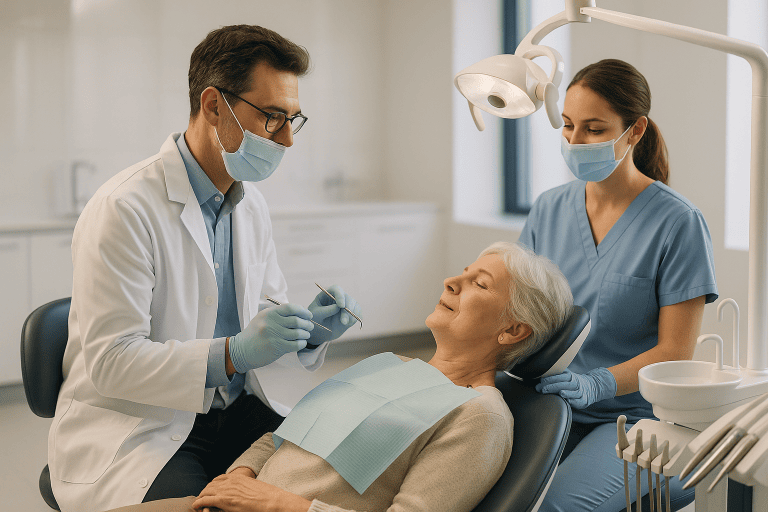
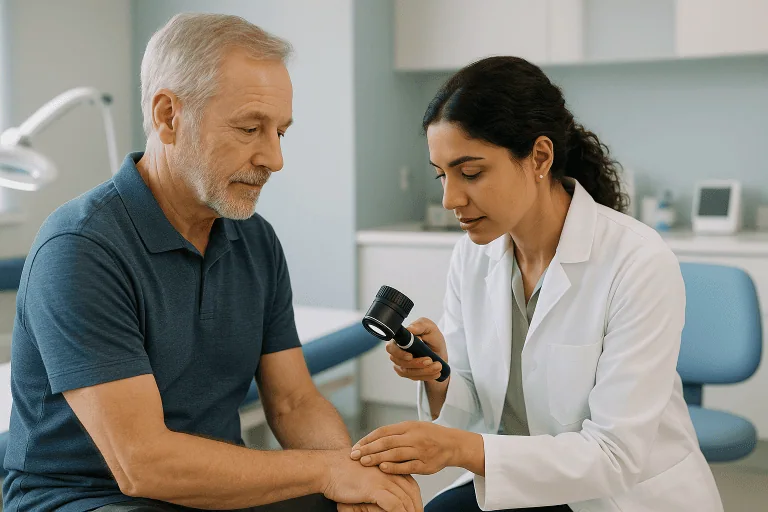
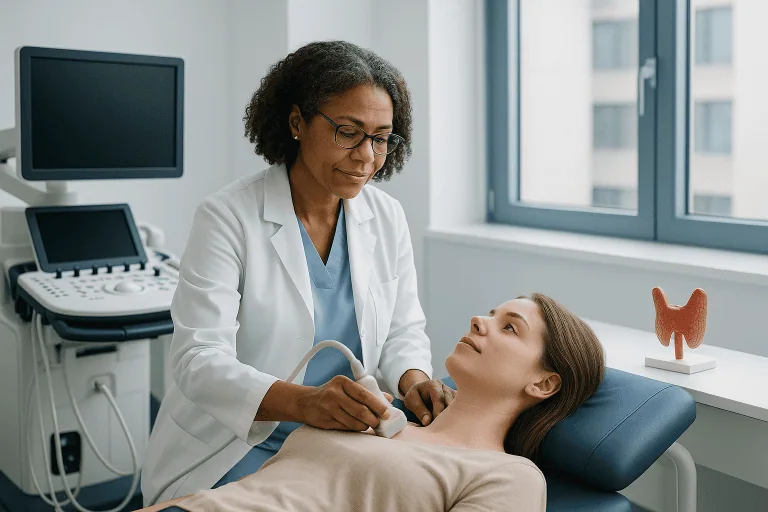
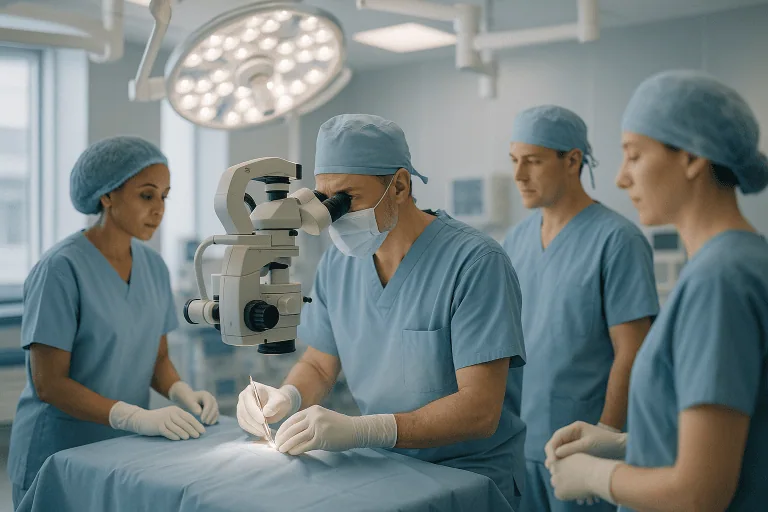
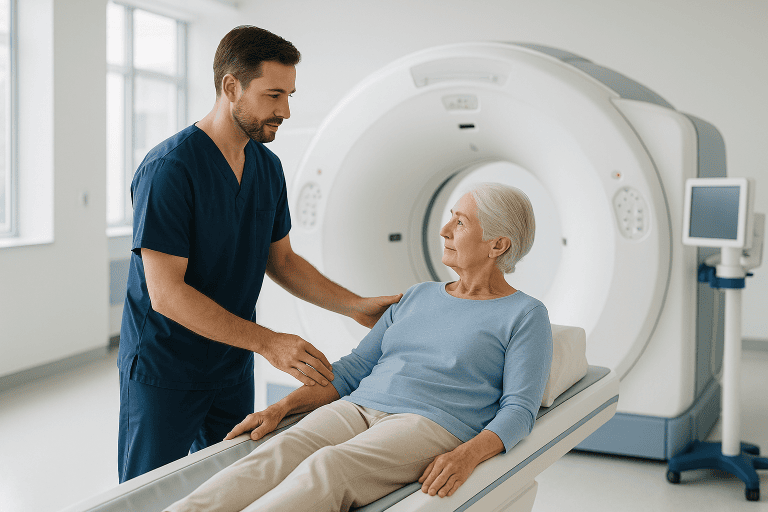
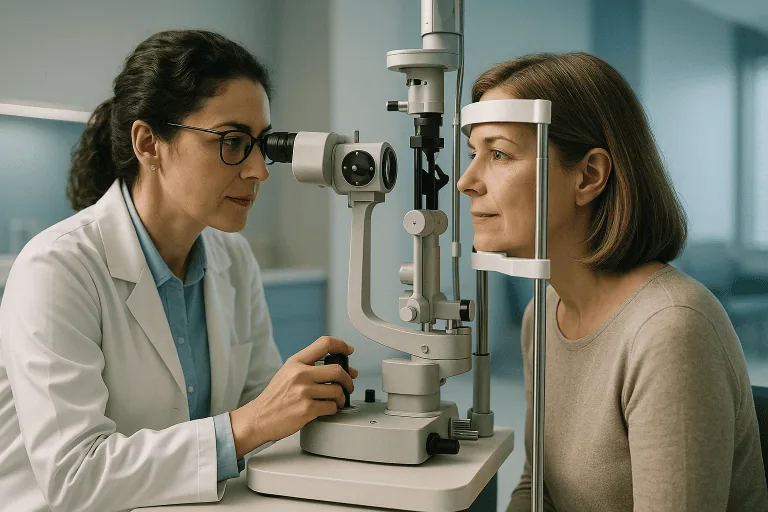
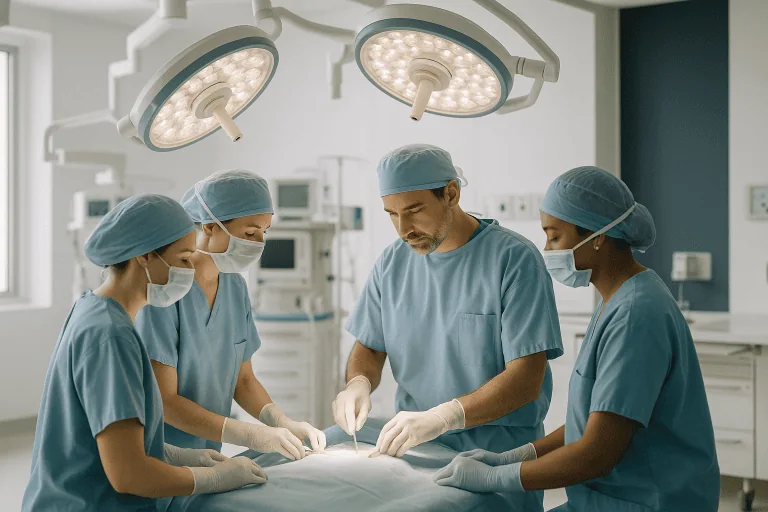
Every department that sees patients here, each one opens its own page with the team, technologies and treatments.







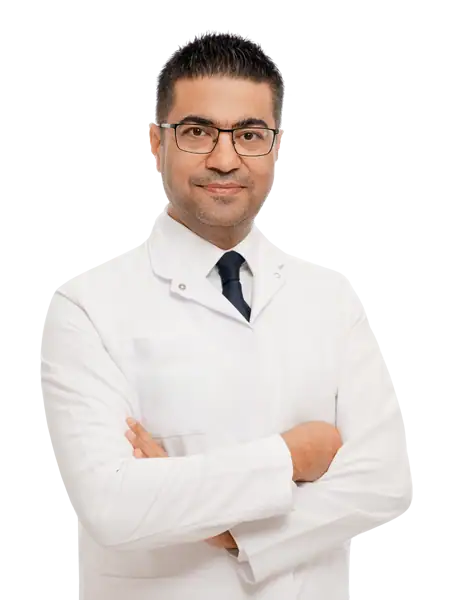
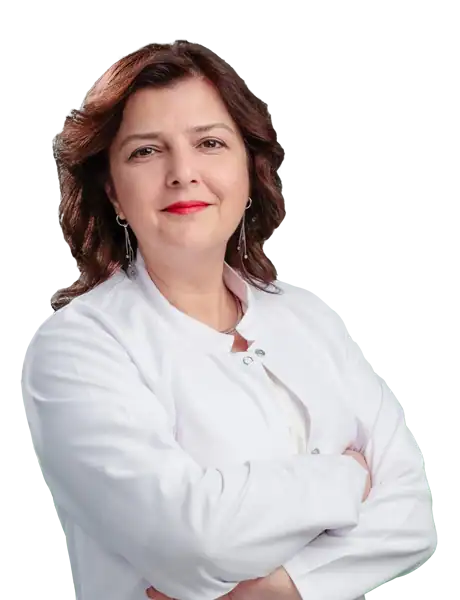
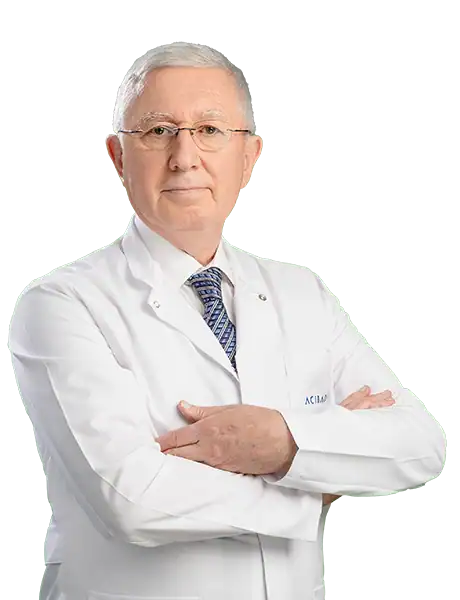
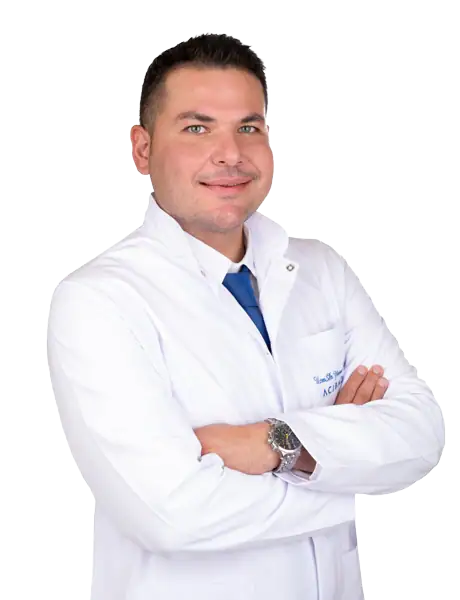
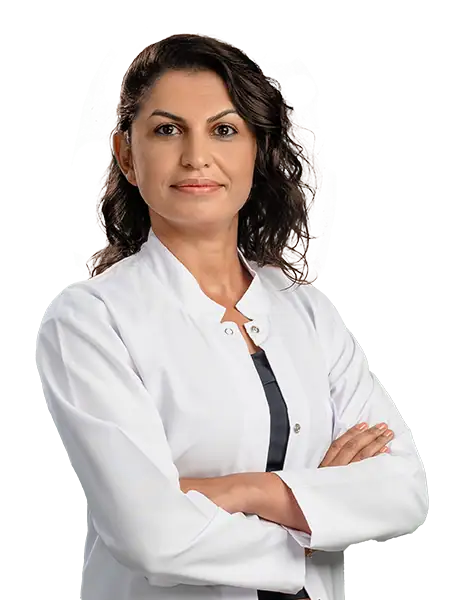
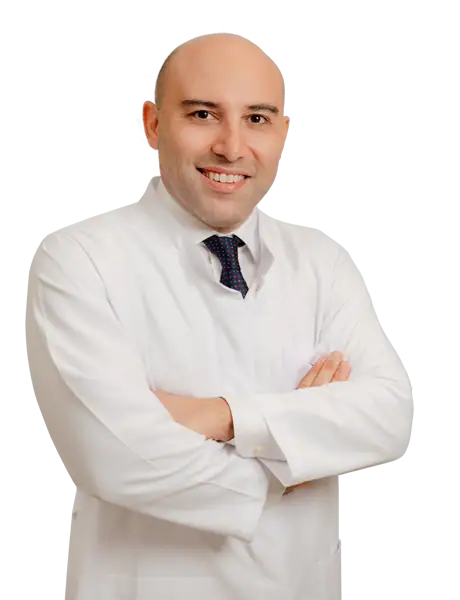
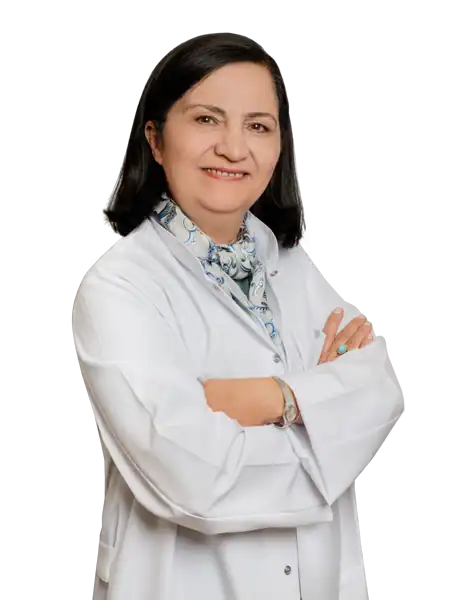
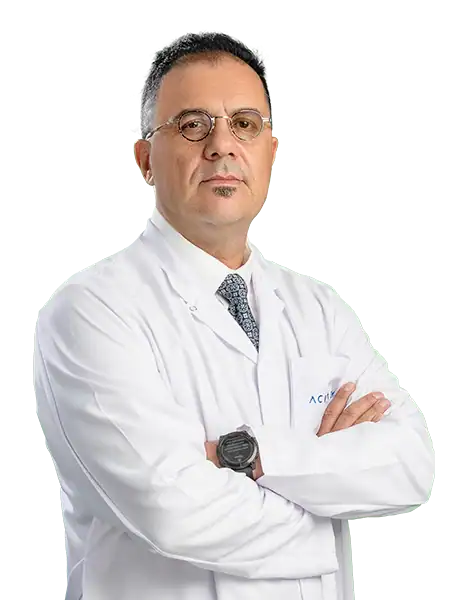
Doctors at This Hospital, Field by Field
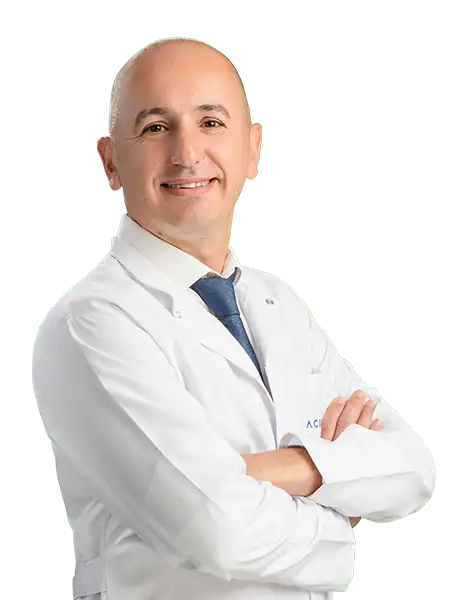
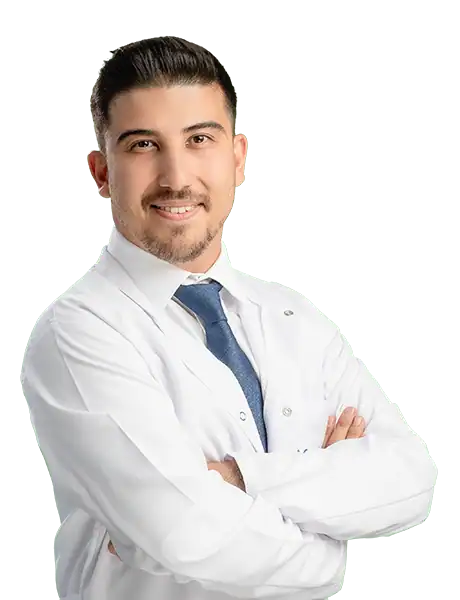
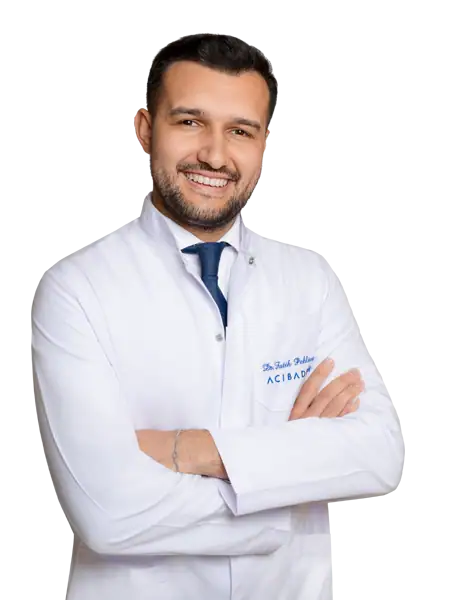
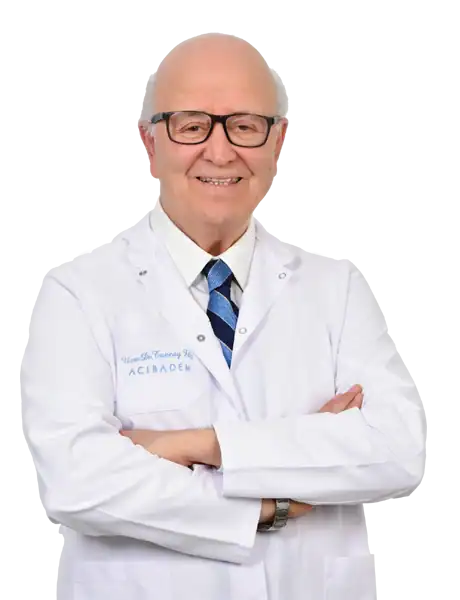
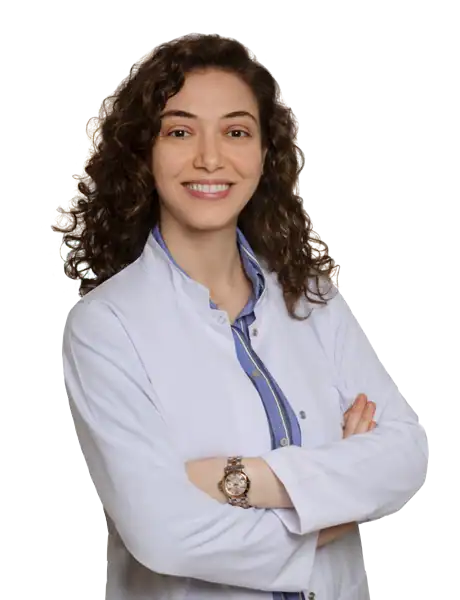
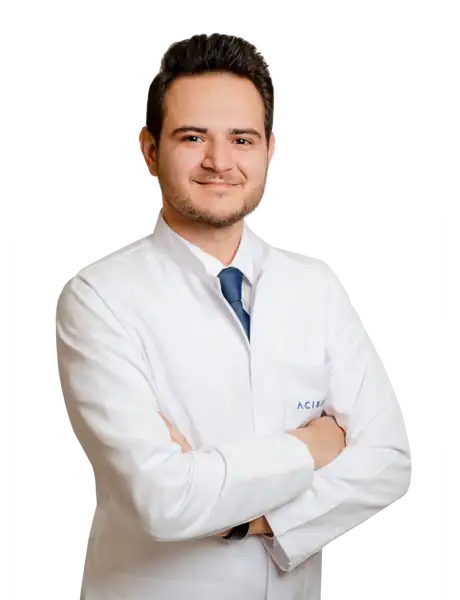
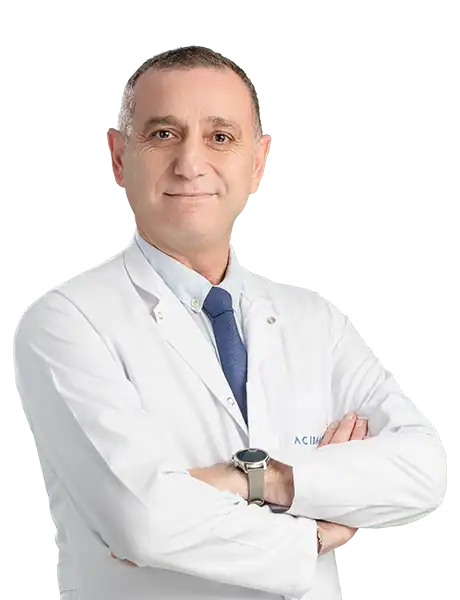
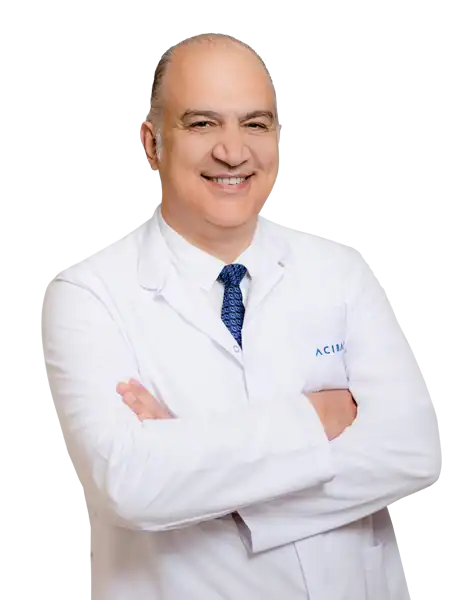
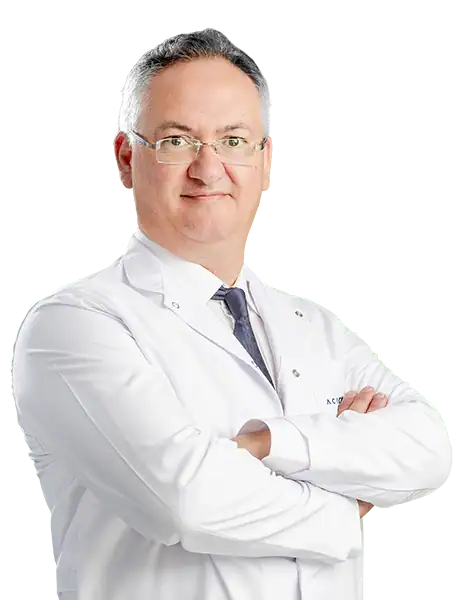
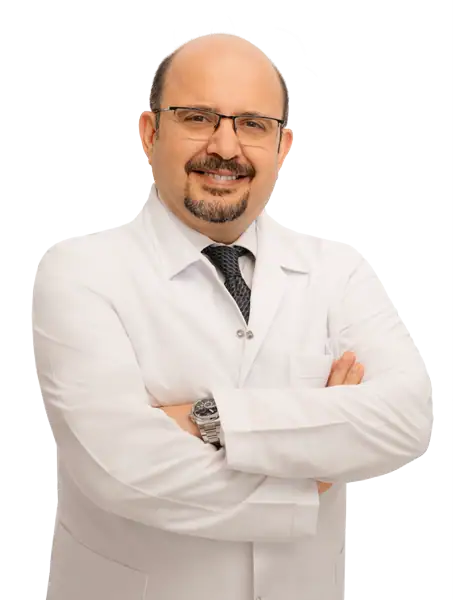
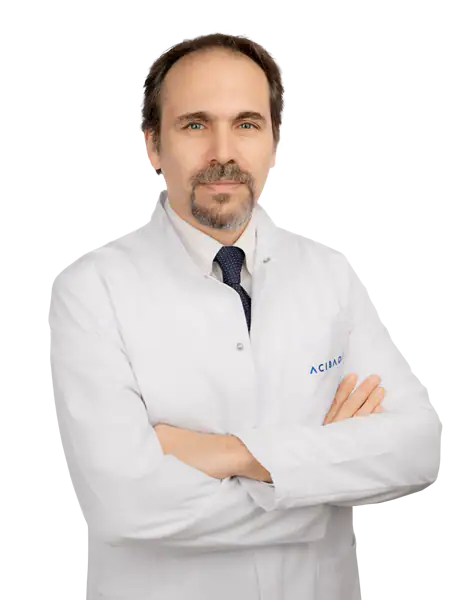
Choose a field to see every specialist who practises here in that department. All 157 doctors are listed.
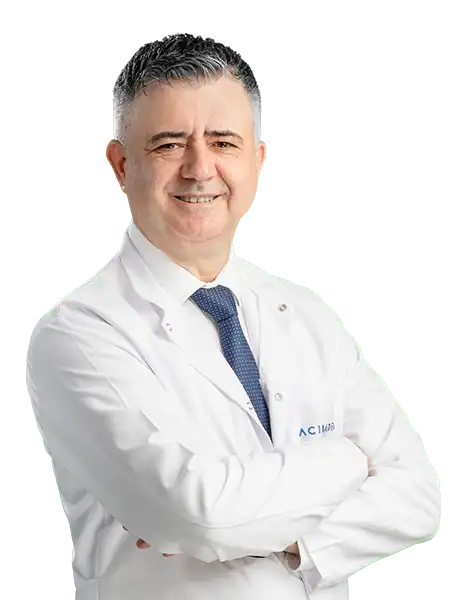
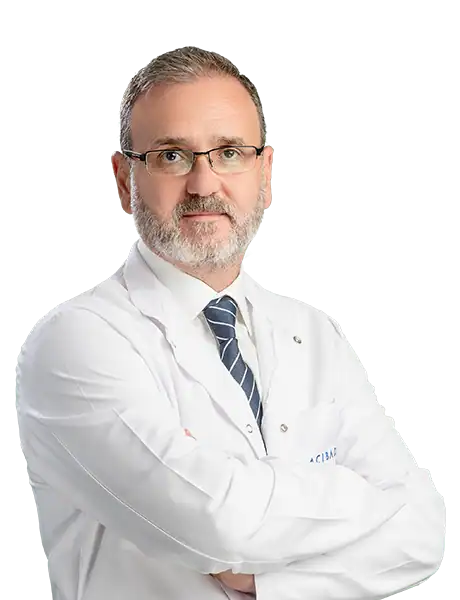

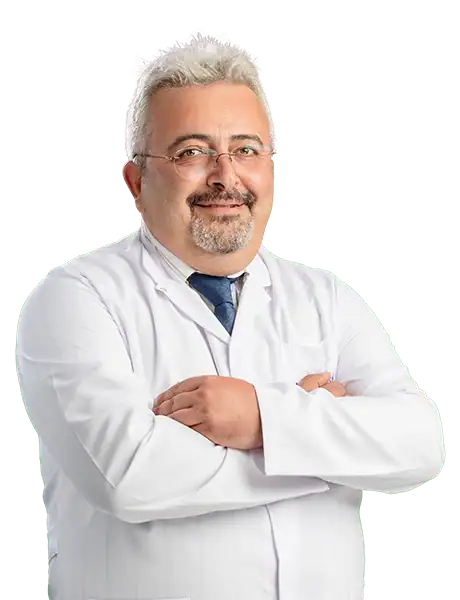
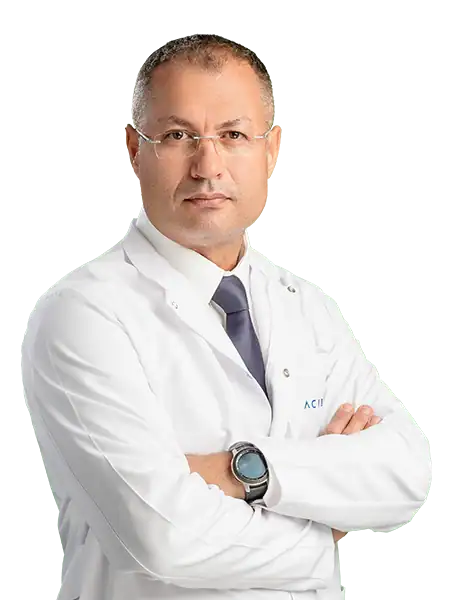

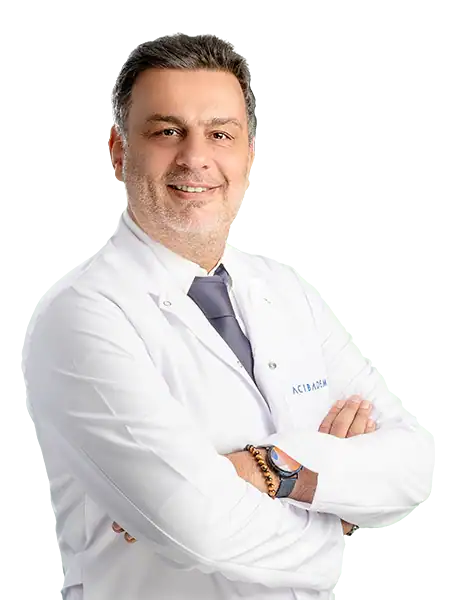
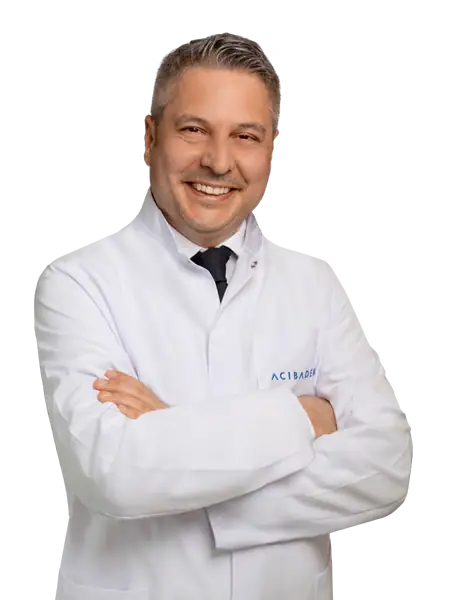

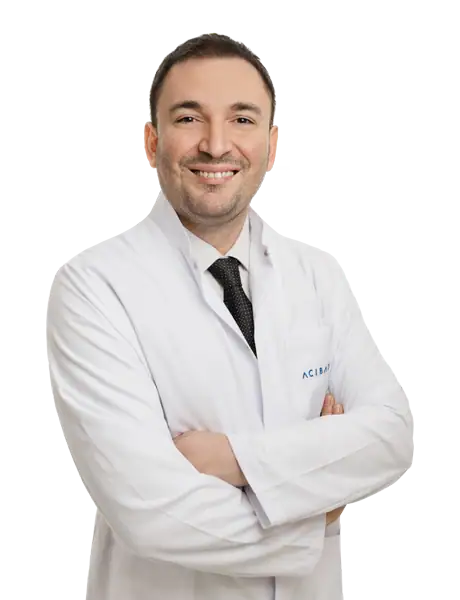
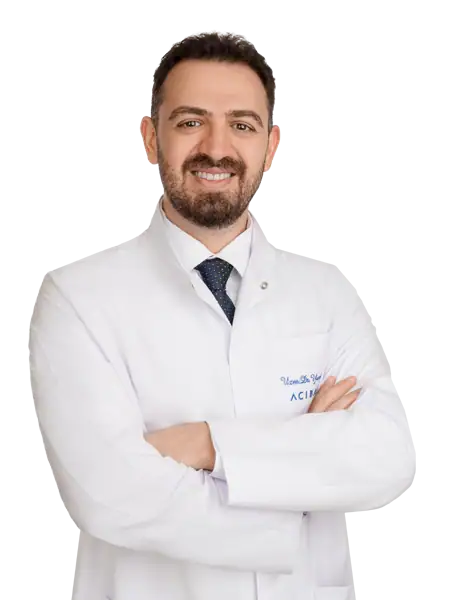

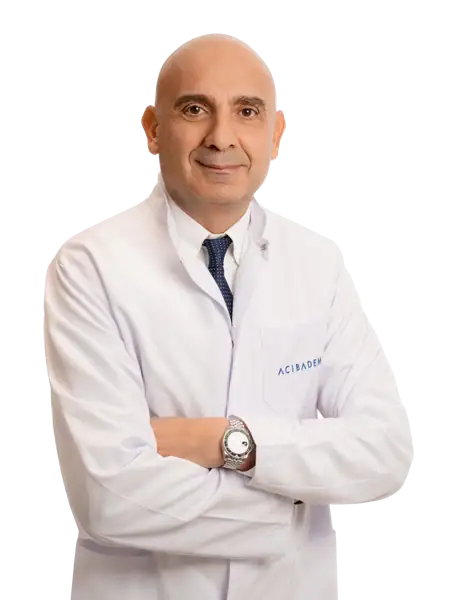

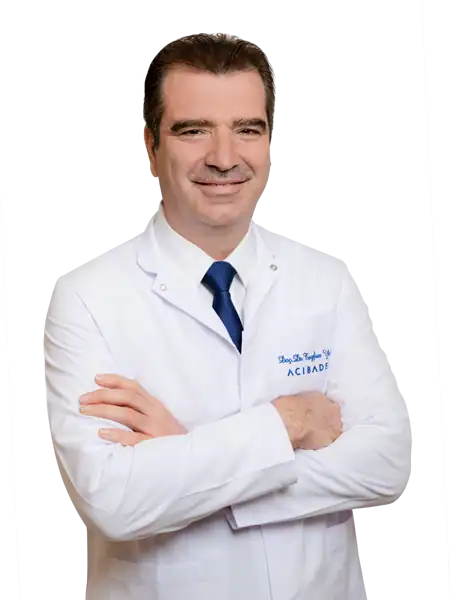
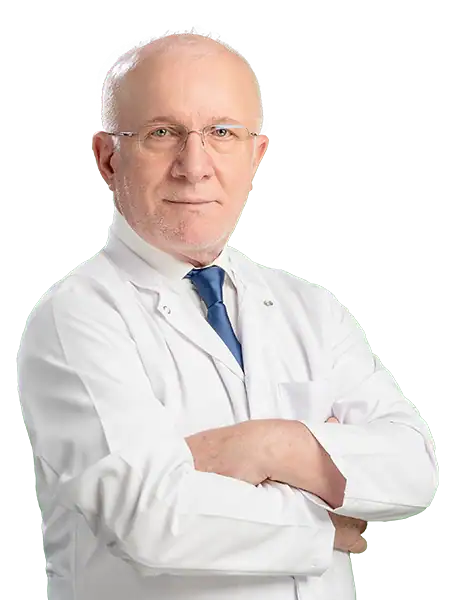
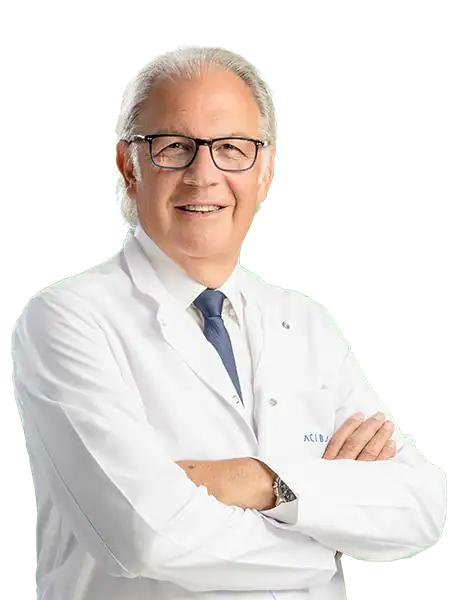
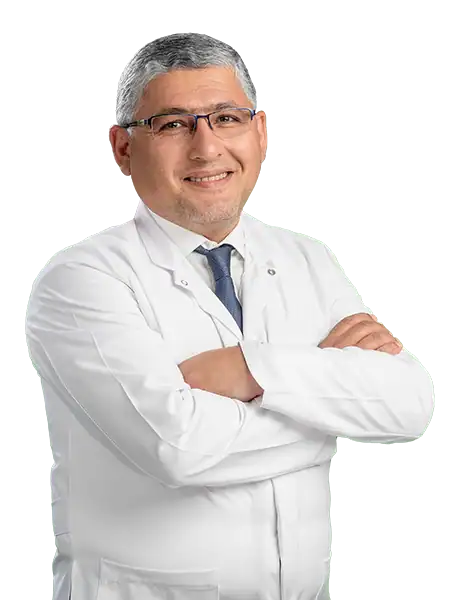
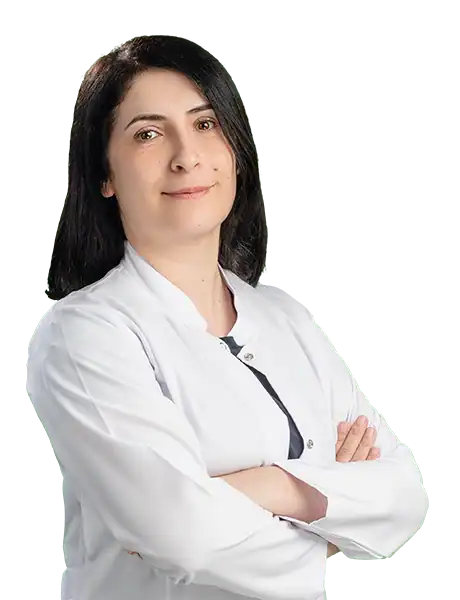
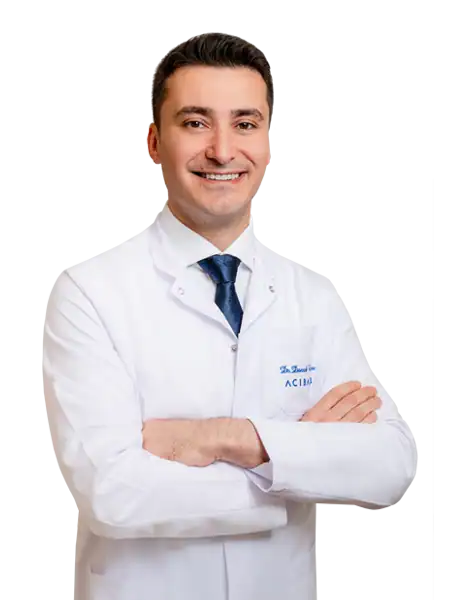

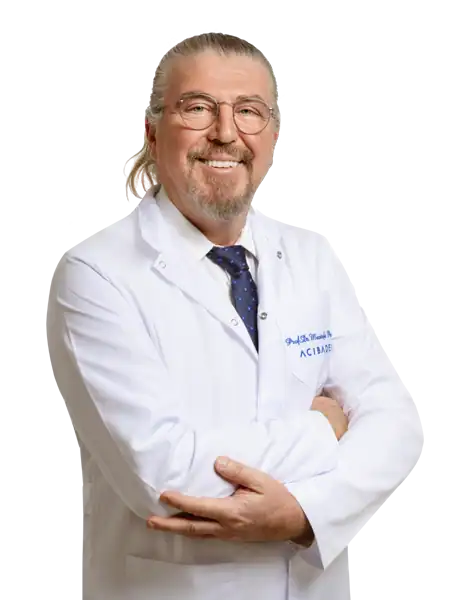
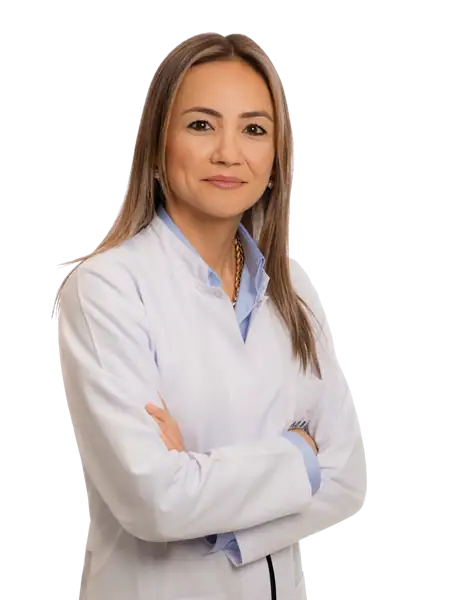
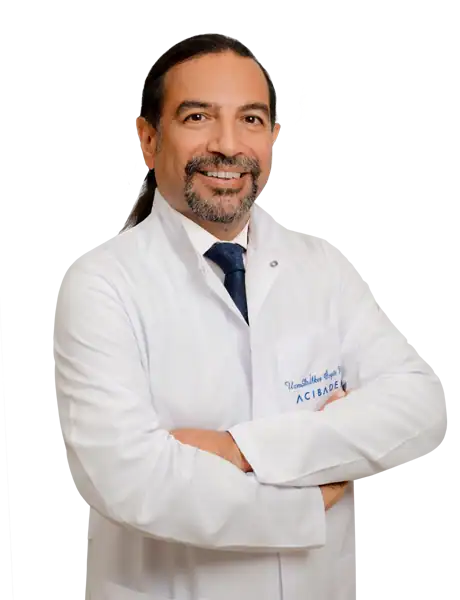
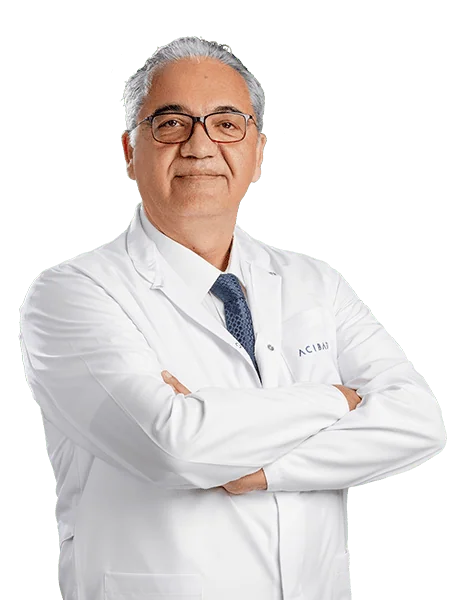
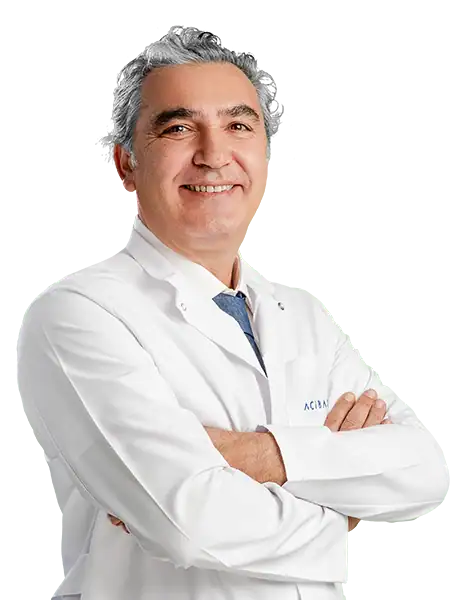


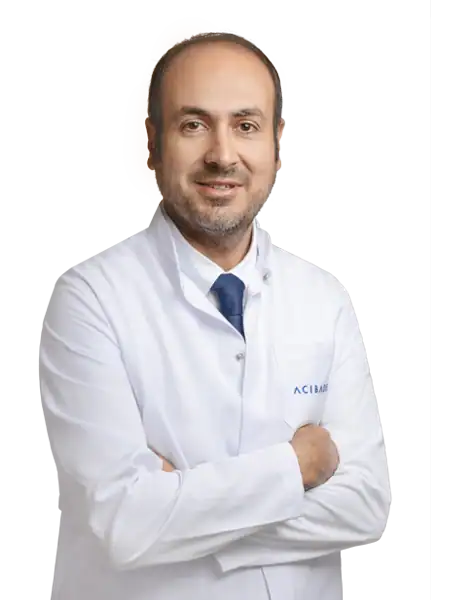

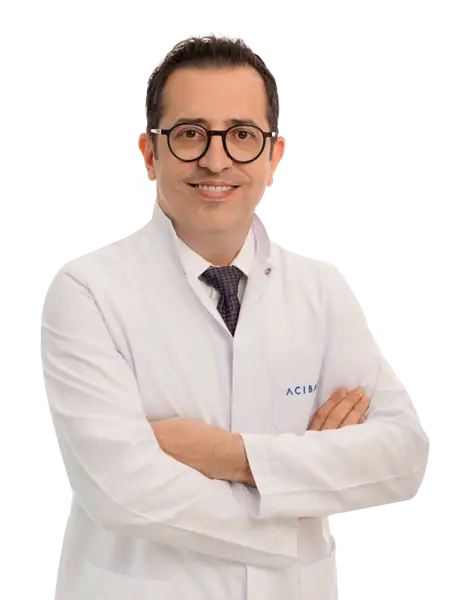


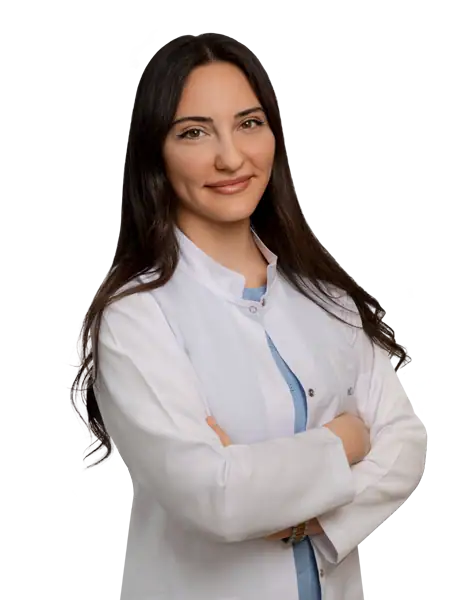

Physical Medicine & Rehabilitation
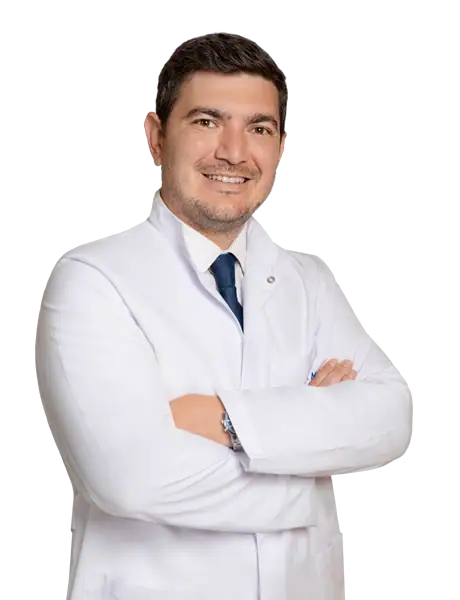
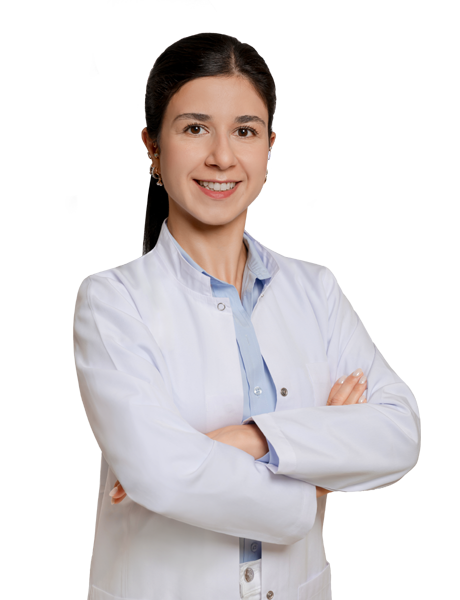
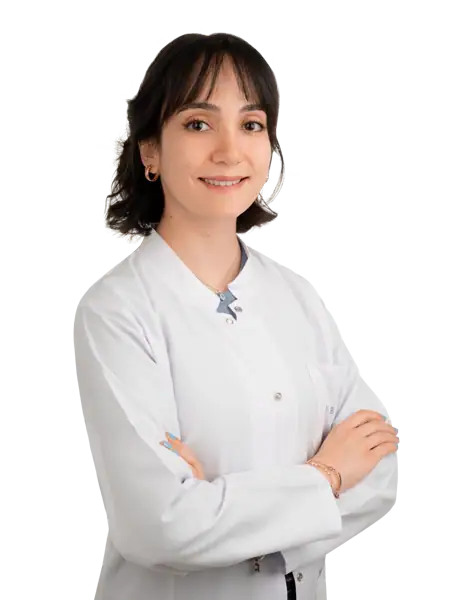
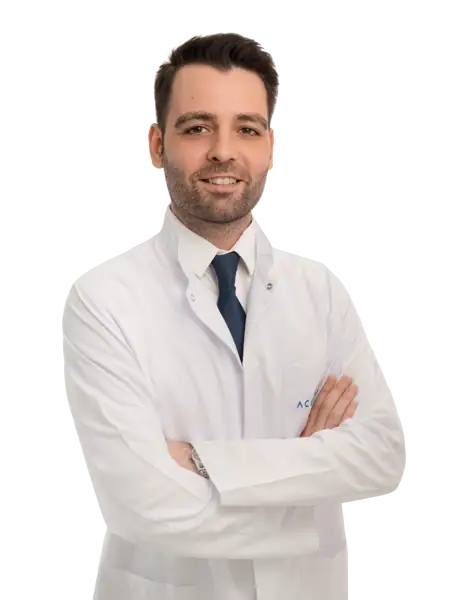
Ece Burçak Özuyguntaş, Physiotherapist
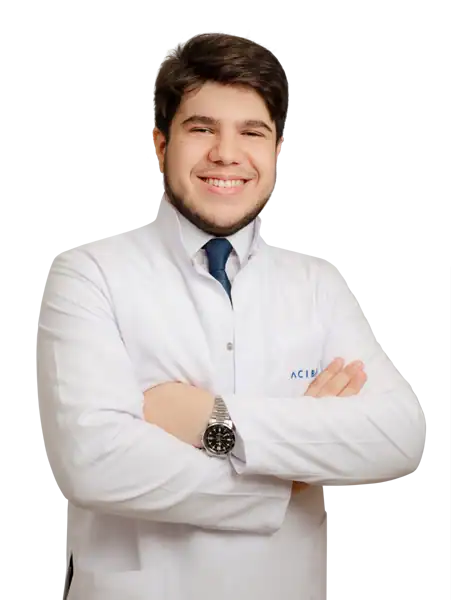
Physical Medicine & Rehabilitation
Alperen Mustafa Oğuz, Physiotherapist


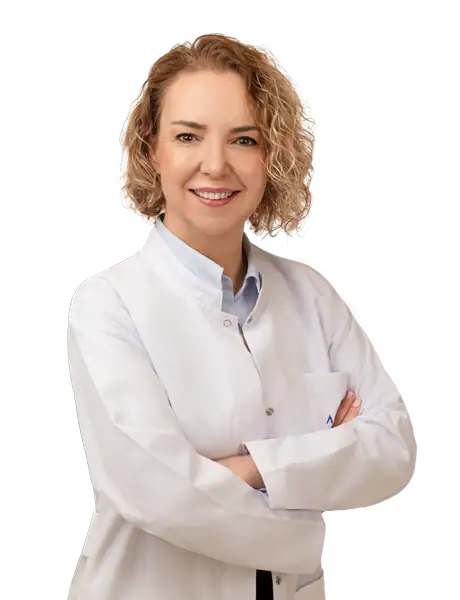
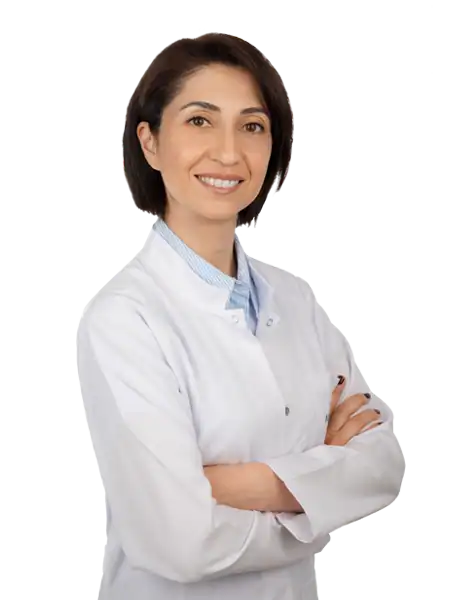
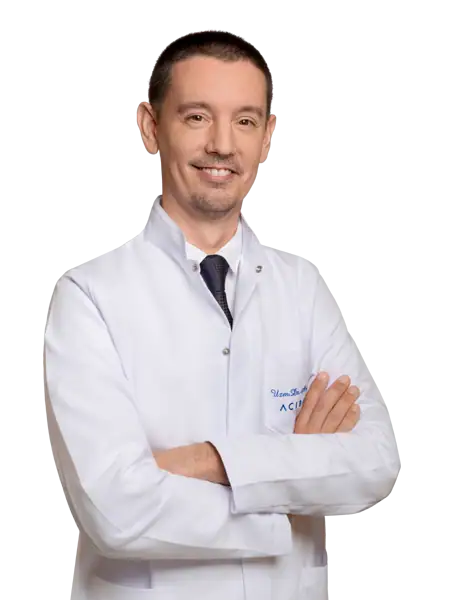


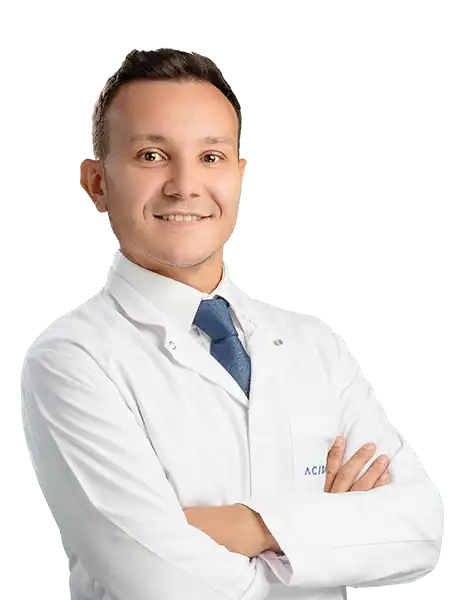


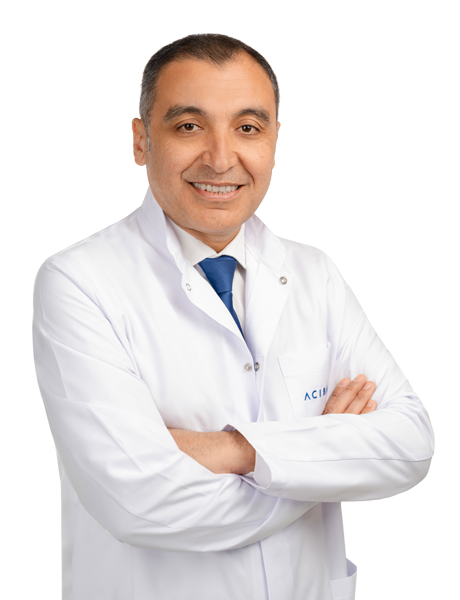
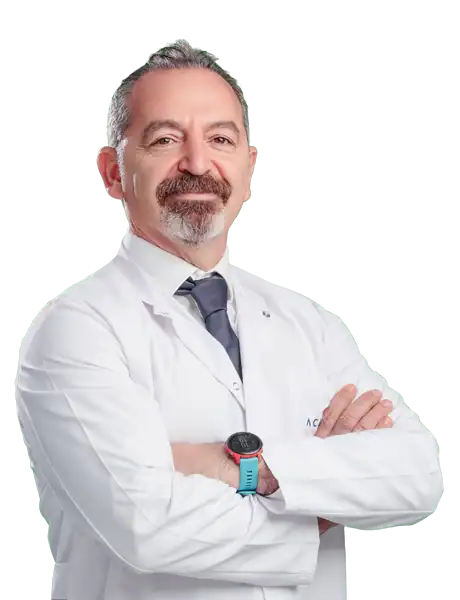
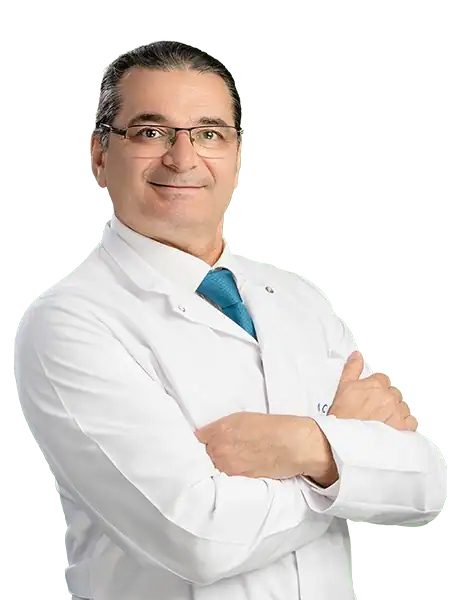
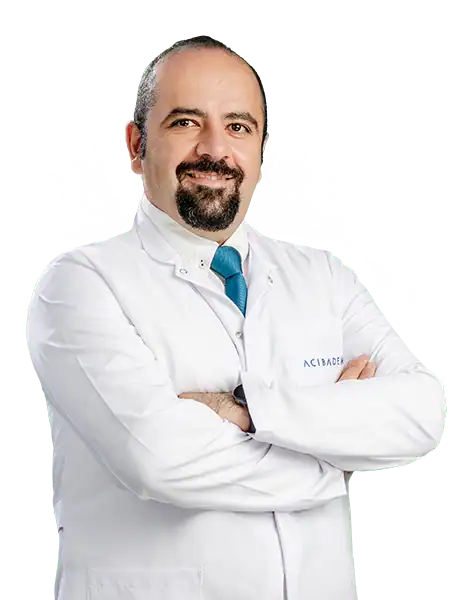


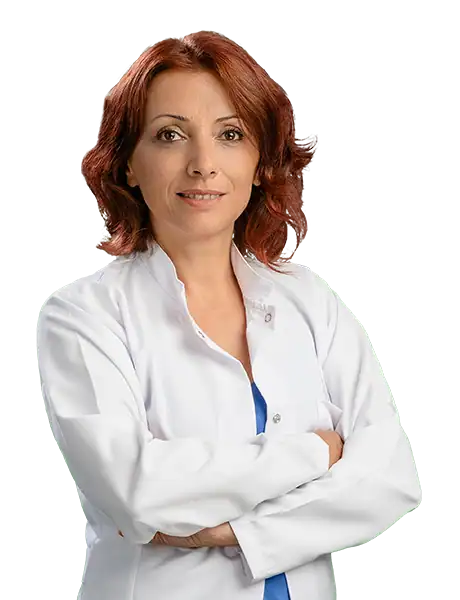
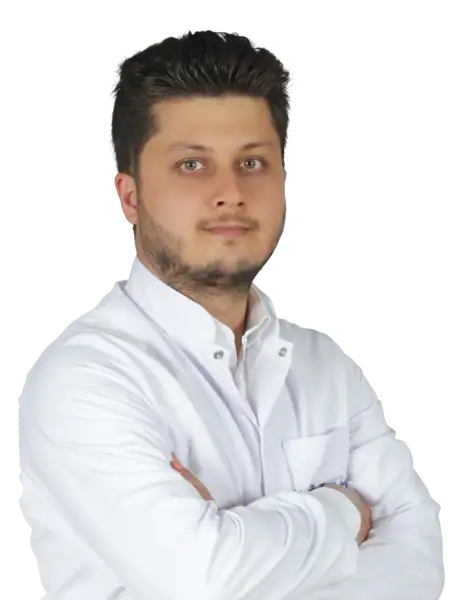




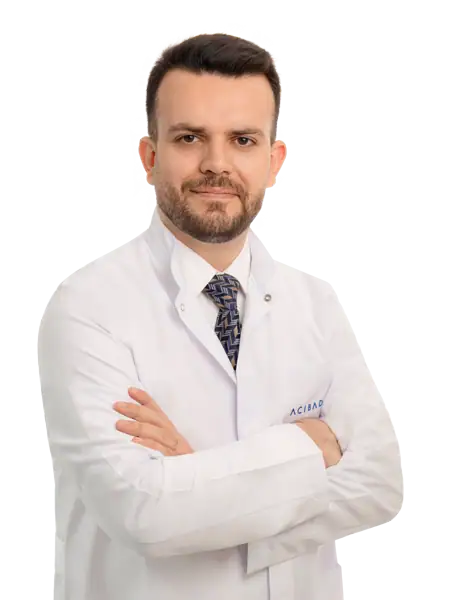

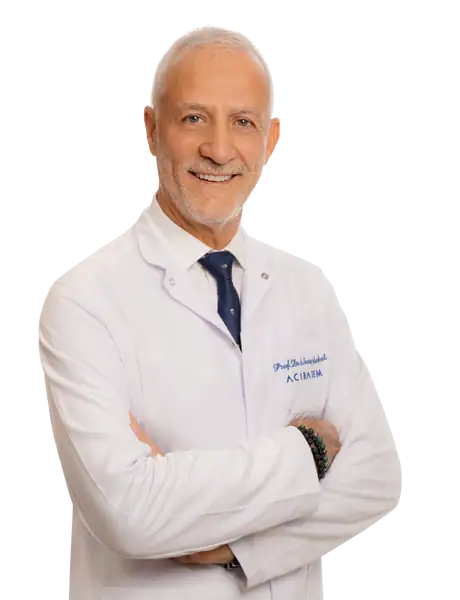
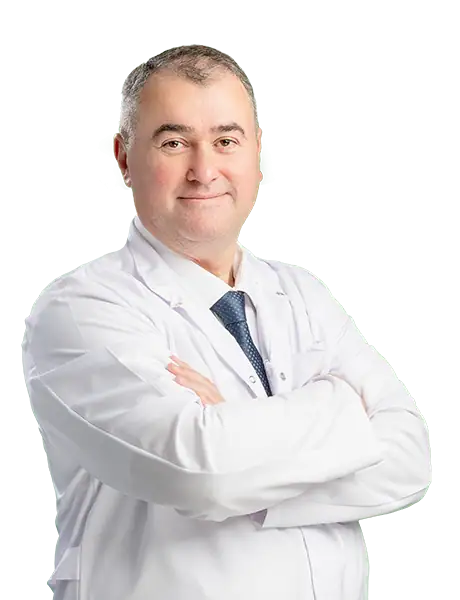
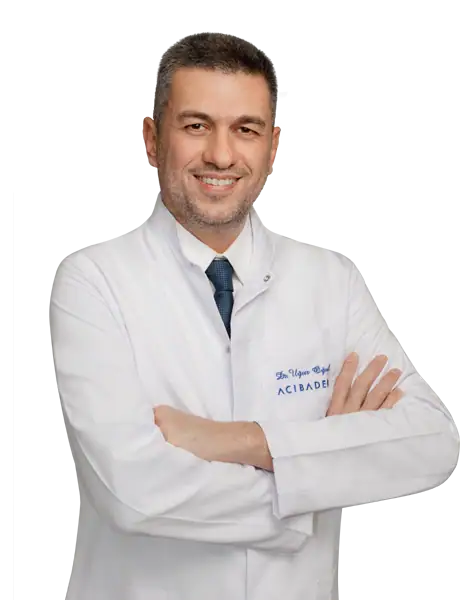
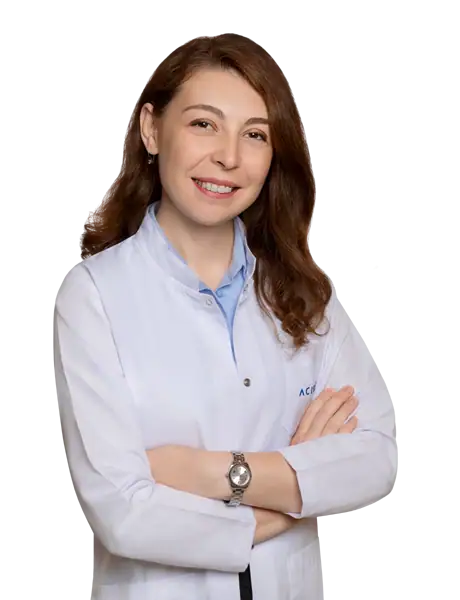
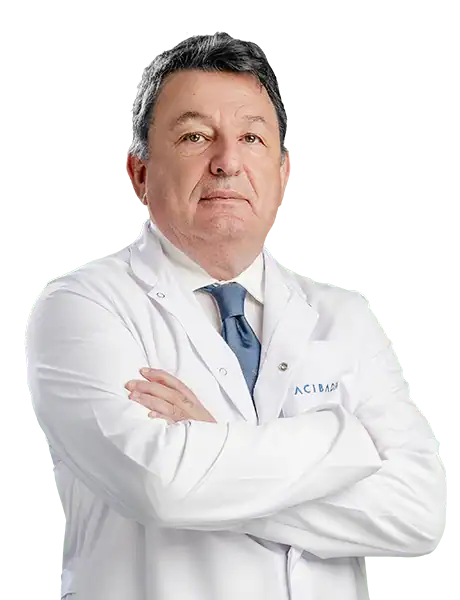
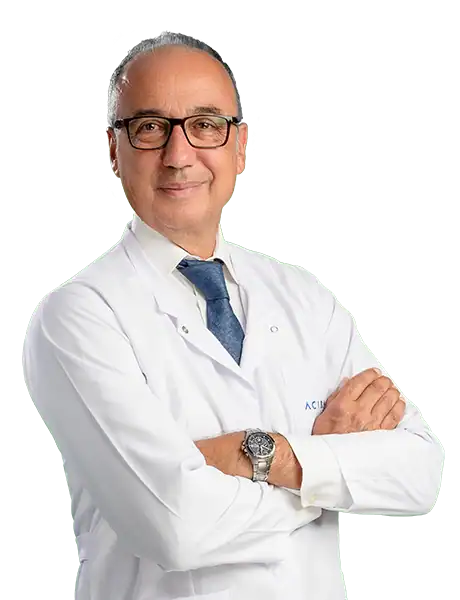


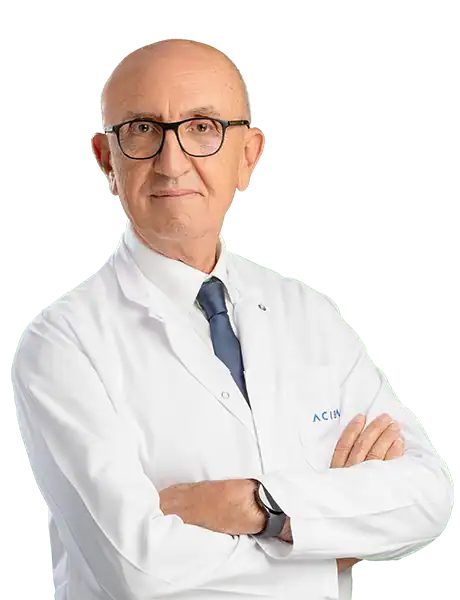
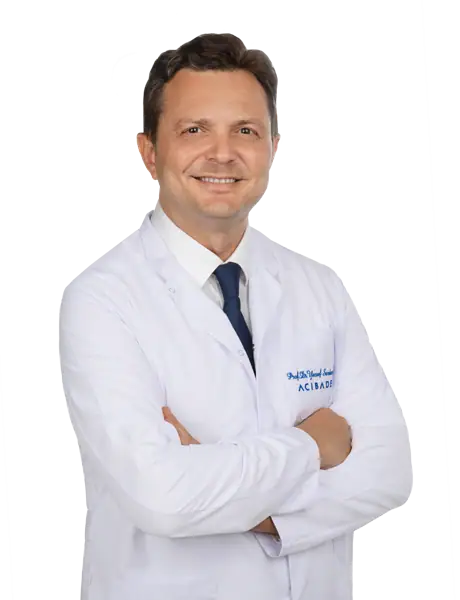
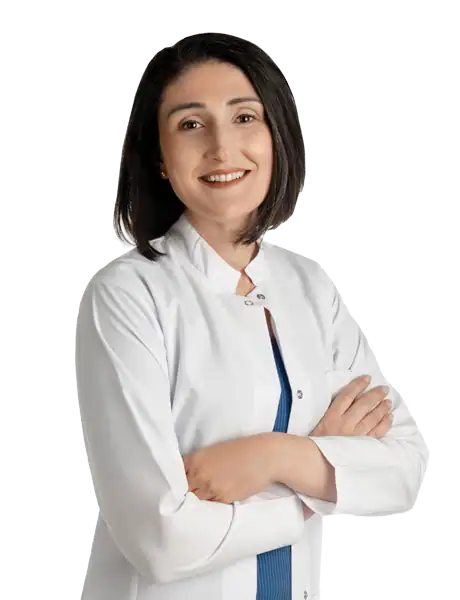
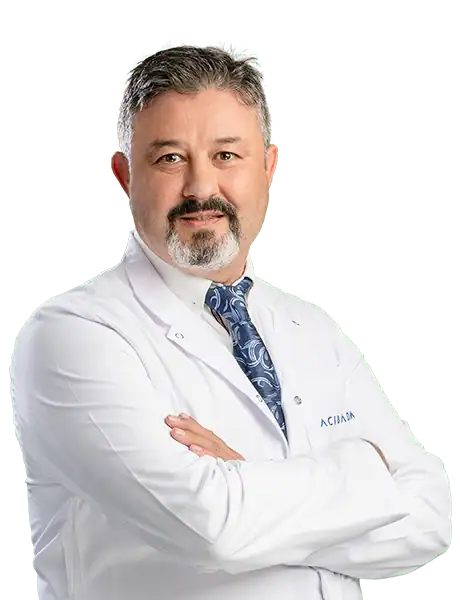
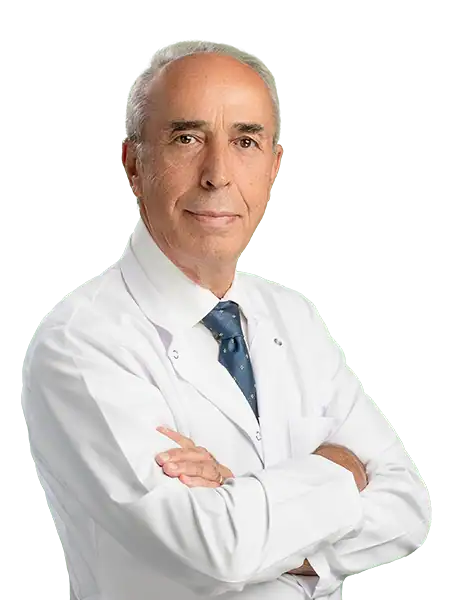
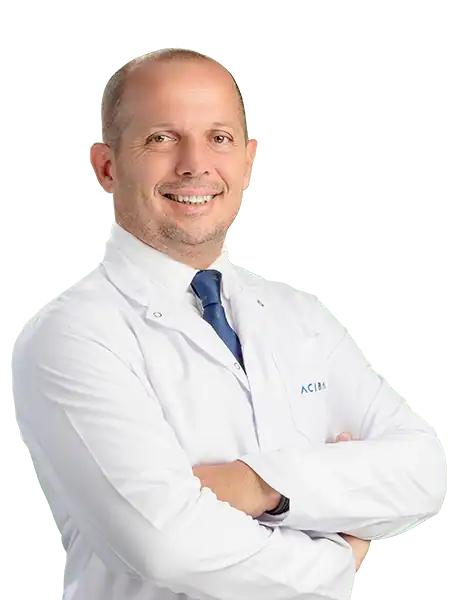


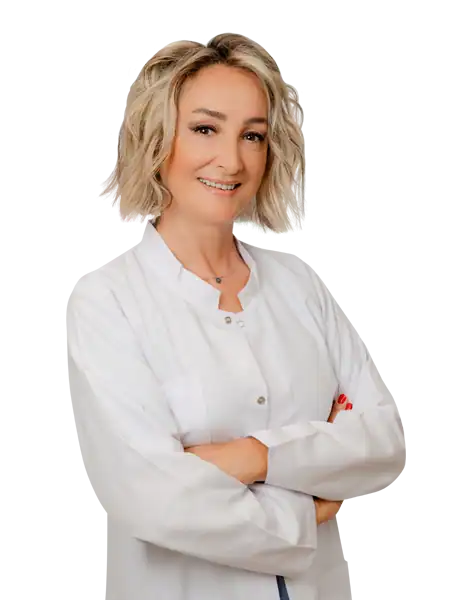

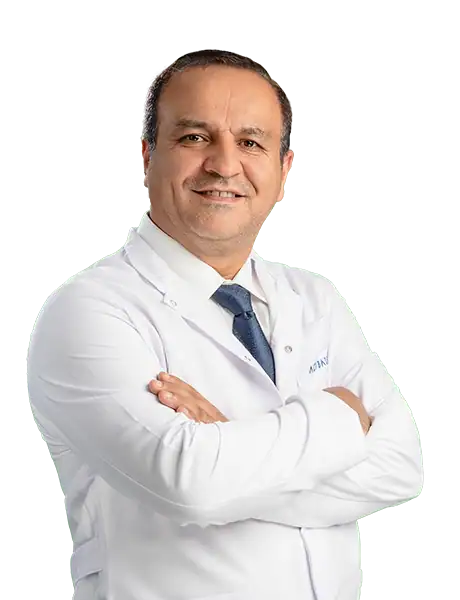
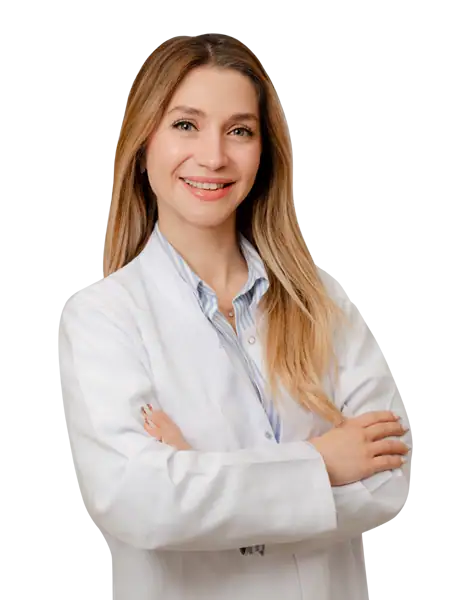

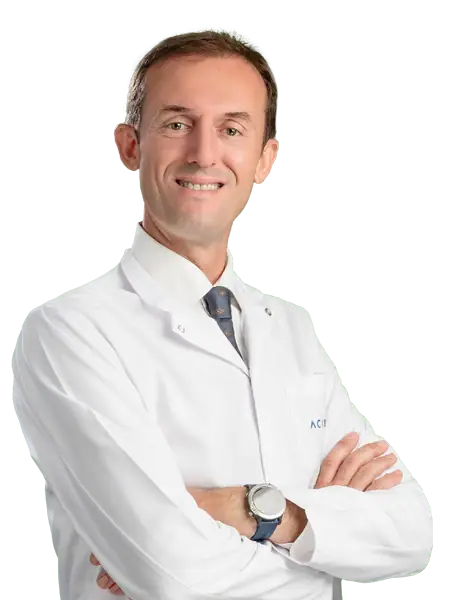
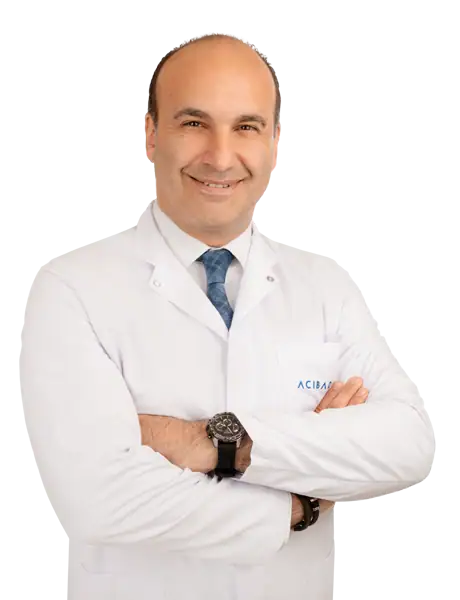
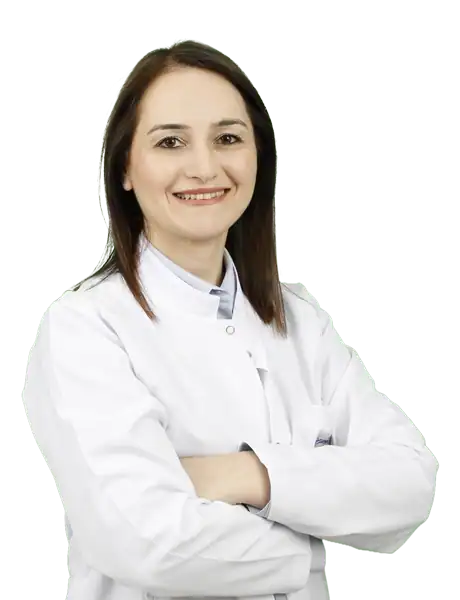
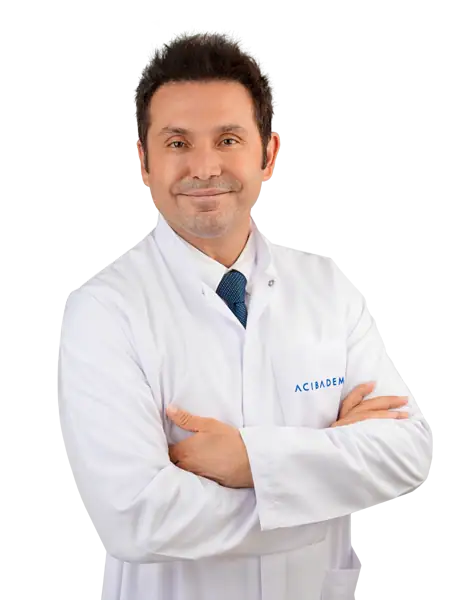







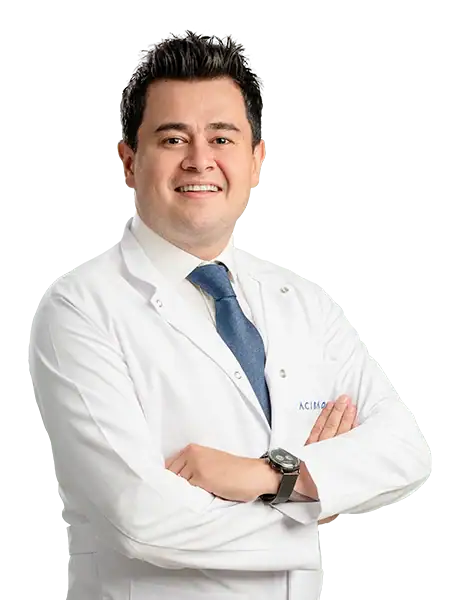



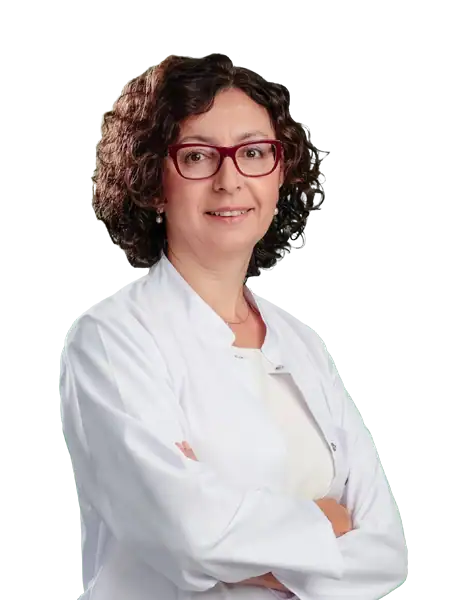
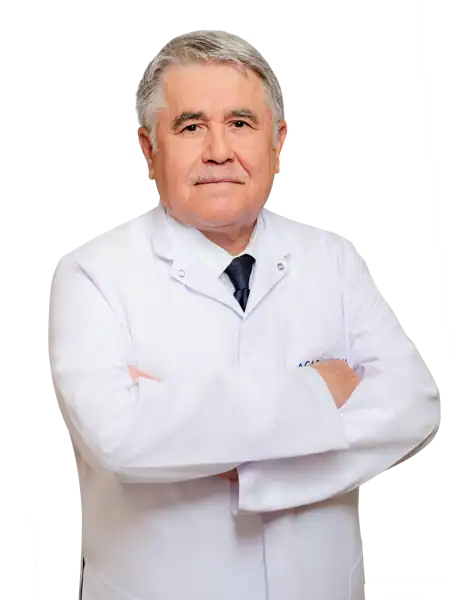
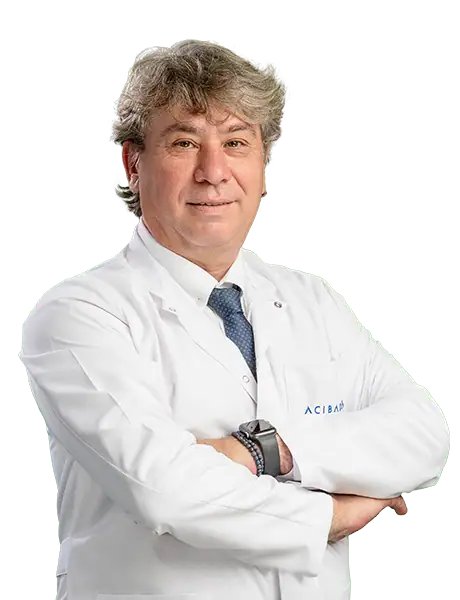

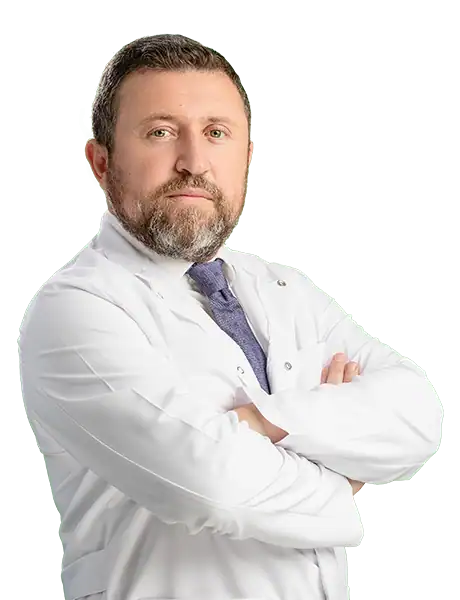




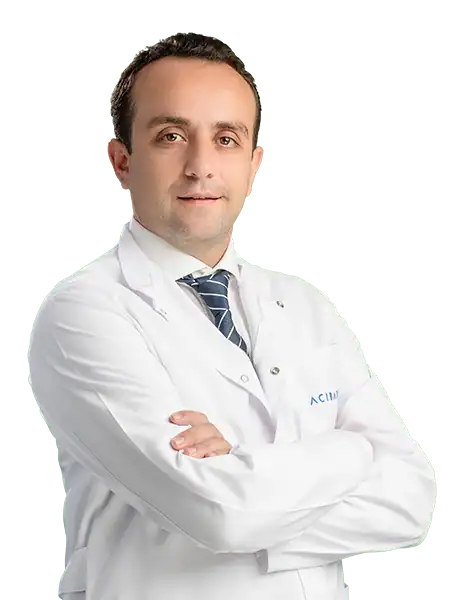
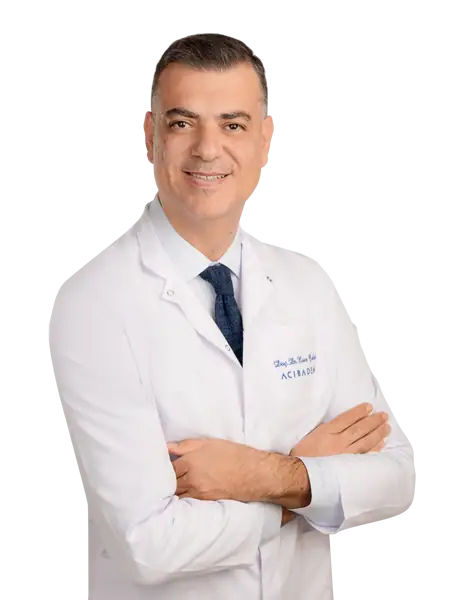
Vitro Fertilization and Reproductive Medicine Center
Assoc. Prof. Eser Çolak, MD
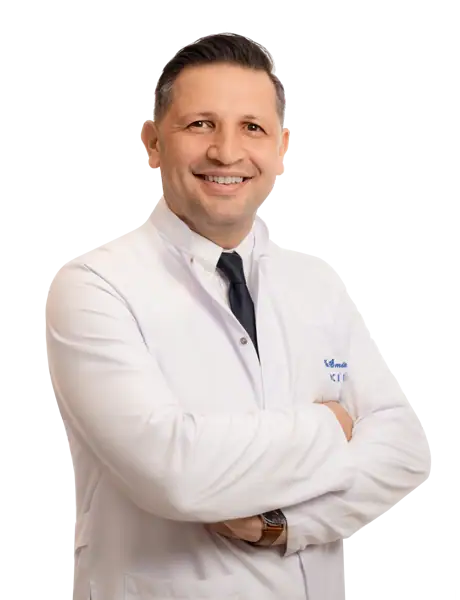






Medical Technologies at This Hospital
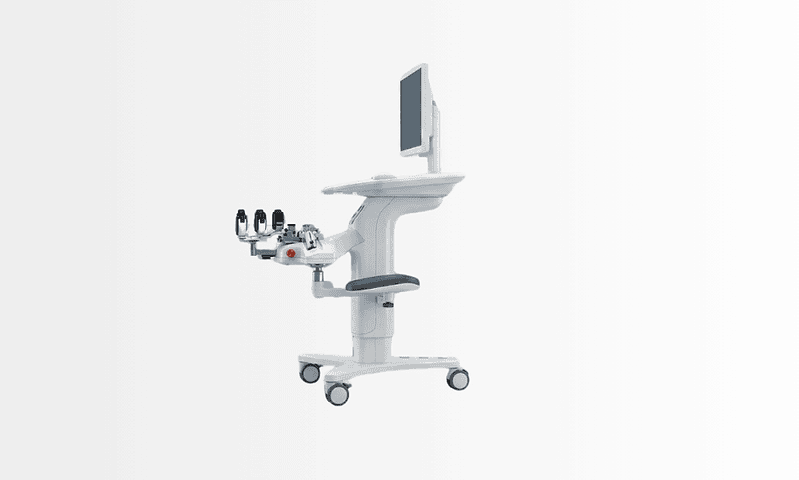
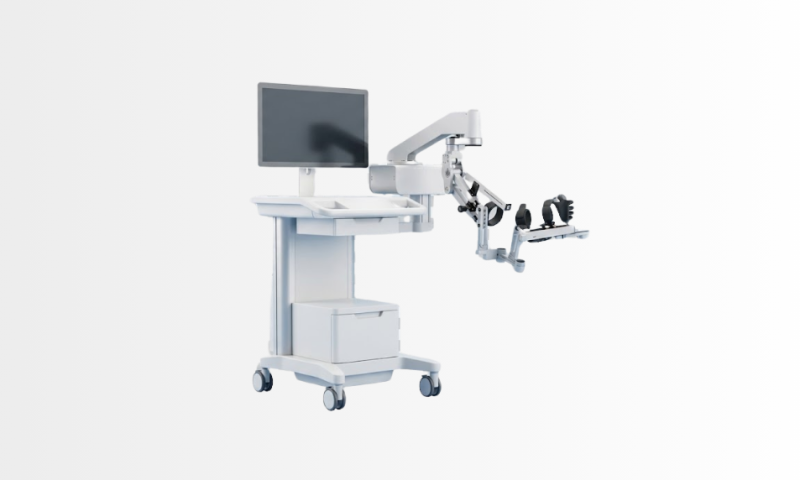
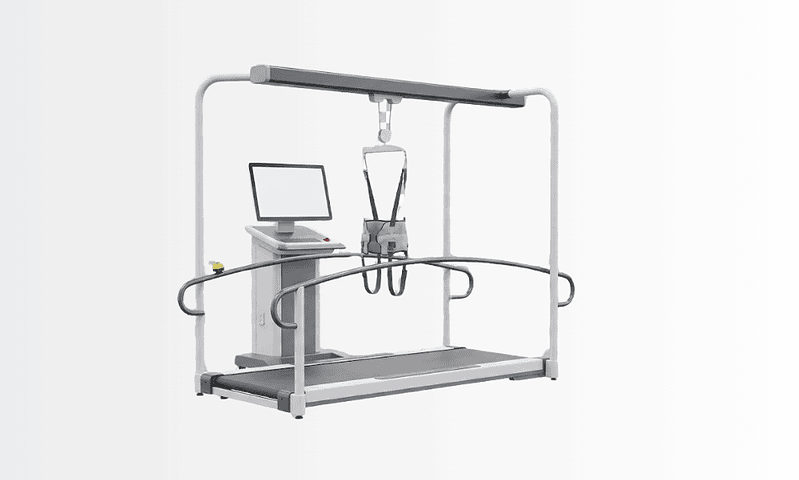
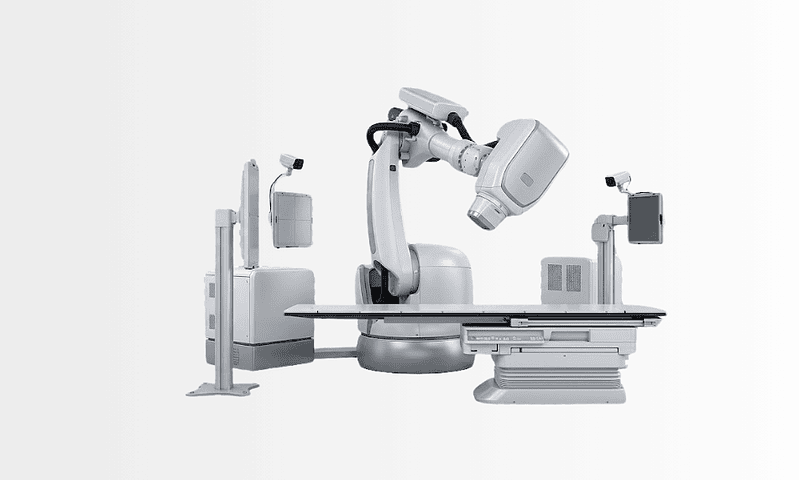
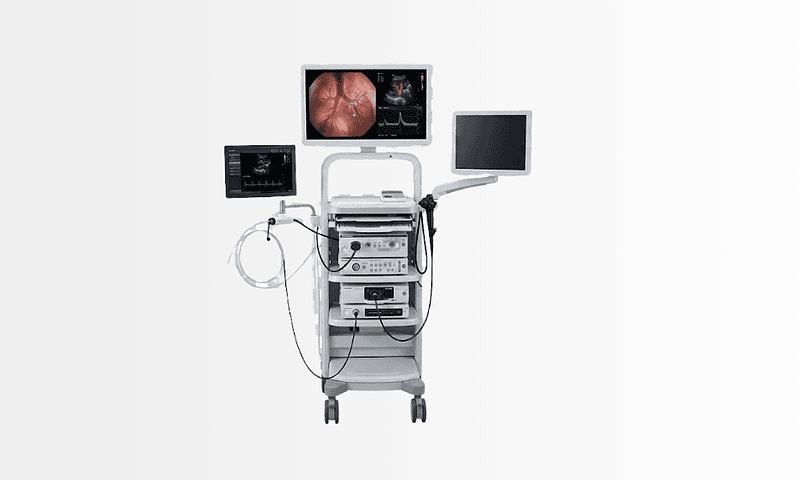
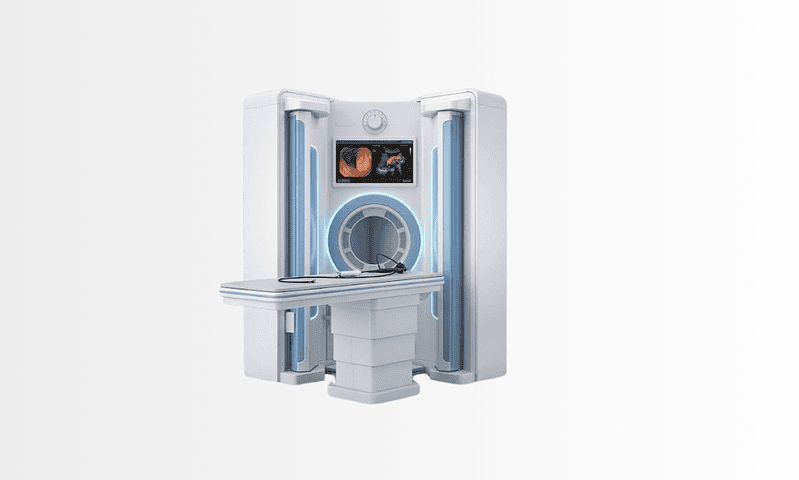
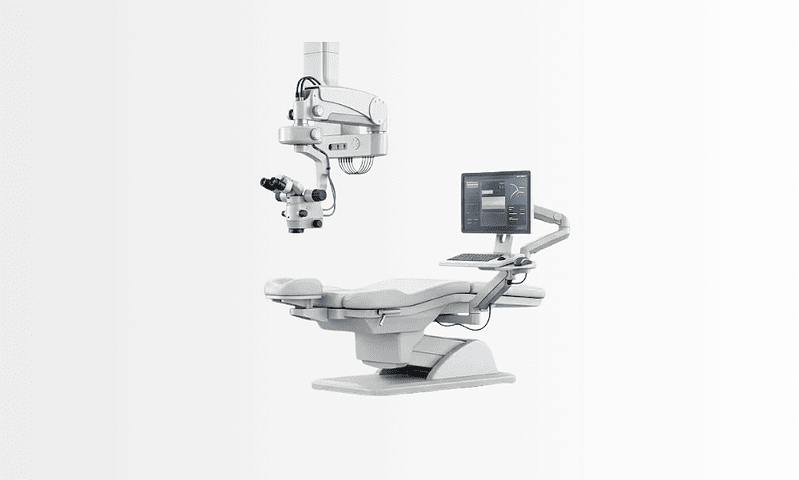
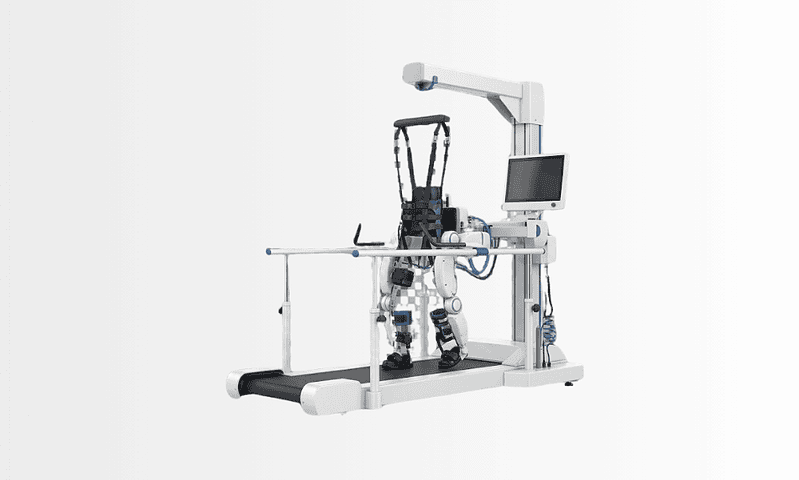
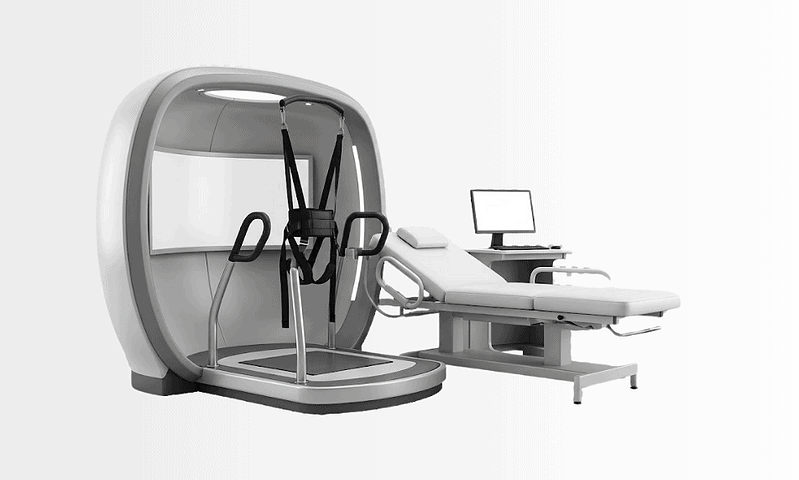
The imaging, radiotherapy, surgical and rehabilitation platforms installed here.
Send your reports: a physician-reviewed plan comes back before you travel.
Free · No obligation · Reply within 24 hours